
Compare Bwindi and Mgahinga gorilla trekking experiences.
Comparing Bwindi and Mgahinga Gorilla Trekking Experiences reveals two unique ways of encountering Uganda’s magnificent mountain gorillas. Although both parks offer unforgettable wildlife encounters and require the same gorilla trekking permit, the overall experience differs significantly. From landscape and trekking conditions to gorilla populations and visitor numbers, each destination provides a distinct adventure.
Bwindi Impenetrable National Park is famous for its dense rainforest, numerous gorilla families, and challenging treks through thick vegetation. In contrast, Mgahinga Gorilla National Park offers a more exclusive experience set against the dramatic backdrop of the Virunga Volcanoes. Understanding these differences can help travelers choose the destination that best suits their interests, fitness levels, and travel preferences.
Understanding the Two Parks
Bwindi Impenetrable National Park and Mgahinga Gorilla National Park are Uganda’s only destinations for mountain gorilla trekking. Despite sharing the same conservation goal, the two parks differ greatly in character and scenery.
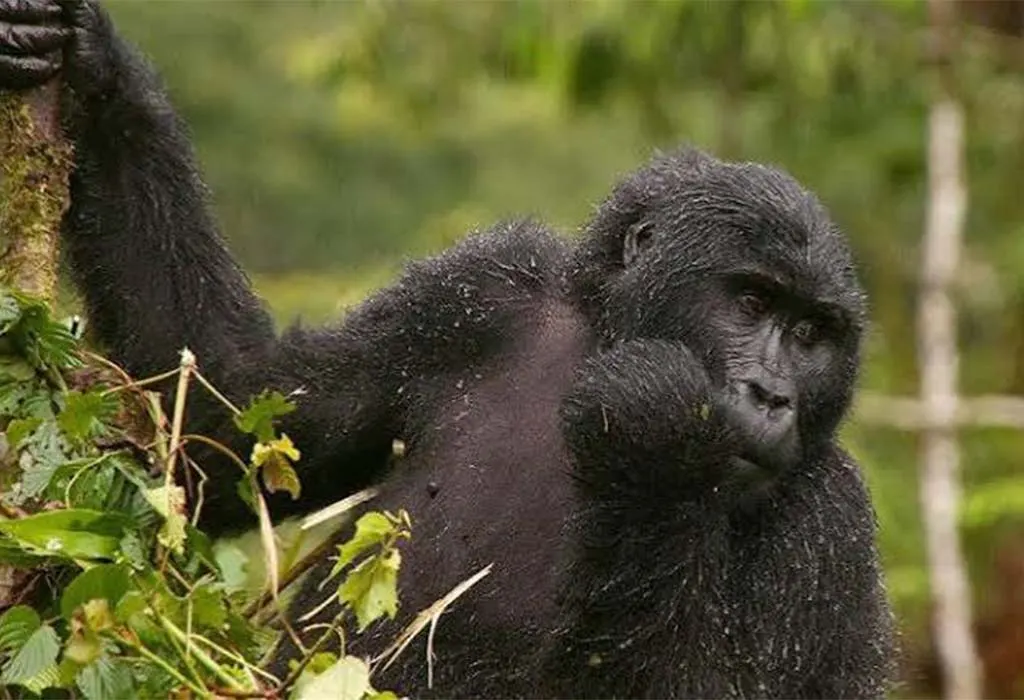
Bwindi Impenetrable National Park is a UNESCO World Heritage Site renowned for its ancient rainforest. The park covers a vast area of rugged hills, deep valleys, and thick vegetation. Towering trees, tangled vines, and dense undergrowth create an atmosphere of true wilderness. As visitors move through the forest, they often feel immersed in a world that has remained unchanged for centuries.
The park’s name reflects its challenging terrain. Thick vegetation and steep slopes make trekking demanding but highly rewarding. The sense of adventure is one of Bwindi’s greatest attractions, drawing travelers from around the world who seek an authentic rainforest experience.
Mgahinga Gorilla National Park, on the other hand, forms part of the larger Virunga Conservation Area, which extends into Rwanda and the Democratic Republic of Congo. The park is dominated by three spectacular volcanic peaks: Mount Muhabura, Mount Gahinga, and Mount Sabyinyo. Its landscape consists of bamboo forests, montane vegetation, and open volcanic slopes that provide a striking contrast to Bwindi’s dense rainforest.
Because of its open terrain and mountain scenery, Mgahinga offers a different atmosphere. Visitors enjoy impressive views of the Virunga Mountains while trekking, making the experience visually spectacular from start to finish.
Gorilla Populations and Trekking Opportunities
One of the most significant differences between the two parks lies in the number of mountain gorillas they protect.
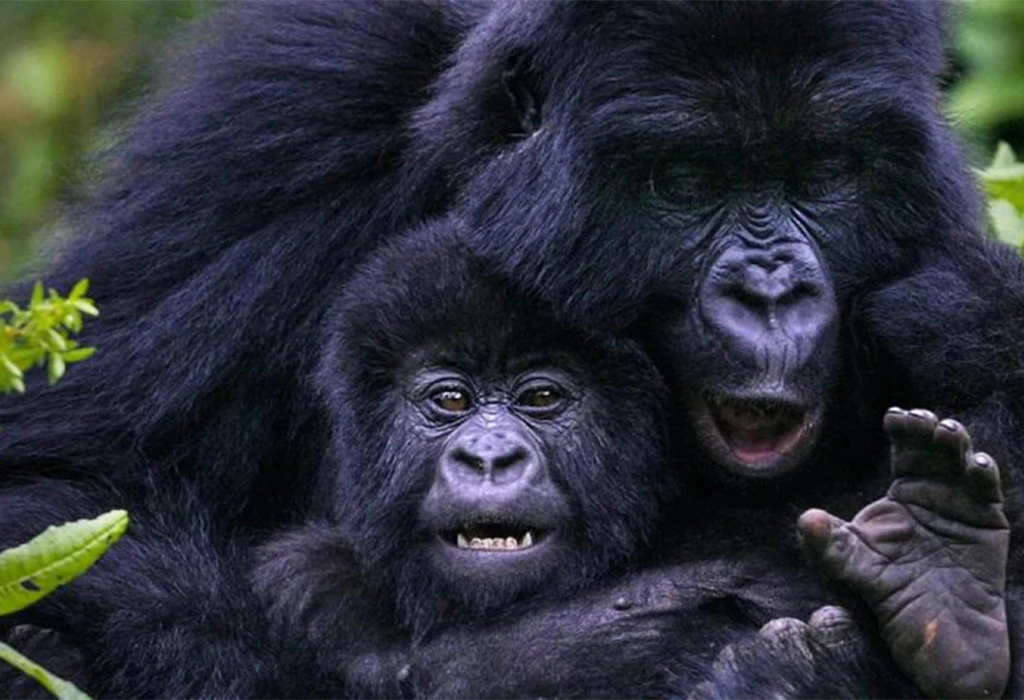
Bwindi is home to more than half of the world’s remaining mountain gorilla population. The park hosts numerous habituated gorilla families distributed across four trekking sectors: Buhoma, Ruhija, Rushaga, and Nkuringo. This large number of gorilla groups allows the park to accommodate many visitors each day while maintaining strict conservation regulations.
The availability of multiple gorilla families provides travelers with greater flexibility when booking permits. It also makes Bwindi an excellent option for larger groups, families, and visitors planning trips on relatively short notice.
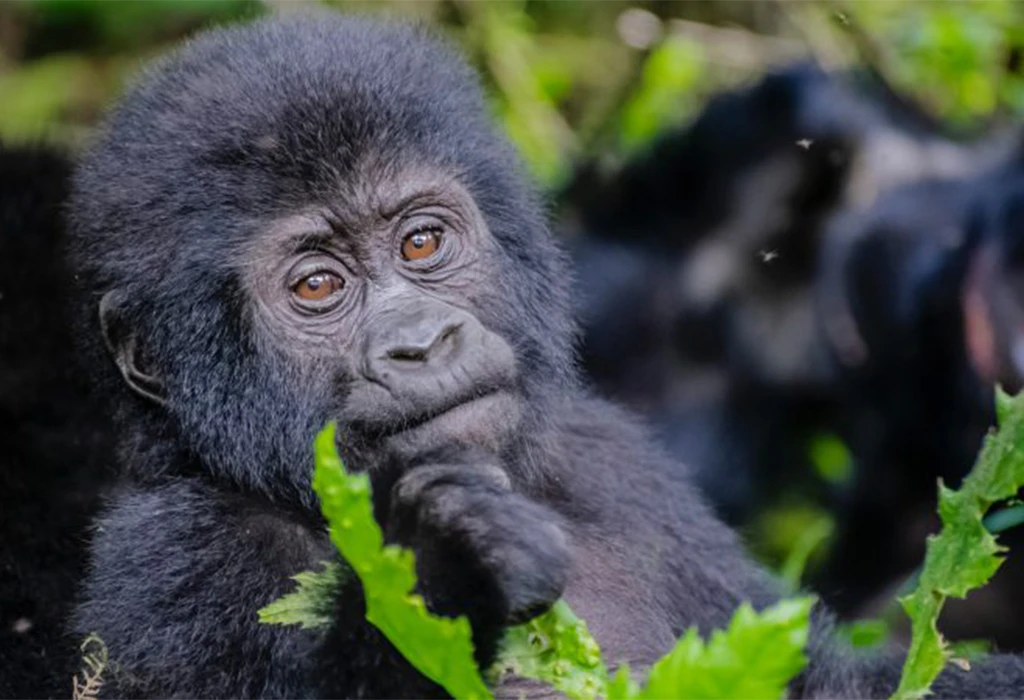 In contrast, Mgahinga is home to a single habituated gorilla family known as the Nyakagezi Group. This family has become famous for its stable presence within the park and its fascinating social structure. Because only one group is available for trekking, visitor numbers are extremely limited.
As a result, trekking in Mgahinga often feels more exclusive and intimate. The smaller number of visitors creates a quieter environment, allowing guests to enjoy a more personal wildlife experience. However, permits can be more difficult to secure, especially during peak travel seasons.
Trekking Difficulty and Terrain
The physical demands of gorilla trekking vary considerably between the two parks.
Bwindi is widely regarded as the more challenging destination. The forest consists of steep hillsides, muddy trails, and thick vegetation that can slow progress significantly. Trekking duration can range from two to eight hours depending on the location of the gorilla family on a particular day.
The dense rainforest environment often requires trekkers to navigate through narrow paths, climb steep slopes, and descend into valleys. During the rainy seasons, trails can become slippery and physically demanding. Consequently, visitors should arrive prepared with sturdy hiking boots and a reasonable level of fitness.
Nevertheless, many travelers consider the challenge part of the adventure. Reaching a gorilla family after a demanding trek often makes the encounter even more rewarding.
Mgahinga generally offers a less strenuous trekking experience. The bamboo forests and volcanic slopes feature more open pathways and better visibility. While trekkers may still encounter steep sections, particularly when gorillas are located higher on the mountain slopes, the overall terrain is often easier to navigate.
The open landscape also allows visitors to enjoy scenic views throughout the trek, making the journey itself a memorable part of the experience.
Photography and Wildlife Viewing
Photography conditions differ noticeably between the two destinations.
Bwindi’s dense forest canopy creates low-light conditions that can challenge photographers. Thick vegetation may partially obscure gorillas, requiring patience and careful positioning to capture quality images. However, the rainforest setting provides a dramatic and authentic backdrop that many wildlife photographers appreciate.
The filtered sunlight, misty atmosphere, and ancient forest environment often produce striking photographs that convey the mystery of the rainforest.
Mgahinga provides more favorable conditions for photography. The bamboo forests allow greater amounts of natural light to reach the ground, resulting in brighter and clearer images. Furthermore, the more open vegetation often offers unobstructed views of the gorillas.
The stunning volcanic scenery surrounding the park adds another dimension to photographs, creating memorable images