

Climate of Bwindi Impenetrable National Park
Bwindi Impenetrable National Park, located in southwestern Uganda near the Equator, is famous for its mountain gorillas, ancient rainforest, and unique climate. Although the park lies within the tropics, its weather is much cooler than many visitors expect. The combination of high altitude, dense rainforest, and frequent rainfall creates a refreshing environment that differs greatly from the hot savannahs found elsewhere in East Africa.
The climate plays a significant role in every visitor’s experience. Whether you are planning a gorilla trekking adventure, a birdwatching tour, or a nature walk, understanding the weather will help you prepare properly and enjoy your visit to the fullest.
Altitude Creates a Cool Tropical Climate
One of the most important factors influencing Bwindi’s climate is its elevation. The park stretches across rugged mountains, ranging from approximately 1,160 metres to 2,607 metres above sea level. As elevation increases, temperatures become noticeably cooler, creating a pleasant environment throughout the year.
Daytime temperatures generally range between 17°C and 25°C (63°F–77°F), making outdoor activities comfortable. However, early mornings and evenings can be surprisingly cold, especially in the higher sections of the park. Night temperatures usually fall between 7°C and 12°C (45°F–54°F).
Many visitors expect tropical heat because Uganda lies near the Equator. Instead, they find cool mountain air, refreshing breezes, and mist-covered forests that create a magical atmosphere unlike any other safari destination.
Rainfall Throughout the Year
Bwindi receives abundant rainfall because it is a tropical rainforest. Annual rainfall ranges from 1,130 mm to 2,390 mm, depending on the location within the park. Some areas receive significantly more rain due to differences in altitude and topography.
Unlike many destinations with predictable weather patterns, rain can occur at any time of the year. Even during the dry season, short showers are common. As a result, visitors should always carry waterproof clothing regardless of when they travel.
Despite this unpredictability, the park experiences two main dry seasons and two rainy seasons that influence trekking conditions and visitor numbers.
The Dry Seasons
The dry seasons occur from June to August and December to February. June and July are generally the driest months of the year and are considered the best time for gorilla trekking.
During these months, rainfall decreases, allowing forest trails to become firmer and less slippery. Hiking through dense vegetation becomes easier, and visitors spend less energy navigating muddy paths. Clearer skies also improve visibility, making photography more rewarding.
Although the weather is more favourable, occasional showers can still occur. Therefore, waterproof clothing remains an essential part of every visitor’s packing list.
Because trekking conditions are at their best, the dry seasons attract the highest number of visitors. Gorilla permits and accommodation often sell out several months in advance, making early booking highly recommended.
The Wet Seasons
The rainy seasons extend from March to May and again from September to November. April usually receives the heaviest rainfall during the first wet season, while October and November experience the heaviest rains during the second.
Heavy rainfall transforms the forest into a lush green paradise. Rivers flow more strongly, vegetation becomes thicker, and the entire landscape appears vibrant and alive. However, trekking also becomes more challenging. Trails become muddy, steep slopes become slippery, and hikers require extra effort to reach the gorilla families.
Despite these challenges, many experienced travellers appreciate the wet season. The rainforest looks exceptionally beautiful, visitor numbers decrease, and accommodation rates are often significantly lower than during peak months.
Gorilla Trekking in Different Seasons
Gorilla trekking is possible throughout the year because the mountain gorillas remain within the forest regardless of the weather. However, each season offers a different experience.
During the dry season, trekking is generally easier because the trails are more stable. Visitors can walk with greater confidence and spend less time navigating muddy sections of the forest. These conditions make the dry months ideal for first-time trekkers and families seeking a more comfortable hiking experience.
In contrast, the wet season presents a more adventurous challenge. Slippery trails require careful footing and good physical fitness. However, the forest becomes incredibly scenic, with fresh vegetation, flowing streams, and dramatic mist covering the hillsides. Many photographers enjoy these conditions because the rainforest appears rich in colour and texture.
A Paradise for Birdwatchers
The changing climate also influences birdlife within the park. Bwindi is home to more than 350 bird species, making it one of Africa’s finest birdwatching destinations.
The rainy seasons are especially rewarding for bird enthusiasts. Increased rainfall attracts migratory species while encouraging breeding activity among resident birds. The forest becomes filled with colourful birds, distinctive songs, and increased wildlife activity.
As a result, many dedicated birdwatchers intentionally plan their visits during the wetter months despite the challenging trekking conditions.
Weather Conditions You Can Expect
Many first-time visitors are surprised by how quickly the weather changes in Bwindi. One of the park’s most distinctive features is its thick morning mist. Before sunrise, dense fog often blankets the forest, creating a peaceful atmosphere that feels almost mystical.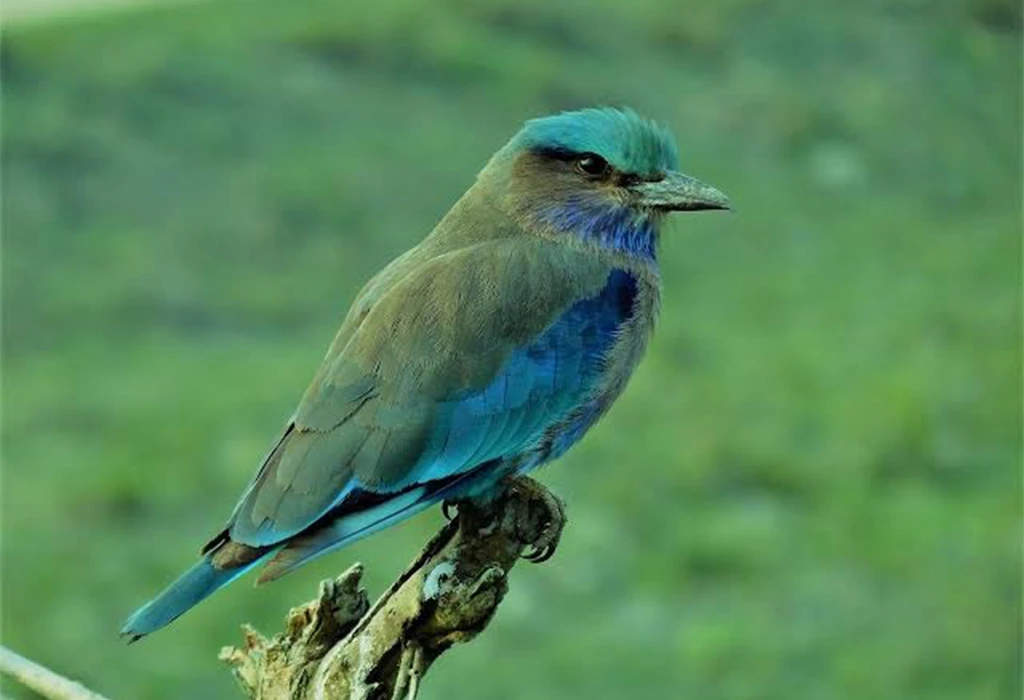
As the morning progresses, the mist gradually lifts to reveal towering trees, thick vegetation, and breathtaking mountain scenery. The constantly changing light creates spectacular opportunities for photography.
Another unique characteristic is the park’s microclimate. The rainforest produces its own weather patterns, meaning rain can begin suddenly even when the sky appears clear only minutes earlier. These brief showers are a normal part of life in Bwindi and should not discourage visitors.
Daily temperature changes are also noticeable. Early mornings begin with cool mountain air, afternoons become pleasantly warm, and temperatures quickly fall again after sunset. Dressing in layers allows visitors to stay comfortable throughout the day.
Essential Packing List
Packing appropriately makes your visit far more enjoyable. Since the weather can change rapidly, every visitor should prepare for both sunshine and rain.
Bring a waterproof jacket and waterproof trousers to stay dry during unexpected showers. Sturdy hiking boots with excellent grip and ankle support are essential because forest trails can be uneven and slippery.
Warm clothing, including thermal base layers and a fleece jacket, helps protect against chilly mornings and evenings, particularly at higher elevations. Long-sleeved shirts and long trousers provide additional warmth while protecting your skin from branches, insects, and thick vegetation.
Finally, carry a waterproof backpack or dry bag to protect cameras, mobile phones, travel documents, and spare clothing from rain and humidity.
Final Thoughts
The climate of Bwindi Impenetrable National Park is one of the defining features of this remarkable destination. Its cool temperatures, mist-covered mountains, rich rainfall, and ever-changing weather create an unforgettable rainforest experience unlike anywhere else in Africa.
Rather than viewing the mist, rain, or muddy trails as inconveniences, visitors should embrace them as part of the adventure. Every shower nourishes the ancient forest, every cool morning adds to the atmosphere, and every changing cloud enhances the beauty of this extraordinary landscape.
With realistic expectations, suitable clothing, and proper preparation, travellers can comfortably enjoy Bwindi throughout the year. Regardless of the season, the park continues to offer unforgettable encounters with mountain gorillas, spectacular birdlife, breathtaking scenery, and one of the world’s most remarkable tropical forests.