
Distance and Drive Time from Entebbe to Bwindi
Planning a gorilla trekking adventure to Bwindi Impenetrable National Park begins with understanding the journey from Entebbe. For most international visitors, Entebbe International Airport is the main gateway into Uganda. Situated on the scenic shores of Lake Victoria, Entebbe offers a peaceful introduction to the country before travellers head towards the lush rainforests of southwestern Uganda.
Bwindi Impenetrable National Park lies near the borders of Rwanda and the Democratic Republic of the Congo. Although the park is approximately 500 kilometers from Entebbe, the drive is much more than simply travelling from one destination to another. It is a journey through changing landscapes, vibrant towns, rolling hills, farmland, and traditional villages that reveal the beauty and diversity of Uganda. While the road trip requires patience, it rewards visitors with spectacular scenery long before they reach the mountain gorillas.
How Far Is Bwindi from Entebbe?
The distance from Entebbe to Bwindi Impenetrable National Park is generally around 500 kilometres (about 310 miles). Depending on your chosen trekking sector, road conditions, weather, and traffic, the journey usually takes between 9 and 11 hours by road.
Although this may seem like a lengthy drive, many travellers find the experience enjoyable because the route passes through some of Uganda’s most beautiful countryside. Travelling during daylight hours also provides excellent opportunities to admire the changing landscapes, from the flat plains surrounding Kampala to the rolling hills and terraced farms of southwestern Uganda.
It is important to remember that Bwindi is a large national park with four different trekking sectors. Consequently, the exact distance and driving time vary slightly depending on where your accommodation and gorilla trekking permit are located.
Understanding Bwindi’s Four Trekking Sectors
Bwindi Impenetrable National Park is divided into four major gorilla trekking sectors, namely Buhoma, Ruhija, Rushaga, and Nkuringo. Each sector offers a unique trekking experience, different accommodation options, and varying travel times from Entebbe.
Buhoma Sector
Buhoma is located in the northern part of Bwindi and is often regarded as the easiest sector to reach by road. The distance from Entebbe ranges between 470 and 500 kilometres, with an average driving time of about 8½ to 10 hours.
Many visitors prefer Buhoma because much of the journey follows well-maintained roads before reaching the park. The surrounding area also offers a wide range of lodges, cultural experiences, and nature walks, making it one of the park’s most popular destinations.
Ruhija Sector
Ruhija lies on the eastern side of the park and provides visitors with a quieter atmosphere while still offering excellent gorilla trekking opportunities. Travelling from Entebbe to Ruhija covers approximately 470 to 510 kilometres and usually takes between 9 and 10 hours.
The drive into Ruhija passes through beautiful mountain scenery, with spectacular viewpoints overlooking valleys, forests, and cultivated hillsides. The peaceful environment makes it an excellent choice for travellers seeking a more secluded experience.
Rushaga Sector
Rushaga is situated in the southern part of Bwindi and is one of the busiest trekking sectors because it has several habituated gorilla families. The road journey from Entebbe covers approximately 480 to 520 kilometres, while driving time generally ranges from 9 to 11 hours.
Although reaching Rushaga takes slightly longer, many visitors consider the extra travel worthwhile. The sector offers a greater number of gorilla permits, increasing the chances of securing a trekking date during busy travel seasons. In addition, Rushaga provides opportunities for the Gorilla Habituation Experience, where visitors spend up to four hours with a semi-habituated gorilla family.
Nkuringo Sector
Nkuringo occupies the southwestern corner of Bwindi and is the most remote of the four sectors. Depending on your exact destination, the journey from Entebbe covers approximately 500 to 540 kilometres and may take between 10 and 12 hours.
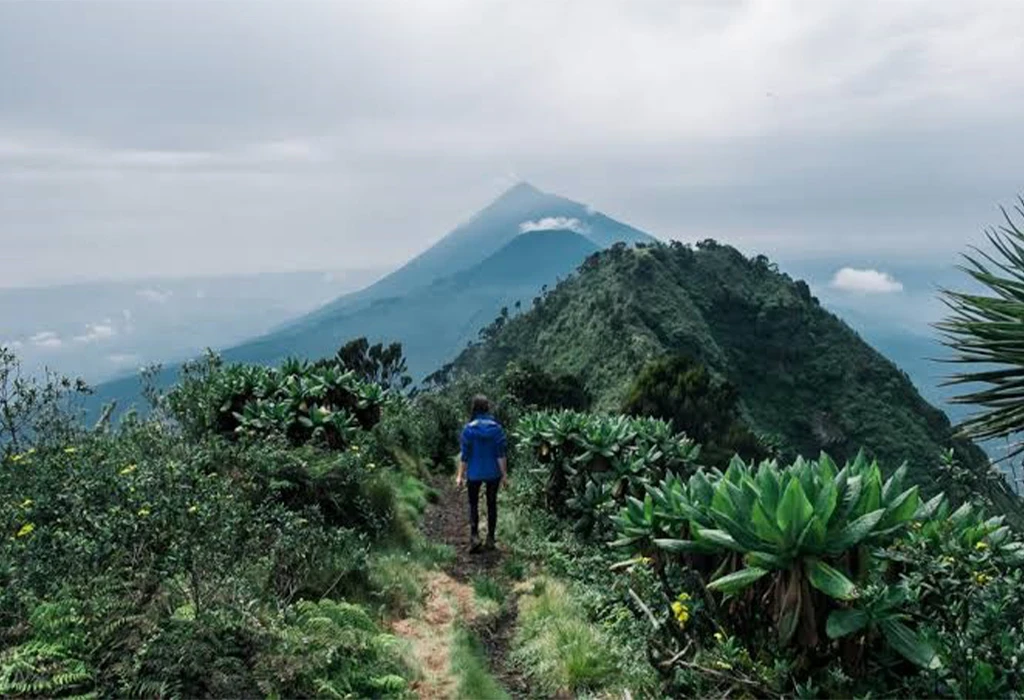
 The roads approaching Nkuringo become steeper and more winding as they climb through mountainous terrain. However, the breathtaking scenery easily compensates for the longer journey. Visitors are rewarded with panoramic views of forests, valleys, volcanoes, and, on clear days, parts of the Virunga Mountain Range.
What Is the Road Like?
The road journey from Entebbe to Bwindi consists of both tarmac and gravel roads. The first part of the trip follows the Kampala–Masaka–Mbarara–Kabale highway, which is fully paved and generally in good condition. This section allows for relatively comfortable driving and passes through several major towns where travellers can stop for refreshments or fuel.
As the journey continues towards Bwindi, the road gradually changes from tarmac to murram, a compacted gravel surface commonly found in rural Uganda. The final 60 to 80 kilometres leading into the park are usually unpaved and considerably rougher than the earlier sections of the route.
During the dry seasons, these roads remain fairly manageable. However, heavy rainfall can make them muddy, slippery, and more challenging to navigate. Uganda experiences its main rainy seasons between March and May and again from October to November. Travellers visiting during these months should allow additional travel time and prepare for changing road conditions.
Because of the mountainous terrain and occasional rough surfaces, travelling in a four-wheel-drive vehicle is highly recommended throughout the journey. A 4×4 vehicle provides greater stability, improved safety, and a much more comfortable ride, particularly on the final approach to the park.
Scenic Highlights Along the Route
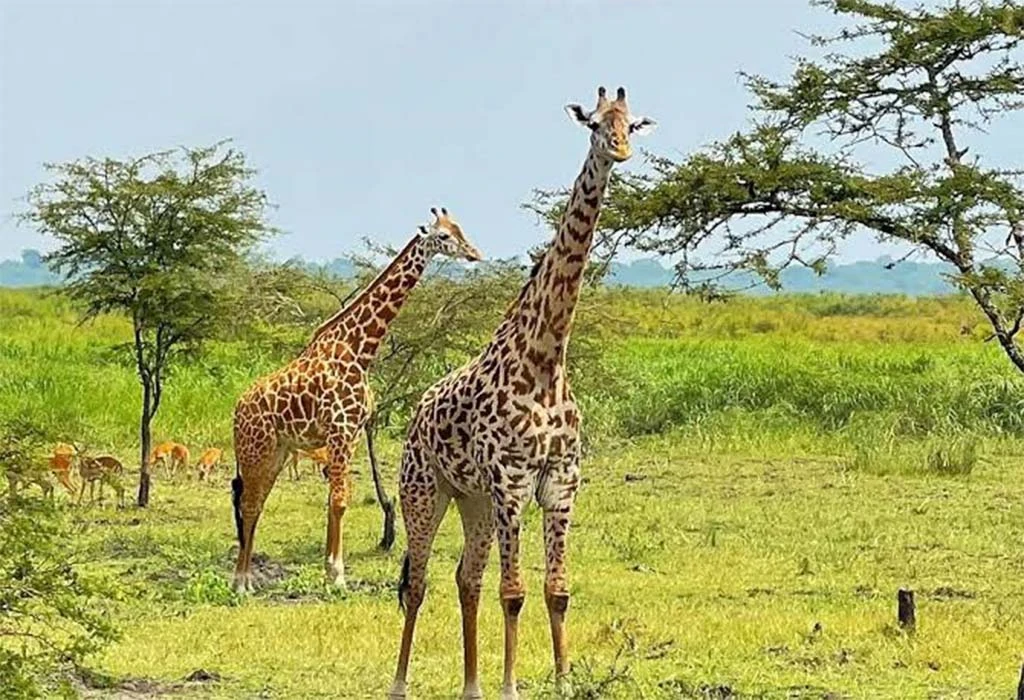
One of the greatest advantages of travelling by road is the opportunity to experience Uganda’s diverse landscapes and cultural attractions. Instead of rushing directly to Bwindi, many visitors choose to include short stops that make the journey even more enjoyable.
One of the most popular attractions is the Uganda Equator crossing at Kayabwe. Located along the main highway south of Kampala, this famous landmark allows visitors to stand in both the Northern and Southern Hemispheres simultaneously. The stop offers excellent photo opportunities, souvenir shopping, and fascinating demonstrations explaining the movement of water across the Equator.
Further southwest, the journey passes through Mbarara, one of Uganda’s largest cities. Many travellers stop here for lunch before continuing towards Bwindi. The surrounding region is well known for its cattle farms, rolling hills, and rich cultural heritage, making it an enjoyable place to relax before the final stretch of the drive.
As you continue towards Kabale and Kisoro, the scenery becomes even more dramatic. Terraced hillsides, mist-covered valleys, winding mountain roads, and dense forests create an unforgettable landscape that gradually signals your arrival in one of Africa’s most remarkable national parks.
Is Flying to Bwindi a Better Option?
For travellers with limited time or those wishing to avoid a long drive, domestic flights provide a faster alternative. Scheduled flights operate from Entebbe International Airport to Kihihi Airstrip, which serves the northern sectors of Bwindi, and Kisoro Airstrip, which provides access to the southern sectors.
The flight takes approximately one hour and fifteen minutes, significantly reducing overall travel time. After landing, visitors continue by road to their respective lodges, with transfer times varying depending on the trekking sector.
Although domestic flights cost more than travelling by road, they offer greater convenience and reduce travel fatigue. This option is particularly attractive for luxury travellers, older visitors, families with children, and anyone working within a tight travel schedule.
Choosing the Best Way to Travel
Deciding whether to drive or fly depends on your budget, available time, and travel preferences. Road travel offers the chance to experience Uganda’s stunning countryside, interact with local communities, and enjoy scenic stopovers along the way. It also provides greater flexibility for photography and sightseeing.
On the other hand, flying saves valuable time and allows travellers to reach Bwindi more comfortably, especially when visiting for a short safari. Both options ultimately lead to one of the world’s most extraordinary wildlife destinations.
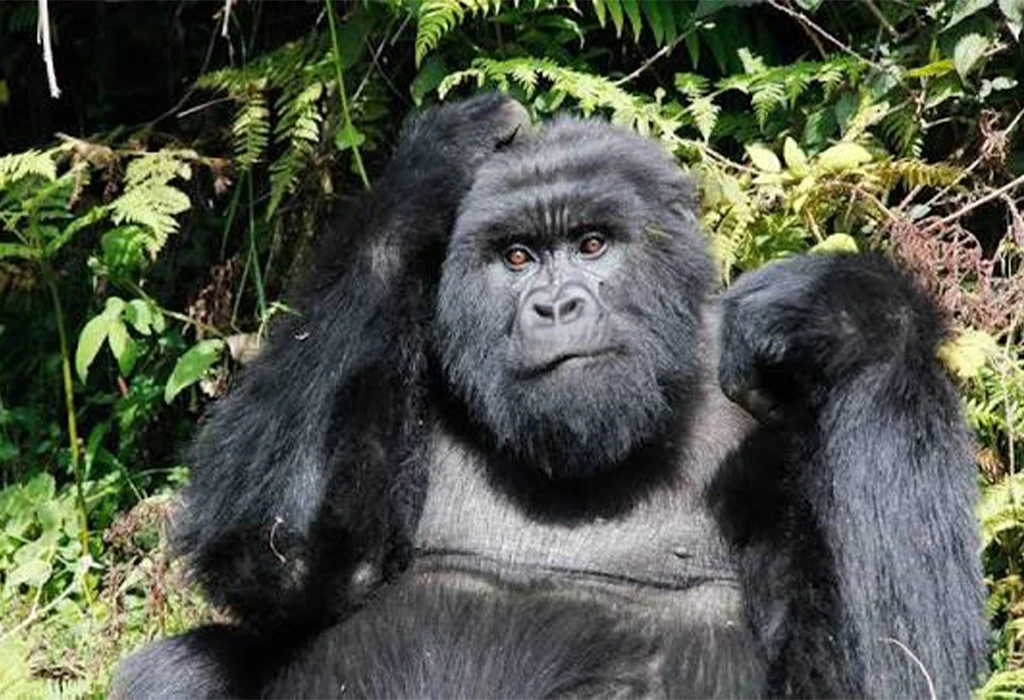
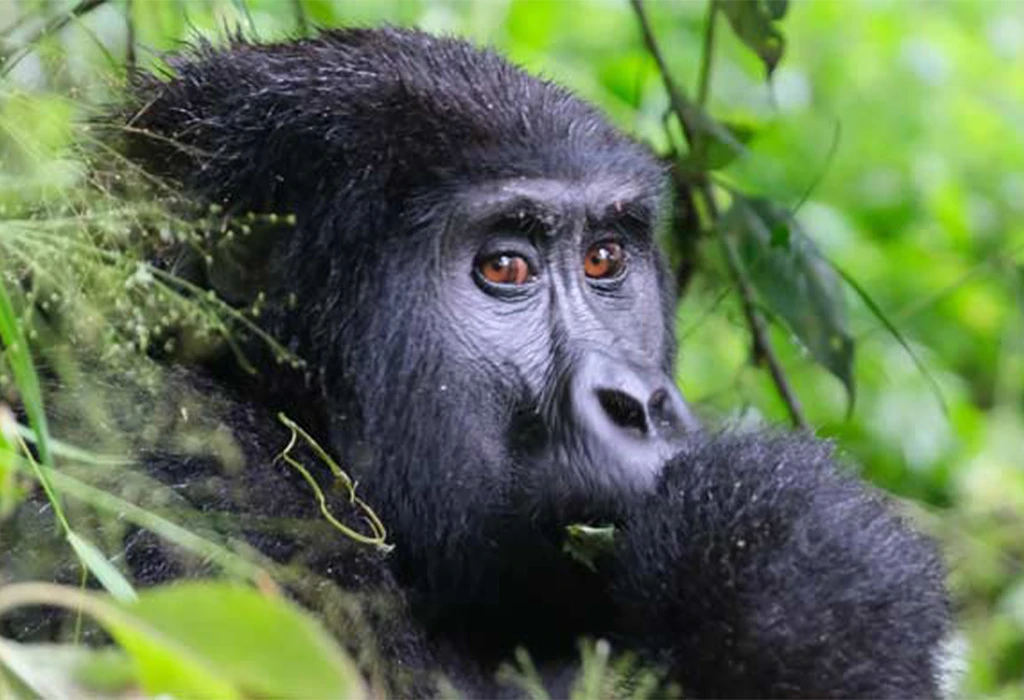
Regardless of how you choose to travel, arriving at Bwindi Impenetrable National Park marks the beginning of an unforgettable adventure. The ancient rainforest, breathtaking mountain scenery, remarkable biodiversity, and unforgettable encounter with endangered mountain gorillas make every kilometer of the journey worthwhile. For many visitors, the drive from Entebbe is not simply transportation; it is the first chapter of an incredible Ugandan safari experience.