
Lifespan of Gorillas: How Long Do Gorillas Live?
Gorillas are among the most fascinating animals on Earth. As the largest living primates, they share approximately 98% of their DNA with humans, making them one of our closest relatives. Their intelligence, complex family relationships, and gentle nature continue to inspire travelers, conservationists, and researchers alike.
Deep within the tropical forests of Uganda, Rwanda, and the Democratic Republic of Congo, mountain gorillas thrive in carefully protected habitats. Every encounter with these magnificent primates offers a glimpse into a world built on family bonds, communication, and survival. One question many travelers ask before embarking on a gorilla trekking adventure is: How long do gorillas live?
The answer depends on several factors, including their species, habitat, health, and the challenges they face in the wild. Understanding the lifespan of gorillas also helps us appreciate why conservation efforts remain essential for protecting these endangered animals.
Understanding Gorilla Species
Before discussing their lifespan, it is important to understand that gorillas are divided into two main species: the Eastern gorilla (Gorilla beringei) and the Western gorilla (Gorilla gorilla).
The Eastern gorilla includes the mountain gorilla and the eastern lowland gorilla (Grauer’s gorilla). Mountain gorillas inhabit the mist-covered forests of Uganda, Rwanda, and the Democratic Republic of Congo, while eastern lowland gorillas occupy the lowland forests of eastern Congo.
The Western gorilla consists of the western lowland gorilla and the Cross River gorilla, which live in parts of Central and West Africa. Although these species share many physical and behavioral characteristics, slight differences in habitat and environmental pressures can influence their average lifespan.
How Long Do Gorillas Live?
In their natural habitat, gorillas generally live between 35 and 40 years, although some individuals survive into their late forties. Under exceptional conditions, a few wild gorillas have reached 50 years of age, but this remains relatively uncommon due to the many challenges they face.
Gorillas living in accredited zoos and wildlife sanctuaries often enjoy longer lives because they receive excellent veterinary care, balanced nutrition, protection from predators, and treatment for illnesses. As a result, captive gorillas frequently live into their late forties or early fifties, with a few remarkable individuals surpassing 55 years.
However, many conservationists emphasize that although captive gorillas may live longer, no environment can truly replace the freedom and natural behaviors experienced in the wild. Protecting their natural habitat remains the best way to preserve healthy gorilla populations.
The Early Years: A Fragile Beginning
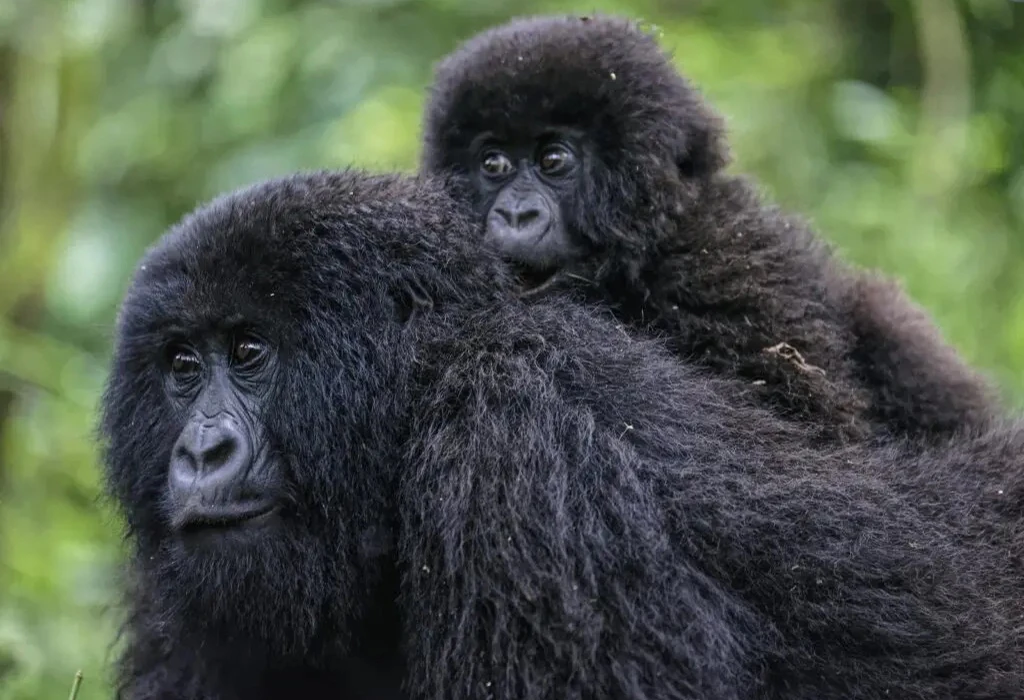
Life begins with many challenges for young gorillas. Newborn gorillas weigh only about 4 to 5 pounds (1.8 to 2.3 kilograms) and rely entirely on their mothers for warmth, food, and protection.
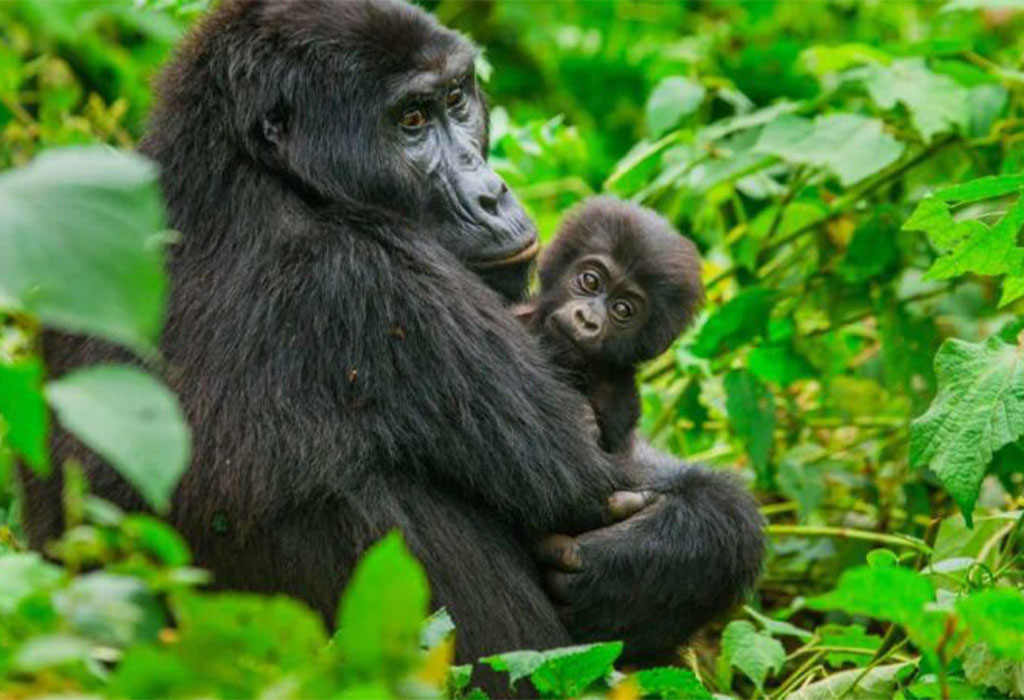
During the first few years, infant mortality can be relatively high. Disease, accidents, injuries, and conflicts between gorilla groups all pose significant risks. Fortunately, gorilla mothers demonstrate exceptional care by carrying, nursing, grooming, and protecting their babies almost constantly.
Young gorillas remain closely attached to their mothers for several years. This strong maternal bond provides the foundation for their survival, emotional development, and future social interactions.
Thanks to ongoing conservation efforts, improved veterinary monitoring, and better habitat protection, infant survival rates have improved in several protected parks across East Africa.
Growing Through Childhood and Adolescence
As gorillas grow, they become increasingly curious and independent. Juveniles spend much of their time climbing trees, wrestling with siblings, chasing one another, and exploring their surroundings through play.
These playful activities serve an important purpose. They help young gorillas develop strength, coordination, communication skills, and social confidence.
During adolescence, gorillas gradually establish stronger relationships within their family groups. They learn how to communicate using facial expressions, body language, vocalizations, and gentle physical contact.
This stage also prepares them for adulthood, where each individual will eventually assume a more defined role within the troop.
When Do Silverbacks Reach Maturity?
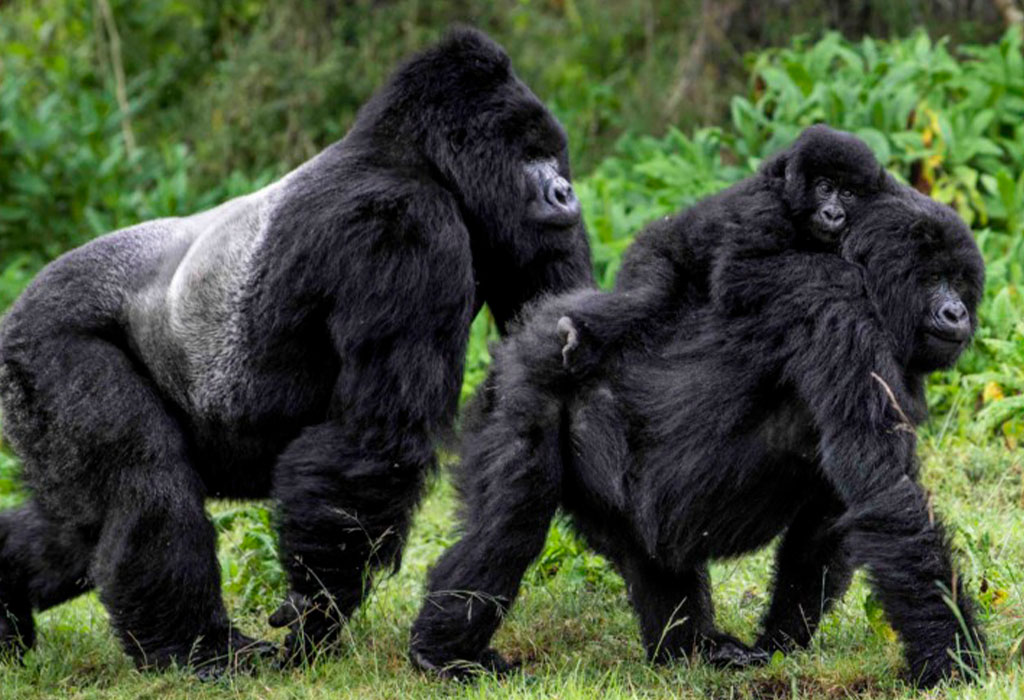
Male gorillas experience one of the most recognizable transformations in the animal kingdom. Between 12 and 15 years of age, mature males develop a distinctive patch of silver-gray hair across their backs. This physical change marks their transition into silverbacks.
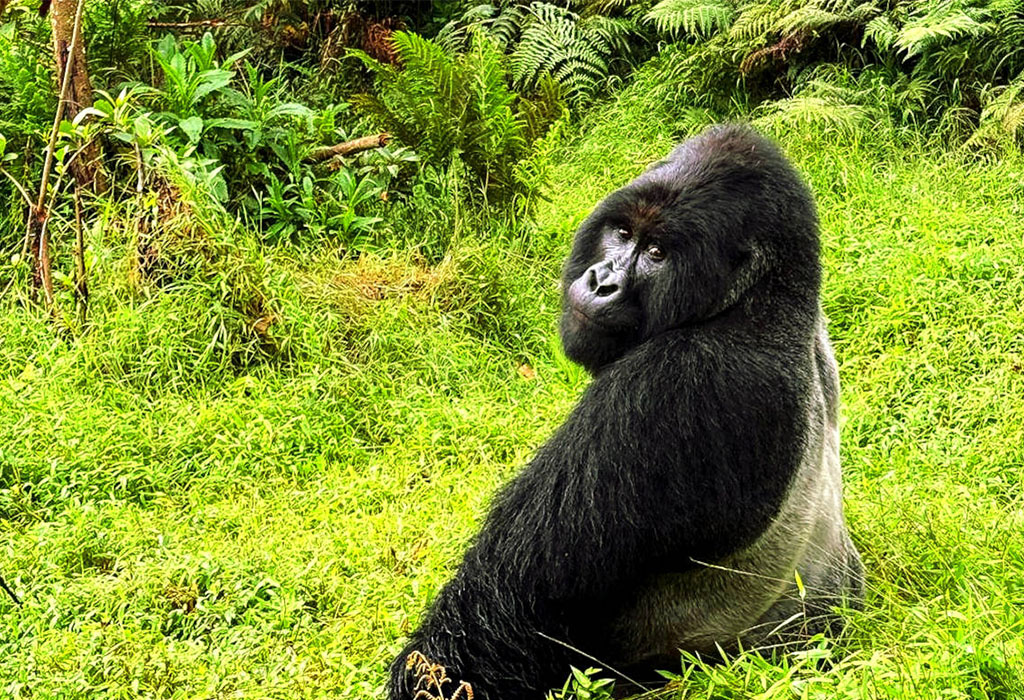 A silverback serves as the leader and protector of the family group. His responsibilities extend far beyond displaying strength. He guides the group to feeding areas, settles disputes among family members, protects infants, and defends the troop against predators or rival males.
Despite their immense size and power, silverbacks are generally calm and gentle. They avoid conflict whenever possible and rely heavily on communication to maintain peace within the group.
Only when their families face serious threats do silverbacks display aggressive behaviors such as chest beating, charging, or vocal warnings.
Female Gorillas and Reproduction
Female gorillas mature earlier than males. Most females become sexually mature between 8 and 10 years of age, although they usually give birth to their first infant around the age of ten.
Pregnancy lasts approximately 8.5 months, which is very similar to human pregnancy. After giving birth, mothers devote several years to raising each infant before having another baby.
Typically, female gorillas produce one infant every four to six years. This slow reproductive rate means gorilla populations recover gradually after declines caused by disease, habitat destruction, or poaching.
Consequently, protecting every individual gorilla plays a crucial role in ensuring the long-term survival of the species.
Factors That Affect Gorilla Lifespan
Several factors influence how long gorillas live in the wild.
Habitat loss remains one of the greatest threats. Expanding agriculture, illegal logging, mining, and human settlement continue to reduce the forests gorillas depend upon for food and shelter.
Poaching also threatens gorilla populations. Although gorillas are rarely targeted directly for bushmeat, they often suffer severe injuries or death after becoming trapped in snares intended for other animals.
Human diseases present another major concern. Because gorillas share so much genetic similarity with humans, they can contract respiratory infections, influenza, COVID-19, and other illnesses transmitted by people. Even a common cold can become life-threatening for a wild gorilla.
Climate change may also influence gorilla survival by altering forest ecosystems, food availability, and rainfall patterns.
Fortunately, dedicated conservation organizations, governments, researchers, veterinarians, park rangers, and local communities continue working together to reduce these threats.
Conservation Is Helping Gorillas Live Longer
The outlook for mountain gorillas has improved significantly over the past few decades. Thanks to intensive conservation programs, mountain gorilla numbers have increased from critically low levels to more than 1,000 individuals, making them one of the few great ape species whose population is growing.
Strict law enforcement, veterinary intervention programs, anti-poaching patrols, habitat restoration, and community-based conservation initiatives have all contributed to this success.
Responsible tourism also plays a vital role. Revenue generated through gorilla trekking supports national parks, funds ranger patrols, strengthens conservation programs, and creates employment opportunities for local communities.
Visitors who follow gorilla trekking regulations—including maintaining the required viewing distance, wearing face masks when necessary, and staying home when ill—help protect these endangered primates from disease transmission.
Experiencing Gorillas Responsibly
A gorilla trekking adventure offers much more than an unforgettable wildlife encounter. It creates a meaningful connection between visitors and one of the world’s most remarkable species.
At Experiya Tour Company, we believe responsible tourism benefits both travelers and wildlife. Every well-managed gorilla safari contributes to conservation while allowing visitors to witness the extraordinary lives of mountain gorillas in their natural environment.
Watching a silverback carefully protect his family, observing playful juveniles at play, or seeing a mother gently care for her infant reminds us why conserving these animals matters so deeply.
Conclusion
Gorillas typically live between 35 and 40 years in the wild, while those receiving specialized care in captivity may reach 50 years or more. Throughout their lives, they experience many stages—from vulnerable infants and playful juveniles to protective silverbacks and nurturing mothers. Each stage reflects their remarkable intelligence, strong family bonds, and ability to adapt to challenging environments.
Although gorillas face ongoing threats from habitat destruction, disease, and human activities, conservation efforts continue to improve their future. Every responsible visitor, conservation project, and protected forest contributes to safeguarding these incredible primates for generations to come.
When you choose a responsible gorilla trekking experience with Experiya Tour Company, you become part of that conservation story. Beyond creating lifelong memories, your journey helps support the protection of one of the world’s most endangered and awe-inspiring animals while ensuring that future generations can continue to witness gorillas thriving in the wild.