
The Best Time to Visit Victoria Falls
Victoria Falls is one of Africa’s most spectacular natural wonders and one of the most remarkable destinations for adventure seekers. Located along the Zambezi River on the border between Zimbabwe and Zambia, the falls are famous for their enormous curtain of water, breathtaking scenery, and thrilling activities.
Known locally as Mosi-oa-Tunya, meaning “The Smoke That Thunders,” Victoria Falls changes dramatically throughout the year. Water levels, weather conditions, and seasonal temperatures all influence what visitors can see and do. Therefore, the best time to visit Victoria Falls largely depends on the type of experience you want.
Whether you want to witness the falls at their most powerful, enjoy the famous Devil’s Pool, go white-water rafting, or combine your visit with a wildlife safari, choosing the right season can make your trip even more memorable.
What Is the Best Time to Visit Victoria Falls?
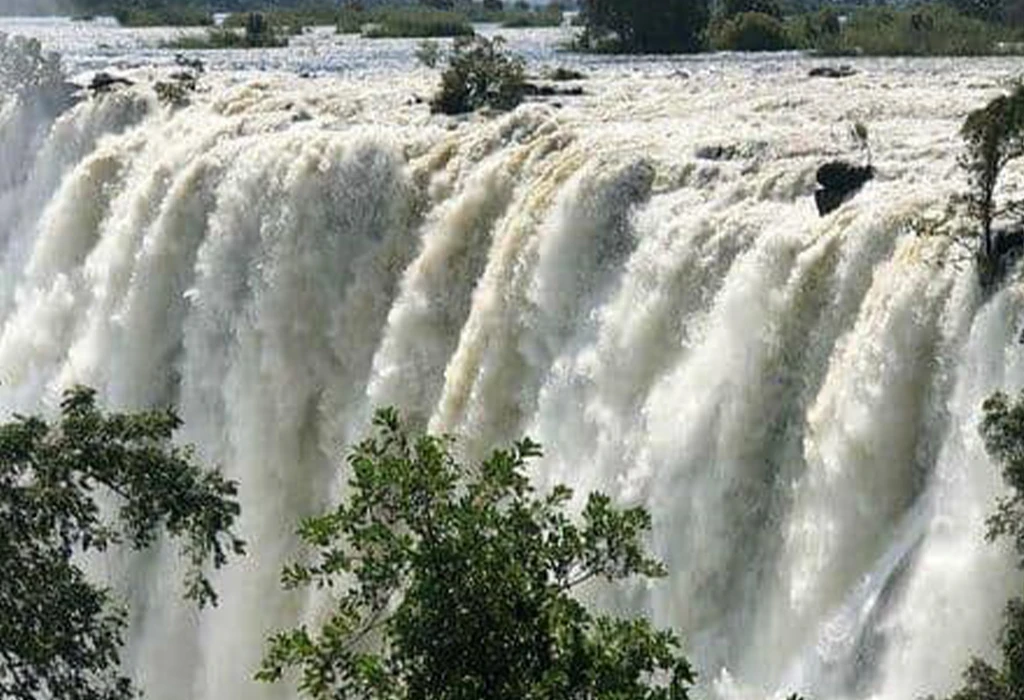
There is no single best month for everyone because each season offers a different experience. Generally, March to May is the high-water period, when Victoria Falls reaches its greatest volume. On the other hand, August to October offers lower water levels, making it ideal for activities such as Devil’s Pool and white-water rafting.
Between these periods, visitors can enjoy a balance between impressive water levels and favorable conditions for exploring the surrounding attractions.
The High-Water Season: March to May
March to May is one of the most dramatic periods to visit Victoria Falls. During the preceding rainy season, usually from November to February, the Zambezi River receives large amounts of water. As a result, the falls become exceptionally powerful.
During this period, visitors can witness enormous volumes of water plunging over the cliffs, creating clouds of mist and spray visible from a considerable distance. The rainforest around the falls becomes particularly lush, while rainbows frequently appear through the mist, creating spectacular photographic opportunities.
However, the sheer volume of water can also make some activities difficult or temporarily unavailable. Devil’s Pool, for example, is generally inaccessible when water levels are too high. The heavy spray can also make it difficult to see some sections of the falls clearly.
Nevertheless, if your priority is to experience Victoria Falls at its most powerful and dramatic, the high-water season is an excellent choice.
Rainforest Walks During High Water
One of the best activities during the high-water season is exploring the Victoria Falls rainforest. The spray from the falls creates a cool, refreshing atmosphere, although visitors should expect to get wet.
A waterproof jacket, quick-drying clothing, and suitable walking shoes are useful during this period. Even when there is no rain, the spray from the falls can feel like a powerful shower.
Furthermore, the combination of roaring water, lush vegetation, mist, and rainbows creates an unforgettable atmosphere. For travelers who want to witness the full force of nature, March to May is hard to beat.
The Low-Water Season: August to October
August to October brings lower water levels and a completely different Victoria Falls experience. By this time, the rains have ended, and the Zambezi River gradually decreases in volume.
Although some sections of the falls may have less water, the reduced spray allows visitors to see the geological formations and individual channels more clearly. Photography is also easier because visibility is generally better.
Most importantly, the lower water levels open the door to several adventure activities that may not be possible during the peak flow period.
Experience the Famous Devil’s Pool
For adventurous travelers, the low-water season is particularly exciting because it provides suitable conditions for visiting Devil’s Pool on the Zambian side of Victoria Falls.
Devil’s Pool is a natural rock pool located close to the edge of the falls. During the appropriate low-water conditions, visitors can swim in the pool while looking toward the dramatic drop below.
Because conditions at the pool depend heavily on water levels and safety assessments, access is seasonal and controlled. Visitors should always follow the instructions of qualified guides and local authorities rather than attempting to reach the pool independently.
For many travelers, however, this experience is one of the highlights of a Victoria Falls adventure.
White-Water Rafting on the Zambezi
The low-water period is also popular with adventure enthusiasts who want to experience the Zambezi River through white-water rafting.
The river’s rapids provide an exhilarating experience, combining beautiful scenery with plenty of excitement. Depending on the season and local conditions, visitors can also enjoy other activities such as canoeing, river cruises, bungee jumping, ziplining, and gorge adventures.
Therefore, August to October can be particularly appealing to travelers who want more than sightseeing and prefer an active holiday.
Wildlife Viewing Around Victoria Falls
A visit to Victoria Falls does not have to focus entirely on the waterfall. The surrounding area also offers excellent opportunities to experience African wildlife.
The nearby Zambezi National Park provides opportunities for game drives, where visitors can look for elephants, buffalo, hippos, crocodiles, antelope, and a variety of bird species.
The dry season can be particularly rewarding for wildlife viewing because animals often gather around available water sources. Consequently, travelers can combine their Victoria Falls visit with a memorable Zimbabwe safari.
The Shoulder Season: January to February
January and February fall within Zimbabwe’s rainy season. During these months, rainfall can be heavy, and the skies may be cloudy. However, the surrounding landscapes are green and vibrant, creating beautiful scenery.
As the rains continue to feed the Zambezi River, water levels at Victoria Falls begin rising. This period can therefore provide a transition between the rainy season and the dramatic high-water months that follow.
Travelers who do not mind occasional rainfall may enjoy the quieter atmosphere and lush surroundings during this period.
June to July: A Comfortable Time to Visit
June and July offer another excellent opportunity to visit Victoria Falls. These months fall within Zimbabwe’s cooler, dry season, making outdoor activities more comfortable.
The daytime temperatures are generally pleasant, while mornings and evenings can be cooler. Visitors should therefore pack light clothing for the daytime along with a warm layer for early mornings and evenings.
Water levels during this period are usually still impressive, although they gradually begin declining from their peak. As a result, travelers can enjoy spectacular views of the falls while benefiting from comfortable weather.
For visitors who prefer moderate temperatures rather than extreme heat, June and July can be an excellent choice.
The Hot Season: September to November
September to November is generally hot and dry around Victoria Falls. Temperatures can become particularly high, especially in October and November.
Despite the heat, this period remains popular because of the opportunities for adventure and wildlife viewing. Lower water levels can provide clearer views of the falls and create favorable conditions for several activities.
However, travelers visiting during the hottest months should drink plenty of water, use sun protection, and plan outdoor activities around the cooler parts of the day.
What Should You Consider Before Booking?
When choosing when to visit Victoria Falls, think carefully about what you want to experience.
If you want to see the falls at their most powerful, March to May is an excellent option. If your priority is Devil’s Pool, white-water rafting, clearer views, and warmer dry-season weather, August to October may be more suitable.
For pleasant temperatures and impressive water levels, June and July offer a comfortable compromise. Meanwhile, January and February are suitable for travelers who enjoy green landscapes and do not mind occasional rainfall.
It is also important to remember that water levels can vary from year to year. Activities such as Devil’s Pool and white-water rafting depend on current river conditions and official safety assessments.
Why Book Your Victoria Falls Tour with Experiya Tour Company?
Planning a Victoria Falls holiday becomes easier when accommodation, transportation, activities, and safari experiences are organized in advance. Experiya Tour Company can help travelers arrange Victoria Falls tours together with safari experiences in Zimbabwe and other East African destinations.
Whether you want to explore the falls, experience the Zambezi River, enjoy a wildlife safari, or combine Victoria Falls with destinations in Uganda, Kenya, Tanzania, or Rwanda, a well-planned itinerary allows you to make the most of your time.
From accommodation and transportation to guided activities and safari arrangements, Experiya Tour Company can help create a travel experience suited to your interests and budget.
Final Thoughts
Victoria Falls is spectacular throughout the year, but every season offers something different. The high-water months provide the unforgettable spectacle of enormous volumes of water and powerful spray, while the dry season reveals more of the falls and creates opportunities for thrilling adventures.
Ultimately, the best time to visit Victoria Falls depends on what you want to see and do. If dramatic scenery is your priority, choose the high-water season. If adventure activities and clearer views appeal to you most, consider the low-water months.
Whichever period you choose, Victoria Falls promises an extraordinary combination of nature, adventure, wildlife, and unforgettable African scenery.