
Mountain Hiking in Uganda
Uganda is a beautiful destination for travelers who enjoy outdoor adventures, and mountain climbing and hiking are among the most rewarding activities to experience in the country. From the snow-capped peaks of the Rwenzori Mountains to the volcanic landscapes of southwestern Uganda, the country offers hiking experiences for both experienced climbers and visitors looking for shorter nature walks.
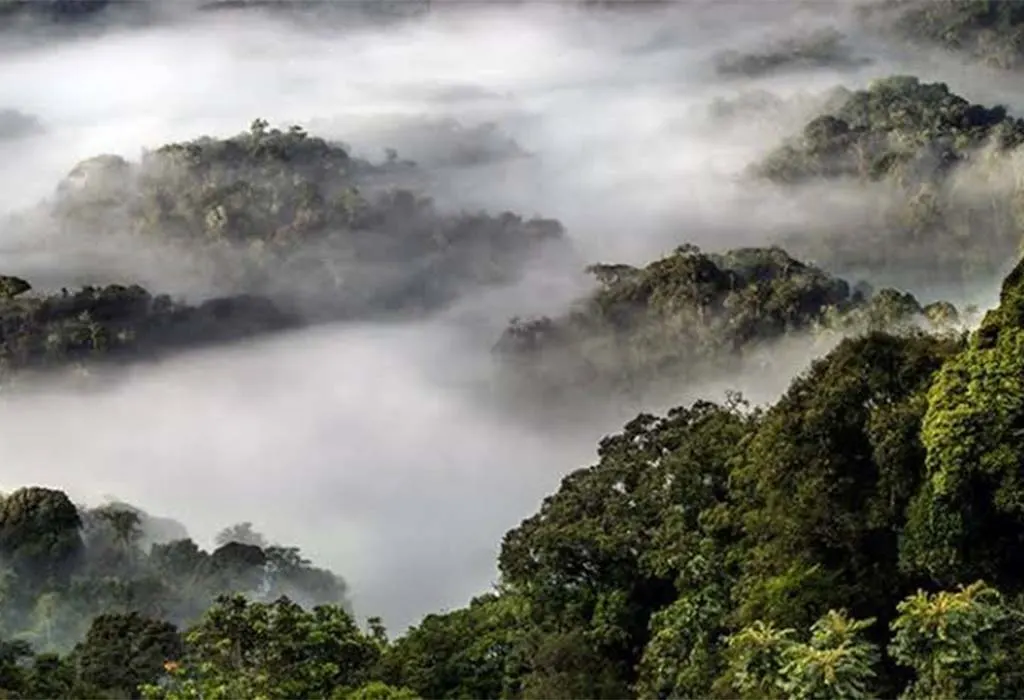
Mountain hiking in Uganda combines physical adventure with spectacular scenery, wildlife encounters, local communities, and fascinating landscapes. Depending on the destination and trail selected, visitors can explore high-altitude forests, bamboo zones, alpine vegetation, waterfalls, savannah plains, and volcanic slopes.
Although hiking can be enjoyed throughout much of the year, the generally drier periods from December to March and June to August are often more suitable for mountain climbing. However, weather conditions can change quickly in mountainous areas, so visitors should always prepare for rain and changing temperatures.
What to Carry for Mountain Hiking in Uganda
Proper preparation is important before beginning any mountain hike. Travelers should have comfortable and durable hiking shoes, long trousers, a rain jacket or cape, binoculars, a camera, warm clothing, and a small backpack for personal belongings.
Depending on the mountain and length of the hike, additional equipment may be required. For multi-day climbs, camping equipment, sleeping gear, walking sticks, sufficient drinking water, and food are essential. Local guides and supporting staff can assist visitors with navigation, camping arrangements, and other requirements.
With good preparation, hiking becomes more comfortable and allows travelers to concentrate on enjoying Uganda’s remarkable scenery.
Hiking the Rwenzori Mountains
The Rwenzori Mountains are among Uganda’s most spectacular mountain destinations. Often associated with the historic name “Mountains of the Moon,” the range rises dramatically along the border between Uganda and the Democratic Republic of Congo.
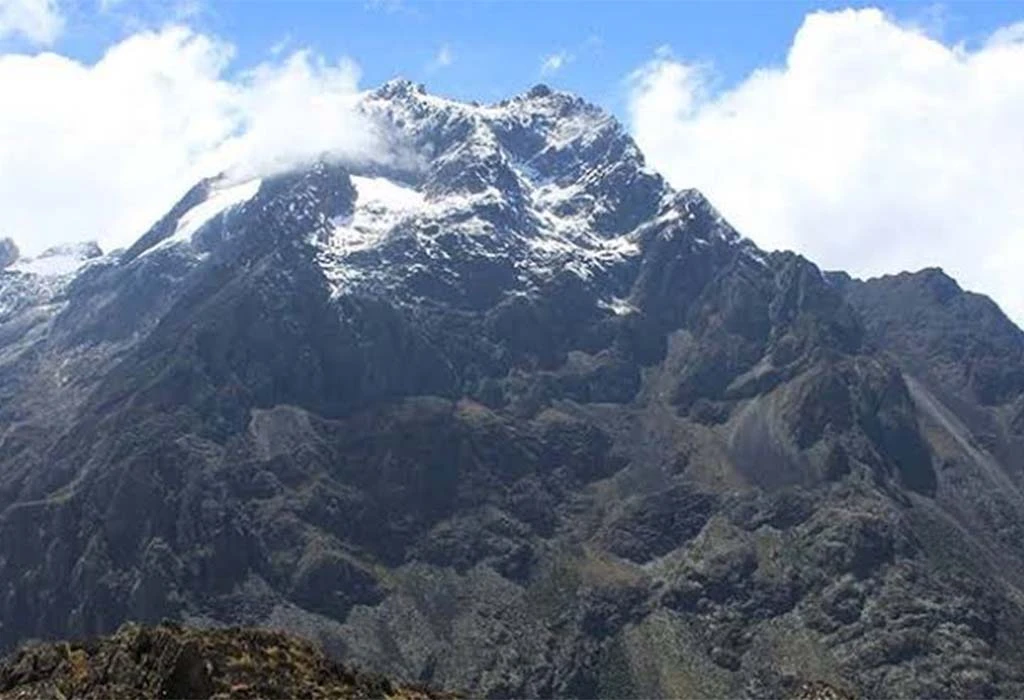
The Rwenzori Mountains National Park is located in western Uganda, approximately 400 kilometres from Kampala. The mountain range contains several high peaks, with Margherita Peak on Mount Stanley reaching about 5,109 metres above sea level.
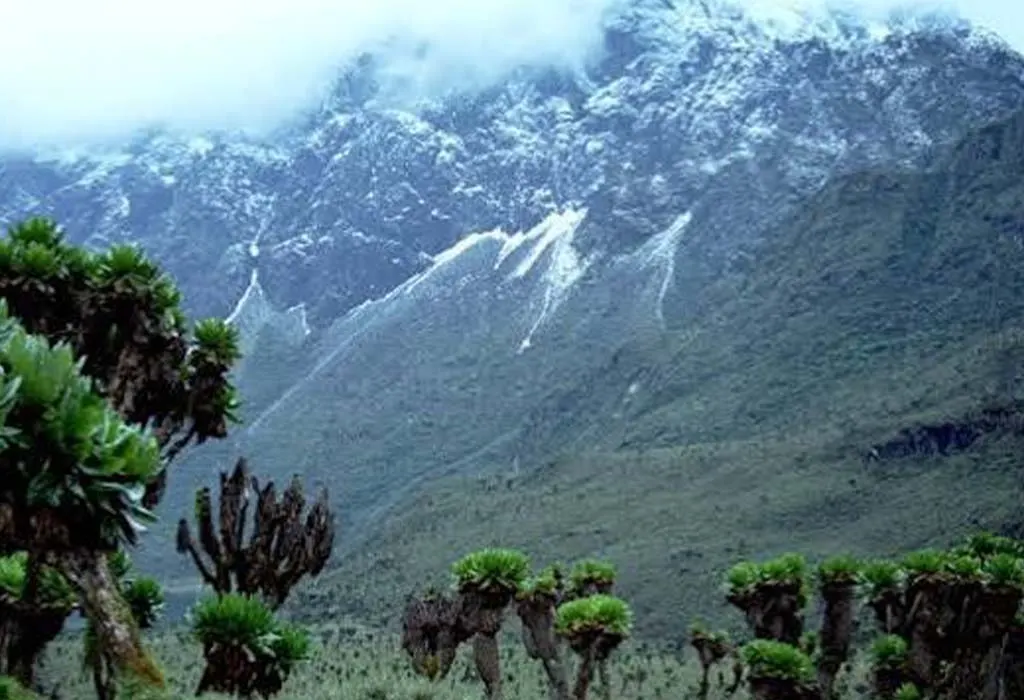
For serious mountain climbers, reaching Margherita Peak is a demanding but unforgettable experience. The climb passes through different vegetation zones, including montane forests, bamboo, heather, and high-altitude alpine landscapes. As the altitude increases, the environment becomes increasingly dramatic, with rocky slopes, glaciers, and snow-covered sections near the summit.
Two of the best-known routes are the Central Circuit Trail and the Kilembe Trail. The length of a climb depends on the route, itinerary, weather, and acclimatization requirements. Multi-day hiking allows visitors to experience the changing landscapes gradually rather than rushing toward the summit.
One of the highlights of climbing the Rwenzori Mountains is the scenery. On clear days, hikers can enjoy impressive views across western Uganda and toward the Virunga ranges in the Democratic Republic of Congo. The surrounding agricultural landscapes and distant national parks add to the beauty of the experience.
Hiking Mount Elgon
Mount Elgon provides another excellent mountain hiking experience in eastern Uganda. The extinct volcanic mountain lies on the Uganda-Kenya border, and its highest point, Wagagai Peak, rises to 4,321 metres above sea level.
Unlike the Rwenzori Mountains, Mount Elgon is particularly attractive to travelers who want challenging hikes without necessarily attempting an extremely technical high-altitude summit. The mountain has extensive forests, caves, waterfalls, cliffs, valleys, and open moorlands.
Several hiking routes lead into the Mount Elgon landscape. The Piswa Trail is a longer route that provides a moderate physical challenge, while the Sasa Trail is steeper and more demanding. The Sipi Trail is also popular and can be combined with visits to the famous Sipi Falls.
Hiking around Mount Elgon gives visitors the opportunity to experience changing landscapes while learning about the communities living around the mountain. The combination of mountain scenery, waterfalls, forests, and cultural experiences makes the area an attractive destination for adventure travelers.
Hiking the Virunga Volcanoes in Mgahinga
For travelers interested in volcanic mountain hiking, Mgahinga Gorilla National Park in southwestern Uganda offers some of the country’s most exciting experiences.
The park forms part of the larger Virunga volcanic region and protects three major volcanoes:Mount Muhabura, Mount Gahinga, and Mount Sabinyo. These mountains are shared across the borders of Uganda, Rwanda, and the Democratic Republic of Congo.
Mount Muhabura is one of the most popular hiking choices. The climb is demanding because of its steep slopes, but reaching the summit rewards hikers with magnificent views of the surrounding volcanic landscape.
Mount Gahinga offers another enjoyable hiking experience. The trail passes through montane vegetation and bamboo forests before reaching higher elevations. Meanwhile, Mount Sabinyo is known for its challenging ridge hike and spectacular views from the summit area.
Depending on weather conditions, hikers may see the Virunga volcanoes in Rwanda and the Democratic Republic of Congo, Bwindi Impenetrable National Park, Lake Edward, and other parts of southwestern Uganda.
The hikes on these volcanoes can generally be completed in a day, making Mgahinga a good option for visitors with limited time.
Hiking the Morungole Mountains in Kidepo valley.
Travelers visiting northern Uganda can also explore the Morungole Mountains near Kidepo Valley National Park. This experience is different from the high-altitude climbs of the Rwenzori and Virunga mountains because it combines hiking with a strong cultural element. 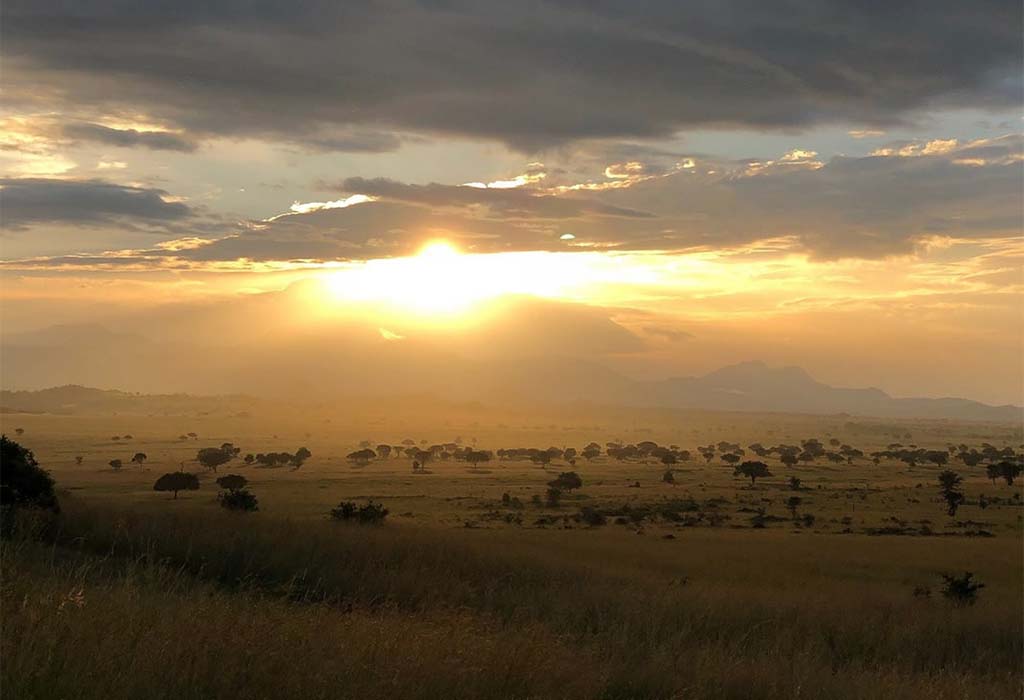 The hike takes visitors into the Morungole Mountains, where they can interact with members of the community, one of Uganda’s smaller ethnic communities. The journey provides an opportunity to learn about traditional lifestyles, local customs, and the relationship between the community and its surrounding environment.
The hike also offers impressive views over the rugged landscapes and open savannah plains surrounding Kidepo Valley National Park. Combining a mountain walk with cultural interaction makes this excursion particularly memorable.
Why Choose Mountain Hiking in Uganda?
Mountain hiking in Uganda offers more than physical exercise. Each destination provides a different experience, from glacier-covered peaks in the Rwenzori Mountains to volcanic landscapes in Mgahinga and cultural encounters around the Morungole Mountains.
The country’s diverse landscapes also mean that travelers can choose an experience that matches their fitness level, available time, and interests. Experienced climbers can take on demanding multi-day expeditions, while visitors with less time can enjoy shorter mountain hikes.
With proper planning, suitable equipment, experienced guides, and enough time for rest and acclimatization, mountain climbing in Uganda can become one of the highlights of an East African adventure.
Experiya Tour Company can help travelers plan mountain hiking experiences in Uganda according to their preferred destination, hiking duration, and level of adventure. From the dramatic Rwenzori Mountains to the volcanic peaks of Mgahinga and the cultural trails of the Morungole Mountains, Uganda offers unforgettable opportunities for travelers who want to explore the country on foot.