
Best Time to Visit Akagera National Park
Choosing the Best Time to Visit Akagera National Park can completely shape your Rwanda safari experience. Located in eastern Rwanda along the border with Tanzania, Akagera National Park offers a remarkable blend of savannah plains, rolling hills, wetlands, woodlands, and shimmering lakes. Unlike many safari destinations in East Africa, Akagera delivers rewarding wildlife encounters throughout the year. However, seasonal changes strongly influence wildlife visibility, road accessibility, scenery, and overall safari comfort.
At Experiya Tour Company, we help travelers plan journeys that match their interests, travel style, and expectations. Some visitors prioritize dramatic wildlife sightings, while others seek lush landscapes, birdwatching opportunities, photography, or quieter safari experiences. Understanding Akagera’s seasonal patterns allows travelers to choose the ideal time for their adventure and maximize every moment in the park.
Understanding Akagera National Park’s Seasons
Akagera National Park experiences two main seasons: the dry season and the wet season. Each period creates different safari conditions and unique travel experiences.
The long dry season runs from June to September, while a shorter dry period occurs from mid-December to mid-February. These months provide the most favorable conditions for game viewing and safari activities. During this time, rainfall decreases significantly, vegetation becomes thinner, and wildlife gathers around reliable water sources.
In contrast, the wet season stretches from March to May and again from October to November. Rain transforms the park into a vibrant green wilderness filled with blooming vegetation and dramatic scenery. Although wildlife can become harder to spot because of dense vegetation, the wet season rewards travelers with fewer crowds, excellent birdwatching, and breathtaking landscapes.
Therefore, the best time to visit Akagera National Park depends on the type of safari experience you want to enjoy.
Why the Dry Season Offers the Best Wildlife Viewing
Many travelers consider the dry season the best time to visit Akagera National Park because wildlife viewing becomes easier and more consistent. During these months, grasses grow shorter, bushes thin out, and animals concentrate near rivers, lakes, and permanent waterholes.
Lake Ihema, one of Akagera’s largest lakes, becomes especially active during the dry season. Large herds of buffaloes, elephants, zebras, and antelopes gather along the shores to drink water. As prey animals become more visible, predators such as lions, leopards, and hyenas also increase their movements around these areas.
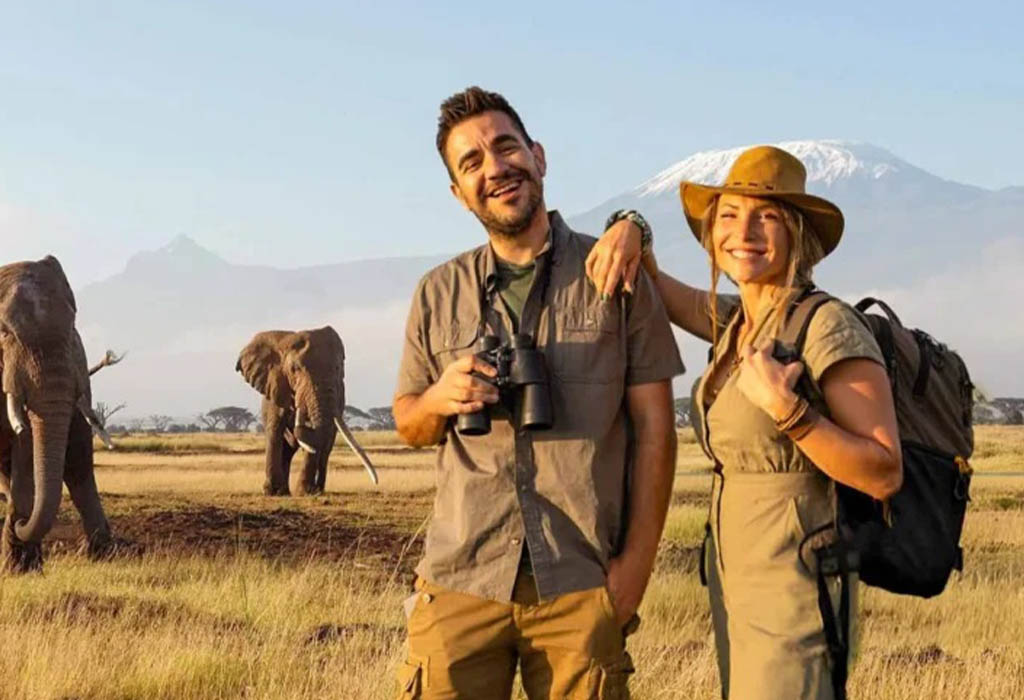
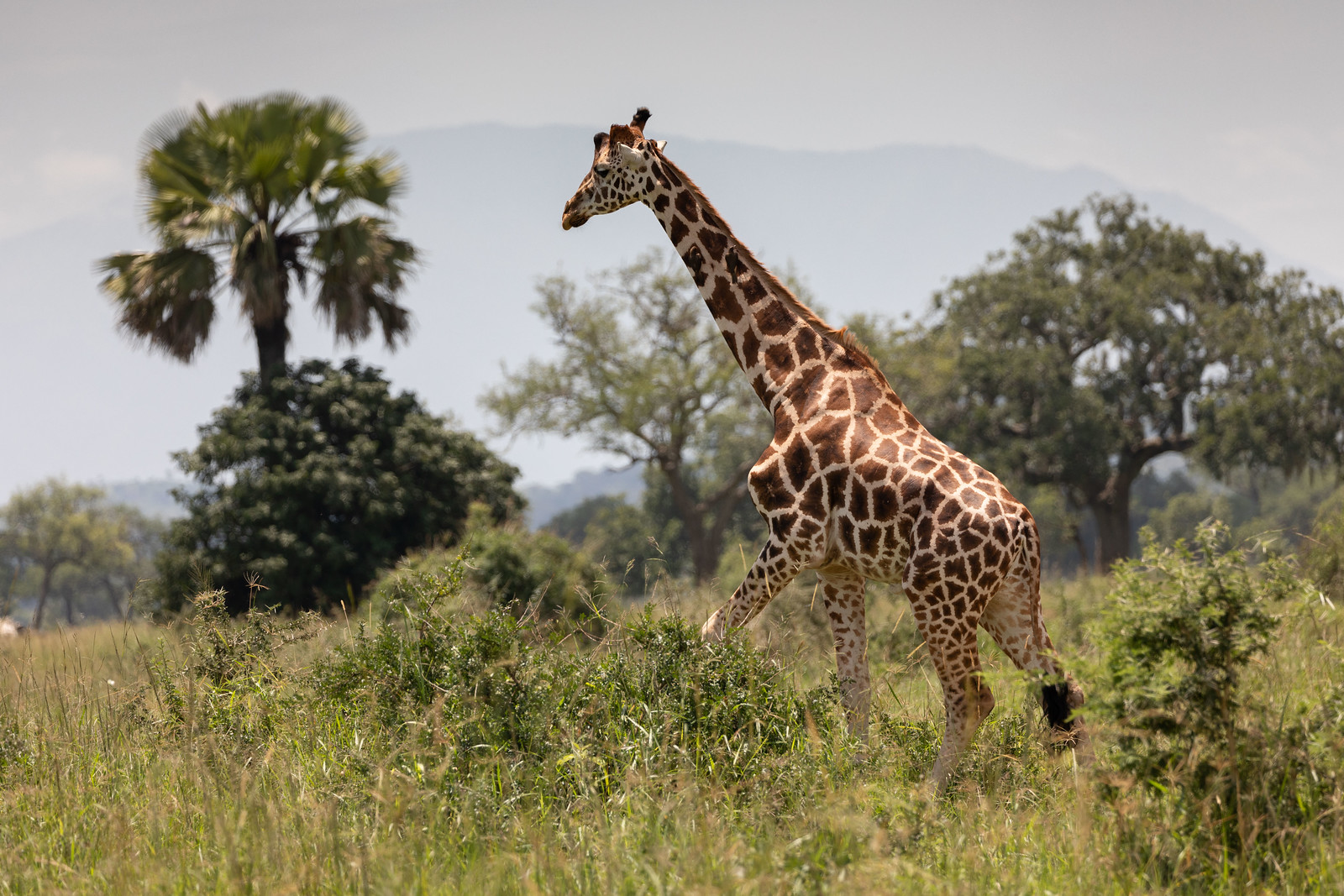
Game drives during this period often produce remarkable sightings. Visitors frequently spot lions resting in open grasslands, giraffes browsing acacia trees, and elephants crossing scenic plains. Since road conditions remain dry and accessible, guides can comfortably explore remote sectors of the park without major interruptions.
Additionally, the dry season creates perfect photography conditions. Early mornings and late afternoons produce soft golden light that enhances landscapes and wildlife images. Clear skies also improve visibility across Akagera’s rolling savannahs and wetlands.
For travelers seeking classic African safari experiences, the dry season remains the most reliable choice.
Akagera’s Remarkable Big Five Conservation Success
Beyond its wildlife diversity, Akagera National Park stands as one of Africa’s greatest conservation success stories. Over the years, conservation efforts transformed the park from a struggling ecosystem into a thriving wildlife destination.
Experiya Tour Company proudly shares this inspiring story with travelers visiting Rwanda. In the past, poaching, habitat destruction, and human-wildlife conflict caused severe declines in animal populations. However, partnerships between Rwanda Development Board and African Parks helped restore and protect the park’s ecosystems.
In 2015, conservationists successfully reintroduced lions to Akagera after years of absence. Two years later, black rhinos returned to the park, marking another major conservation milestone. Today, Akagera proudly hosts the famous Big Five, including lions, leopards, elephants, rhinos, and buffaloes.
During the dry season, travelers enjoy better chances of spotting these iconic animals because they move more predictably near water sources and open plains. Every sighting reflects years of dedication, conservation investment, and sustainable tourism practices.
As a result, visiting Akagera not only provides unforgettable safari experiences but also supports wildlife conservation and local communities.
Plains Game and Predator Encounters
Akagera’s diverse habitats support a healthy balance between herbivores and predators. Open savannahs sustain large populations of plains game, creating exciting opportunities for wildlife viewing throughout the year.
Visitors commonly encounter zebras, impalas, topis, waterbucks, elands, and giraffes roaming across the grasslands. These animals form the foundation of the ecosystem and sustain predator populations within the park.
Lions remain Akagera’s most celebrated predators. Travelers often observe prides resting beneath trees or carefully stalking prey in open areas. Leopards, although more elusive, occasionally appear along wooded trails and rocky outcrops. Meanwhile, spotted hyenas patrol territories with remarkable intelligence and social coordination.
During the dry season, wildlife movements become more concentrated and predictable, increasing the chances of dramatic predator-prey encounters. This period allows guides to track animals more effectively and deliver rewarding safari experiences.
Consequently, travelers who visit during the dry months often enjoy more active game drives and greater wildlife visibility.
Birdwatching in Akagera National Park
Akagera National Park also ranks among East Africa’s finest birdwatching destinations. The park hosts over 500 bird species, making it a paradise for both casual bird lovers and experienced birders.
The combination of wetlands, lakes, papyrus swamps, woodlands, and savannah habitats supports extraordinary bird diversity. Lake Ihema and surrounding marshes attract large populations of aquatic birds, including herons, cormorants, kingfishers, and African fish eagles.
One of Akagera’s most sought-after bird species is the rare shoebill stork. Birders from around the world visit the park hoping to catch a glimpse of this prehistoric-looking bird hidden among the papyrus swamps.
Boat safaris on Lake Ihema provide exceptional opportunities to observe waterbirds at close range. Early morning excursions often reveal hippos, crocodiles, and countless bird species in peaceful natural settings.
Although birdwatching remains rewarding year-round, the wet season attracts migratory species and increases overall bird activity. Therefore, bird enthusiasts may prefer traveling during rainy months when the park becomes especially vibrant.
The Beauty of Visiting During the Wet Season
While the dry season attracts most safari travelers, the wet season offers its own unique charm and advantages. During this period, Akagera transforms into a lush green landscape filled with fresh vegetation, colorful flowers, and dramatic skies.
Rainfall rejuvenates the ecosystem and creates stunning scenery throughout the park. Photographers especially appreciate the vibrant colors, reflections, and atmospheric lighting that accompany rainy-season safaris.
Additionally, visitor numbers decrease significantly during the wet months. Travelers enjoy quieter game drives, more personalized experiences, and greater exclusivity at lodges and camps.
However, heavy rains can occasionally affect road conditions in certain parts of the park. Some tracks may become muddy or temporarily inaccessible. Nevertheless, experienced safari guides carefully plan routes to ensure safe and enjoyable exploration.
For travelers seeking solitude, scenic beauty, and rich birdlife, the wet season can provide an incredibly rewarding safari experience.
Cultural Experiences Around Akagera National Park
A safari in Akagera extends beyond wildlife viewing. The surrounding communities offer meaningful cultural experiences that deepen visitors’ understanding of Rwanda’s heritage and traditions.
Experiya Tour Company incorporates authentic cultural interactions into many safari itineraries. Travelers can visit nearby villages, meet local artisans, and learn traditional crafts such as Imigongo art, known for its distinctive geometric patterns made from natural materials.
Cultural performances featuring music, dance, and storytelling also provide insight into Rwanda’s vibrant identity and history. Visitors often interact with pastoral communities and gain appreciation for traditional cattle culture and sustainable rural lifestyles.
These experiences create genuine connections between travelers and local communities while supporting conservation and economic development initiatives.
Combining wildlife adventures with cultural immersion makes Akagera safaris even more enriching and memorable.
Luxury Safari Accommodation in Akagera
Choosing the right accommodation greatly enhances the safari experience. For travelers seeking comfort, exclusivity, and exceptional service, Akagera offers several luxury safari lodges.
Experiya Tour Company frequently recommends Magashi Camp for travelers looking for a premium safari experience. Located within a private concession overlooking Lake Rwanyakazinga, the camp combines luxury with sustainability and conservation.
Guests enjoy elegant tented suites, personalized service, fine dining, and expertly guided game drives. The private location also allows access to wildlife-rich areas with fewer vehicles and less crowding.
During peak safari months, accommodations in Akagera can fill quickly. Therefore, early booking becomes essential, especially during the dry season from June to September.
Final Thoughts on the Best Time to Visit Akagera National Park
The best time to visit Akagera National Park ultimately depends on your travel goals, interests, and safari expectations. Travelers seeking excellent wildlife viewing, dry weather, and easy road access should consider visiting during the dry seasons from June to September and mid-December to mid-February.
On the other hand, travelers interested in lush scenery, birdwatching, photography, and quieter experiences may prefer the wet season when the park becomes beautifully green and less crowded.
Regardless of when you visit, Akagera National Park offers an inspiring combination of wildlife, conservation success, scenic beauty, and cultural richness. From thrilling Big Five encounters to peaceful boat safaris and authentic cultural experiences, every journey reveals a different side of Rwanda’s natural heritage.
Experiya Tour Company remains committed to creating unforgettable safari experiences that combine professionalism, sustainability, and personalized service. With careful planning and expert guidance, your visit to Akagera National Park can become one of the most rewarding adventures in East Africa.