
Why Uganda Is More Affordable Than Rwanda for Safari Travelers
Planning an East African safari is exciting, especially for travelers dreaming of gorilla trekking, chimpanzee encounters, and unforgettable wildlife experiences. However, one question quickly comes up during the planning process: why is Uganda significantly cheaper than Rwanda?
In 2026, Uganda continues to stand out as the more affordable destination for primate safaris and wildlife adventures. From gorilla trekking permits and accommodation to transportation and daily expenses, travelers consistently spend less in Uganda than in neighboring Rwanda. These differences are not accidental. Instead, they reflect two completely different tourism strategies, economic structures, and approaches to conservation.
For travelers working within a budget, understanding these differences can help shape smarter safari decisions. While both countries offer remarkable wildlife experiences, Uganda provides more flexibility and value for visitors who want adventure without overwhelming costs.
Gorilla Permit Prices Create the Biggest Difference
The most noticeable price gap between Uganda and Rwanda comes from gorilla trekking permits. Since gorilla trekking is often the main reason travelers visit either country, permit prices greatly influence the total safari budget.
Uganda currently charges USD 800 per person for a gorilla trekking permit in Bwindi Impenetrable National Park or Mgahinga Gorilla National Park. Rwanda, on the other hand, charges USD 1,500 per person for trekking permits in Volcanoes National Park.
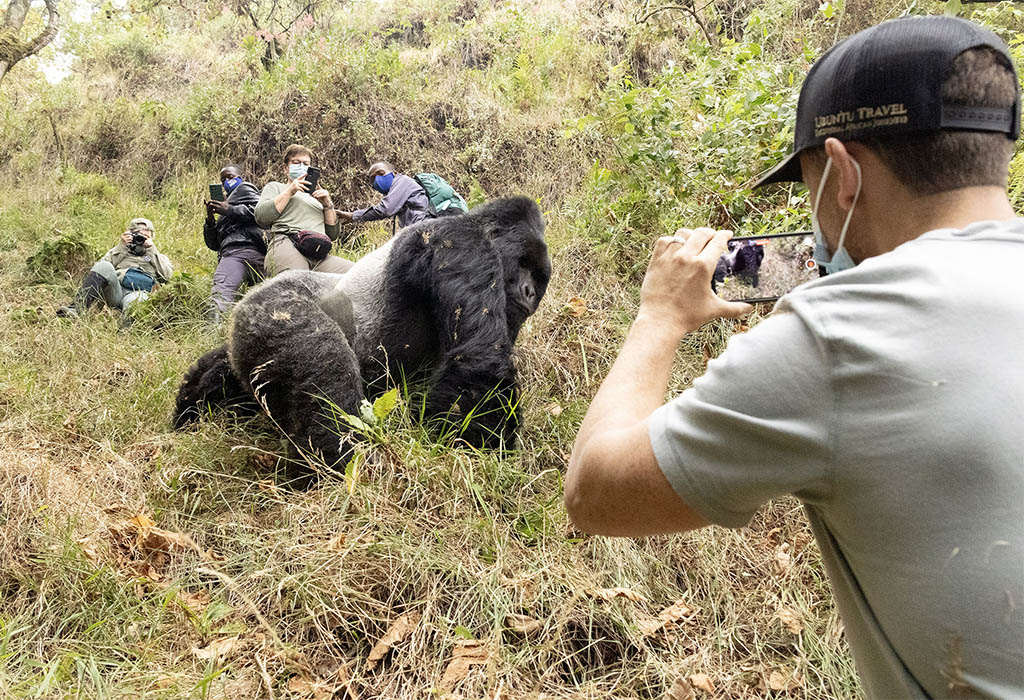 That single difference immediately changes the overall cost of a safari. For couples, Rwanda’s permits add an extra USD 1,400 compared to Uganda. Families or groups can see the difference rise into several thousands of dollars before accommodation or transportation even enters the picture.
Uganda intentionally keeps permit prices more accessible. The Uganda Wildlife Authority aims to balance conservation funding with tourism inclusivity. As a result, gorilla trekking in Uganda remains achievable for middle-class travelers, adventurous backpackers, families, and photographers looking for extraordinary wildlife encounters without luxury-level pricing.
Rwanda follows a different strategy. The country positions itself as a premium luxury destination and uses high permit prices to support low-volume tourism. By attracting fewer visitors who spend more money, Rwanda reduces environmental pressure while generating strong conservation revenue.
This approach has worked extremely well for Rwanda. The country now enjoys a global reputation for luxury gorilla tourism, exclusive lodges, and highly organized travel experiences. Nevertheless, the higher pricing naturally limits access for many travelers.
Because of this major cost difference, many visitors choose Uganda for gorilla trekking and then use the savings for additional experiences. Travelers often combine gorilla trekking with chimpanzee tracking in Kibale Forest, game drives in Queen Elizabeth National Park, or boat cruises in Murchison Falls National Park.
Uganda Offers More Affordable Accommodation Options
Accommodation represents another major reason why Uganda remains more affordable than Rwanda. Across nearly every category, Uganda provides wider choices and lower prices.
One of Uganda’s greatest advantages is its diversity of lodging options. Travelers can easily find accommodation that matches their comfort level and budget. Whether someone prefers camping, mid-range lodges, or luxury safari camps, Uganda offers flexible pricing throughout the country.
Budget travelers visiting Bwindi, Queen Elizabeth, or Murchison Falls can stay in clean and comfortable guesthouses for as little as USD 30 to USD 60 per night. Many of these properties include mosquito nets, hot showers, local meals, and welcoming hospitality. Although simple, they provide everything needed for a rewarding safari experience.
Mid-range lodges in Uganda usually cost between USD 80 and USD 150 per night. These lodges often feature private cottages, scenic views, quality restaurants, and excellent service. In many cases, Uganda’s mid-range accommodations offer standards comparable to higher-priced lodges elsewhere in East Africa.
Even Uganda’s luxury safari lodges generally remain cheaper than Rwanda’s. High-end properties in Uganda typically range from USD 200 to USD 500 per night, while Rwanda’s luxury lodges frequently exceed USD 800 or even USD 1,500 nightly near Volcanoes National Park.
Rwanda has intentionally focused on developing luxury tourism infrastructure. As a result, most lodges near the gorilla trekking areas cater to wealthy travelers seeking exclusivity and high-end comfort. While these lodges are beautiful and professionally managed, they leave very few truly affordable choices for budget-conscious visitors.
Travelers visiting Rwanda on tighter budgets often struggle to find reasonably priced accommodation close to the parks. Some stay farther away and endure longer transfers simply to reduce expenses.
Uganda’s broader accommodation market gives travelers more freedom. Instead of forcing visitors into expensive categories, Uganda allows people to customize safaris according to their financial comfort.
Daily Living Costs Stay Lower in Uganda
Beyond permits and lodges, daily travel expenses also remain lower in Uganda. Although these smaller costs may seem minor individually, they accumulate quickly during a multi-day safari.
Food, transportation, shopping, and general services usually cost less in Uganda than in Rwanda. Travelers exploring towns like Kampala, Entebbe, Fort Portal, or Kisoro can enjoy affordable local meals at roadside restaurants and cafes. Traditional dishes such as matoke, rice, beans, chapati, and groundnut sauce remain inexpensive and filling.
In Uganda, a decent meal at a local restaurant may cost between USD 3 and USD 10. Similar meals in Rwanda often cost considerably more, especially in Kigali and tourist areas near Volcanoes National Park.
Uganda’s larger agricultural economy also helps keep produce fresh and affordable. Local markets across the country provide inexpensive fruits, vegetables, snacks, and drinks, which benefits travelers trying to control spending.
Transportation costs also favor Uganda in many situations. Uganda has a large safari industry with strong competition among tour operators. This competition helps stabilize pricing for safari vehicles, driver-guides, and tour packages.
Experiya Tour Company and other local operators in Uganda can often design flexible safari packages that suit different budgets. Travelers can choose shorter tours, shared transportation, or mid-range accommodations without sacrificing wildlife experiences.
Although Rwanda has excellent roads and efficient infrastructure, transportation there generally costs more. The country’s premium tourism positioning naturally influences vehicle rentals, guide services, and overall safari rates.
Uganda’s Tourism Strategy Focuses on Accessibility
The deeper reason behind Uganda’s affordability lies in its tourism philosophy. Uganda and Rwanda have chosen very different approaches to tourism development.
Rwanda has built a luxury-focused tourism model centered around exclusivity. The country intentionally targets high-end travelers willing to pay premium prices for comfort, efficiency, and privacy. Rwanda limits visitor numbers while maximizing conservation revenue through higher spending.
This strategy supports impressive conservation achievements. Revenue from tourism helps protect mountain gorillas, improve park infrastructure, support local communities, and fund anti-poaching operations. Rwanda’s clean cities, organized systems, and efficient tourism services reflect this focused investment approach.
Uganda, however, follows a more inclusive tourism vision. Instead of targeting only luxury travelers, Uganda welcomes visitors across all income levels. The country encourages backpackers, students, photographers, researchers, families, and luxury tourists alike.
By maintaining moderate gorilla permit prices and supporting diverse accommodation development, Uganda makes wildlife tourism more accessible to a wider audience. This inclusive approach allows more travelers to experience gorilla trekking and other safari adventures without extreme financial pressure.
Uganda also benefits from greater tourism diversity. In addition to mountain gorillas, travelers can enjoy chimpanzee trekking, classic savannah safaris, birdwatching, hiking, cultural tours, and adventure activities across multiple national parks. Because prices remain lower overall, many visitors extend their trips and explore more destinations.
Choosing Between Uganda and Rwanda
Both Uganda and Rwanda deliver extraordinary wildlife experiences. Travelers can enjoy close encounters with endangered mountain gorillas, stunning scenery, welcoming communities, and unforgettable African adventures in either country.
However, Uganda clearly offers stronger value for budget-conscious travelers. Lower gorilla permit prices, affordable accommodation, cheaper daily expenses, and flexible safari options make Uganda the preferred choice for travelers seeking adventure at a reasonable cost.
Rwanda appeals more to travelers who prioritize luxury, convenience, short travel times, and exclusive experiences. Many visitors willingly pay higher prices for Rwanda’s polished tourism infrastructure and premium services.
Ultimately, the best destination depends on personal priorities, travel style, and budget. Travelers looking for affordability, diversity, and extended safari opportunities often find Uganda more rewarding financially. Meanwhile, those seeking luxury and seamless high-end experiences may prefer Rwanda despite the premium costs.
For travelers planning East African safaris in 2026, Uganda continues to stand out as the more accessible destination without compromising the magic of seeing mountain gorillas in the wild.