

Can You See Chimpanzees Year-Round in Rwanda?
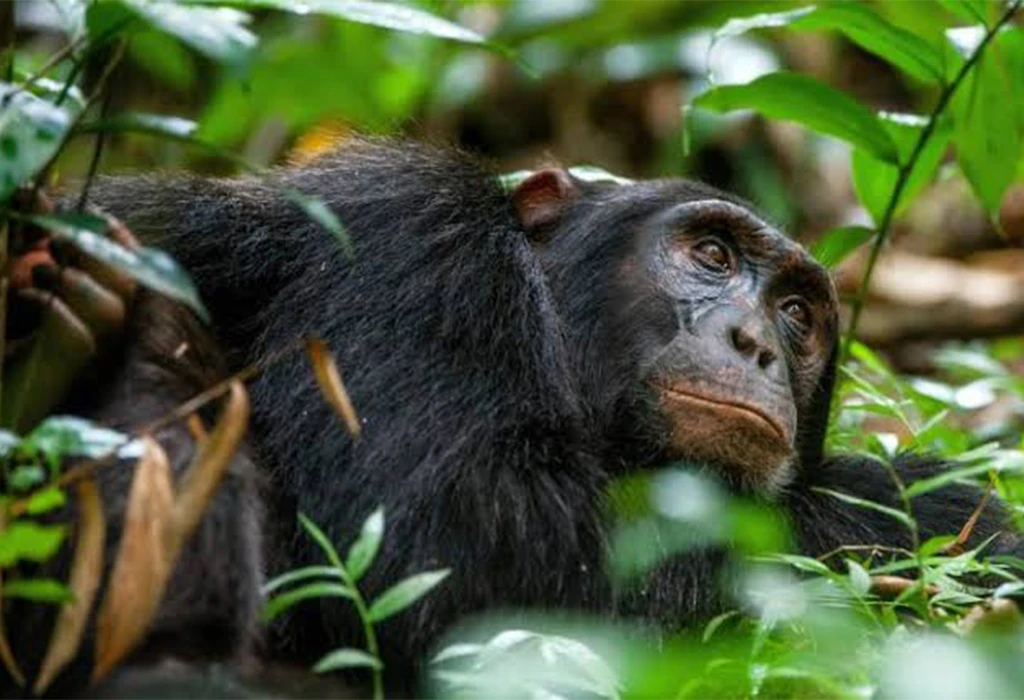
Rwanda is widely recognized for its mountain gorillas, yet the country is also home to one of Africa’s most fascinating primates—the chimpanzee. Sharing more than 98 percent of their DNA with humans, chimpanzees display behaviors and social interactions that closely resemble our own. Observing them in their natural habitat is both exciting and educational, offering visitors a deeper appreciation of the natural world.
The good news for travelers is that chimpanzee trekking is available throughout the year in Rwanda. Although chimpanzees can be seen during any season, weather conditions and forest environments vary across the year, influencing trekking experiences and wildlife viewing opportunities. Understanding these seasonal differences can help visitors choose the most suitable time for their adventure.
Where to See Chimpanzees in Rwanda
The primary destination for chimpanzee trekking in Rwanda is Nyungwe National Park. Located in the southwestern part of the country, this ancient rainforest is one of Africa’s oldest and most biologically diverse ecosystems.
Nyungwe is home to thirteen species of primates, making it one of the continent’s most important conservation areas. The park also supports hundreds of bird species, numerous mammals, and a rich variety of plant life. Within the forest are two habituated chimpanzee communities that have become accustomed to the presence of researchers and visitors.
Chimpanzees in Nyungwe live in complex social groups that may contain dozens of individuals. They spend their days moving through the forest in search of food, communicating through vocalizations, and interacting with one another. Because they remain in the forest year-round, visitors have the opportunity to track them in every season.
Chimpanzee Trekking During the Dry Season
The dry seasons, which typically occur from June to September and from December to February, are generally considered the best periods for chimpanzee trekking.
During these months, trails are usually drier and easier to navigate. The reduced rainfall makes hiking conditions more comfortable, especially on steep forest paths. In addition, chimpanzees are often easier to locate because they frequently gather around fruiting trees that provide reliable food sources.
The dry season also offers clearer views of the forest and fewer weather-related disruptions. Morning treks often begin under pleasant conditions, allowing visitors to focus on the experience rather than challenging terrain.
Because these months coincide with peak tourism periods, permits can sell out quickly. Therefore, booking in advance is highly recommended for anyone planning to visit during the dry season.
Chimpanzee Trekking During the Wet Season
The wet seasons generally occur from March to May and from October to November. While rainfall is more frequent during these periods, chimpanzee trekking remains available and rewarding.
Rain transforms the forest into a lush green landscape filled with vibrant vegetation, flowing streams, and beautiful scenery. Photographers often appreciate the dramatic colors and rich atmosphere that characterize the rainforest during this time of year.
However, trekking can be more demanding. Trails may become muddy and slippery, while chimpanzees often travel deeper into dense sections of the forest. As a result, locating them may require additional effort and patience.
Despite these challenges, the wet season offers several advantages. Visitor numbers are typically lower, creating a more intimate experience in the forest. Travelers who enjoy adventure and do not mind occasional rain often find this season particularly rewarding.
What to Expect During a Chimpanzee Trek
Chimpanzee trekking in Rwanda is an active and immersive experience. Treks usually begin early in the morning as guides and trackers search for the chimpanzee groups.
The duration of a trek varies depending on the location of the chimpanzees. Some groups may be found relatively quickly, while others require several hours of hiking through rugged terrain. Most treks last between two and six hours.
Once the chimpanzees are located, visitors are allowed one hour to observe them. This time provides a unique opportunity to witness their daily activities. Chimpanzees may be seen feeding, grooming, resting, playing, or communicating with members of their group.
Their intelligence and social behavior are often striking. Watching them interact in the wild creates a powerful connection between humans and one of our closest living relatives.
Throughout the trek, experienced guides share valuable information about chimpanzee behavior, rainforest ecology, and other wildlife encountered along the route.
Permit Availability and Booking
Chimpanzee trekking permits in Rwanda are limited because only a small number of visitors are allowed to visit the habituated groups each day. These restrictions help protect the animals and minimize disturbance within their natural habitat.
Due to the limited number of permits available daily, advance booking is strongly advised, particularly during peak travel seasons. Securing permits before arrival helps ensure availability and allows travelers to plan their itineraries with confidence.
Is Chimpanzee Trekking Worth It?
Although gorilla trekking often receives most of the attention in Rwanda, chimpanzee trekking offers an equally memorable wildlife encounter.
Chimpanzees are energetic, vocal, and highly social animals. Their behavior can be unpredictable, making each trek unique. Visitors may hear loud calls echoing through the forest, watch playful interactions among young chimpanzees, or observe adults carefully foraging for food.
 In addition to chimpanzee trekking, Nyungwe offers numerous other attractions. Visitors can enjoy forest walks, birdwatching excursions, waterfall hikes, and the famous canopy walkway suspended high above the rainforest floor. These activities make the park an outstanding destination for nature enthusiasts seeking a diverse experience.
Conservation Efforts
Rwanda has established strong conservation measures to safeguard its chimpanzee populations and forest ecosystems.
Visitor numbers are carefully controlled to reduce stress on wildlife and limit environmental impact. Revenue generated from tourism contributes to conservation programs, scientific research, park management, and community development initiatives surrounding the protected areas.
These efforts help preserve chimpanzee habitats while creating sustainable economic opportunities for local communities. As a result, tourism plays a significant role in ensuring the long-term protection of Rwanda’s remarkable biodiversity.
Rules for Chimpanzee Trekking
Visitors are required to follow strict guidelines during chimpanzee trekking activities.
Chimpanzees should never be approached aggressively, surrounded, or disturbed. Feeding wildlife is strictly prohibited, as it can alter natural behaviors and create health risks. Visitors should also avoid eating near the animals and maintain appropriate distances whenever possible.
Flash photography is not allowed because it may startle the chimpanzees. Noise levels should be kept low to avoid disrupting their natural activities. Anyone experiencing contagious illnesses should refrain from participating in trekking activities to prevent disease transmission between humans and primates.
These regulations are designed to protect both visitors and wildlife while preserving the integrity of the trekking experience.
Getting to Nyungwe National Park
Nyungwe National Park is accessible by both road and air.
Traveling by road from Kigali takes approximately five to seven hours, depending on traffic and weather conditions. The journey passes through Rwanda’s scenic countryside, characterized by rolling hills, tea plantations, and traditional villages.
For travelers seeking a faster option, domestic flights operate to nearby airports, significantly reducing travel time. Charter helicopter services are also available, providing quick and convenient access to the park.
Regardless of the mode of transport chosen, the journey itself offers spectacular views of Rwanda’s beautiful landscapes.
Final Thoughts
Chimpanzees can indeed be seen year-round in Rwanda, making the country an excellent destination for primate enthusiasts at any time of the year. While the dry seasons generally provide easier trekking conditions and improved visibility, the wet seasons offer lush scenery, fewer crowds, and a more adventurous rainforest experience.
Regardless of when you visit, chimpanzee trekking in Nyungwe National Park delivers an unforgettable encounter with one of humanity’s closest relatives. Combined with the park’s rich biodiversity, breathtaking landscapes, and strong conservation efforts, it remains one of Rwanda’s most rewarding wildlife experiences.