
interesting facts about Mount Kilimanjaro
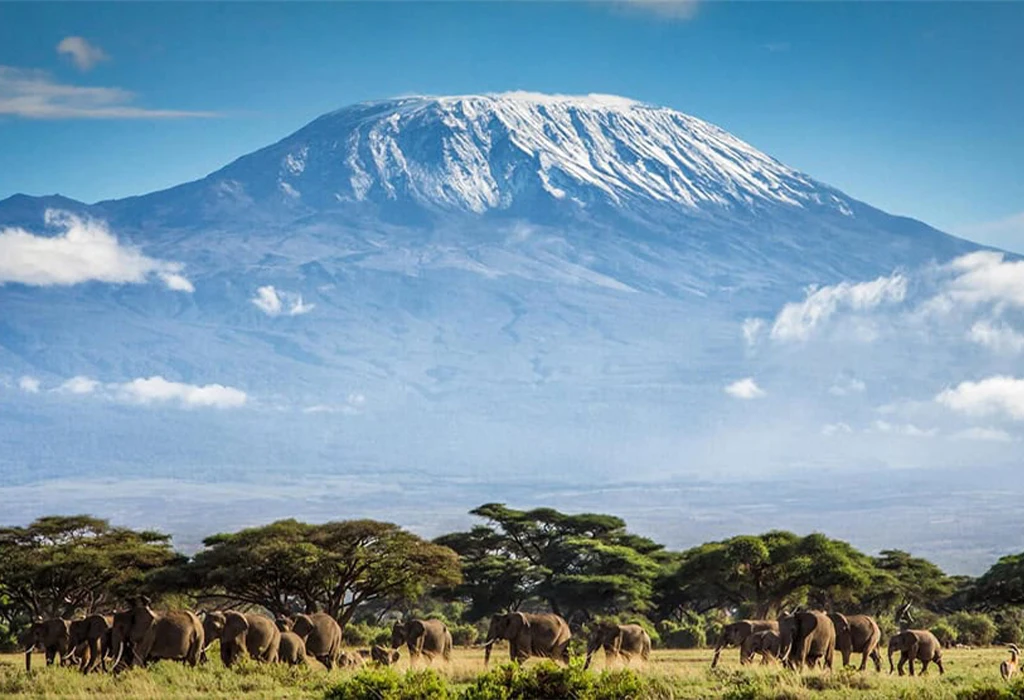
Mount Kilimanjaro is one of the most iconic natural landmarks in Africa and the highest mountain on the continent. Located in northeastern Tanzania, near the border with Kenya, this magnificent mountain rises to an elevation of 5,895 meters (19,341 feet) above sea level. Its towering presence, snow-capped summit, and diverse landscapes attract thousands of visitors from around the world every year.
Often referred to as the “Roof of Africa,” Mount Kilimanjaro is a symbol of adventure, natural beauty, and achievement. Unlike many of the world’s highest mountains, Kilimanjaro can be climbed without technical mountaineering skills, making it a popular destination for hikers and outdoor enthusiasts.
Location and Formation
Mount Kilimanjaro stands within Kilimanjaro National Park in northern Tanzania. The mountain is a massive volcanic formation consisting of three distinct cones: Kibo, Mawenzi, and Shira. Among these, Kibo is the highest and contains Uhuru Peak, the summit of Mount Kilimanjaro.
Although Kilimanjaro is classified as a dormant volcano, it remains one of the most remarkable geological features in Africa. Scientists believe that the mountain was formed over one million years ago through volcanic activity associated with the East African Rift System.
The Highest Mountain in Africa
One of the most fascinating facts about Mount Kilimanjaro is that it is the tallest mountain in Africa and the highest free-standing mountain in the world. Unlike mountain ranges that are connected to other peaks, Kilimanjaro rises independently from the surrounding plains, creating a dramatic and breathtaking landscape.
Its impressive height has made it one of the Seven Summits, a collection of the highest mountains on each continent. As a result, climbers from across the globe travel to Tanzania in pursuit of reaching its famous summit.
Unique Climate Zones
Another remarkable feature of Mount Kilimanjaro is its diverse ecological system. Climbers experience several distinct climate zones during their ascent, each offering unique scenery and vegetation.
The lower slopes are characterized by fertile farmland where local communities cultivate crops such as coffee, bananas, and maize. As visitors climb higher, they enter dense rainforests filled with wildlife and colorful bird species. Beyond the forest lies a heath and moorland zone dominated by shrubs and giant groundsels.
Higher elevations reveal an alpine desert environment, where temperatures fluctuate dramatically between day and night. Finally, climbers reach the arctic summit zone, a cold and barren landscape covered by glaciers and seasonal snow.
The Famous Glaciers
Despite being located near the equator, Mount Kilimanjaro is renowned for its glaciers and snow-covered summit. These ice formations have captivated explorers and scientists for centuries. However, climate change has significantly reduced the size of Kilimanjaro’s glaciers over the past century.
Researchers continue to monitor these glaciers, as they provide valuable information about environmental changes occurring across the globe. Many experts believe that if current warming trends continue, much of the remaining ice could disappear within the coming decades.
Popular Climbing Routes
Mount Kilimanjaro offers several routes to the summit, each providing a unique experience. The Marangu Route is known for its hut accommodations and gradual ascent, making it a popular choice among first-time climbers.
The Machame Route is often preferred by adventurous trekkers because of its scenic landscapes and higher success rates. Meanwhile, the Lemosho Route offers spectacular views, excellent acclimatization opportunities, and a quieter trekking experience.
Other routes, including Rongai and the Northern Circuit, provide alternative paths that showcase different aspects of the mountain’s beauty. Depending on the route selected, climbers typically spend between five and nine days reaching the summit.
Wildlife Around the Mountain
The lower regions of Mount Kilimanjaro support a rich variety of wildlife. The rainforest zone is home to blue monkeys, colobus monkeys, bushbucks, and numerous bird species. Although large mammals are not commonly seen during climbs, the surrounding national park protects diverse ecosystems that contribute to the area’s ecological significance.
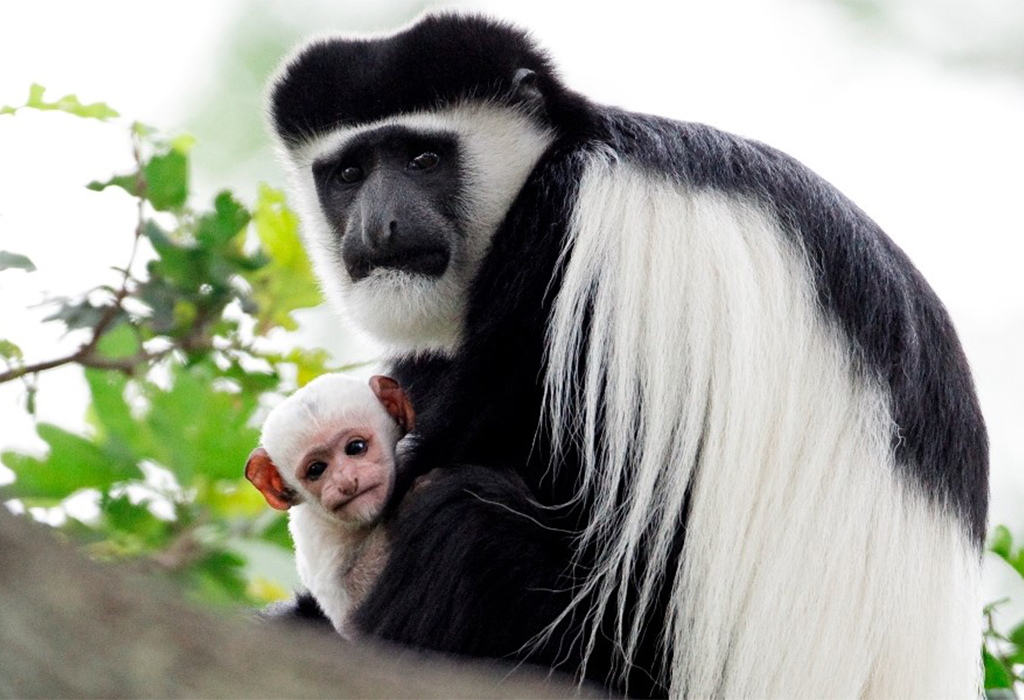 Birdwatchers are particularly drawn to the mountain because of the abundance of colorful and endemic species found within its forests and grasslands.
Cultural Significance
Mount Kilimanjaro holds great cultural importance for local communities, particularly the Chagga people who live on its fertile slopes. For generations, these communities have relied on the mountain’s rich volcanic soils and freshwater resources for agriculture and daily life.
The mountain is deeply woven into local traditions, folklore, and cultural identity. Visitors often have opportunities to learn about the customs, history, and heritage of the people who call the region home.
Best Time to Visit
The best time to visit Mount Kilimanjaro is during the dry seasons, which generally occur from January to March and from June to October. During these months, weather conditions are more favorable for trekking, and climbers can enjoy clearer views of the surrounding landscapes.
However, weather conditions can change rapidly at high altitudes. Therefore, proper preparation, suitable clothing, and adequate acclimatization are essential for a successful climb.
Conclusion
Mount Kilimanjaro remains one of Africa’s most extraordinary natural wonders. Its impressive height, diverse ecosystems, stunning landscapes, and cultural significance make it a destination unlike any other. Whether admired from the plains below or experienced through a challenging trek to the summit, Mount Kilimanjaro continues to inspire adventurers, nature lovers, and explorers from around the world. Standing proudly above the African landscape, it remains a powerful symbol of beauty, resilience, and discovery.