
Is Gorilla Trekking Safe in Uganda and Rwanda?
Gorilla trekking in Uganda and Rwanda is one of the safest wildlife adventures in Africa. Every year, thousands of travelers visit these two remarkable destinations to observe endangered mountain gorillas in their natural habitat without experiencing safety concerns. Both countries have invested heavily in wildlife conservation, tourism security, professional park management, and visitor safety, making gorilla trekking a well-organized and highly regulated activity.
Whether you choose Uganda’s lush rainforests or Rwanda’s volcanic landscapes, your experience is carefully managed by experienced ranger guides and conservation authorities. Strict trekking rules, continuous gorilla monitoring, limited visitor numbers, and strong security measures ensure that both tourists and gorillas remain safe throughout the adventure.
Gorilla Trekking Destinations in Uganda and Rwanda
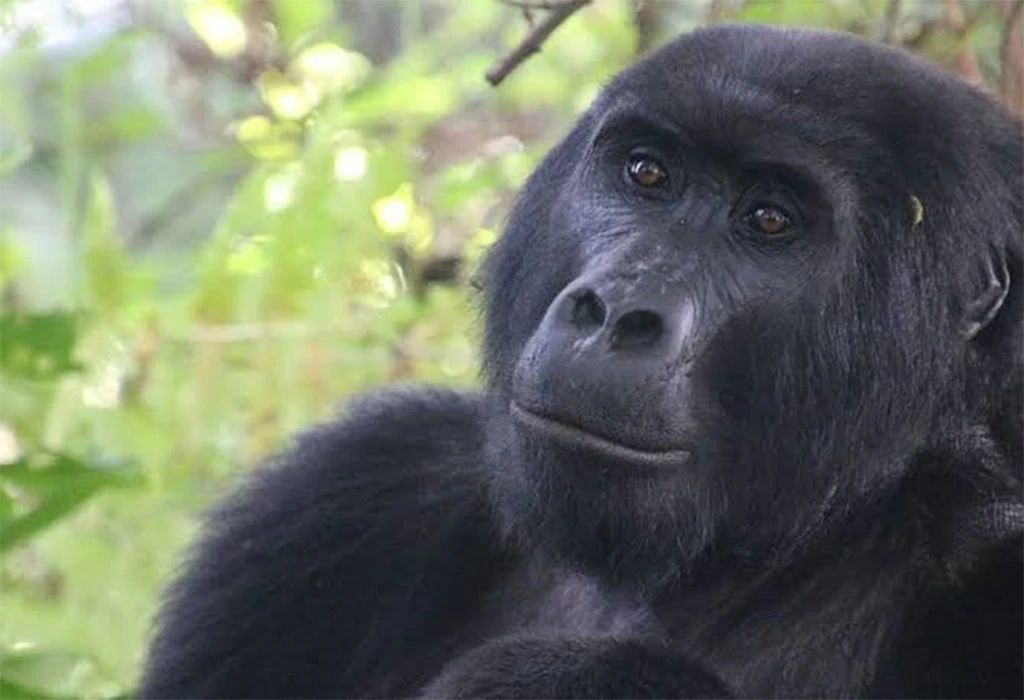
Uganda offers gorilla trekking in Bwindi Impenetrable National Park and Mgahinga Gorilla National Park, both located in the country’s beautiful southwestern region. Bwindi Impenetrable National Park is home to nearly half of the world’s remaining mountain gorillas and has the highest number of habituated gorilla families available for tourism.
In Rwanda, gorilla trekking takes place in Volcanoes National Park, situated in the northwestern part of the country. Covering approximately 160 square kilometers, the park features breathtaking volcanic landscapes dominated by the Virunga Mountains. These include Mount Karisimbi, Mount Bisoke, Mount Muhabura, Mount Sabyinyo, and Mount Gahinga.
Volcanoes National Park is home to several habituated gorilla families, including the famous Amahoro, Hirwa, Sabyinyo, and Kwitonda groups, providing unforgettable wildlife encounters in one of Africa’s most scenic national parks.
Strict Regulations Keep Gorilla Trekking Safe
One of the main reasons gorilla trekking remains safe is the strict regulations enforced by wildlife authorities in both countries. Every aspect of the experience follows carefully designed conservation guidelines that protect both visitors and mountain gorillas.
In Uganda, gorilla tourism is managed by the Uganda Wildlife Authority (UWA), while Rwanda’s gorilla tourism is supervised by the Rwanda Development Board (RDB). These organizations license tour operators, train park staff, maintain trekking trails, and ensure every visitor follows established rules.
Only registered tour companies are allowed to organize gorilla safaris, reducing the possibility of fraudulent operators. Before every trek, visitors attend a mandatory briefing where rangers explain safety procedures, gorilla behavior, and conservation guidelines.
These regulations create a controlled environment that minimizes risks while providing an enjoyable wildlife experience.
Political Stability Supports Safe Tourism
Uganda and Rwanda have maintained stable tourism sectors for many years. Their governments recognize wildlife tourism as an important contributor to their economies and continue investing in visitor safety.
National parks receive protection from specialized tourism police, wildlife rangers, and other security agencies. Regular patrols safeguard both visitors and wildlife, ensuring trekking activities proceed without interruption.
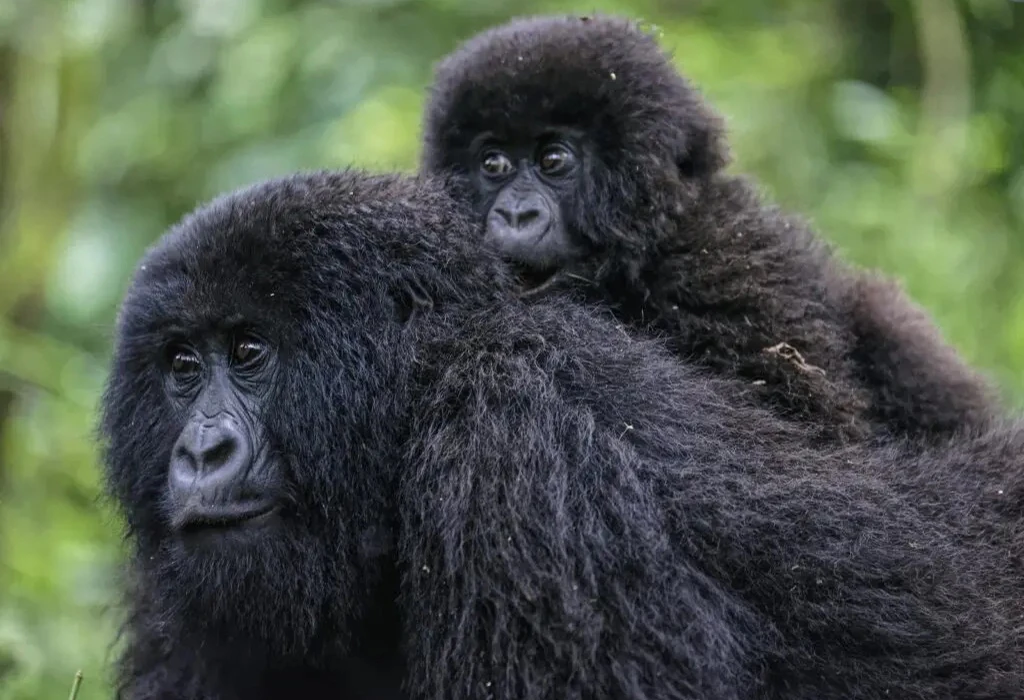
Mountain gorillas naturally move across the Virunga Conservation Area, crossing the borders between Uganda, Rwanda, and the Democratic Republic of Congo without recognizing political boundaries. Conservation authorities from neighboring countries cooperate closely to protect these endangered primates and monitor their movements.
This regional collaboration has strengthened conservation efforts while improving the overall safety of gorilla tourism.
Easy Access to Gorilla Trekking Parks
Traveling to gorilla trekking destinations has become much easier over the past decade. Significant improvements in road infrastructure have reduced travel times and enhanced visitor comfort.
From Kampala or Entebbe, travelers can drive to Bwindi or Mgahinga through well-maintained highways before connecting to park access roads. Domestic scheduled flights also operate daily from Entebbe International Airport or Kajjansi Airfield to Kihihi and Kisoro airstrips, making travel quicker for visitors with limited time.
In Rwanda, Volcanoes National Park lies only about two to three hours from Kigali International Airport. This short travel distance allows many visitors to enjoy gorilla trekking even during a brief stay in the country.
The improved transport network contributes significantly to the overall safety and convenience of gorilla safaris.
Professional Ranger Guides Ensure Visitor Safety
Every gorilla trekking expedition is led by highly trained ranger guides with extensive knowledge of mountain gorilla behavior and forest navigation.
Before visitors enter the forest, trackers locate the assigned gorilla families early in the morning. They communicate the gorillas’ exact location and current behavior to the guiding team, allowing visitors to follow the safest and most efficient route.
Throughout the trek, rangers explain the social structure of each gorilla family, individual personalities, and conservation history, making the experience educational as well as exciting.
Most importantly, the guides know exactly how to respond to changing situations in the forest, ensuring visitors remain calm and safe during close encounters with gorillas.
Conservation Organizations Strengthen Gorilla Protection
Several international and local conservation organizations work alongside government agencies to protect mountain gorillas.
Research institutions continuously monitor gorilla health, population growth, habitat conditions, and behavioral changes. Veterinary teams provide medical treatment whenever injured or sick gorillas require assistance.
Long-term conservation programs have helped mountain gorilla populations steadily recover, making them one of the world’s greatest wildlife conservation success stories.
Organizations supporting these efforts include Gorilla Doctors, the Dian Fossey Gorilla Fund, UNESCO, and many regional conservation partners.
Their ongoing research improves both gorilla welfare and visitor experiences by ensuring healthy, well-monitored gorilla families remain available for responsible tourism.
Limited Visitor Numbers Improve Safety
A key safety measure is the strict limitation on the number of trekkers allowed to visit each gorilla family.
Only eight visitors may track a single habituated gorilla family each day. This limit reduces stress on the gorillas while allowing guides to manage each group effectively.
Smaller trekking groups also make it easier for rangers to monitor every visitor throughout the hike, reducing the risk of anyone becoming separated in the dense rainforest.
Visitors spend a maximum of one hour observing the gorillas after locating them. This carefully controlled viewing period minimizes disturbance while providing ample opportunities for photography and unforgettable wildlife encounters.
Well-Managed National Parks
Uganda and Rwanda maintain exceptionally high standards in managing their gorilla parks.
The Uganda Wildlife Authority oversees conservation activities in Bwindi Impenetrable National Park and Mgahinga Gorilla National Park. Similarly, the Rwanda Development Board manages Volcanoes National Park.
These authorities continually improve park infrastructure by maintaining trekking trails, training ranger guides, conducting wildlife censuses, and supporting conservation education.
Their commitment to sustainable tourism ensures that visitors receive excellent service while protecting one of the world’s most endangered primate species.
Health and Safety Guidelines
Visitors also play an important role in maintaining a safe gorilla trekking experience. Before entering the forest, everyone receives detailed instructions designed to protect both humans and gorillas.
Trekkers are expected to maintain a safe viewing distance, avoid sudden movements, speak quietly, and follow ranger instructions at all times. Anyone showing symptoms of contagious illness may not be permitted to trek because mountain gorillas are highly susceptible to many human diseases.
Following these simple guidelines helps preserve gorilla health while ensuring an enjoyable experience for every visitor.
Is Gorilla Trekking Worth It?
Without question, gorilla trekking is one of Africa’s most rewarding wildlife experiences. Standing only a few meters away from a family of wild mountain gorillas creates memories that last a lifetime.
The combination of experienced guides, strong conservation efforts, professional park management, excellent security, and strict visitor regulations makes gorilla trekking in Uganda and Rwanda both safe and unforgettable.
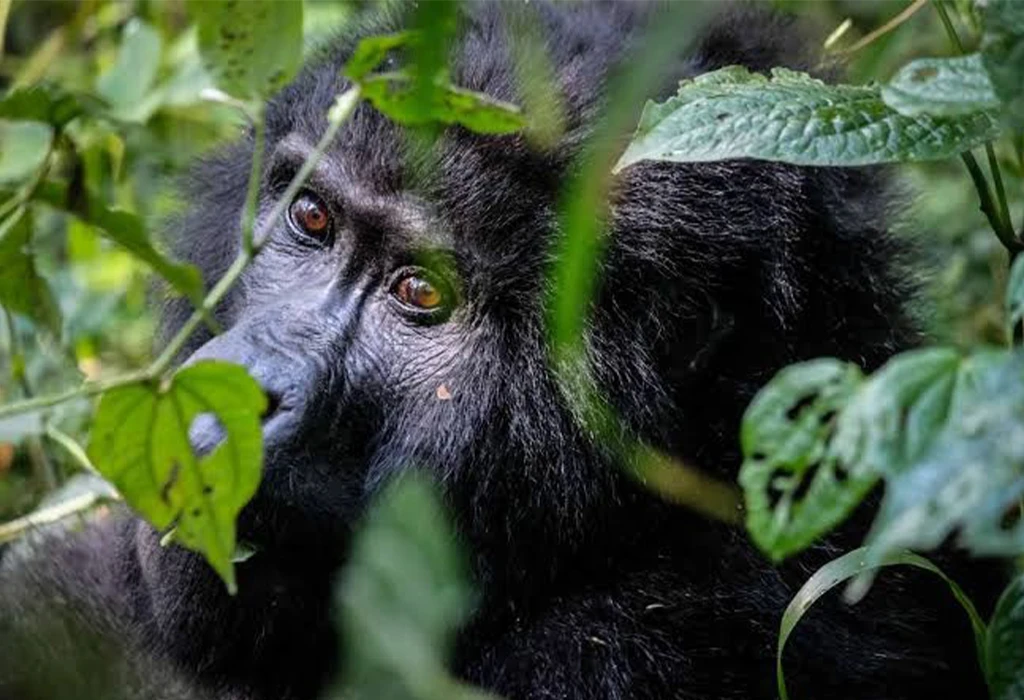 Whether you choose the ancient forests of Bwindi, the scenic slopes of Mgahinga, or the volcanic landscapes of Volcanoes National Park, you can travel with confidence knowing that every aspect of your journey has been carefully designed to protect both visitors and these magnificent endangered primates.
Why Book Your Gorilla Trek with Experiya Tour Company?
Experiya Tour Company specializes in creating memorable gorilla trekking safaris across Uganda and Rwanda while also offering exceptional wildlife experiences in Kenya and Tanzania. Our experienced travel consultants provide accurate information, personalized itineraries, and professional support from the moment you inquire until your safari is complete.
Whether you dream of trekking mountain gorillas in Bwindi Impenetrable National Park, Mgahinga Gorilla National Park, or Volcanoes National Park, Experiya Tour Company will help you plan a seamless and unforgettable African adventure tailored to your interests and travel schedule.