How Long Can You Stay with the Golden Monkeys in Mgahinga Gorilla National Park?

How Long Can You Stay with the Golden Monkeys in Mgahinga Gorilla National Park?
Golden monkey trekking is one of the most exciting wildlife experiences in Uganda, offering visitors a rare opportunity to observe one of Africa’s most colorful and endangered primates in its natural habitat. This memorable adventure takes place in Mgahinga Gorilla National Park, Uganda’s smallest national park, located within the breathtaking Virunga Mountain Range that stretches across Uganda, Rwanda, and the Democratic Republic of Congo.
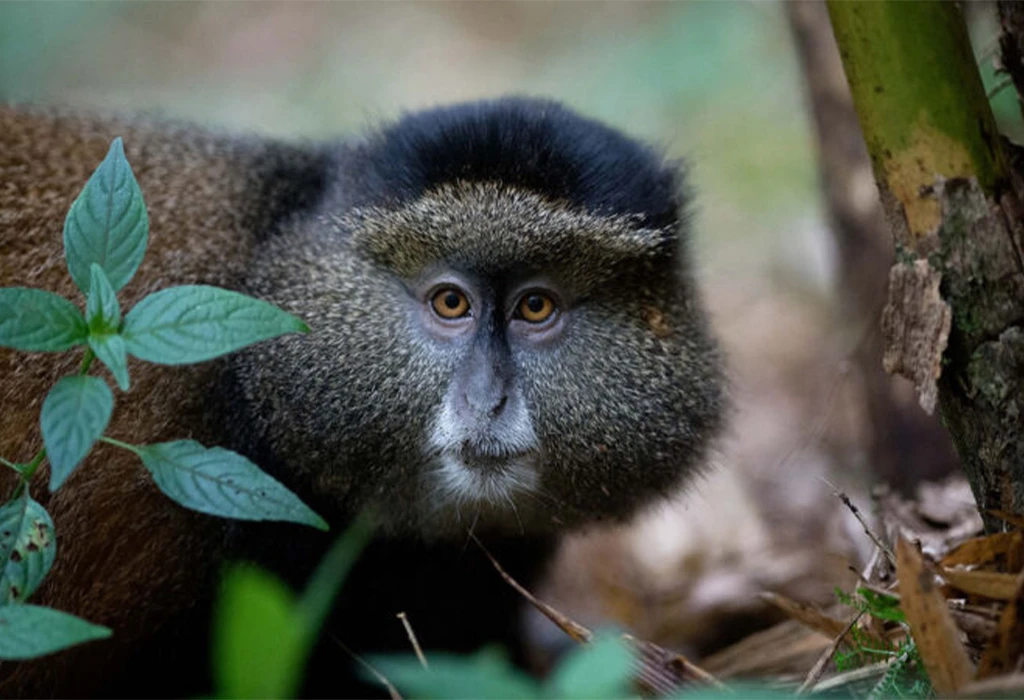
During a golden monkey trekking safari, visitors hike through the bamboo forests in search of a habituated golden monkey family. Once the monkeys are found, visitors are allowed to spend one unforgettable hour observing them as they feed, groom, play, and interact in their natural environment. Although the viewing time is limited, the experience leaves lasting memories and offers remarkable opportunities for photography and wildlife observation.
How Long Do You Stay with the Golden Monkeys?
The official viewing time with the golden monkeys is strictly limited to one hour after locating the habituated troop. This regulation helps protect the monkeys from excessive human disturbance while preserving their natural behavior and habitat. The one-hour limit also minimizes the risk of transmitting diseases between humans and wildlife.
Before reaching the monkeys, visitors usually spend between 30 minutes and three hours trekking through the forest. The duration depends on the location of the troop, as golden monkeys frequently move through the bamboo forests searching for fresh shoots, fruits, and leaves.
Once you arrive, your guide will position the group at a comfortable viewing distance, allowing everyone to quietly watch the monkeys without interfering with their daily activities. During this hour, you can take photographs without flash, observe family interactions, and learn fascinating facts about their behavior from experienced park guides.
About Mgahinga Gorilla National Park
Mgahinga Gorilla National Park covers approximately 33.7 square kilometers and is renowned for its exceptional biodiversity. Although it is Uganda’s smallest national park, it protects a remarkable variety of habitats, including bamboo forests, montane forests, heathlands, and alpine vegetation.
The park is best known for mountain gorilla trekking and golden monkey trekking, making it one of the few places in the world where visitors can experience both endangered primates during the same safari.
 Besides golden monkeys and mountain gorillas, the park is home to black-and-white colobus monkeys, bushbucks, buffaloes, duikers, giant forest hogs, bush pigs, and numerous other wildlife species. Elephants occasionally move through the park from neighboring forests, although they are not permanent residents.
Bird enthusiasts are equally rewarded, with more than 180 recorded bird species, including the Rwenzori Turaco, Olive Pigeon, Grey-capped Warbler, Black-and-white-casqued Hornbill, various sunbirds, waxbills, and many other Albertine Rift endemics.
What to Expect During Golden Monkey Trekking
Your adventure begins early in the morning at the park headquarters, where Uganda Wildlife Authority rangers conduct a comprehensive briefing. During the briefing, visitors learn about trekking procedures, conservation efforts, safety measures, and responsible wildlife viewing practices.
After registration, experienced ranger guides lead visitors into the bamboo forest. Unlike mountain gorillas, golden monkeys are smaller and more active, making them slightly more challenging to locate. Rangers often follow fresh bamboo feeding signs and recent movements to find the troop.
The trek itself is generally less strenuous than gorilla trekking, although participants should still have a moderate level of fitness because the terrain can be steep and uneven in some areas.
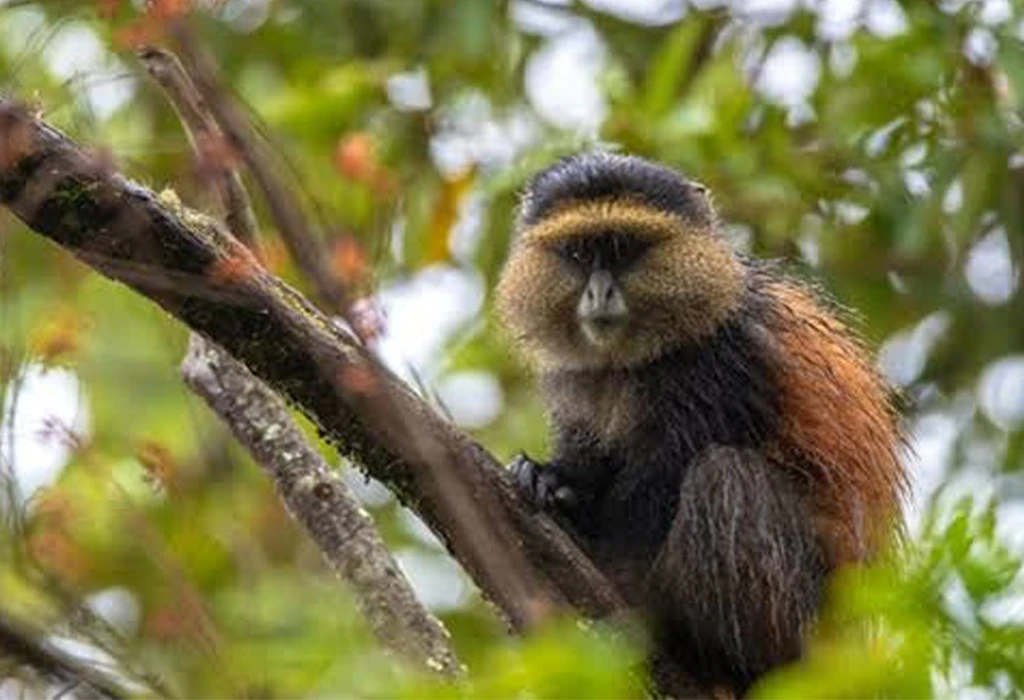
Once the monkeys are located, visitors enjoy a full hour observing their lively behavior. Golden monkeys are highly energetic and spend much of their time jumping between bamboo stems, feeding on shoots, grooming one another, and caring for their young. Their bright golden-orange fur against the green bamboo forest creates spectacular photographic opportunities.
Golden Monkey Trekking Permit Costs
A golden monkey trekking permit is mandatory for every visitor. The permit allows one guided trek and one hour with a habituated golden monkey family.
Currently, permit fees are USD 60 for foreign non-residents, USD 50 for foreign residents, and UGX 50,000 for East African citizens. The permit includes park entrance for the activity, professional ranger guiding services, and the one-hour viewing experience.
Because permits are limited each day, early booking is highly recommended, especially during the peak tourist seasons.
What Should You Carry?
Preparing properly will make your trekking experience more comfortable. Waterproof hiking boots provide good grip on muddy forest trails, while long trousers and long-sleeved shirts help protect against insects and thorny vegetation. A lightweight waterproof rain jacket is essential because mountain weather changes quickly.
A comfortable backpack is useful for carrying drinking water, energy snacks, insect repellent, sunscreen, a reusable water bottle, and a camera with extra batteries. A walking stick, often provided at the park, offers additional support on steep sections of the trail. Carrying a small first-aid kit and hand sanitizer can also be helpful during your safari.
Best Time for Golden Monkey Trekking
Golden monkey trekking is available throughout the year. However, the dry seasons from June to September and December to February provide the best trekking conditions. During these months, trails are generally drier, vegetation is less dense, and hiking becomes easier. Clear weather also improves photography and wildlife viewing.
The rainy seasons, which occur from March to May and October to November, also offer rewarding experiences. Although trails become muddy and slippery, the forest is exceptionally green and scenic. Fewer visitors travel during these months, creating a quieter and more personal wildlife experience. In many cases, golden monkeys remain at lower elevations where food is abundant, making them easier to locate.
Other Activities in Mgahinga Gorilla National Park
Beyond golden monkey trekking, Mgahinga Gorilla National Park offers several rewarding experiences. Mountain gorilla trekking remains the park’s flagship activity, allowing visitors to encounter the famous Nyakagezi Gorilla Family. Although Bwindi Impenetrable National Park hosts more gorilla families, Mgahinga provides a quieter and equally memorable trekking experience.
Mountain climbing is another popular adventure. Visitors can hike Mount Muhabura, Mount Gahinga, or Mount Sabinyo, each offering spectacular views of the Virunga Mountains and neighboring countries.
The Batwa Cultural Trail introduces visitors to the indigenous Batwa community, who once lived in the forest before the park was established. Visitors learn about traditional hunting methods, medicinal plants, cave shelters, storytelling, music, and dance while gaining insight into the Batwa’s unique cultural heritage.
Nature walks offer opportunities to encounter monkeys, forest birds, bushbucks, giant forest hogs, and other wildlife while exploring the beautiful montane forest ecosystems. Birdwatchers can also enjoy excellent sightings of numerous Albertine Rift endemic species throughout the park.
Golden Monkey Trekking Rules
To protect both visitors and wildlife, several important rules must be followed during the trek. Visitors must maintain a respectful distance from the monkeys, avoid making loud noises, and never attempt to feed or touch the animals. Flash photography is prohibited because it may disturb the monkeys.
Only one hour is permitted with the habituated golden monkey family after it has been located. Participants must be at least 15 years old, and everyone should follow the instructions of the ranger guide throughout the experience. Littering is strictly prohibited, helping preserve the pristine environment for future generations.
Where to Stay
Visitors to Mgahinga Gorilla National Park can choose from a wide variety of accommodation options ranging from luxury lodges to comfortable mid-range hotels and budget-friendly guesthouses. Most accommodations are located around Kisoro and the park entrance, providing convenient access to early morning trekking activities. Whether you prefer luxury comfort or affordable lodging, there are suitable choices for every travel budget.
How to Get to Mgahinga Gorilla National Park
Mgahinga Gorilla National Park is located in southwestern Uganda near the borders of Rwanda and the Democratic Republic of Congo. By road, the journey from Kampala takes approximately nine to ten hours through Masaka, Mbarara, Kabale, and Kisoro. Travelers arriving from Kigali, Rwanda, can reach the park in about four hours via either the Cyanika or Katuna border crossings.
For those preferring air travel, scheduled domestic flights operate from Entebbe International Airport or Kajjansi Airfield to Kisoro Airstrip. From there, the park is only a short drive away by road.
A visit to Mgahinga Gorilla National Park combines spectacular mountain scenery, unique wildlife encounters, rich cultural experiences, and unforgettable adventures. Whether you are trekking golden monkeys, tracking mountain gorillas, climbing volcanic peaks, or exploring the Batwa Cultural Trail, the park offers one of Uganda’s most rewarding safari experiences.