


Uganda ranks among Africa’s greatest birding destinations, with more than 1,000 recorded bird species spread across its forests, wetlands, savannahs, and mountain ranges. Among all these remarkable habitats, Kidepo Valley National Park stands out as one of the country’s most rewarding birdwatching locations. Located in the remote northeastern corner of Uganda, this spectacular wilderness protects over 475 bird species within a landscape of sweeping grasslands, rugged hills, seasonal rivers, and acacia woodland.
For travelers planning a Uganda safari with Experiya Tour Company, Kidepo offers a birding experience that feels wild, authentic, and wonderfully untouched. Unlike heavily visited parks where wildlife often grows accustomed to crowds, Kidepo remains quiet and remote. As a result, birdwatchers enjoy peaceful encounters with rare species in their natural environment.
The park’s incredible diversity, combined with its dramatic scenery and low tourist numbers, makes Kidepo Valley National Park one of East Africa’s finest destinations for both dedicated birders and casual nature enthusiasts.
Why Kidepo Valley Is a Top Birding Destination
Several factors combine to make Kidepo Valley National Park exceptional for birdwatching. First, the park lies within Uganda’s semi-arid Karamoja region, where two major ecological zones meet. To the south and east, the East African savannah biome dominates the landscape, while the northern areas show influences from the dry Sudano-Guinean ecosystems of the Greater Horn of Africa.
Because of this unique geographical position, Kidepo hosts bird species rarely found elsewhere in Uganda. The park’s varied habitats also support different bird communities, allowing visitors to encounter an extraordinary range of species within a relatively small area.
Open savannah plains provide ideal conditions for ground birds and raptors, while acacia woodlands shelter hornbills, barbets, and rollers. Seasonal wetlands attract waterbirds, and the rocky slopes of Mount Morungole support cliff-dwelling and montane species. Consequently, every part of the park offers a distinct birdwatching experience.
In addition, Kidepo’s remoteness significantly enhances wildlife viewing. The absence of mass tourism allows birds to behave naturally, often giving photographers and birders unusually close and uninterrupted sightings. Early morning drives through the Narus Valley frequently reveal dozens of species before sunrise fully warms the plains.
Iconic Birds of Kidepo Valley National Park
Kidepo Valley shelters some of Africa’s most striking and memorable bird species. Many travelers visit the park specifically to see birds that are difficult or impossible to find elsewhere in Uganda.
One of the park’s most famous residents is the ostrich, Africa’s largest bird. Kidepo remains the only national park in Uganda where visitors can reliably see wild ostriches. Watching these enormous birds stride across the open savannah creates one of the most iconic safari moments in the country.
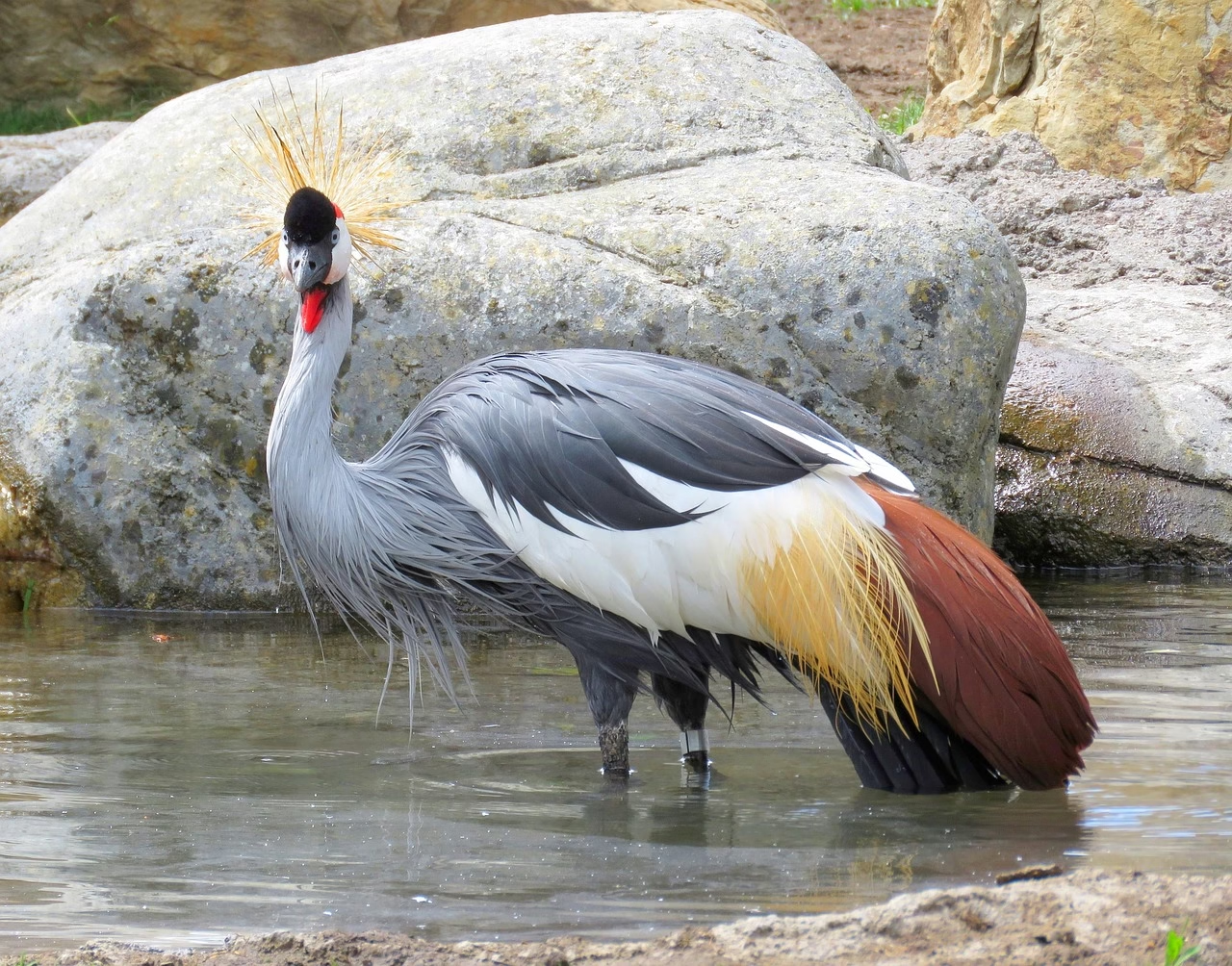 Another remarkable species is the secretary bird. With its long legs, elegant crest feathers, and eagle-like appearance, this unusual raptor walks through the grasslands searching for snakes and small prey. Visitors often spot secretary birds moving gracefully across the Narus Valley during morning game drives.
The Abyssinian roller also captures attention with its brilliant colors. Its plumage combines shades of turquoise, chestnut, purple, and electric blue, making it one of the most visually spectacular birds in East Africa. During flight displays, the bird’s vibrant colors become even more dramatic against Kidepo’s golden grasslands.
Meanwhile, the black-breasted barbet attracts specialist birders from around the world. This beautifully patterned species remains one of Kidepo’s prized sightings due to its limited distribution and distinctive appearance.
Hornbills thrive throughout the park as well. Visitors regularly encounter African grey hornbills and Hemprich’s hornbills gliding between acacia trees with their characteristic undulating flight. Their loud calls echo across the plains, adding to the wilderness atmosphere of the park.
Rare and Range-Restricted Bird Species
What truly separates Kidepo from Uganda’s other birding destinations is its impressive collection of rare and range-restricted species. Many of these birds occur nowhere else in the country, making the park especially important for serious birdwatchers building East African bird lists.
Among the most sought-after species is the Karamoja apalis. This small and beautifully marked warbler takes its name from the Karamoja sub-region and remains one of Uganda’s most celebrated birding specialties. Birders often spend hours patiently searching for this elusive species in suitable scrub habitat.
Kidepo also supports populations of the fox kestrel, a slender and elegant falcon rarely seen elsewhere in Uganda. The Egyptian vulture, one of Africa’s most threatened scavengers, occasionally appears soaring above the plains, while the unusual standard-winged nightjar fascinates birders with its extraordinary breeding plumage.
In woodland areas, visitors may encounter the striking white-crested turaco moving noisily through the trees. Its dramatic crest and colorful plumage make it one of the park’s most attractive forest birds.
Because many of these species have limited distributions within East Africa, Kidepo has earned international recognition among birdwatchers seeking rare sightings.
Raptors of Kidepo Valley
Kidepo Valley National Park also ranks among Uganda’s finest destinations for observing birds of prey. The park’s open terrain, abundant prey, and warm thermal currents create ideal conditions for large raptors.
The martial eagle dominates Kidepo’s skies as Africa’s largest eagle species. Birders often watch these powerful hunters circling high above the Narus Valley before diving suddenly toward prey below. Their massive wingspan and commanding presence make every sighting unforgettable.
The bateleur eagle provides another spectacular aerial display. Easily recognized by its short tail and long angular wings, this striking raptor glides gracefully over the savannah in search of carrion and small animals.
Along the rocky foothills of Mount Morungole, Verreaux’s eagle patrols the cliffs and escarpments. This impressive black eagle prefers mountainous terrain and often hunts hyraxes among the rocks.
Kidepo’s healthy vulture populations also play a vital ecological role within the park. White-backed vultures, hooded vultures, and Rüppell’s vultures frequently gather around carcasses, quickly cleaning the environment and maintaining ecosystem balance.
Waterbirds and Wetland Species
Although Kidepo is famous for its dry savannah landscapes, the park’s rivers, wetlands, and seasonal pools support a surprisingly wide variety of waterbirds.
The Narus River forms the heart of this wetland ecosystem. During the dry season, many animals depend on the remaining water sources, creating excellent opportunities for birdwatching.
Grey herons and goliath herons stalk the shallows patiently, while egrets move elegantly along muddy banks searching for fish and insects. At the same time, pied kingfishers hover above the water before plunging dramatically into the river.
Malachite kingfishers add flashes of brilliant blue and orange to the riverbanks. These tiny but colorful birds often perch quietly near reeds before darting toward small fish.
African jacanas walk delicately across floating vegetation using their unusually long toes, while seasonal ducks and waders arrive during wetter months when water levels increase throughout the park.
As a result, birdwatchers visiting Kidepo during the rainy season often enjoy a dramatic rise in species diversity.
Best Birdwatching Areas in Kidepo Valley
The Narus Valley remains the park’s premier birding area because it combines multiple habitats within one accessible region. Open grasslands, wetlands, riverine vegetation, and acacia woodland all occur within this valley, creating ideal conditions for diverse birdlife.
Around Apoka, near the park headquarters, early morning birding produces excellent sightings of savannah and woodland species. Many travelers begin their day here before continuing deeper into the park.
Meanwhile, the slopes and foothills of Mount Morungole provide habitat for cliff-dwelling and montane birds that differ significantly from those found on the plains below.
Northern sections of the park, especially near the Kidepo Valley itself, support dry-country bird species rarely encountered elsewhere in Uganda.
Best Time for Birdwatching in Kidepo
Birdwatching in Kidepo remains rewarding throughout the year, although seasonal changes influence bird activity and species diversity.
The wet seasons, from April to May and October to November, usually provide the richest birdwatching conditions. During these months, migratory species arrive from different parts of Africa and beyond, increasing the overall species count considerably.
Breeding activity also peaks during the rainy season. Consequently, birds display brighter plumage, become more vocal, and engage in active courtship behavior.
On the other hand, the dry season offers excellent visibility and exceptional raptor sightings because vegetation becomes thinner and wildlife concentrates around remaining water sources.
Birdwatching Tips for Visitors
Successful birdwatching in Kidepo often begins early in the morning. Between 6:00 and 9:00 AM, birds remain highly active, temperatures stay cooler, and lighting conditions favor photography.
Visitors should carry quality binoculars and a reliable East African bird guide to improve species identification. Hiring an experienced Uganda Wildlife Authority ranger or arranging a guided safari through Experiya Tour Company also greatly enhances the experience, especially for travelers seeking rare species.
Moving slowly and quietly through different habitats increases the chances of spotting shy birds. Patience remains one of the most important skills for successful birdwatching in Kidepo’s vast wilderness.
Discover Uganda’s Ultimate Birding Wilderness
The birds of Kidepo Valley National Park represent one of Uganda’s most extraordinary natural treasures. From massive ostriches crossing the savannah to colorful rollers, powerful eagles, and rare endemic species, the park offers an unmatched birdwatching experience in a truly wild setting.
For travelers seeking an authentic East African birding adventure, Kidepo delivers exceptional diversity, dramatic landscapes, and unforgettable encounters with some of Africa’s most remarkable birds. With expertly guided safaris from Experiya Tour Company, visitors can fully explore this remote wilderness and discover why Kidepo remains the crown jewel of birdwatching in Uganda.