
Compare Nyungwe and Kibale Chimpanzee Trekking
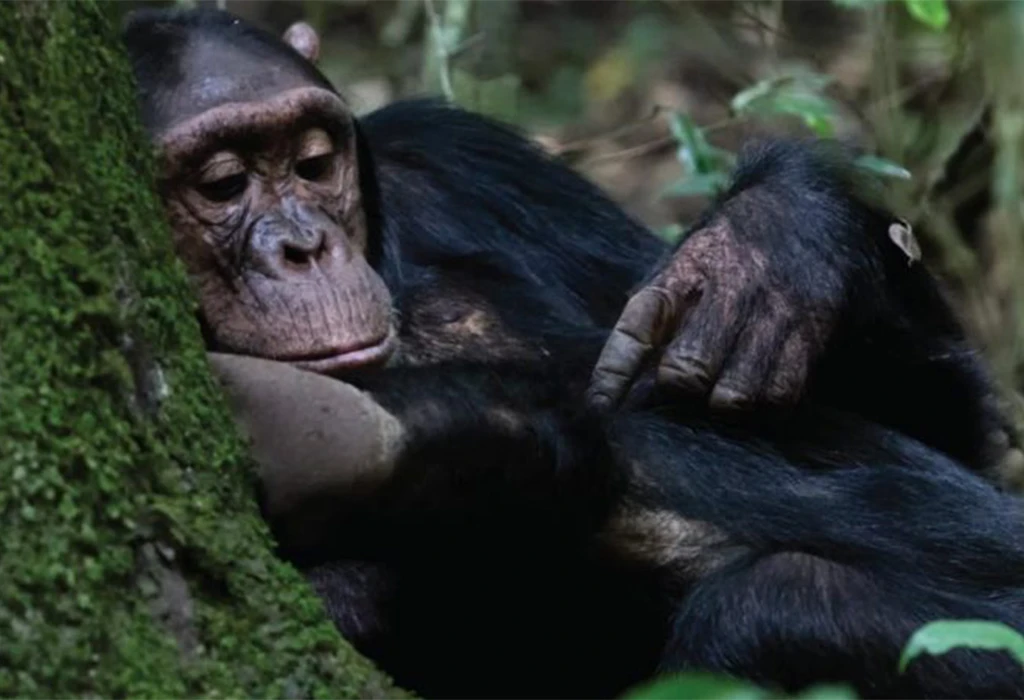
Chimpanzee trekking is one of the most exciting wildlife experiences in East Africa. Both Rwanda and Uganda offer remarkable opportunities to encounter these intelligent primates in their natural habitats. Rwanda’s Nyungwe Forest National Park and Uganda’s Kibale National Park are the region’s leading chimpanzee trekking destinations, each providing a unique experience. While both parks offer unforgettable encounters with chimpanzees, differences in terrain, accessibility, accommodation, costs, and wildlife viewing opportunities often influence travelers’ decisions.
Chimpanzee Trekking in Nyungwe Forest National Park
Located in southern Rwanda, Nyungwe Forest National Park is one of Africa’s oldest and most biologically diverse rainforests. The park stretches across a rugged section of the Albertine Rift and serves as an important watershed feeding both the Congo and Nile River systems. Besides chimpanzees, Nyungwe is home to 11 other primate species, more than 75 mammal species, and over 300 bird species.
Chimpanzee trekking in Nyungwe offers a thrilling adventure through dense rainforest vegetation. Visitors often combine this experience with gorilla trekking in Volcanoes National Park, creating one of the most rewarding primate safari itineraries in Africa.
Another major attraction in Nyungwe is the famous canopy walkway. Suspended approximately 70 meters above the forest floor, the walkway provides breathtaking views of the rainforest canopy and offers a unique perspective of the forest ecosystem. Many visitors consider it one of the highlights of their visit.
The park also boasts an extensive network of scenic hiking trails that lead through waterfalls, valleys, and rich wildlife habitats. Travelers who enjoy nature walks can easily spend several days exploring the forest. In addition, habituated troops of colobus monkeys around the visitor center provide excellent opportunities for primate viewing.
Challenges of Trekking in Nyungwe
Despite its attractions, Nyungwe presents certain challenges. The terrain is steep and rugged, making trekking physically demanding. Trails can become slippery and muddy after rainfall, requiring good fitness and proper hiking gear.
Accommodation options near the trekking starting points are relatively limited compared to other safari destinations. As a result, some visitors may need to stay farther away and travel longer distances before the trek begins.
Nyungwe is also known for offering fewer budget-friendly travel options. Rwanda’s tourism strategy focuses heavily on high-end tourism, which often translates into higher accommodation and transport costs.
Another challenge is chimpanzee tracking itself. Treks typically begin very early, often around 5:00 a.m., and locating the chimpanzees can take several hours. Since the chimpanzees move freely through a vast forest ecosystem, sightings are not always guaranteed, and trekking durations can vary significantly.
Chimpanzee Trekking in Kibale National Park
Kibale National Park is widely regarded as one of the best places in Africa to see chimpanzees. Located in western Uganda, the park contains the highest concentration of primates on the continent and supports a large population of habituated chimpanzees.
The forest is home to numerous primate species, including red colobus monkeys, olive baboons, black-and-white colobus monkeys, vervet monkeys, blue monkeys, and mangabeys. This rich biodiversity enhances every forest walk and creates exceptional wildlife viewing opportunities.
One of Kibale’s greatest strengths is its relatively gentle terrain. Compared to Nyungwe, many of the trekking routes are easier to navigate, making the experience accessible to a wider range of visitors.
Chimpanzee sightings in Kibale are exceptionally reliable, with success rates often reaching around 99 percent. This high probability of encountering chimpanzees makes the park particularly attractive for travelers with limited time.
Chimpanzee Habituation Experience
A unique feature that distinguishes Kibale from Nyungwe is the Chimpanzee Habituation Experience. This full-day activity allows visitors to spend extended periods with chimpanzees that are gradually becoming accustomed to human presence.
 Participants accompany researchers and guides from early morning until evening, observing the chimpanzees as they feed, socialize, hunt, and build nests. This immersive experience provides deeper insight into chimpanzee behavior than a standard trek.
Accommodation and Accessibility
Kibale offers a wider range of accommodation choices than Nyungwe. Travelers can choose from budget lodges, mid-range accommodations, and luxury safari camps located close to the trekking headquarters.
Chimpanzee trekking briefings generally begin around 7:30 a.m., allowing visitors a more relaxed start to the day. The variety of lodging options and convenient access contribute significantly to the overall visitor experience.
Challenges of Trekking in Kibale
Although Kibale offers excellent chimpanzee viewing, combining it with gorilla trekking in Bwindi Impenetrable National Park requires longer travel times. Road journeys between destinations can be lengthy, and some sections may be less comfortable than Rwanda’s road network.
Many travelers choose to break up the journey with a stop in Queen Elizabeth National Park, which adds another exciting wildlife experience to the itinerary.
Best Time for Chimpanzee Trekking
Chimpanzee trekking in both Nyungwe and Kibale is possible throughout the year. However, the dry seasons from June to September and December to February are generally considered the best times to visit.
During these months, forest trails are drier and easier to navigate. Trekking conditions improve significantly, making the overall experience more comfortable.
The rainy seasons, which typically occur from March to May and around November, also offer advantages. Fruit is abundant in the forests during these periods, often keeping chimpanzees within smaller areas and making them easier to locate. However, muddy trails and frequent rainfall can make trekking more challenging.
Travelers planning to visit during peak seasons should reserve permits and accommodation well in advance. Although permits may be available throughout the year, demand can increase quickly during popular travel months.
Rules for Chimpanzee Trekking
Chimpanzee trekking regulations are designed to protect both visitors and wildlife. Maintaining a respectful distance from the chimpanzees is essential at all times. Visitors should avoid any behavior that could disturb or provoke the animals.
Feeding chimpanzees is strictly prohibited because they must remain dependent on natural food sources. Likewise, eating near the animals should be avoided.
Visitors should refrain from littering, smoking, or spitting within the forest. These actions can negatively affect the environment and increase health risks for wildlife.
Photography is permitted, but flash photography is not allowed because it may disturb the chimpanzees. If a visitor feels unwell, particularly with contagious illnesses such as flu-like symptoms, participation in the trek should be postponed to prevent disease transmission.
Once the chimpanzees are located, visitors are generally allowed to spend one hour observing them. This limit helps minimize human impact while ensuring a quality viewing experience.
Cost of Chimpanzee Trekking
Chimpanzee trekking permits in both Nyungwe Forest National Park and Kibale National Park generally cost approximately USD 250 per person for a standard trek. These permits include park entry, guiding services, and one hour with a habituated chimpanzee community.
In Uganda, the Chimpanzee Habituation Experience costs approximately USD 300 per person and provides a full-day encounter with the primates. This extended experience is highly valued by wildlife enthusiasts seeking a deeper understanding of chimpanzee behavior.
Which Destination Offers the Best Chimpanzee Experience?
Both Nyungwe and Kibale provide outstanding chimpanzee trekking opportunities, but they appeal to different types of travelers.
Nyungwe offers spectacular scenery, challenging hikes, a famous canopy walk, and a rich diversity of primates and birdlife. It is an excellent choice for travelers who enjoy active adventures and extended forest exploration.
Kibale, on the other hand, provides easier trekking conditions, a higher probability of chimpanzee sightings, greater accommodation variety, and the unique chimpanzee habituation experience. These advantages make it one of the most rewarding chimpanzee destinations in Africa.
For travelers whose primary goal is to maximize their chances of seeing chimpanzees and spending more time observing them, Kibale National Park often stands out as the preferred option. However, those seeking a broader rainforest adventure with extensive hiking opportunities may find Nyungwe equally appealing.
Ultimately, both destinations offer unforgettable encounters with one of humanity’s closest relatives and provide remarkable opportunities to experience Africa’s rich tropical forests.