
Horseback Riding in Lake Mburo National Park
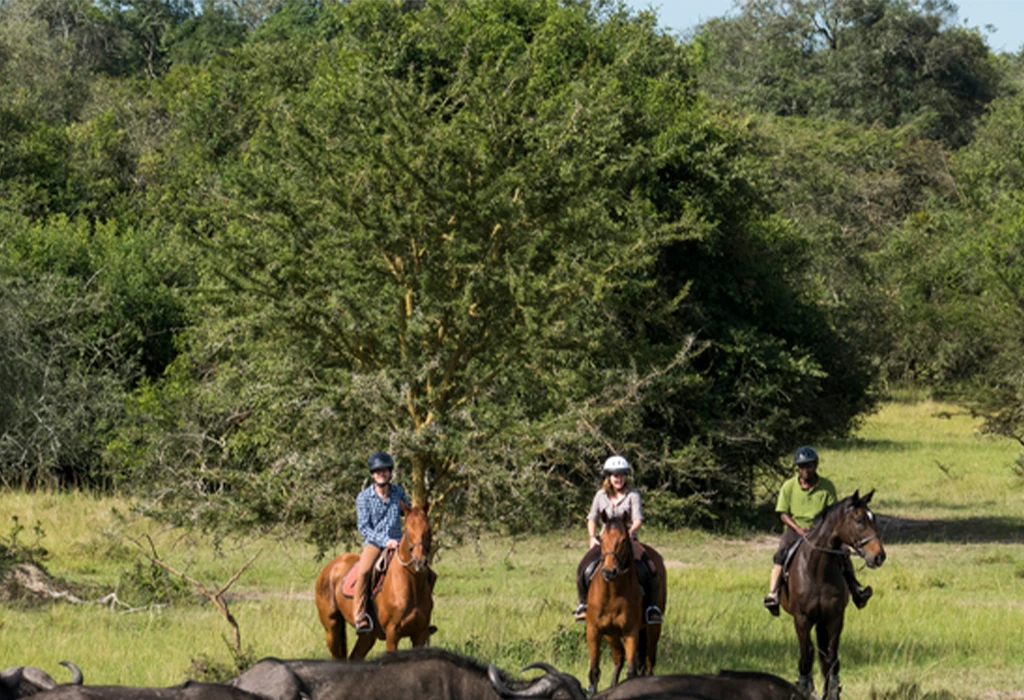
Horseback riding in Lake Mburo National Park is one of Uganda’s most unique wildlife experiences. Located in southwestern Uganda, this beautiful park is renowned for its diverse landscapes, abundant wildlife, and tranquil environment. Unlike traditional game drives, horseback riding allows visitors to explore the wilderness quietly and closely, creating unforgettable encounters with nature.
For travelers seeking a different perspective of the African savannah, horseback riding offers a perfect blend of adventure, wildlife viewing, and scenic exploration. The activity allows guests to move through the park without disturbing animals, resulting in intimate wildlife encounters that are difficult to achieve from a vehicle.
About Lake Mburo National Park
Lake Mburo National Park covers approximately 370 square kilometers, making it the smallest savannah national park in Uganda. Despite its relatively small size, the park supports a rich variety of ecosystems, including rolling hills, acacia woodlands, open grasslands, wetlands, and several lakes.
The park is home to numerous wildlife species, including zebras, impalas, elands, buffaloes, warthogs, topis, and hippos. It also boasts more than 350 bird species, making it a rewarding destination for birdwatchers.
One of the key features that makes horseback riding possible in Lake Mburo National Park is the absence of large predators such as lions. Consequently, visitors can safely explore vast sections of the park on horseback while enjoying close wildlife encounters.
The Horseback Riding Experience
Horseback riding safaris are organized through Experiya Tour Company and offer visitors a chance to experience the park in a peaceful and environmentally friendly manner. The rides cater to all skill levels, from complete beginners to experienced riders.
Before setting out, participants receive a briefing covering riding techniques, safety procedures, and what to expect during the excursion. Experienced guides accompany every ride, ensuring both safety and an informative experience.
Whether you choose a short introductory ride or a full-day adventure, horseback riding provides a refreshing alternative to conventional safari activities.
Close Wildlife Encounters
One of the greatest advantages of horseback riding is the opportunity to approach wildlife more closely than would normally be possible in a vehicle.
Many animals perceive horses as part of the natural environment and are therefore less likely to flee. As a result, riders can often observe zebras grazing nearby, impalas moving through the grasslands, or elands feeding peacefully among the acacia trees.
These encounters create exceptional photographic opportunities while allowing visitors to appreciate wildlife behavior in a natural setting.
Exploring Diverse Landscapes
The riding trails pass through a variety of habitats, showcasing the park’s remarkable scenery. Riders traverse open savannahs dotted with wildlife, winding woodland paths, and lakeside areas that provide breathtaking views across the park.
 Along the journey, visitors can admire rolling hills, picturesque valleys, and panoramic vistas that reveal the beauty of Uganda’s countryside. The changing landscapes ensure that every ride feels unique and exciting.
Furthermore, elevated viewpoints offer spectacular opportunities for photography and wildlife observation.
A Peaceful and Eco-Friendly Safari
Horseback riding is among the most environmentally responsible ways to explore a national park. Unlike vehicles, horses create minimal noise and leave a very small environmental footprint.
Consequently, riders can fully immerse themselves in the sounds of nature, from birds singing in nearby trees to the rustling of grass in the breeze. The quiet approach also increases the chances of observing wildlife behaving naturally without disturbance.
For eco-conscious travelers, horseback riding provides an authentic and sustainable safari experience.
Excellent Birdwatching Opportunities
Lake Mburo National Park is one of Uganda’s finest birding destinations. The park’s varied habitats attract a wide range of bird species throughout the year.
During a horseback ride, visitors may spot African fish eagles soaring above the lakes, lilac-breasted rollers displaying their vibrant colors, and grey-crowned cranes gracefully moving through the wetlands. Bird enthusiasts may also search for the rare red-faced barbet, a species found mainly in this region.
Because horseback riding moves at a slower pace than vehicle safaris, birdwatchers often enjoy better viewing opportunities and more time for photography.
Customized Riding Options
Experiya Tour Company offers several horseback riding options designed to suit different interests and fitness levels.
Short rides lasting one to two hours are ideal for beginners or visitors with limited time. Half-day and full-day excursions provide deeper exploration of the park’s landscapes and wildlife-rich areas.
Longer rides often include bush picnics, allowing guests to relax while enjoying stunning views of the surrounding wilderness. For those seeking a more immersive adventure, multi-day horseback safaris with overnight stays in the wild can be arranged.
Safety During Horseback Riding
Safety remains a top priority throughout every horseback riding excursion.
Professional guides accompany all rides and possess extensive knowledge of both horses and wildlife behavior. Before departure, riders receive comprehensive instructions regarding riding techniques and park safety regulations.
Protective helmets and necessary riding equipment are provided to participants. Riders are encouraged to follow guide instructions at all times and maintain awareness of their surroundings while enjoying the experience.
Although Lake Mburo National Park is considered one of the safest locations for horseback safaris in Africa, visitors should always remember that they are exploring a natural wildlife environment.
What to Wear for Horseback Riding
Choosing appropriate clothing significantly enhances comfort and safety during the ride.
A long-sleeved shirt is highly recommended because it protects against the sun, insects, and occasional contact with vegetation. Comfortable riding trousers or sturdy pants help prevent chafing during extended periods in the saddle.
Layered clothing is advisable since temperatures can vary throughout the day.
Footwear is equally important. Closed-toe riding boots are ideal, although sturdy shoes with a small heel can also work effectively. Long socks help prevent discomfort and rubbing inside the boots.
A riding helmet is essential and is usually provided. Some riders also prefer gloves for additional grip and comfort.
To protect against the African sun, visitors should bring sunglasses and apply sunscreen regularly. In addition, insect repellent is highly recommended, particularly during morning and evening rides.
How Long Does Horseback Riding Take?
Horseback riding excursions vary in duration according to the chosen package and the rider’s experience level.
Beginners often select shorter rides lasting one to two hours, allowing them to gain confidence while enjoying wildlife viewing opportunities.
More experienced riders may choose extended excursions lasting four to five hours. These longer adventures often explore the scenic Warukiri Hills, which rise to approximately 1,329 meters above sea level.
From the Warukiri Ridge, visitors enjoy spectacular 360-degree views of valleys, lakes, and surrounding landscapes. Wildlife sightings are also common around waterholes, where large buffalo herds frequently gather.
On clear days, riders can enjoy views of several lakes located within and around the national park.
Cost of Horseback Riding
Horseback riding costs vary depending on ride duration, season, and package inclusions.
Generally, one-hour rides start at approximately USD 40 per person, while one-and-a-half-hour rides cost around USD 50. Two-hour rides are typically priced at USD 60 per person, while three-hour rides cost approximately USD 90.
Longer and overnight horseback experiences may have different rates depending on the specific itinerary and services included. Visitors are encouraged to confirm current pricing when making reservations, as rates may change seasonally.
Best Time for Horseback Riding
Horseback riding can be enjoyed throughout the year. However, the best conditions are usually experienced during the dry seasons from June to September and from December to February.
During these months, trails remain dry and easier to navigate. Additionally, wildlife tends to gather around water sources, making animal sightings more frequent and rewarding.
The pleasant weather conditions also contribute to a more comfortable riding experience.
Cultural Experiences Along the Way
Horseback riding in Lake Mburo National Park also provides insight into the local culture of the Ankole people.
The communities surrounding the park have a long history of cattle keeping and horsemanship. As riders travel through the landscape, they may observe traditional homesteads and encounter the famous Ankole long-horned cattle.
These cultural interactions add another dimension to the safari experience, allowing visitors to appreciate both the natural and human heritage of the region.
Where to Stay During a Horseback Riding Safari
Lake Mburo National Park offers accommodation options for every budget, ranging from basic camps to luxurious lodges.
Popular places to stay include Kigambira Safari Lodge, Mihingo Lodge, Hyena Hill Lodge, Mburo Safari Lodge, Mantana Tented Camp, Leopard Rest Camp, Eagles Nest, Rwakobo Rock, and Rwonyo Rest Camp.
Whether travelers seek luxury, comfort, or affordability, suitable accommodation can easily be arranged through Experiya Tour Company.
Conclusion
Horseback riding in Lake Mburo National Park offers an extraordinary opportunity to experience Uganda’s wildlife and landscapes from a completely different perspective. Combining adventure, wildlife encounters, birdwatching, breathtaking scenery, and cultural experiences, this activity stands among the most memorable safari experiences in East Africa.
Whether you are a first-time rider or an experienced equestrian, a horseback safari with Experiya Tour Company provides a unique and rewarding way to explore one of Uganda’s most beautiful national parks.