
How to Combine Gorilla Trekking with Cultural Safaris
Combining gorilla trekking with cultural safaris creates a rewarding travel experience that goes far beyond wildlife viewing. While mountain gorillas are undoubtedly the highlight for many visitors to Uganda and Rwanda, the communities living around these protected forests offer equally fascinating stories, traditions, and experiences.
By blending gorilla trekking with cultural encounters, travelers gain a deeper understanding of East Africa’s rich heritage. This combination allows visitors to appreciate not only the remarkable conservation efforts that protect endangered mountain gorillas but also the people whose lives are closely connected to these unique ecosystems.
Understanding the Connection Between Wildlife and Culture
One of the greatest advantages of combining gorilla trekking with cultural activities is the close relationship between the two. The forests that shelter mountain gorillas are surrounded by communities that have lived near these landscapes for generations.
In Uganda, both Bwindi Impenetrable National Park and Mgahinga Gorilla National Park are home to neighboring communities whose traditions and livelihoods have long been linked to the forest. Similarly, Rwanda’s Volcanoes National Park is surrounded by villages where conservation and community development work hand in hand.
The Batwa people, often referred to as the original forest dwellers, once lived within these forests before they became protected conservation areas. Learning about their history, culture, and adaptation to life outside the forest provides valuable insight into the human side of conservation.
At the same time, communities such as the Bakiga and Banyankole have developed sustainable ways of living alongside protected wildlife habitats. Their stories reveal the delicate balance between conservation, agriculture, and community development.
Planning the Perfect Itinerary
A successful gorilla trekking and cultural safari requires careful planning. Most travelers find that a seven to ten-day itinerary offers enough time to enjoy both experiences without feeling rushed.
The best approach is to schedule cultural activities around your gorilla trekking destination. Since gorilla permits are issued for specific dates and locations, arranging cultural visits before or after the trek helps reduce travel time and creates a more enjoyable experience.
It is also important to consider the physical demands of gorilla trekking. Depending on the location of the gorilla family, the trek can last several hours and may involve hiking through steep terrain at high altitudes. Although the experience is incredibly rewarding, it can also be physically demanding.
For this reason, many travelers prefer to schedule cultural activities on the afternoon after their trek or dedicate an entirely separate day to community visits. This allows enough time to relax and fully appreciate each experience.
Spending two or three nights near a gorilla trekking destination generally provides the ideal balance. It allows time for the trek itself, cultural activities, and opportunities to enjoy the surrounding scenery.
The Batwa Cultural Experience in Uganda
Among the most memorable cultural activities available near Uganda’s gorilla habitats is the Batwa cultural experience.
The Batwa people lived in the forests of southwestern Uganda for thousands of years and depended on the forest for food, medicine, shelter, and spiritual practices. Today, cultural tours provide visitors with a rare opportunity to learn about their traditional way of life.
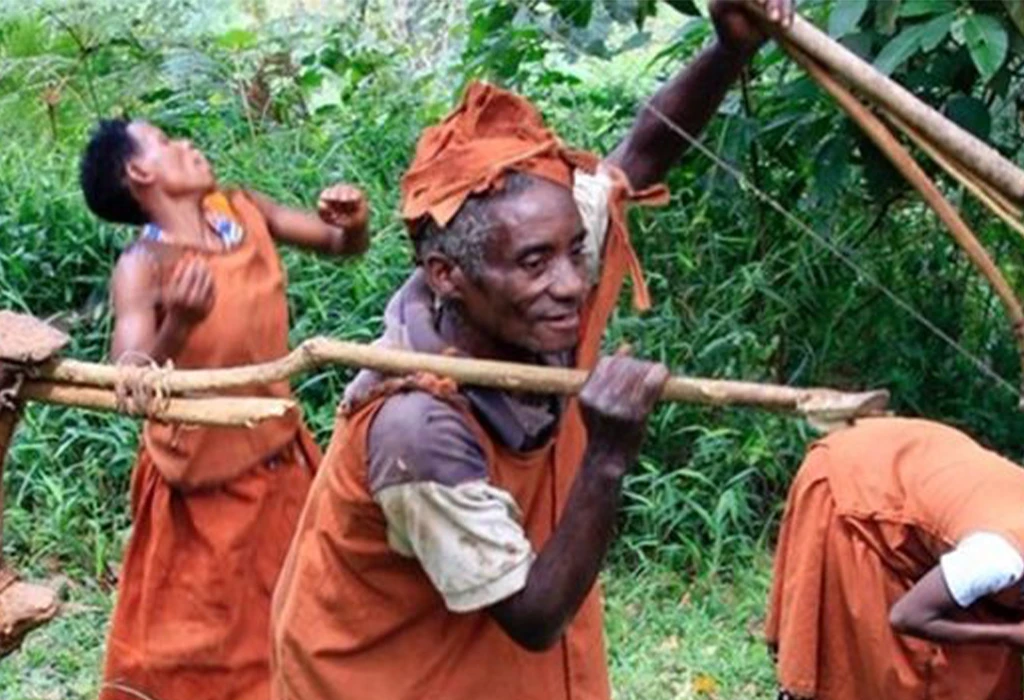 Guided by Batwa elders, visitors explore forest trails while learning about medicinal plants, traditional hunting methods, and survival techniques. Along the way, guests discover how the Batwa lived harmoniously within the forest ecosystem for centuries.
Storytelling sessions, traditional songs, dance performances, and demonstrations of ancient skills such as fire-making offer a fascinating glimpse into a culture that has survived despite significant challenges.
Perhaps most importantly, these experiences help support Batwa communities while preserving valuable cultural traditions for future generations.
Cultural Experiences Around Mgahinga
Near Mgahinga Gorilla National Park, visitors can enjoy additional cultural encounters that complement gorilla trekking adventures.
Community visits often include traditional music and dance performances, local storytelling, and opportunities to interact with residents. Visitors can learn about farming practices, food preparation methods, and daily life in the region.
These interactions provide a more personal understanding of local culture and create meaningful connections between travelers and host communities.
The Gorilla Guardians Village Experience in Rwanda
At the foothills of Volcanoes National Park lies the famous Gorilla Guardians Village, formerly known as Iby’Iwacu Cultural Village.
This community initiative was established to provide alternative sources of income for individuals who once relied on poaching and unsustainable forest activities. Today, many former poachers have become conservation advocates, helping to protect the very wildlife they once hunted.
Visitors can participate in traditional ceremonies, experience local dance performances, and learn about Rwanda’s cultural heritage through interactive activities.
The experience often includes demonstrations of traditional hunting techniques, visits to a replica royal palace, basket-weaving workshops, and introductions to local medicinal practices. Guests may also have the opportunity to prepare traditional meals and learn about local food production.
What makes the visit particularly meaningful is the chance to hear personal stories from community members whose lives have been transformed through conservation and tourism.
Exploring Local Communities
Beyond organized cultural centers, village walks offer authentic opportunities to experience everyday life in rural East Africa.
Visitors can stroll through farming communities, observe traditional agricultural practices, and visit local markets filled with fresh produce, handmade crafts, and regional specialties.
These walks provide a closer look at the daily routines of local families and highlight the important role that tourism plays in supporting community development.
In many cases, visitors are welcomed into homes where they can share conversations, learn about local customs, and enjoy genuine cultural exchange.
Discovering Traditional Crafts
Throughout Uganda and Rwanda, local artisans continue to practice traditional crafts that have been passed down through generations.
Craft cooperatives provide excellent opportunities to observe basket weaving, pottery making, wood carving, and textile production. Visitors can watch skilled artisans at work while learning about the cultural significance of their creations.
Purchasing locally made handicrafts directly supports community members and helps preserve traditional skills that might otherwise be lost.
In addition, many women’s groups and community cooperatives use tourism revenue to fund education, healthcare, and other development projects.
Practical Travel Considerations
Proper planning is essential when combining gorilla trekking with cultural experiences.
Because gorilla permits are limited and highly sought after, they should be secured several months in advance. During peak travel seasons, booking early is especially important.
Cultural activities are generally affordable and can be added to most itineraries without significantly increasing overall travel costs. Many experiences provide exceptional value while directly benefiting local communities.
When visiting villages and cultural sites, respectful behavior is essential. Dressing modestly, asking permission before taking photographs, and showing genuine interest in local customs help create positive interactions for both visitors and hosts.
Approaching cultural experiences with respect and curiosity often leads to more meaningful and memorable encounters.
Why This Combination Creates a More Meaningful Safari
The true value of combining gorilla trekking with cultural safaris lies in the way each experience enhances the other.
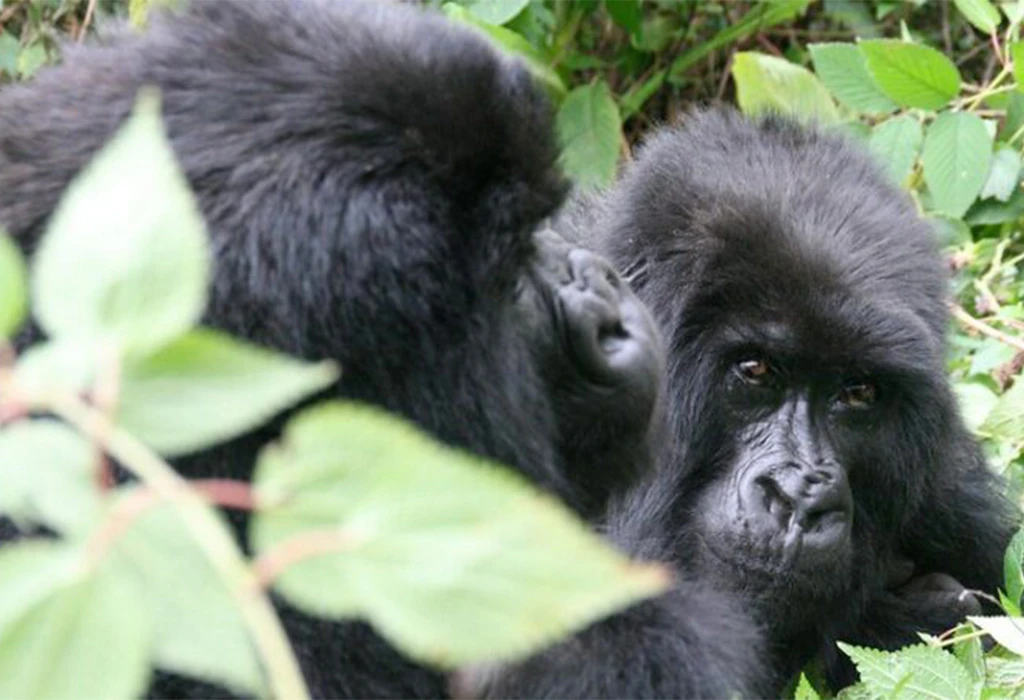
Seeing mountain gorillas in their natural habitat is unforgettable. However, understanding the communities that live alongside these animals adds another layer of appreciation. Learning how conservation supports schools, healthcare facilities, and local livelihoods helps visitors recognize the broader impact of wildlife protection.
Similarly, hearing the stories of former poachers, learning from Batwa elders, or sharing time with local families transforms a wildlife safari into a deeper journey of discovery.
Rather than viewing conservation solely through the lens of wildlife, travelers gain a more complete understanding of the relationship between people, culture, and nature.
By combining gorilla trekking with cultural experiences, visitors leave East Africa with a richer perspective, unforgettable memories, and a greater appreciation for both the mountain gorillas and the communities that help protect them. This balanced approach creates a truly immersive safari experience that benefits travelers, local people, and conservation efforts alike.