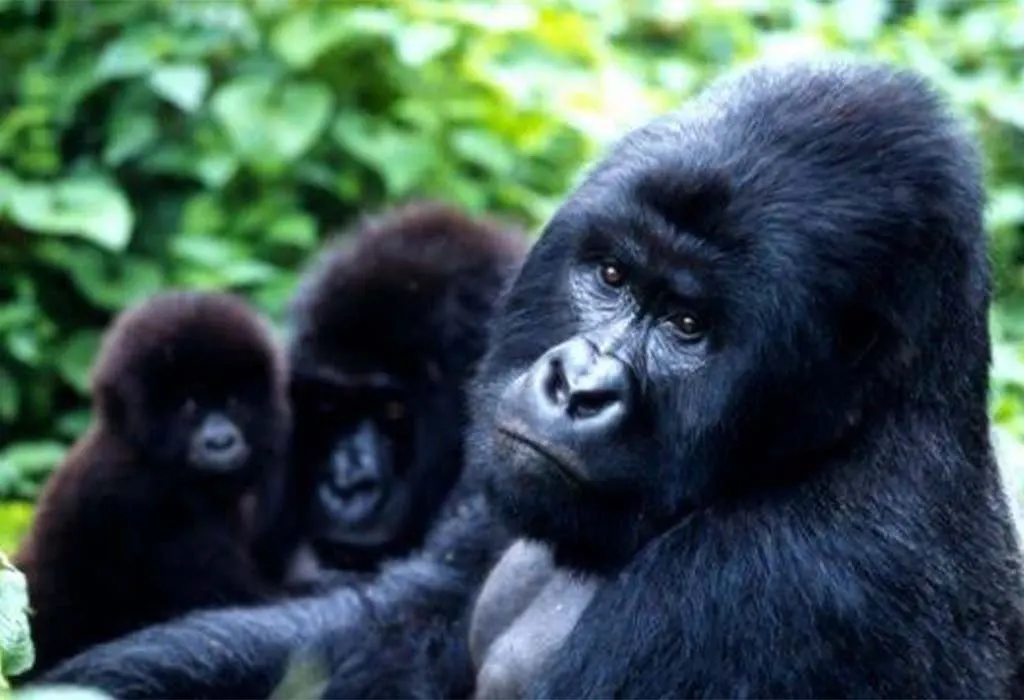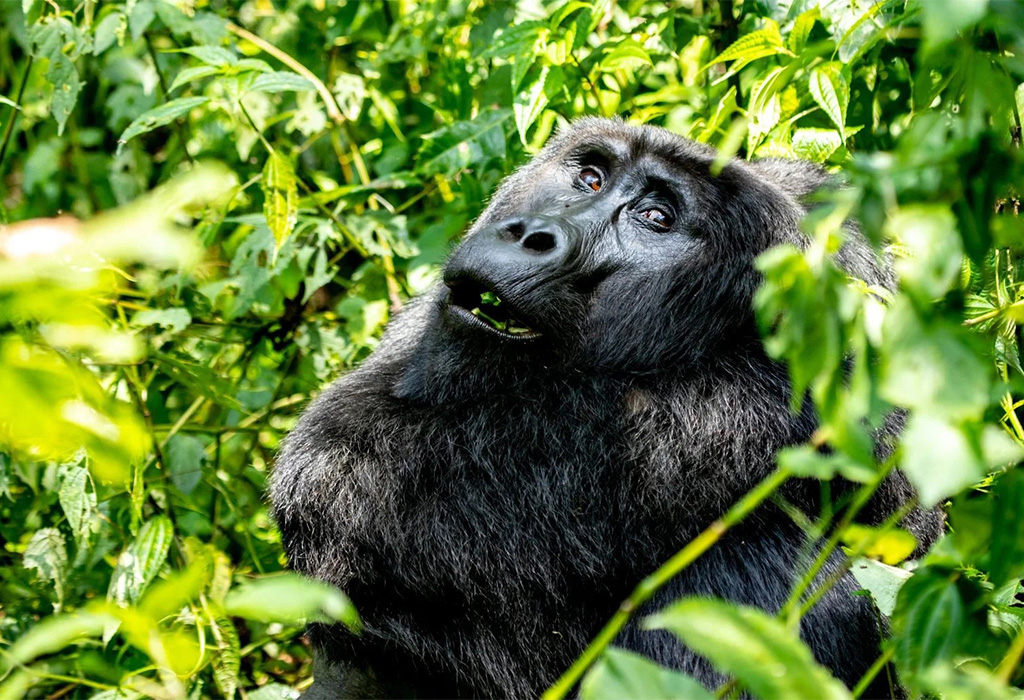
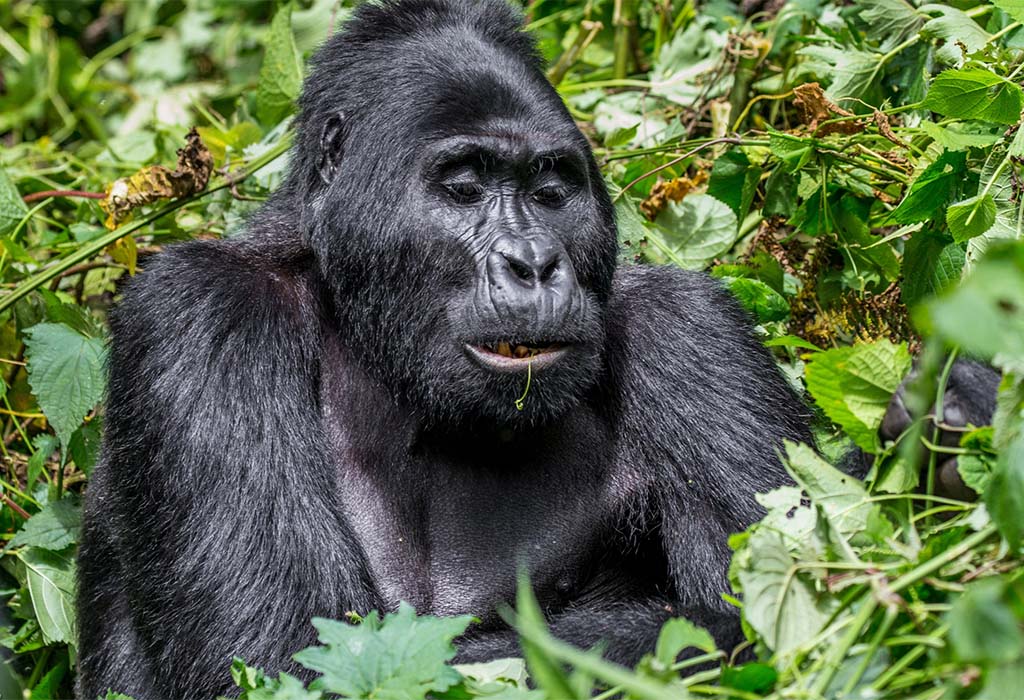

Planning a gorilla trekking adventure in 2026 takes more than simply securing a permit. It requires thoughtful timing, informed choices, and a clear understanding of how visitor flow works in the national parks. Although authorities strictly limit each gorilla family to a maximum of eight visitors per day, crowds can still form in other parts of the experience, especially at park briefing points and along popular trekking routes. The good news is that with the right approach, you can shape a far more peaceful and personal encounter with mountain gorillas.
What makes the difference is not just getting a permit, but knowing when, where, and how to use it strategically.
Understanding Where Crowds Really Form
Many first-time trekkers assume gorilla trekking is always quiet because of the strict group limits. In reality, congestion often appears before the trek even begins. Most visitors gather early in the morning at park headquarters for mandatory briefing sessions. This is where you’ll notice large groups assembling, briefing rooms filling quickly, and vehicles clustering in parking areas.
Another common source of crowding happens in the field. Certain gorilla families attract more attention because they are easier to reach or located in more accessible sectors. As a result, some trails feel busier simply because many groups start from the same point or head toward nearby families.
Understanding this dynamic helps you plan more intelligently. If you can reduce your exposure at briefing points and avoid the most popular sectors, your entire experience becomes noticeably calmer.
Travel During the Low Season for More Space
One of the most effective ways to avoid crowds is to travel during the low or rainy seasons. In Uganda, these periods typically fall between March and May and again from October to November. During these months, visitor numbers drop significantly, and the entire trekking experience feels more relaxed.
At park headquarters, you’ll notice smaller briefing groups and less rush. On the trails, you’ll often walk for longer stretches without encountering other trekking parties. Even lodges and nearby towns feel quieter, which adds to the sense of exclusivity.
Interestingly, the rainy season also transforms the forest into a lush, vibrant landscape. Vegetation becomes dense and green, waterfalls run stronger, and the entire ecosystem feels alive in a different way. Photographers often appreciate this period because the lighting and scenery are especially dramatic.
However, trekking during this time demands preparation. Trails become muddy and slippery, so sturdy waterproof boots are essential. A good rain jacket, gaiters, and a flexible mindset will make the experience far more comfortable. While conditions may feel challenging, the reward is a more intimate encounter with both the forest and the gorillas.
Choose Less Crowded Sectors for a Quieter Experience
The location you choose within the gorilla parks plays a major role in how crowded your experience feels. In Bwindi Impenetrable Forest, for example, different sectors attract different levels of visitor traffic.
Some areas receive more attention because they are easier to access or close to well-developed accommodation options. These locations often host larger numbers of trekkers each morning, which naturally increases congestion during briefing and departure.
On the other hand, more remote sectors offer a noticeably quieter experience. In these areas, you often find fewer vehicles at the starting point and smaller groups heading into the forest. The terrain may feel more rugged, but that added effort often leads to a more rewarding and less disturbed encounter with gorillas.
There is also a smaller national park that consistently offers a more exclusive feel due to its limited number of gorilla families. Because only one group is habituated for tourism, visitor numbers remain naturally low, and treks feel more personal from start to finish. The setting itself is also striking, with volcanic landscapes adding to the sense of wilderness.
Be Open to Longer and More Challenging Treks
When rangers assign trekking groups in the morning, most visitors prefer easier assignments with shorter walking distances. This is understandable, especially for those concerned about fitness or time constraints. However, this preference also means that nearby gorilla families tend to receive the highest demand.
If you are willing to take on a longer or more physically demanding trek, you often benefit from a quieter experience. Deeper forest families attract fewer casual visitors, which results in smaller trekking groups and more space once you reach the gorillas.
Although the hike may take more effort, it often becomes one of the most rewarding parts of the journey. You spend more time immersed in the forest, observe a wider range of wildlife and vegetation, and arrive at a gorilla family that feels more secluded. Rangers also tend to offer deeper insights during these treks since the pace is more relaxed.
Consider the Gorilla Habituation Experience
For travelers who want the most exclusive encounter possible, the gorilla habituation experience offers a completely different level of immersion. Instead of spending just one hour with a fully habituated gorilla family, you spend up to four hours observing a group that is still gradually getting used to human presence.
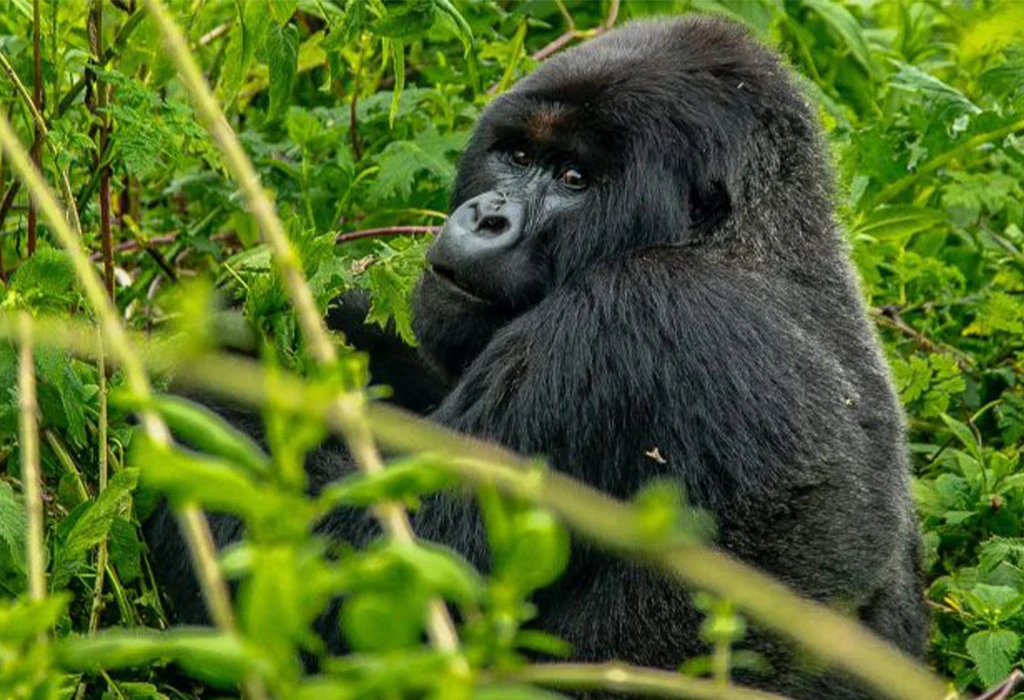 This experience limits group size to a maximum of four visitors, which immediately reduces crowding. You also join researchers and trackers as they monitor behavior, follow movements, and document interactions. The result is not just a wildlife encounter, but a deeper understanding of conservation work in action.
Because fewer people participate in this program, it naturally feels more private and less rushed. You are not only observing gorillas but also witnessing the delicate process of building trust between humans and wild animals.
Work with Knowledgeable Local Experts
One of the smartest decisions you can make is working with experienced local safari planners when securing your gorilla permit. They understand how permit allocations work, track availability in real time, and know which sectors are filling up fastest.
More importantly, they can guide you toward dates and locations that are likely to feel less crowded. Instead of randomly selecting a date, you gain access to informed suggestions based on seasonal trends and booking patterns.
This kind of support becomes especially valuable during peak travel periods when demand is high and options are limited. With the right guidance, you can avoid last-minute compromises that often lead to busier trekking conditions.
Book Your Gorilla Permit Well in Advance
Timing plays a critical role in avoiding crowds. If you plan to travel during peak seasons, such as the dry months between June and September or December and February, early booking becomes essential.
Securing your permit at least a year in advance gives you more control over your experience. You can choose your preferred sector, select better travel dates, and avoid being pushed into already crowded options. Last-minute bookings often leave only limited availability in high-traffic areas, which reduces your chances of a peaceful trek.
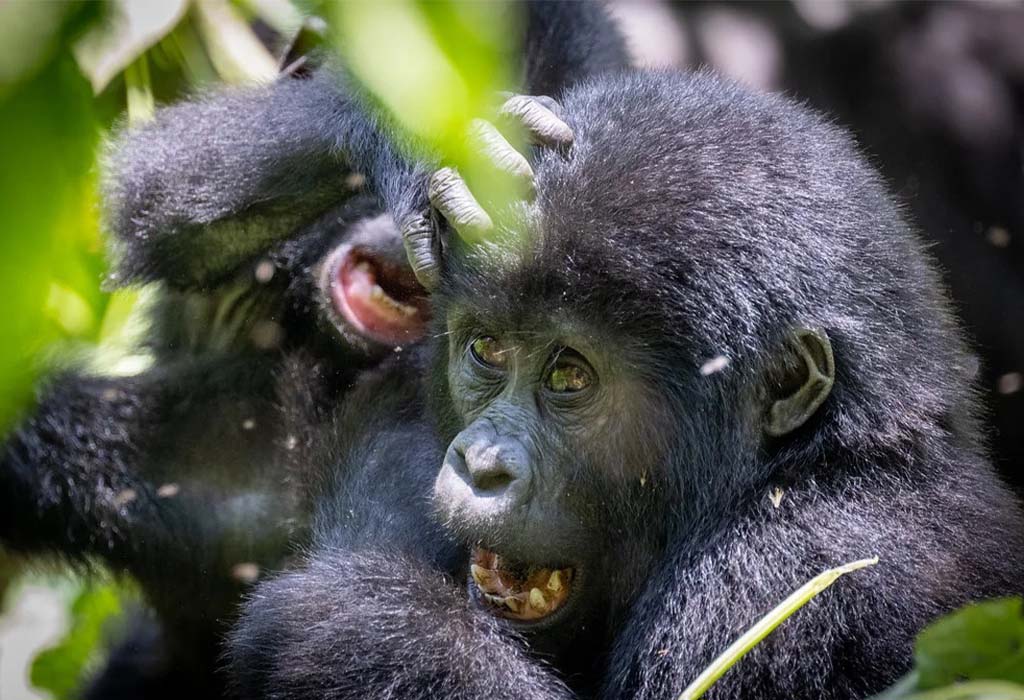 Early planning also gives you more flexibility in designing your entire itinerary, from accommodation to transport routes, ensuring everything aligns with a smoother, less crowded experience.
Final Thoughts
Avoiding crowds during a gorilla trekking adventure is not about luck. It comes down to making intentional decisions from the very beginning. When you travel during quieter seasons, choose less popular sectors, remain open to deeper forest treks, and secure your permit early, you naturally position yourself for a more personal and rewarding experience.
Mountain gorillas already offer one of the most powerful wildlife encounters on earth. When experienced in a calm, less crowded setting, that moment becomes even more unforgettable.