
Who Is Eligible to Buy Gorilla Permits in Uganda?
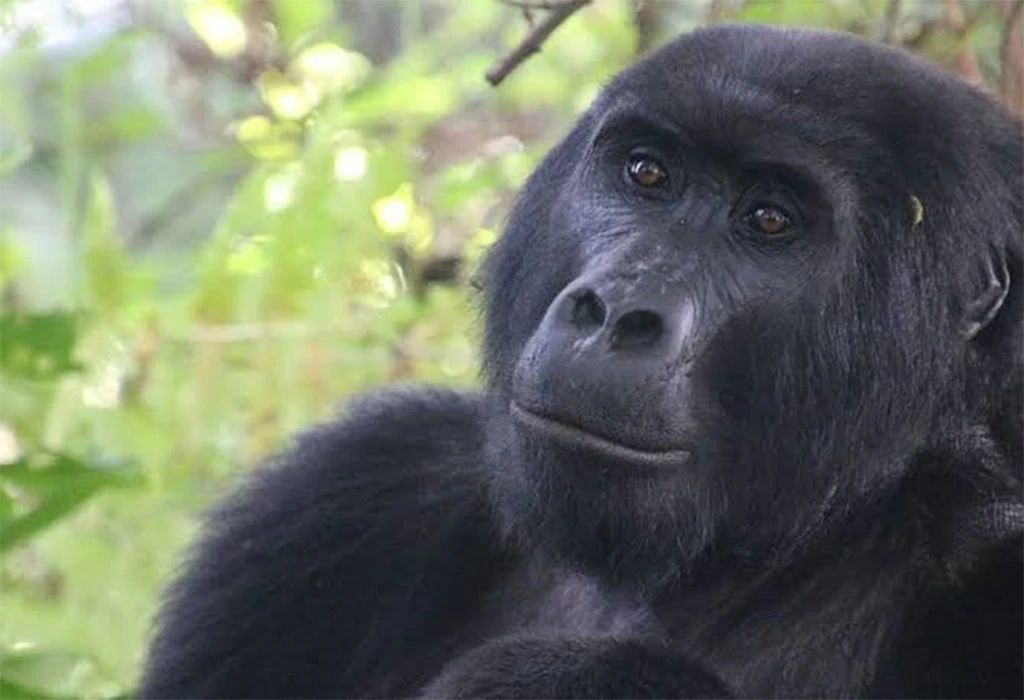
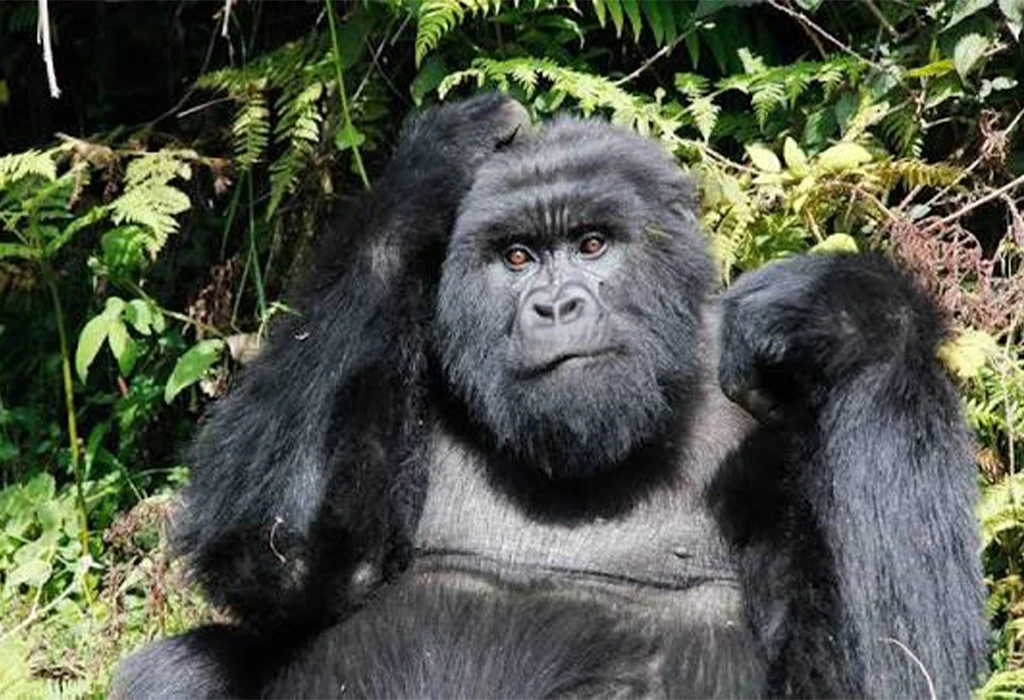
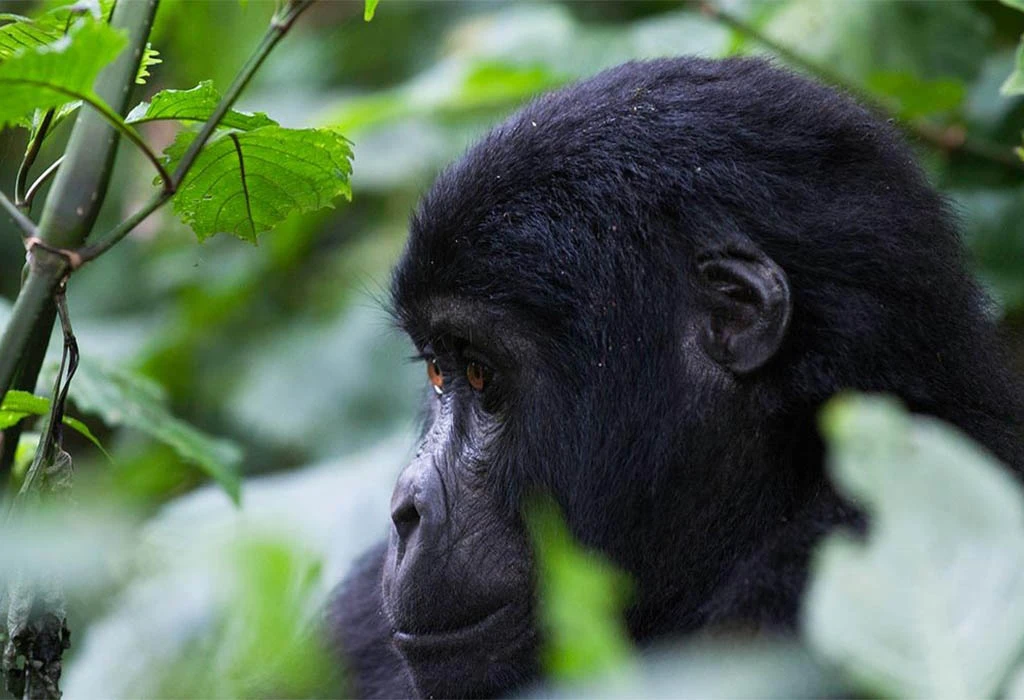
Gorilla trekking in Uganda stands among the most remarkable wildlife experiences in Africa. Deep within the mist-covered forests of Bwindi Impenetrable National Park and Mgahinga Gorilla National Park, travelers get the rare opportunity to observe endangered mountain gorillas in their natural habitat. This close encounter with one of humanity’s closest relatives attracts visitors from all over the world, creating a life-changing adventure rooted in conservation and respect for nature.
However, this experience is carefully regulated. Uganda Wildlife Authority (UWA) controls access through a strict gorilla permit system to protect both visitors and gorillas. While the experience is open to many international and local travelers, eligibility is clearly defined. Understanding who qualifies for a gorilla permit is essential when planning a responsible and successful safari with Experiya Tour Company.
Minimum Age Requirement for Gorilla Trekking in Uganda
The most important eligibility rule for gorilla trekking in Uganda is the minimum age requirement. Only individuals aged 15 years and above are allowed to purchase gorilla permits and participate in trekking activities. This rule applies universally, regardless of nationality, physical fitness, or travel experience.
Uganda Wildlife Authority enforces this regulation without exception. Even when younger children show interest or appear physically capable, they are not permitted to join gorilla trekking groups. This restriction is not arbitrary; instead, it plays a vital role in protecting wildlife, ensuring visitor safety, and maintaining conservation standards.
Why Uganda Enforces a Minimum Age Limit
Several important reasons explain why only travelers aged 15 and above can participate in gorilla trekking.
First, the physical demands of the trek are significant. Gorilla trekking often involves hiking through dense tropical forests, steep hills, and muddy trails. Treks may last anywhere between two and eight hours, depending on the movement of the gorilla families. Because of this, participants must have sufficient stamina and endurance. Younger children may struggle with fatigue, which can affect their safety and the overall trekking experience.
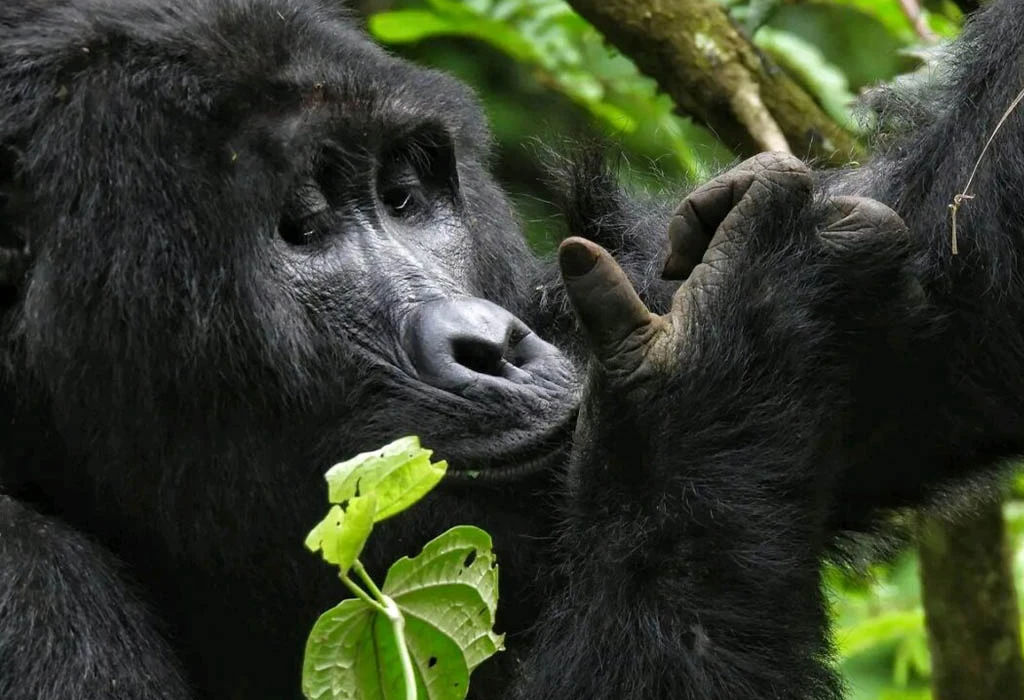 Secondly, safety around wild gorillas is a critical concern. Although mountain gorillas are generally peaceful, they remain wild animals. Rangers enforce strict rules during encounters, including maintaining distance and avoiding sudden movements. In such an environment, older participants are more likely to follow instructions carefully and remain calm. Younger children may react unpredictably, which could potentially disturb the animals or endanger the group.
In addition, disease prevention plays a major role in conservation efforts. Gorillas share a high percentage of DNA with humans, making them vulnerable to human illnesses such as flu or respiratory infections. Older participants are better able to understand and follow health guidelines, including wearing masks when required and avoiding visits when unwell. This helps protect the fragile gorilla population from unnecessary health risks.
What Is a Gorilla Permit in Uganda?
A gorilla permit is an official document issued by the Uganda Wildlife Authority that grants permission to visit a habituated gorilla family. Without this permit, no traveler is allowed to enter gorilla trekking areas.
Each permit includes park entry fees, services of trained rangers and guides, and one hour of direct observation with a gorilla family once they are located. Although the trek itself may take several hours, the one-hour encounter ensures minimal disturbance to the gorillas while allowing visitors to enjoy a meaningful wildlife experience.
Types of Gorilla Permits Available
Uganda offers two main categories of gorilla permits. The first is the standard gorilla trekking permit, which allows visitors to join a habituated gorilla family and observe them for one hour. This is the most commonly booked option and suits most travelers seeking a classic gorilla experience.
The second option is the gorilla habituation experience permit. This exclusive permit allows visitors to spend up to four hours with a gorilla group that is still undergoing habituation. During this experience, travelers accompany researchers and rangers, gaining deeper insight into gorilla behavior and conservation work. Both permit types require participants to meet the same eligibility conditions, including the minimum age requirement.
Cost of Gorilla Permits in Uganda
The cost of gorilla permits in Uganda varies depending on residency status. East African Community citizens pay approximately UGX 300,000. African residents pay around USD 500, while foreign residents are charged about USD 700. Foreign non-residents pay approximately USD 800 per permit.
These fees directly support conservation efforts, anti-poaching operations, community development projects, and park management programs. By purchasing a permit, travelers actively contribute to the long-term protection of mountain gorillas and their fragile ecosystem.
How to Buy a Gorilla Permit in Uganda
Travelers usually secure gorilla permits through licensed tour operators such as Experiya Tour Company. This approach simplifies the booking process and ensures accurate coordination with the Uganda Wildlife Authority.
The process begins by selecting preferred travel dates. After that, the tour operator checks availability with UWA. Once a permit is confirmed, the traveler completes payment, and the permit is officially secured. This system helps avoid administrative delays and ensures a smooth planning experience for international visitors.
Gorilla Trekking Sectors in Bwindi Impenetrable National Park
Gorilla trekking in Bwindi is organized into four main sectors: Buhoma, Ruhija, Rushaga, and Nkuringo. Each sector hosts different habituated gorilla families, and permits are assigned based on availability within these zones.
Because each permit is tied to a specific sector, travelers must carefully plan their accommodation. Staying near the assigned sector is essential since permits cannot be transferred between regions. Proper coordination with Experiya Tour Company ensures a seamless trekking experience without unnecessary travel complications.
When to Book Gorilla Permits
Timing plays a crucial role when planning gorilla trekking in Uganda. During the peak dry seasons, which run from June to September and December to February, demand for permits increases significantly. Many permits sell out months in advance, so early booking is strongly recommended.
During the low rainy seasons from March to May and October to November, availability improves slightly. However, travelers still benefit from booking early to secure preferred dates and accommodation options.
Where Gorilla Trekking Takes Place
Uganda offers two main gorilla trekking destinations. Bwindi Impenetrable National Park is the most popular, hosting nearly half of the world’s remaining mountain gorillas. It is also a UNESCO World Heritage Site, known for its incredible biodiversity, including birds, butterflies, and other primates.
Mgahinga Gorilla National Park offers a quieter and more intimate experience. Located in the Virunga Mountains, it is home to the Nyakagezi gorilla family and also provides opportunities to see golden monkeys. Both parks offer exceptional wildlife encounters, but Bwindi remains the primary trekking destination.
Best Time for Gorilla Trekking in Uganda
Gorilla trekking is possible throughout the year, but the dry seasons are generally considered the best time to visit. During these months, forest trails are less slippery, and hiking conditions are more comfortable.
However, the rainy seasons also offer unique advantages. The forest becomes lush and vibrant, and visitor numbers are lower, creating a more peaceful experience. Regardless of the season, gorilla sightings remain consistent because these animals do not migrate.
What to Pack for Gorilla Trekking
Preparation is essential for a successful trek. Travelers should carry sturdy waterproof hiking boots to handle rough terrain. Long-sleeved shirts and trousers help protect against insects and dense vegetation. A lightweight rain jacket is necessary due to unpredictable weather conditions in the forest.
It is also important to bring drinking water, energy-rich snacks, insect repellent, sunscreen, and a small backpack for essentials. A camera and binoculars enhance the experience, while personal medication ensures comfort throughout the trek. Additionally, waterproof bags help protect belongings from sudden rain showers.
How to Reach Uganda’s Gorilla Parks
Travelers can access Bwindi or Mgahinga either by road or air. Road travel from Kampala typically takes eight to nine hours and offers scenic views of Uganda’s countryside. Alternatively, domestic flights from Entebbe International Airport to Kihihi or Kisoro airstrips significantly reduce travel time, followed by a short drive to the park.
The Gorilla Trekking Experience
On the day of trekking, visitors begin with a briefing at the park headquarters. Rangers assign each group to a specific gorilla family based on location and fitness levels. Guided by experienced trackers, visitors then enter the forest in search of the gorillas.
Once the gorillas are found, travelers spend one unforgettable hour observing them feeding, grooming, playing, and interacting naturally. This moment often leaves a lasting emotional impact, as visitors witness the deep intelligence and social behavior of these endangered primates.
Final Thoughts
Eligibility for gorilla permits in Uganda is clearly defined, with the minimum age of 15 years ensuring both safety and conservation integrity. While this rule may limit younger travelers, it protects one of the world’s most endangered species and guarantees a responsible tourism experience.
With proper planning and support from Experiya Tour Company, securing a gorilla permit becomes a smooth process. More importantly, it opens the door to one of the most powerful wildlife encounters on Earth, an experience that connects travelers to nature in its purest and most unforgettable form.