
Top East African Safari Destinations
East Africa offers some of the most remarkable safari experiences in the world. From vast savannahs filled with wildlife to ancient forests inhabited by rare primates, the region presents an extraordinary diversity of landscapes and adventures. Tanzania, Kenya, Uganda, and Rwanda each contribute something unique, creating a safari circuit unlike any other on Earth.
Whether you are witnessing the Great Migration, tracking mountain gorillas through dense forests, or watching elephants roam beneath snow-capped mountains, East Africa delivers unforgettable moments that remain with travelers for a lifetime.
Serengeti National Park, Tanzania – Africa’s Ultimate Wildlife Destination
Endless Plains and Exceptional Wildlife
The Serengeti consistently ranks among Africa’s finest safari destinations. Covering approximately 5,700 square miles, this vast ecosystem consists of endless grasslands, acacia woodlands, and riverine forests that support an astonishing variety of wildlife.
Its name originates from the Maasai word Siringet, meaning “endless plains,” a fitting description for a landscape that stretches far beyond the horizon. The Serengeti is most famous for the Great Migration, one of the largest wildlife movements on the planet. Every year, more than two million wildebeest, accompanied by hundreds of thousands of zebras and gazelles, travel across the ecosystem in search of fresh grazing grounds.
The Great Migration Experience
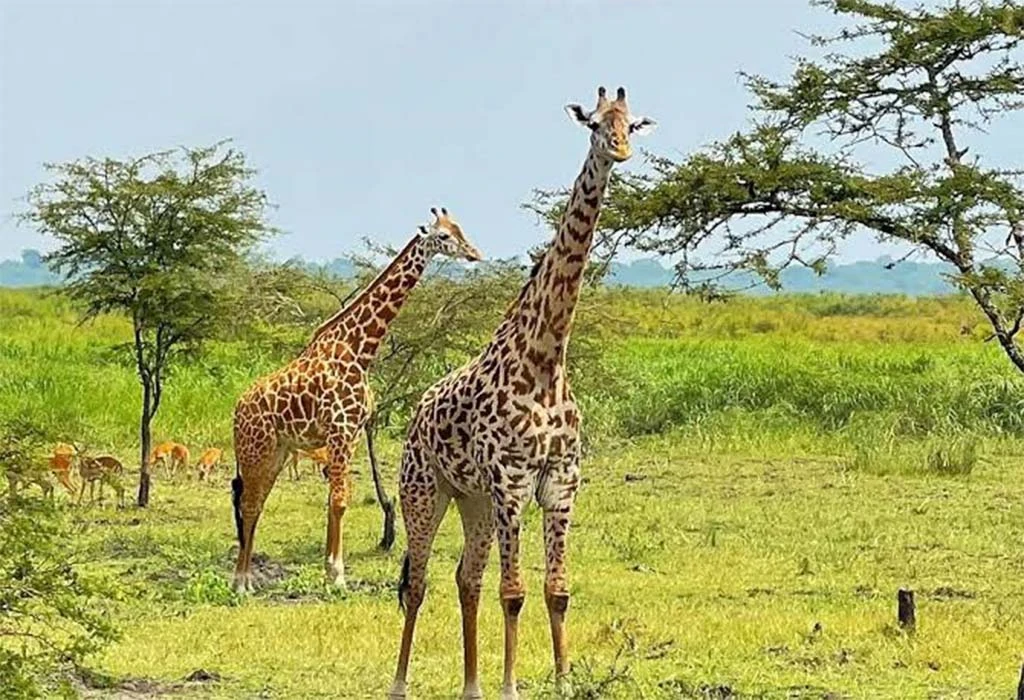
However, the Serengeti is far more than a migration destination. Throughout the year, visitors can enjoy exceptional game viewing. Lions patrol the grasslands, cheetahs scan the open plains for prey, and leopards rest in the branches of acacia trees. Large elephant herds, buffalo, giraffes, and numerous antelope species further enrich the experience.
Regardless of when you visit, the Serengeti provides outstanding wildlife encounters and breathtaking scenery.
Masai Mara National Reserve, Kenya – Home of the Famous River Crossings
Witness Nature’s Greatest Drama
Bordering the Serengeti in neighboring Tanzania, the Masai Mara forms part of the same ecosystem and hosts a significant portion of the Great Migration each year.
Between August and October, enormous herds of wildebeest gather along the Mara River before making perilous crossings. As they plunge into the water, powerful currents and lurking crocodiles create one of nature’s most dramatic spectacles. These river crossings attract wildlife enthusiasts and photographers from around the world.
Exceptional Wildlife Throughout the Year
Beyond migration season, the reserve remains one of Africa’s premier safari destinations. Its open grasslands provide excellent visibility, making it easier to spot predators. Lions, cheetahs, and leopards thrive here, while elephants, giraffes, and numerous plains game species are commonly seen throughout the reserve.
The iconic acacia-dotted landscape captures the essence of the classic African safari and continues to inspire travelers year after year.
Ngorongoro Crater, Tanzania – A Natural Wildlife Sanctuary
The World’s Largest Intact Volcanic Caldera
The Ngorongoro Crater is one of Africa’s most unique natural wonders. Formed by the collapse of a massive volcano millions of years ago, it is now the world’s largest intact volcanic caldera and a designated UNESCO World Heritage Site.
The crater floor covers approximately 100 square miles and supports an impressive concentration of wildlife. Permanent water sources and fertile grazing areas allow thousands of animals to thrive within its natural boundaries throughout the year.
Reliable Wildlife Viewing
One of the greatest advantages of visiting Ngorongoro is the reliability of wildlife sightings. In a single day, visitors often encounter lions, elephants, buffalo, hyenas, zebras, wildebeest, and numerous bird species. The crater is also one of the best places in East Africa to observe the endangered black rhinoceros.
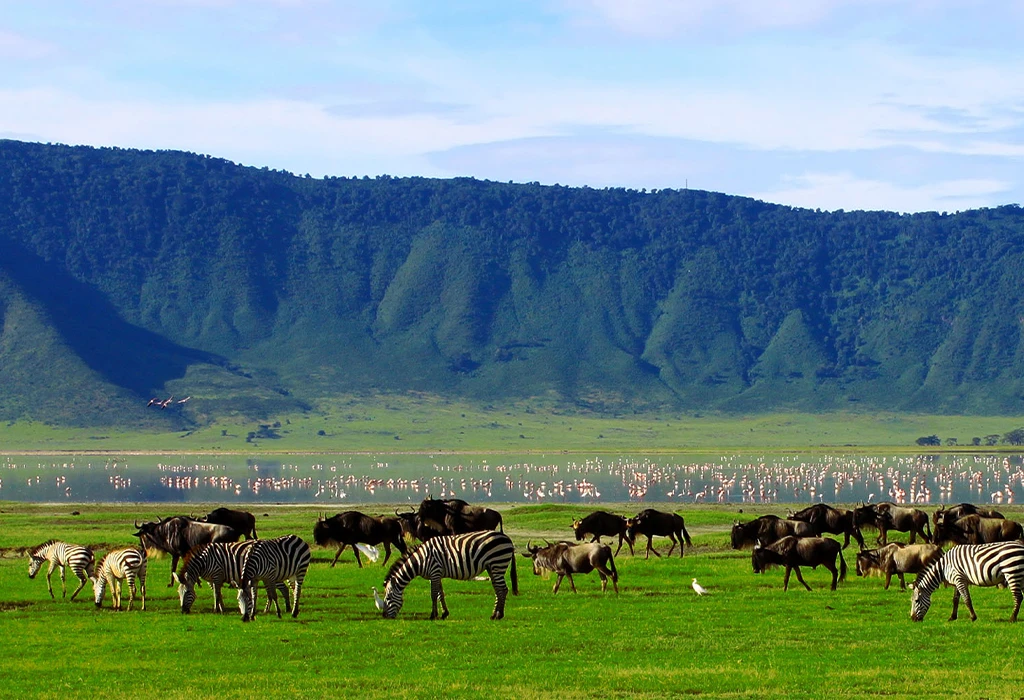 Adding to the experience is the dramatic scenery. The steep crater walls rise more than 2,000 feet above the floor, creating a spectacular backdrop for every game drive.
Bwindi Impenetrable National Park, Uganda – The Gorilla Trekking Capital
A Life-Changing Gorilla Encounter
While East Africa is famous for traditional safaris, Bwindi Impenetrable National Park offers an entirely different kind of adventure.
Nestled within the mist-covered hills of southwestern Uganda, this ancient rainforest protects more than half of the world’s remaining mountain gorillas. Trekking through the dense vegetation to find these magnificent primates is widely regarded as one of Africa’s most life-changing wildlife experiences.
Beyond Gorilla Trekking
The journey itself can be challenging, involving hikes through steep terrain and thick forest. However, every effort is rewarded the moment visitors come face-to-face with a gorilla family. Observing their social interactions, gentle behavior, and striking resemblance to humans creates a profound connection with nature.
Bwindi also offers the Gorilla Habituation Experience, allowing visitors to spend extended time with gorillas that are gradually becoming accustomed to human presence. This provides deeper insight into gorilla behavior and conservation efforts.
In addition to gorillas, the forest is home to numerous bird species, monkeys, butterflies, and unique plant life, making it a biodiversity hotspot.
Volcanoes National Park, Rwanda – Luxury Gorilla Encounters
Rwanda’s Conservation Success Story
Located in the Virunga Mountains, Volcanoes National Park is one of Africa’s most renowned conservation success stories. It gained international recognition through the pioneering work of Dian Fossey, whose efforts played a crucial role in protecting mountain gorillas from extinction.
Today, the park offers some of the most accessible gorilla trekking experiences in the region. Visitors arriving in Kigali can reach the park within a few hours, making it an attractive option for those with limited travel time.
More Than Just Gorillas
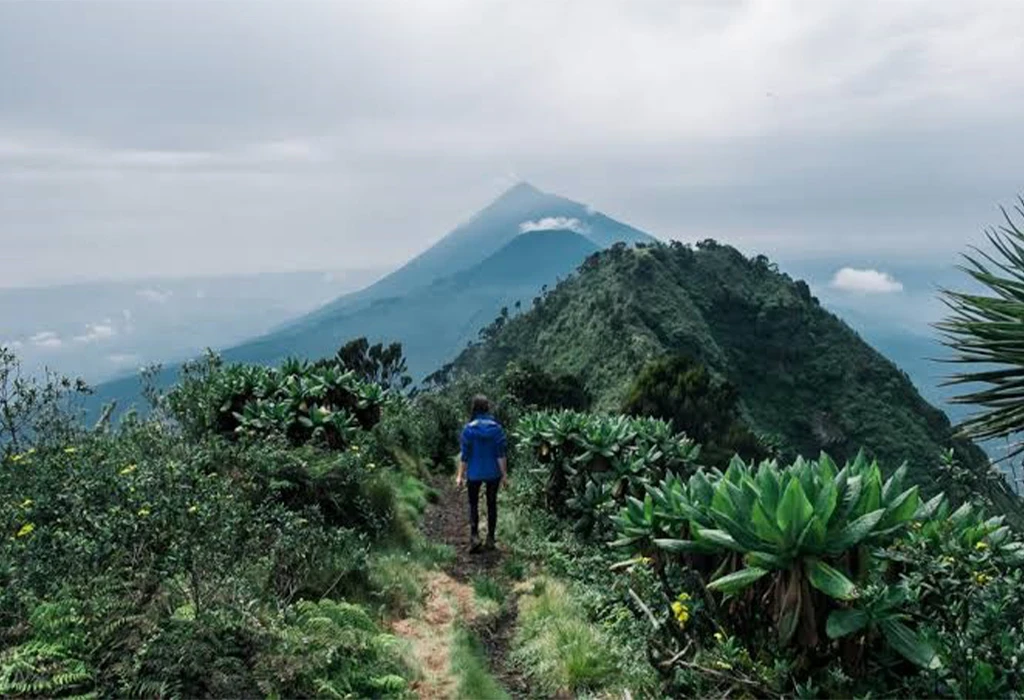
The park’s dramatic volcanic landscapes, bamboo forests, and lush vegetation create a stunning environment for trekking. In addition to gorillas, visitors can track the rare golden monkeys that inhabit the lower slopes of the mountains.
The combination of excellent infrastructure, luxury accommodations, and remarkable wildlife encounters makes Volcanoes National Park one of East Africa’s most sought-after destinations.
Amboseli National Park, Kenya – Giants Beneath Kilimanjaro
Famous Elephant Herds and Stunning Views
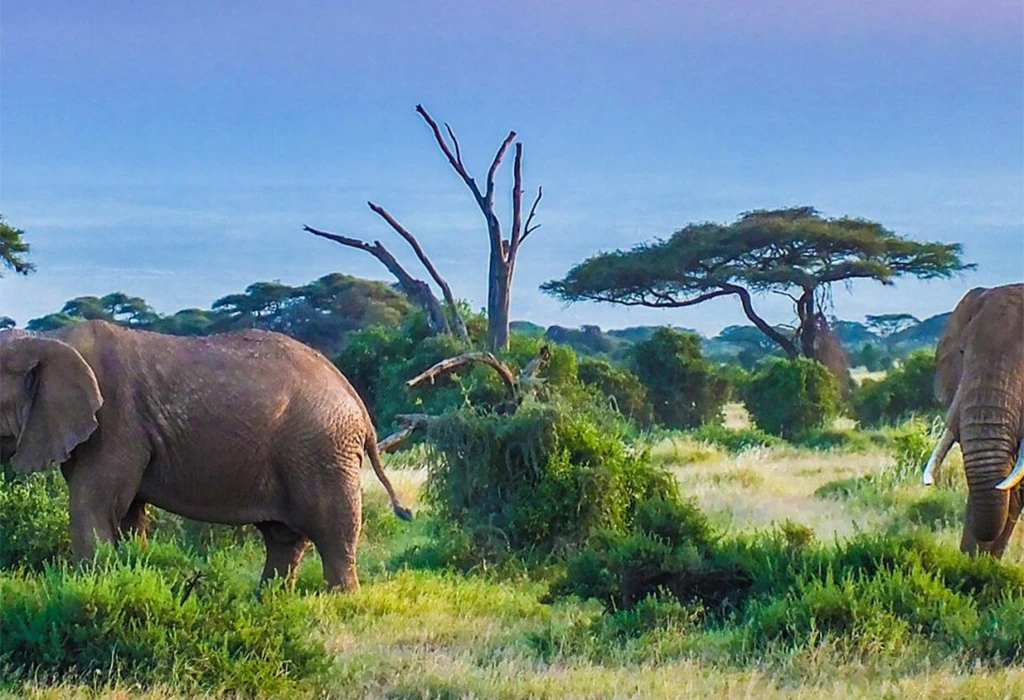
Amboseli National Park is famous for one of Africa’s most iconic safari scenes: large elephant herds roaming the plains with Mount Kilimanjaro rising majestically in the background.
The park is home to some of Africa’s largest tuskers, many of which have been studied for decades. These magnificent elephants are often seen moving across the open landscape, creating extraordinary photographic opportunities.
A Paradise for Wildlife Lovers
The relatively flat terrain makes wildlife viewing easy and enjoyable. Besides elephants, visitors frequently encounter buffalo, zebras, wildebeest, giraffes, and various predators. Bird enthusiasts are equally rewarded, with more than 400 recorded bird species inhabiting the wetlands and surrounding habitats.
On clear mornings, Kilimanjaro’s snow-capped summit provides a breathtaking backdrop that defines the Amboseli experience.
Tarangire National Park, Tanzania – The Hidden Treasure
Tanzania’s Underrated Safari Gem
Although often overshadowed by the Serengeti and Ngorongoro, Tarangire National Park is one of Tanzania’s most rewarding safari destinations.
During the dry season, wildlife gathers around the permanent Tarangire River, creating exceptional game-viewing opportunities. Massive elephant herds, sometimes numbering several hundred individuals, are among the park’s greatest attractions.
Ancient Baobabs and Incredible Wildlife
Tarangire is also known for its ancient baobab trees, some of which are estimated to be more than a thousand years old. These giant trees dominate the landscape and give the park a distinctive character.
In addition to elephants, visitors can encounter lions, leopards, cheetahs, giraffes, buffalo, and a wide variety of antelope species. The park’s lower visitor numbers allow for a quieter and more intimate safari experience compared to some of East Africa’s more famous destinations.
Best Time to Visit East Africa
The best time to visit most East African safari destinations is during the dry seasons, particularly between June and October. During this period, wildlife gathers around water sources, vegetation becomes less dense, and animal sightings are generally easier.
January and February also provide excellent game viewing while offering fewer crowds in many parks. Travelers interested in gorilla trekking should secure permits several months in advance, especially during peak travel periods.
Conclusion
East Africa offers safari experiences for every type of traveler, from budget-friendly adventures to exclusive luxury journeys. Whether your dream is witnessing the Great Migration, exploring volcanic landscapes, or standing just a few meters from a mountain gorilla, the region delivers extraordinary memories at every turn.
A journey through East Africa is more than a vacation. It is an opportunity to experience some of the world’s most remarkable wildlife, cultures, and landscapes in one unforgettable adventure.