
Why Uganda Is More Affordable Than Rwanda
Planning a safari in East Africa often begins with comparing Uganda and Rwanda, especially for travelers hoping to see mountain gorillas. While both countries offer unforgettable wildlife experiences, Uganda remains the more affordable destination in almost every aspect of travel. From gorilla trekking permits and accommodation to transport and daily expenses, visitors can enjoy an exceptional safari at a much lower cost.
The difference in pricing is not accidental. Instead, it reflects two distinct tourism strategies. Uganda focuses on making wildlife experiences accessible to a wider range of travelers, while Rwanda has positioned itself as a luxury destination with premium pricing. Understanding these differences helps travelers choose the destination that best suits their budget and travel expectations.
Gorilla Trekking Permit Prices Make the Biggest Difference
The largest expense on any gorilla safari is usually the trekking permit. As a result, permit prices have the greatest impact on the overall cost of the trip.
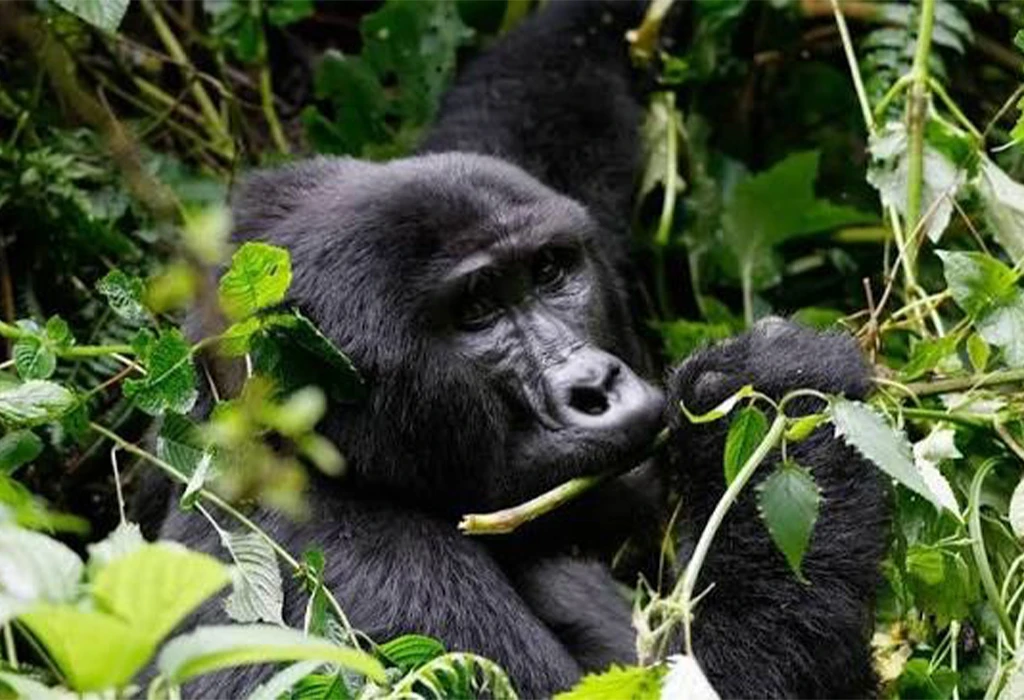
Uganda currently charges USD 800 for a gorilla trekking permit for foreign non-residents. The permit allows visitors to spend one unforgettable hour observing a habituated mountain gorilla family in either Bwindi Impenetrable National Park or Mgahinga Gorilla National Park. This pricing makes gorilla trekking achievable for many international travelers, including couples, families, solo adventurers, and photographers.
Rwanda, on the other hand, charges USD 1,500 for a gorilla trekking permit in Volcanoes National Park. This price is nearly double Uganda’s permit fee and reflects Rwanda’s long-term strategy of attracting fewer visitors while generating higher revenue from each tourist.
For a couple, the difference amounts to USD 1,400 before accommodation, transport, meals, or park activities are even considered. Families and groups save even more by choosing Uganda, making it possible to include additional wildlife experiences without dramatically increasing the travel budget.
Many travelers use the money saved on permits to enjoy chimpanzee trekking, game drives, boat safaris, cultural experiences, or extra nights in Uganda’s national parks.
Accommodation Is Available for Every Budget
Accommodation is another area where Uganda offers significantly better value.
One of Uganda’s greatest advantages is the wide variety of lodging options available throughout the country. Whether travelers are looking for budget guesthouses, comfortable mid-range lodges, or luxury safari camps, they can easily find accommodation that matches their financial plans.
Budget accommodation near popular parks often ranges between USD 30 and USD 60 per night. These facilities usually provide clean rooms, hot showers, comfortable beds, and simple meals, making them suitable for travelers who prefer to spend more on wildlife activities than luxury lodging.
Mid-range lodges generally cost between USD 80 and USD 150 per night. They often include spacious cottages, private bathrooms, quality restaurants, beautiful gardens, and excellent hospitality. Many of these properties provide outstanding value while maintaining high service standards.
Luxury accommodation in Uganda is also relatively affordable. Many upscale safari lodges charge between USD 200 and USD 500 per night, allowing travelers to enjoy premium comfort without paying the exceptionally high prices found elsewhere in the region.
In Rwanda, however, accommodation is largely centered around luxury tourism. Lodges near Volcanoes National Park commonly start at USD 150 to USD 250 for mid-range options, while luxury properties frequently exceed USD 500 or even USD 1,000 per night.
Because budget accommodation is limited near Rwanda’s gorilla trekking area, travelers often have fewer affordable choices. Consequently, accommodation costs can substantially increase the total safari budget.
Daily Living Costs Are Lower in Uganda
The savings do not stop with permits and accommodation. Everyday expenses throughout the safari are generally lower in Uganda, allowing visitors to stretch their travel budgets even further.
Food, transportation, shopping, and local services all tend to cost less than they do in Rwanda. Local restaurants serve delicious traditional meals at very reasonable prices, while fresh fruits, vegetables, and snacks are widely available at affordable rates.
A satisfying local meal in Uganda may cost only a few dollars, whereas a similar meal in Rwanda often costs considerably more. Even restaurants serving international cuisine generally offer better value in Uganda.
Over several days or weeks, these seemingly small differences add up and create meaningful savings for travelers.
Transportation Is More Affordable
Transport plays an important role in the overall cost of any safari.
Uganda has a large network of safari operators, vehicle rental companies, and experienced guides. Healthy competition within the tourism industry helps keep transportation prices relatively affordable.
Private safari vehicles, driver-guides, and fuel costs are generally lower than similar services in Rwanda. Travelers also benefit from greater flexibility when planning itineraries because Uganda offers numerous routes connecting its national parks.
Although Uganda covers a larger geographical area, competitive pricing often balances the additional travel distances. Many visitors find that they receive better overall value for their transportation expenses.
Uganda Offers More Wildlife Experiences for the Same Budget
One major advantage of traveling in Uganda is the opportunity to combine several wildlife experiences within a single itinerary without dramatically increasing costs.
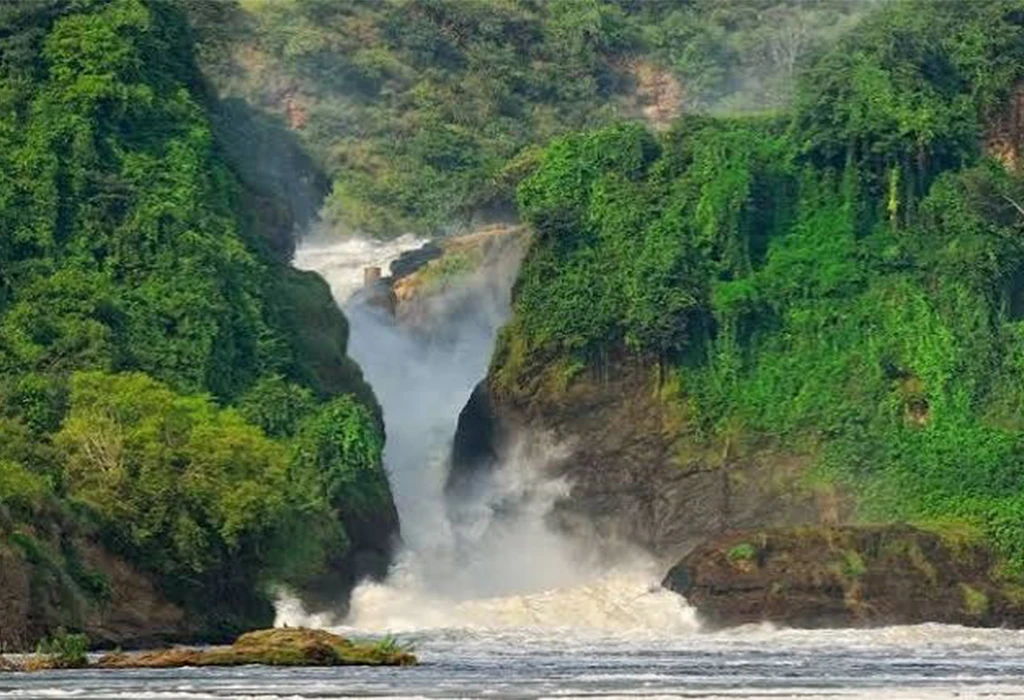
The money saved on gorilla permits alone can often pay for chimpanzee trekking in Kibale National Park, game drives in Queen Elizabeth National Park, boat cruises on the Kazinga Channel, or wildlife viewing in Murchison Falls National Park.
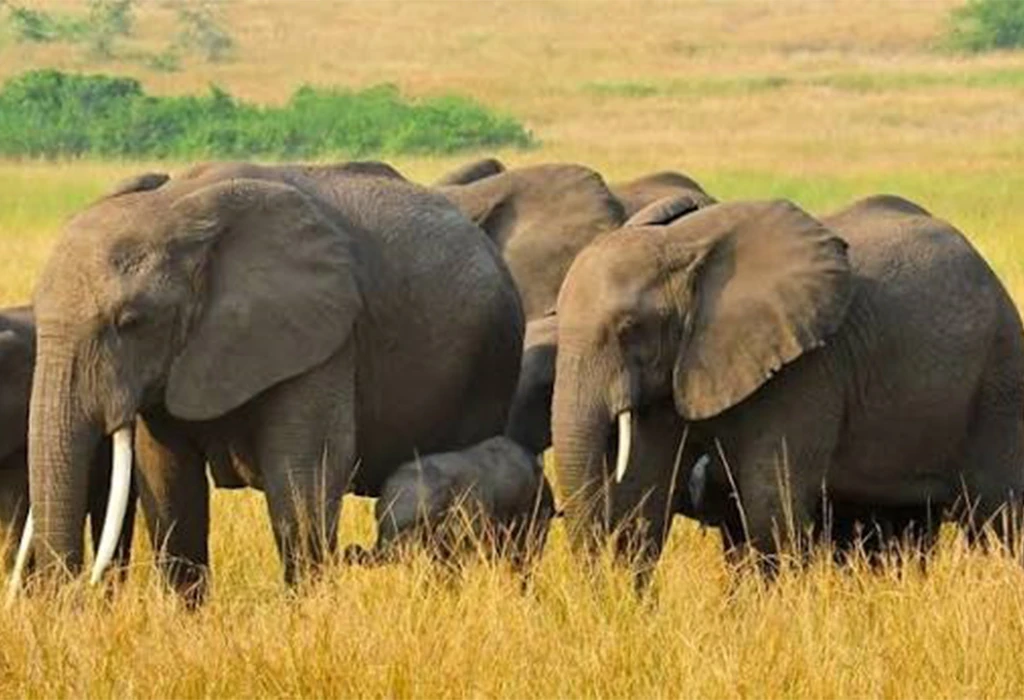 Visitors can also spend additional nights exploring destinations such as Lake Mburo National Park, Ziwa Rhino Sanctuary, or the beautiful landscapes around Lake Bunyonyi without exceeding their original travel budget.
As a result, Uganda allows travelers to experience greater diversity during one safari.
Different Tourism Strategies Explain the Price Difference
The pricing differences between Uganda and Rwanda are based on two successful but very different tourism models.
Rwanda has intentionally positioned itself as a premium safari destination. Higher permit prices, luxury accommodation, and carefully managed visitor numbers support conservation while creating an exclusive travel experience. This approach attracts visitors seeking high-end services, convenience, and luxury.
Uganda, by contrast, has focused on making wildlife tourism accessible to a broader range of international travelers. Moderate permit prices, varied accommodation choices, and competitive tourism services encourage longer stays and allow more people to experience mountain gorillas and other wildlife.
Neither approach is better than the other. Instead, each country serves a different segment of the tourism market.
Excellent Conservation in Both Countries
Although Uganda is more affordable, both Uganda and Rwanda remain committed to protecting mountain gorillas and their forest habitats.
Revenue generated through gorilla permits contributes directly to conservation programs, ranger patrols, veterinary care, scientific research, habitat protection, and community development projects surrounding the national parks.
Therefore, regardless of which country travelers choose, their permit fees help safeguard one of the world’s most endangered primate species for future generations.
Which Destination Offers Better Value?
For travelers whose priority is maximizing their safari budget, Uganda offers outstanding value. Lower permit costs, affordable accommodation, inexpensive meals, and competitive transportation allow visitors to enjoy longer and more diverse safaris without compromising the quality of the experience.
Rwanda remains an excellent destination for travelers who prioritize luxury accommodation, shorter transfer times, and premium travel experiences. However, these advantages come with significantly higher costs.
Ultimately, both countries provide extraordinary opportunities to observe mountain gorillas in their natural habitat. The decision depends on individual travel preferences, available budget, and the type of safari experience each traveler hopes to enjoy.
For most visitors seeking exceptional wildlife encounters at a reasonable cost, Uganda continues to stand out as one of Africa’s best-value safari destinations. It offers unforgettable gorilla trekking, remarkable biodiversity, welcoming hospitality, and the opportunity to experience multiple national parks within a single, affordable journey.