
Queen Elizabeth National Park Safari.
A Queen Elizabeth National Park safari offers one of Uganda’s most rewarding wildlife adventures. Located in the western part of the country, this remarkable protected area covers nearly 2,000 square kilometers and remains Uganda’s most visited national park. Its stunning combination of savannah grasslands, wetlands, forests, crater lakes, and diverse wildlife creates an unforgettable safari experience for travelers from around the world.
From the famous tree-climbing lions of Ishasha to the thriving hippo populations along the Kazinga Channel, every corner of the park provides exciting opportunities to witness nature at its finest. Whether you are a first-time safari traveler or an experienced wildlife enthusiast, Queen Elizabeth National Park delivers a perfect blend of adventure, scenery, and authentic African wilderness.
Exceptional Wildlife Viewing Opportunities
One of the greatest attractions of Queen Elizabeth National Park is its incredible biodiversity. The park supports a wide variety of ecosystems, each providing suitable habitats for different wildlife species. As a result, visitors can enjoy some of the most diverse wildlife viewing experiences in East Africa.
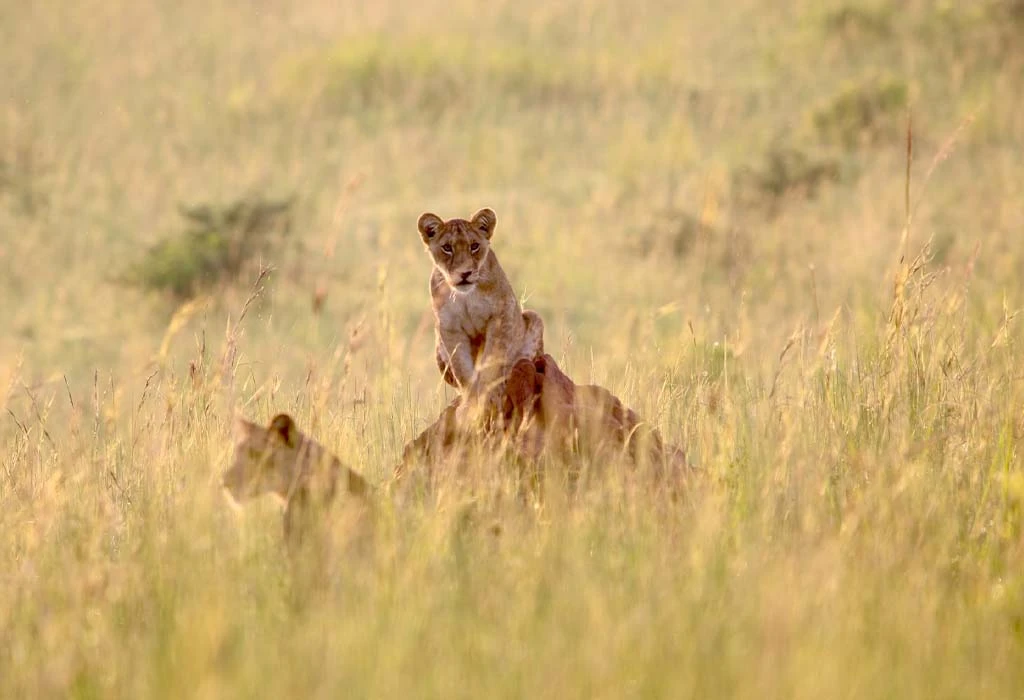
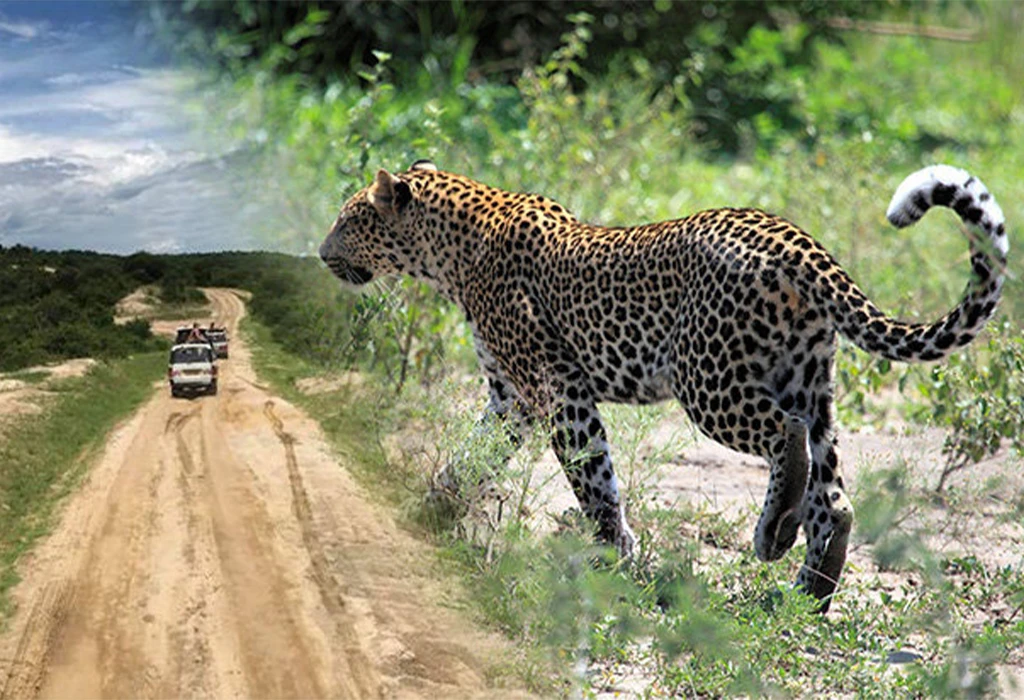
Large herds of elephants roam the open plains, while buffalo gather in impressive numbers throughout the park. Uganda kobs, waterbucks, warthogs, and bushbucks are commonly seen grazing peacefully across the savannah. In addition, predators such as lions, leopards, and spotted hyenas patrol the landscape in search of prey.
The varied habitats also support numerous smaller mammals, reptiles, and bird species. Consequently, every game drive presents new opportunities to discover wildlife in its natural environment.
Exciting Game Drive Experiences
Game drives remain one of the highlights of any Queen Elizabeth National Park safari. The extensive network of tracks allows visitors to explore different sections of the park while searching for wildlife.
The Kasenyi Plains, located in the northern region of the park, are among the most productive game-viewing areas. These vast grasslands attract large numbers of Uganda kobs, which in turn draw predators such as lions and leopards. Early morning game drives are particularly rewarding because animals are generally more active during the cooler hours of the day.
As the sun rises over the savannah, visitors can observe wildlife emerging from the night’s activities. Likewise, evening drives provide excellent opportunities to witness animals preparing for another night in the wilderness.
Discover the Famous Tree-Climbing Lions
The Ishasha sector, situated in the southern part of the park, is internationally renowned for its tree-climbing lions. This unusual behavior is rarely observed elsewhere in Africa, making Ishasha one of the continent’s most unique safari destinations.
These remarkable lions are often seen resting on the branches of large fig trees during the hottest hours of the day. Researchers believe they climb trees to escape insects, avoid ground heat, and gain a better view of their surroundings.
For photographers, few experiences compare to capturing images of these magnificent predators relaxing high above the savannah. Their distinctive behavior has become one of the defining features of Queen Elizabeth National Park.
The Spectacular Kazinga Channel Boat Safari
No safari in Queen Elizabeth National Park is complete without a boat cruise along the Kazinga Channel. This natural waterway connects Lake George and Lake Edward and serves as a vital source of water for countless wildlife species.
The boat safari offers a completely different perspective from traditional game drives. As visitors travel along the channel, they encounter some of the highest concentrations of hippos found anywhere in Africa. Hundreds of these massive animals can often be seen resting in the water or gathering along the shoreline.
At the same time, enormous Nile crocodiles bask on the banks while elephants, buffalo, and antelope frequently visit the channel to drink. Because wildlife is naturally drawn to the water, the cruise provides exceptional viewing opportunities throughout the journey.
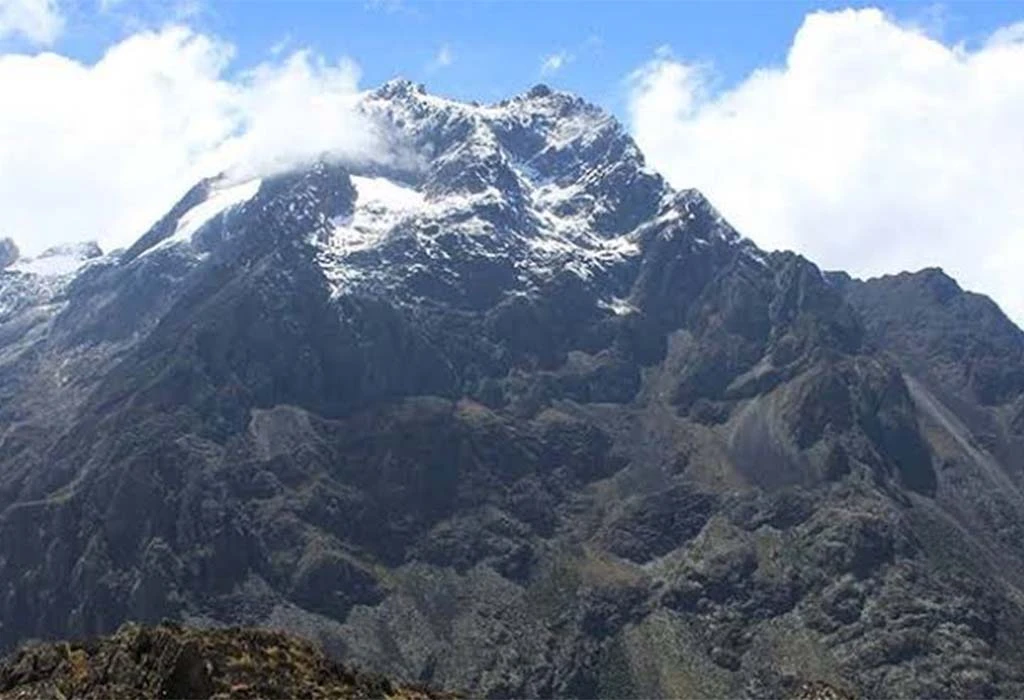
The scenery itself is equally impressive, with panoramic views of surrounding hills, wetlands, and distant mountains creating a memorable backdrop for photography.
A Paradise for Bird Watchers
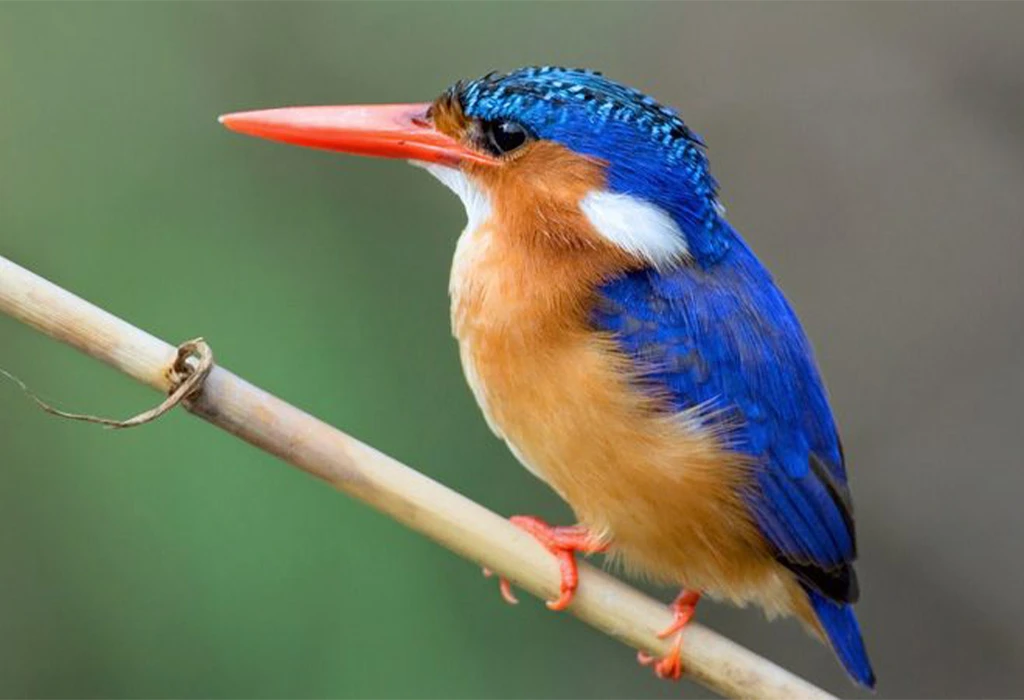
Queen Elizabeth National Park is also considered one of Africa’s premier birding destinations. More than 600 bird species have been recorded within the park, making it a paradise for bird enthusiasts.
Visitors may encounter African fish eagles soaring overhead, colorful kingfishers darting across the water, and countless waterbirds feeding along the shoreline. Wetlands, forests, grasslands, and crater lakes all contribute to the park’s extraordinary avian diversity.
 During certain seasons, migratory birds join resident species, further increasing the number of birds that can be observed. Therefore, birdwatching remains a rewarding activity throughout the year.
Chimpanzee Tracking in Kyambura Gorge
Beyond traditional wildlife safaris, Queen Elizabeth National Park offers visitors the opportunity to track chimpanzees in their natural habitat. The dramatic Kyambura Gorge, often referred to as the “Valley of Apes,” provides a unique setting for this experience.
This lush forested gorge cuts deep through the surrounding savannah, creating a striking contrast between two distinct ecosystems. Guided walks lead visitors into the gorge where habituated chimpanzees can be observed feeding, grooming, and interacting with one another.
Watching these intelligent primates in the wild provides fascinating insight into their complex social behavior and close relationship to humans.
Explore Nature on Foot
For travelers seeking a more intimate connection with nature, guided nature walks offer a wonderful alternative to vehicle-based safaris. Walking through the park allows visitors to appreciate smaller details often overlooked during game drives.
Experienced guides introduce guests to native plants, insects, birds, and animal tracks while explaining the ecological relationships that sustain the park’s biodiversity. Nature walks also provide opportunities to explore forests, crater lakes, and scenic viewpoints.
These excursions create a deeper understanding of the landscape and offer a refreshing change of pace during a safari itinerary.
Cultural Experiences Around the Park
A visit to Queen Elizabeth National Park can also include meaningful cultural experiences with neighboring communities. These encounters allow visitors to learn about local traditions, livelihoods, and history.
One particularly fascinating experience involves visiting the salt mining communities near Lake Katwe. Here, traditional salt extraction methods have been practiced for generations and continue to support many local families today.
Cultural visits not only enrich the safari experience but also provide valuable insight into how communities coexist alongside one of Uganda’s most important conservation areas.
Best Time to Visit Queen Elizabeth National Park
Although the park can be visited throughout the year, certain seasons offer advantages for specific activities.
The dry seasons, which typically occur from January to February and June to September, are often considered the best periods for wildlife viewing. During these months, vegetation becomes less dense, making animals easier to spot. Furthermore, wildlife tends to gather around permanent water sources, increasing viewing opportunities.
On the other hand, the rainy seasons bring lush green landscapes, dramatic skies, and excellent birdwatching conditions. The scenery becomes particularly beautiful, creating ideal conditions for photography.
Ultimately, each season offers unique experiences, and the best time to visit depends on individual interests and travel preferences.
Safari Costs and Budget Planning
Queen Elizabeth National Park accommodates a wide range of budgets, making it accessible to many different types of travelers.
Budget safaris generally include transportation, accommodation, meals, game drives, and a boat cruise while keeping costs affordable. Mid-range options provide greater comfort, upgraded facilities, and additional services. Luxury safaris offer premium accommodations, personalized guiding, fine dining, and exclusive experiences designed for travelers seeking maximum comfort.
Additional activities such as chimpanzee tracking, guided walks, and cultural tours may require separate fees. Therefore, visitors should carefully review inclusions when planning their safari budget.
Accommodation Options
The park and surrounding areas provide accommodation choices suitable for every type of traveler. Visitors can choose from luxury safari camps, comfortable mid-range lodges, and budget-friendly campsites.
Many properties enjoy spectacular views of the savannah, crater lakes, forests, or the Kazinga Channel. Regardless of budget level, travelers can find comfortable accommodation that complements their safari experience while providing easy access to the park’s major attractions.
Conclusion
A Queen Elizabeth National Park safari offers an extraordinary journey into one of Africa’s most diverse and beautiful wildlife destinations. With its abundant wildlife, famous tree-climbing lions, spectacular boat cruises, chimpanzee tracking adventures, exceptional birdlife, and rich cultural experiences, the park delivers something for every traveler.
Whether exploring the vast savannah plains, cruising along the wildlife-rich Kazinga Channel, or walking through hidden forest trails, visitors leave with unforgettable memories and a deeper appreciation for Uganda’s natural heritage. For anyone seeking a truly authentic African safari experience, Queen Elizabeth National Park remains one of the finest destinations on the continent