

How to Combine Gorilla Trekking with Cultural Safaris
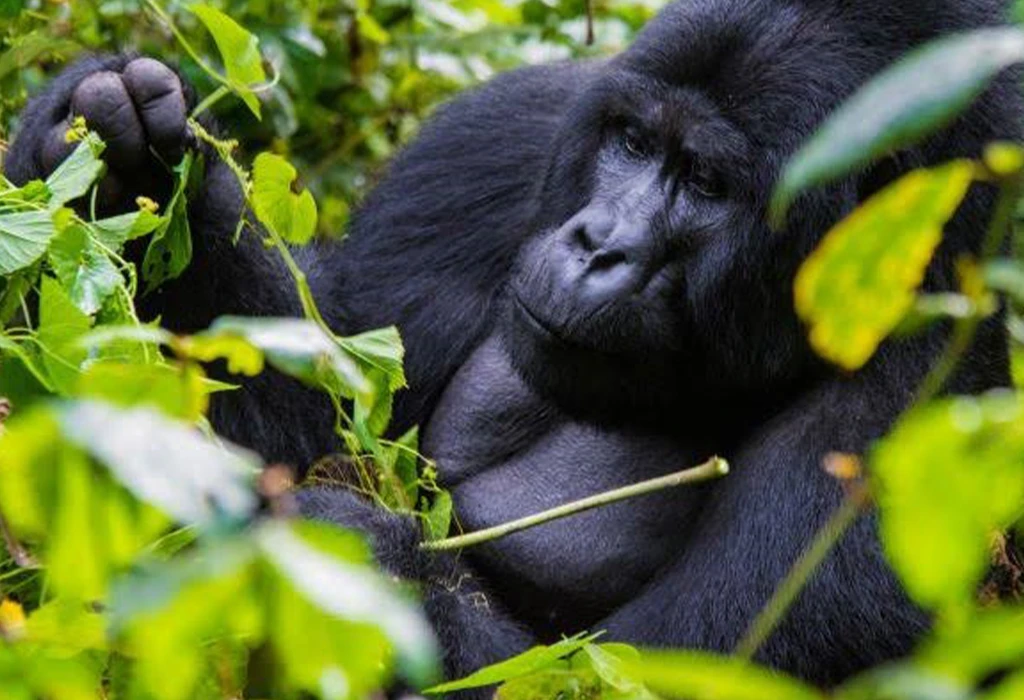
Gorilla trekking is one of the most extraordinary wildlife experiences in the world. Standing just a few metres away from a family of endangered mountain gorillas as they feed, play, and interact in their natural habitat creates memories that last a lifetime. However, a safari in Uganda or Rwanda can become even more meaningful when you combine this remarkable wildlife encounter with authentic cultural experiences. The communities living around the gorilla habitats have protected these landscapes for generations and continue to preserve traditions that reveal the true identity of East Africa.
At Experiya Tour Company, we believe the best safaris combine breathtaking wildlife encounters with genuine cultural immersion. By exploring local traditions, meeting indigenous communities, and learning about their history, visitors gain a deeper appreciation of both the people and the landscapes that make Uganda and Rwanda exceptional destinations.
Why Combine Gorilla Trekking with Cultural Experiences?
Although gorilla trekking is often the highlight of any East African safari, it represents only one part of the region’s incredible story. The forests that shelter mountain gorillas have also been home to indigenous communities for centuries. These communities possess unique knowledge of the forests, traditional medicine, music, dance, storytelling, and craftsmanship that has been passed from one generation to another.
Combining cultural activities with gorilla trekking allows travellers to experience the destination from different perspectives. While the gorillas showcase the richness of Africa’s wildlife, cultural encounters reveal the traditions, values, and daily lives of the people who have lived alongside these forests for generations. As a result, your safari becomes more personal, educational, and rewarding.
Choose the Right Gorilla Trekking Destination
Selecting the right destination is the first step in creating a well-balanced itinerary. Uganda and Rwanda both offer outstanding gorilla trekking experiences, yet each destination presents unique cultural opportunities.
Bwindi Impenetrable National Park
Bwindi Impenetrable National Park in southwestern Uganda is home to nearly half of the world’s remaining mountain gorillas. Its dense rainforest not only supports incredible biodiversity but also preserves the history of the Batwa people, who once lived within the forest before conservation efforts relocated them.
After completing your gorilla trek, you can visit a Batwa community to learn about their fascinating way of life. During these cultural visits, local guides demonstrate ancient hunting techniques, explain the medicinal uses of forest plants, share traditional storytelling, and show visitors how they once made fire using natural materials. These experiences provide valuable insight into how the Batwa lived in harmony with the forest for thousands of years.
Volcanoes National Park
Volcanoes National Park in northern Rwanda offers spectacular scenery with towering volcanic peaks covered in bamboo forests and mist. Besides unforgettable gorilla trekking adventures, the park also provides excellent cultural experiences nearby.
One of the most popular attractions is the Gorilla Guardians Cultural Village. Here, visitors enjoy energetic traditional dances, music performances, local cuisine, and demonstrations of ancient Rwandan customs. Former hunters, now dedicated conservation ambassadors, share their personal journeys and explain how wildlife conservation has transformed local communities. Because the cultural village is located close to the park entrance, it fits perfectly into most safari itineraries.
Mgahinga Gorilla National Park
Mgahinga Gorilla National Park, located in southwestern Uganda, offers a quieter gorilla trekking experience within the Virunga Mountains. Beyond gorilla encounters, the park is famous for the Batwa Trail, one of the country’s most authentic cultural experiences.
The Batwa Trail takes visitors through the forest with Batwa guides who explain their traditional lifestyle and their close relationship with nature. Along the journey, visitors explore the historic Garama Cave, which once served as an important cultural and spiritual site for the Batwa people. Combining gorilla trekking with the Batwa Trail creates a memorable journey that blends wildlife, history, and indigenous culture.
Book Gorilla Permits Before Planning Other Activities
Gorilla permits are the most important part of your safari planning. Since only a limited number of visitors are allowed to trek each day, permits often sell out several months in advance, particularly during the peak travel seasons between June and September and from December to February.
In Uganda, permits currently cost USD 800 for foreign non-residents, USD 700 for foreign residents, USD 500 for African residents, and UGX 300,000 for East African Community citizens. Rwanda charges USD 1,500 for foreign non-residents, while foreign residents pay USD 500 and East African Community citizens pay USD 200.
Each permit allows visitors to spend one unforgettable hour observing a habituated gorilla family after trackers locate them. Once your permit has been secured, you can easily arrange cultural experiences through Experiya Tour Company or your accommodation.
Plan Your Schedule Carefully
A successful itinerary balances adventure with relaxation. Gorilla trekking usually begins early in the morning with a briefing from park rangers before visitors enter the forest. Depending on the gorillas’ location, the trek may last anywhere between two and seven hours.
Because trekking times are unpredictable, cultural activities are best scheduled for the afternoon or the following day. This flexible approach ensures you have enough time to rest after your hike while still enjoying meaningful cultural experiences.
On days without gorilla trekking, visitors can enjoy additional adventures such as golden monkey tracking, guided nature walks, local market visits, coffee tours, traditional cooking lessons, or handicraft workshops. These activities provide excellent opportunities to interact with residents while discovering the region’s rich heritage.
Stay in Community-Focused Lodges
Accommodation plays an important role in enhancing your safari experience. Choosing lodges that work closely with surrounding communities allows visitors to contribute directly to local development while enjoying authentic hospitality.
Many eco-lodges near Bwindi, Mgahinga, and Volcanoes National Park employ residents, support conservation projects, and purchase fresh produce from nearby farmers. In the evenings, guests may enjoy traditional dance performances, storytelling sessions around the campfire, or informal conversations with community guides.
These genuine interactions create memorable experiences without requiring extensive travel away from the lodge.
Pack for Both Gorilla Trekking and Cultural Visits
Packing wisely ensures a comfortable experience throughout your safari. Gorilla trekking requires practical clothing suitable for walking through dense rainforest. Long-sleeved shirts, long trousers, sturdy waterproof hiking boots, gardening gloves, and a lightweight waterproof jacket are highly recommended. Neutral-coloured clothing also helps visitors blend into the natural environment.
For cultural visits, comfortable and modest clothing is more appropriate. Lightweight outfits that cover the shoulders and knees show respect for local customs while remaining comfortable in warm weather.
 Remember to carry drinking water, sunscreen, insect repellent, a camera, spare batteries, and a small backpack for daily essentials. When taking photographs during community visits, always ask permission before photographing individuals, especially elders and children. Respectful behaviour often leads to warmer interactions and more meaningful travel experiences.
A Suggested Five-Day Gorilla and Cultural Safari
A five-day itinerary offers an excellent balance between wildlife and culture. On the first day, travellers arrive and transfer to their chosen national park while enjoying scenic landscapes along the journey. The second day is dedicated to gorilla trekking, followed by a relaxing evening at the lodge.
The third day focuses on cultural exploration through a Batwa community visit or a tour of the Gorilla Guardians Cultural Village, complemented by a traditional cooking experience or a local storytelling session. On the fourth day, travellers can enjoy golden monkey tracking or a guided forest walk before visiting local markets, craft centres, or community projects. Finally, the fifth day allows time for souvenir shopping before transferring to the airport for departure.
This itinerary provides a comfortable pace while allowing visitors to fully appreciate both the incredible wildlife and the rich cultural heritage of East Africa.
Create an Unforgettable Safari with Experiya Tour Company
Combining gorilla trekking with cultural experiences transforms an ordinary wildlife holiday into a life-changing journey. Watching mountain gorillas in their natural habitat is truly unforgettable, but understanding the people who have shared these forests for generations adds even greater depth to the experience.
At Experiya Tour Company, we carefully design itineraries that balance conservation, wildlife encounters, and authentic cultural interactions. Whether you choose Uganda, Rwanda, or a cross-border safari, our experienced team will help you create a personalised adventure that matches your interests, schedule, and budget.
From securing gorilla permits to arranging community visits, accommodation, and transportation, Experiya Tour Company ensures every detail is thoughtfully planned. The result is a seamless safari that allows you to experience the remarkable wildlife, vibrant cultures, and breathtaking landscapes that make East Africa one of the world’s most rewarding travel destinations.