
Top Safety Tips to Follow During an East African Safari
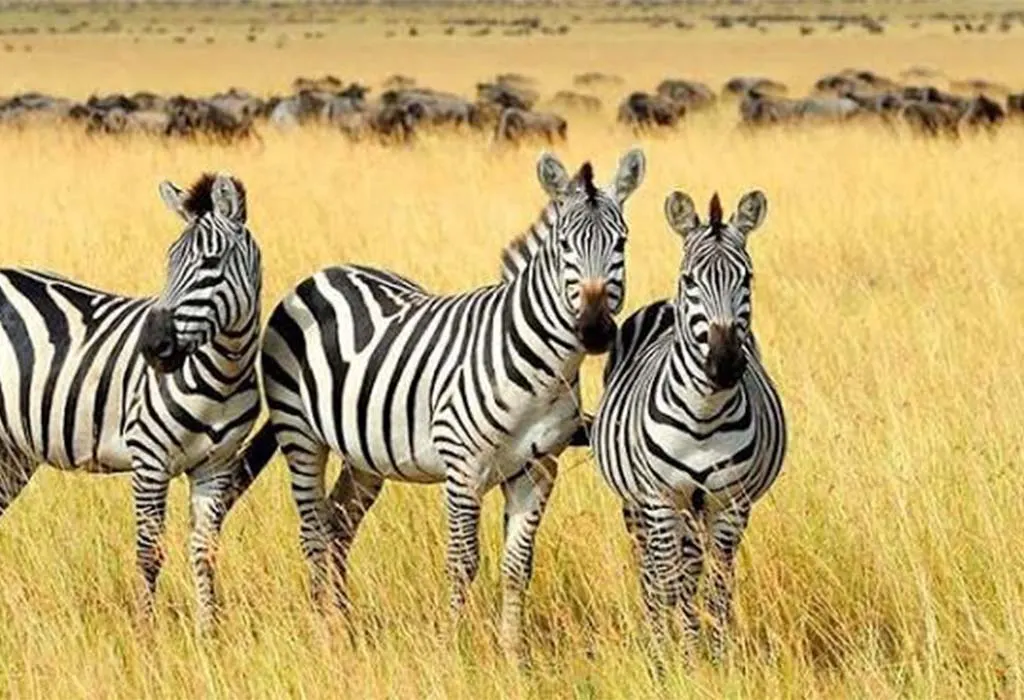
East African Safari Safety Tips offers travellers an unforgettable opportunity to explore beautiful landscapes, encounter incredible wildlife, and experience diverse African cultures. From Uganda’s mountain gorillas and tree-climbing lions to Kenya’s Great Migration and Tanzania’s vast Serengeti plains, East Africa provides some of the world’s most remarkable wildlife experiences.
However, every safari requires proper preparation and responsible behaviour. Travellers explore natural environments where wild animals roam freely, weather conditions can change unexpectedly, and long journeys may involve challenging roads. Therefore, understanding essential safety precautions helps visitors enjoy their adventures while protecting themselves, local communities, and wildlife.
Whether you are planning gorilla trekking in Uganda, a wildlife safari in Kenya, a Serengeti adventure in Tanzania, or a combined East African safari, Experiya Tour Company encourages every traveller to prioritise safety throughout the journey.
1. Choose a Reliable and Experienced Safari Tour Operator
Choosing a reliable safari tour operator is one of the most important steps towards enjoying a safe East African adventure. Experienced operators understand local destinations, wildlife behaviour, road conditions, accommodation standards, and national park regulations.
Before booking your safari, research the company, read customer reviews, and confirm that it uses qualified guides and professional drivers. Additionally, ask about vehicle maintenance, emergency arrangements, accommodation facilities, and travel insurance requirements.
Experiya Tour Company encourages travellers to choose knowledgeable safari professionals who understand the destinations they visit. An experienced guide provides valuable information, helps visitors follow safety instructions, and responds appropriately to unexpected situations.
Furthermore, a professional safari operator helps organise transportation, accommodation, park activities, and other travel arrangements. Consequently, visitors can concentrate on enjoying their safari while experienced professionals manage the important details.
2. Follow Wildlife Safety Guidelines
East Africa is home to numerous wild animals, including elephants, lions, leopards, buffaloes, hippos, crocodiles, and rhinoceroses. Although watching these animals in their natural habitats creates unforgettable memories, visitors must remember that they are wild and unpredictable.
Always maintain a safe distance from animals and follow your guide’s instructions. Never approach wildlife to take photographs, feed animals, attract their attention, or attempt to touch them.
Furthermore, remain inside your safari vehicle during game drives unless your guide identifies a designated safe area where visitors can leave the vehicle. Avoid shouting, making sudden movements, or using flash photography when it may disturb animals.
For example, when visiting Queen Elizabeth National Park, Murchison Falls National Park, the Maasai Mara, or Serengeti National Park, you may encounter large animals moving freely across the savannah. Therefore, allowing animals enough space reduces unnecessary risks and protects their natural behaviour.
Remember that wildlife encounters should happen naturally. Respecting animals and their habitats protects both visitors and the wildlife they have travelled to see.
3. Listen to Your Safari Guide
Professional safari guides play an important role in protecting visitors during wildlife adventures. They understand animal behaviour, park regulations, dangerous locations, and appropriate responses to different situations.
During game drives, walking safaris, and gorilla trekking experiences, listen carefully to every instruction provided by your guide. Never walk away from the group without permission or ignore warnings about dangerous wildlife.
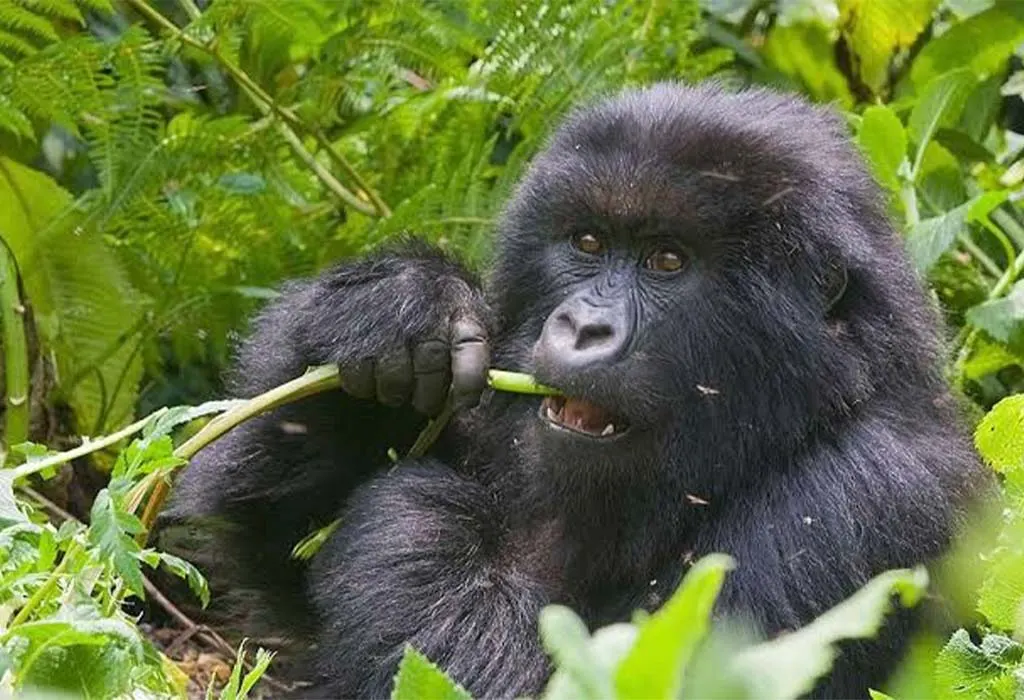
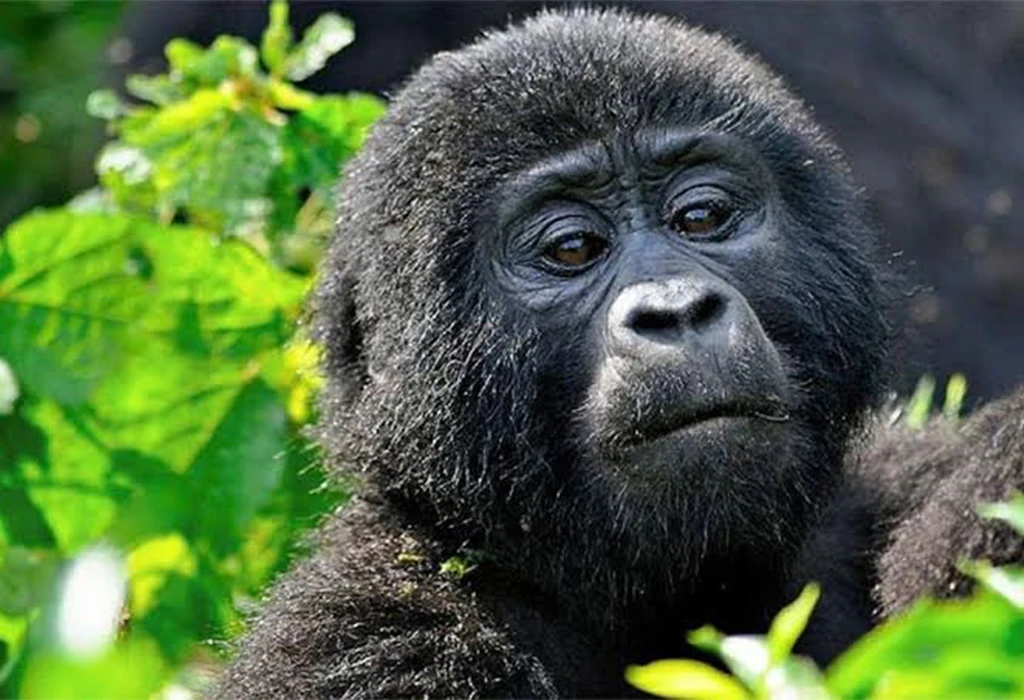
For example, gorilla trekking visitors must follow the instructions of park rangers when approaching mountain gorillas. Maintain the required distance, avoid sudden movements, and never attempt to touch the animals.
Similarly, during walking safaris in national parks such as Queen Elizabeth, Murchison Falls, and Akagera, remain close to your ranger and follow established walking routes.
If your guide asks you to remain quiet, return to the vehicle, or change your position, follow the instructions immediately. These precautions help prevent dangerous encounters and make your safari more enjoyable.
4. Carry Appropriate Clothing and Safari Equipment East African Safari Tips
Packing appropriate clothing and equipment contributes significantly to personal safety and comfort during an East African safari. Different destinations experience different weather conditions, so travellers should prepare for sunshine, rainfall, cold mornings, and dusty roads.
Choose comfortable, breathable clothing in neutral colours such as brown, green, khaki, and beige. These colours blend well with natural surroundings and reduce unnecessary disturbance to wildlife.
For gorilla trekking in Bwindi Impenetrable National Park and Volcanoes National Park, carry long-sleeved shirts, long trousers, waterproof jackets, gardening gloves, and strong hiking boots. These items protect your body from thorny vegetation, insects, mud, and rough walking conditions.
Additionally, pack sunscreen, sunglasses, a wide-brimmed hat, insect repellent, a reusable water bottle, and a small first-aid kit. A waterproof bag also helps protect your camera, mobile phone, and other valuable equipment during rainy conditions.
5. Observe Health and Hygiene Precautions
Good health preparation helps prevent illnesses and ensures that you enjoy your safari comfortably. Before travelling to East Africa, consult a qualified healthcare professional about recommended vaccinations, malaria prevention, and other health precautions for your destinations.
Malaria occurs in several East African safari destinations. Therefore, discuss suitable malaria prevention medication with your healthcare provider, use insect repellent, and sleep under treated mosquito nets where provided.
Additionally, drink safe drinking water and avoid consuming food from unhygienic places. Wash or sanitise your hands before eating, especially after visiting wildlife areas.
If you plan to participate in gorilla or chimpanzee trekking, inform your guide if you feel unwell. Great apes can catch some human respiratory infections, so park authorities may restrict sick visitors from participating in these activities.
6. Be Careful During Road Transfers and Game Drives
Most East African safaris involve travelling between national parks, lodges, cities, and other tourist attractions. Some journeys take several hours and involve rough roads, steep slopes, and changing weather conditions.
For this reason, always travel with a qualified safari driver who understands local road conditions. Wear your seat belt throughout the journey and remain seated while the vehicle is moving.
Furthermore, avoid unnecessary night driving, particularly on unfamiliar rural roads. Poor visibility, wandering livestock, wildlife crossings, and unexpected road obstacles can increase the risk of accidents.
During game drives, ensure that your driver follows park speed limits and stays on authorised tracks. Never encourage drivers to approach dangerous animals too closely for photographs.
7. Protect Yourself from Insects and Sun Exposure
East African destinations experience different climatic conditions, ranging from hot savannah grasslands to cool mountainous forests. Therefore, visitors should prepare for both high temperatures and cold weather.
During daytime game drives, wear sunscreen, sunglasses, and a hat to protect yourself from direct sunlight. Carry enough drinking water to prevent dehydration, especially when visiting open savannah destinations such as the Maasai Mara, Serengeti, and Queen Elizabeth National Park.
Additionally, use insect repellent to reduce mosquito and other insect bites. When visiting forest destinations such as Bwindi Impenetrable National Park and Nyungwe National Park, wear long clothing to protect your skin from insects and vegetation.
If you experience dizziness, severe headaches, unusual weakness, or signs of heat exhaustion, inform your guide immediately and seek appropriate medical assistance.
8. Keep Your Personal Belongings Safe
Although most safari destinations provide welcoming environments for tourists, visitors should take reasonable precautions to protect their personal belongings.
Keep your passport, money, travel documents, cameras, mobile phones, and other valuables in secure places. When staying in safari lodges or hotels, use available safety deposit boxes where appropriate.
Additionally, avoid displaying large amounts of money in public places. Keep your handbag and electronic devices close to you when visiting busy markets, shopping centres, transport stations, and urban attractions.
Before leaving your accommodation, check that you have secured your room and collected all essential belongings. It is also advisable to keep digital copies of important travel documents separately from the originals.
9. Follow Safety Rules During Gorilla Trekking and Walking Safaris
Gorilla trekking is among the most exciting activities in East Africa, particularly in Uganda’s Bwindi Impenetrable National Park and Mgahinga Gorilla National Park, as well as Rwanda’s Volcanoes National Park East African Safari Tips.
However, trekking through tropical forests requires physical preparation and responsible behaviour. The trails may contain slippery slopes, thick vegetation, muddy sections, and uneven ground.
Always trek with authorised park guides and rangers. Wear suitable hiking boots, carry drinking water, and avoid separating from your group.
When you encounter mountain gorillas, follow the ranger’s instructions regarding viewing distance, photography, and visitor behaviour. Never attempt to touch, feed, or provoke the animals.
Similarly, during chimpanzee trekking in Kibale Forest National Park or Nyungwe National Park, maintain the required distance and avoid disturbing the primates.
If you develop a cough, fever, or another infectious illness before trekking, inform the park authorities and follow their advice. These precautions protect visitors and endangered primates.
10. Observe Water and Boat Safety Precautions
East Africa offers beautiful water-based safari experiences, including boat cruises along Uganda’s Kazinga Channel, the Nile River in Murchison Falls National Park, and Lake Naivasha in Kenya East African Safari Tips.
Although these activities provide excellent opportunities to observe hippos, crocodiles, birds, and other wildlife, visitors should never underestimate water-related risks.
Always wear a life jacket when required and follow the captain’s instructions. Avoid standing unnecessarily in moving boats, leaning over the sides, or attempting to touch aquatic animals.
Remember that hippos and crocodiles are dangerous wild animals. Never swim in water bodies where these animals live unless the area has been officially designated as safe for swimming.
11. Prepare for Emergencies East African Safari Tips
Unexpected situations can occur during an East African safari. Therefore, travellers should prepare for emergencies before beginning their journeys.
Carry a small first-aid kit containing basic medical supplies, antiseptic wipes, personal medication, and other essential items. Additionally, save your safari operator’s contact details, accommodation information, and relevant emergency numbers.
Make sure your safari guide knows about any allergies, medical conditions, or special requirements that could affect your trip. If an accident or illness occurs, seek assistance immediately instead of attempting to manage a serious situation without professional help.
Travel insurance is equally important. Choose a policy that covers medical emergencies, emergency evacuation, trip cancellations, and adventure activities such as trekking, depending on your itinerary.
12. Respect Local Communities and Cultural Traditions East African Safari Tips
East Africa offers remarkable cultural experiences through interactions with communities such as the Maasai in Kenya and Tanzania, the Batwa in Uganda, and communities surrounding Rwanda’s national parks East African Safari Tips.
When visiting villages and cultural centres, respect local customs, traditions, and religious practices. Ask for permission before photographing people, especially children and community members.
Furthermore, avoid entering private homes, sacred places, or restricted cultural areas without permission. Dress appropriately when visiting religious institutions and follow the instructions of your local cultural guide.
Respectful interactions create positive relationships between visitors and host communities while supporting responsible tourism.
13. Check Weather Conditions and Follow Park Regulations East African Safari Tips
Weather conditions can change quickly across East Africa. For example, mountainous destinations such as Bwindi and Volcanoes National Park may experience rainfall even when other regions remain sunny.
Before starting your activities, check the weather forecast and ask your guide about possible changes to the itinerary. During heavy rainfall, avoid unnecessary hiking in dangerous areas and follow official warnings about flooding, landslides, or slippery trails.
Additionally, respect national park regulations concerning camping, hiking, wildlife viewing, and photography. Never enter restricted areas or ignore instructions from park authorities.
These precautions help prevent accidents while supporting environmental conservation and responsible tourism.
Enjoy a Safe and Memorable East African Safari Tips with Experiya Tour Company
An East African safari becomes more enjoyable when travellers understand the importance of personal safety, wildlife conservation, and responsible tourism. From exploring Uganda’s beautiful national parks to witnessing the Great Migration in Kenya and Tanzania, every destination offers unique experiences that require careful preparation.
By choosing an experienced tour operator, following your guide’s instructions, respecting wildlife, preparing appropriate clothing, and observing health precautions, you can minimise unnecessary risks throughout your adventure.
Experiya Tour Company encourages visitors to travel responsibly, respect local communities, and follow national park regulations during every safari experience.
Whether you are planning a gorilla trekking adventure in Uganda, a wildlife safari in Kenya, a Serengeti expedition in Tanzania, or a combined Rwanda and Uganda safari, proper preparation helps you enjoy the natural beauty of East Africa with greater confidence.
Your safety should always come first. Travel responsibly, respect nature, and make every East African safari an unforgettable experience.