
What to prepare for A family safari in Uganda
A family safari in Uganda offers an exciting opportunity to explore Africa’s wildlife, beautiful landscapes, rich cultures, and remarkable natural attractions. From watching elephants and giraffes during game drives to enjoying boat cruises on scenic lakes and rivers, Uganda provides memorable experiences for parents and children alike.
However, a successful family safari requires careful planning. Families need to consider the ages of their children, suitable accommodation, travel distances, preferred activities, and the best time to visit. Although Uganda has many attractions, not every activity is appropriate for every age group. Therefore, choosing destinations that match the interests and abilities of each family member is essential.
With proper preparation, families can enjoy a relaxing holiday while discovering Uganda’s extraordinary wildlife and cultural heritage. Experiya Tour Company helps families organize comfortable safari experiences that balance adventure, education, relaxation, and fun.
Plan to Spend at Least One or Two Weeks in Uganda
Uganda has a wide variety of attractions, and exploring several destinations can require considerable travel time. For this reason, families should consider spending one or two weeks in the country, depending on their budget, available time, and preferred activities.
A longer holiday allows children to recover from international flights, adjust to the local climate, and enjoy the journey without feeling rushed. Instead of moving between destinations every day, families can spend several nights in selected locations and explore the surrounding attractions at a comfortable pace.
For example, the first few days could include visits to Entebbe, Kampala, or the islands of Lake Victoria. These destinations offer opportunities to explore local culture, enjoy boat trips, and visit wildlife centres. Families can then continue to savannah parks such as Queen Elizabeth National Park or Lake Mburo National Park for wildlife viewing.
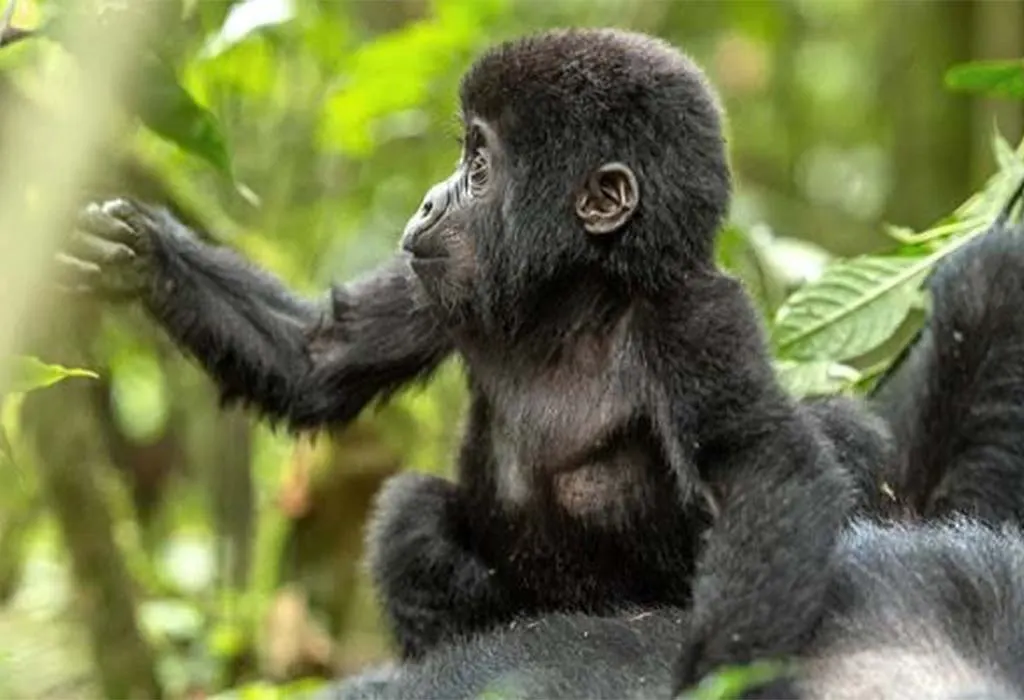
If the children are old enough, the itinerary can also include gorilla trekking in Bwindi Impenetrable National Park or chimpanzee tracking in Kibale National Park. Nevertheless, allowing enough time for rest between activities will help prevent exhaustion and make the safari more enjoyable.
Choose Family-Friendly National Parks and Attractions
Uganda offers numerous national parks and tourist attractions, but some are more suitable for families with young children than others. Before booking a safari, consider the activities available, the accessibility of each destination, and the age restrictions that apply to particular experiences.
Lake Mburo National Park is an excellent destination for families seeking varied outdoor activities. Visitors can enjoy guided game drives, boat trips, nature walks where permitted, and horseback safaris offered by suitable operators. Children can also learn about zebras, impalas, buffaloes, giraffes, and other wildlife in their natural surroundings.
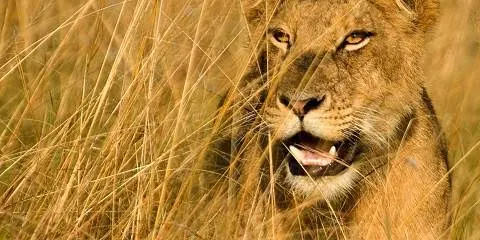
Queen Elizabeth National Park is another excellent choice. The park offers game drives through open savannah landscapes, where families may encounter elephants, lions, buffaloes, antelopes, and warthogs. A boat cruise along the Kazinga Channel provides another opportunity to observe hippos, crocodiles, and numerous bird species.
For families interested in waterfalls and river scenery, Murchison Falls National Park offers unforgettable experiences. A boat trip on the Nile allows visitors to see wildlife along the riverbanks, while guided game drives provide opportunities to search for giraffes, elephants, lions, and other animals.
Families can also visit Ziwa Rhino Sanctuary, where guided rhino tracking on foot offers an educational wildlife experience. However, children should participate only when the activity’s age requirements and safety guidelines allow it.
For a more relaxed holiday, Lake Bunyonyi and the islands of Lake Victoria offer beautiful scenery, canoeing opportunities, and peaceful lakeside accommodation. These destinations are ideal for families who want to enjoy nature without following a demanding safari schedule.
Consider the Ages of Your Children
The ages of your children should influence nearly every decision you make when planning a family safari. Young children often need shorter activities, frequent breaks, and accommodation with suitable facilities. Teenagers, on the other hand, may enjoy longer game drives, adventurous excursions, and more challenging outdoor activities.
Children can enjoy wildlife viewing in Uganda’s savannah parks at a relatively young age, provided the activities are appropriate and supervised. Game drives and boat cruises are particularly suitable because families can observe animals without walking long distances.
However, gorilla trekking and chimpanzee tracking have minimum age requirements. In Uganda, the minimum age for standard mountain gorilla trekking and chimpanzee trekking is generally 15 years. Families should confirm the current rules when booking permits, as special arrangements, where applicable, require official approval.
Consequently, families travelling with younger children should consider alternative activities while eligible adults or teenagers participate in primate trekking. For example, they can arrange visits to the Uganda Wildlife Conservation Education Centre in Entebbe or other suitable wildlife and cultural attractions.
Parents should also discuss the planned activities with their children before travelling. Explaining what they might see, how long activities may last, and what behaviour is expected around wildlife can help children feel more confident and prepared.
Select Comfortable, Family-Friendly Accommodation
Accommodation plays an important role in the success of a family safari. After spending several hours travelling or exploring a national park, children and adults need a comfortable place to rest.
When selecting a lodge or safari camp, consider family rooms, connecting rooms, suitable meal options, swimming pools where available, and safe outdoor spaces. Some properties also provide children’s activities, family guides, and flexible meal arrangements.
Location is equally important. Staying close to a national park’s entrance or near the activities included in your itinerary can reduce unnecessary driving. This is especially helpful when travelling with toddlers or younger children who may become tired during long journeys.
Before confirming a booking, ask about child safety, available medical assistance, dietary requirements, and whether children are permitted to participate in the activities offered at the property. These details help you select accommodation that suits your family’s needs.
Understand Your Family’s Interests and Abilities
Every family is different. Some children enjoy watching birds and identifying animals, while others prefer outdoor adventures, cultural experiences, or water-based activities. Therefore, involve everyone in the planning process.
Discuss the places your family would like to visit and the experiences that interest them most. You can then work with Experiya Tour Company to develop an itinerary that reflects these preferences while remaining realistic about travel times and activity requirements.
Uganda offers a wide range of experiences, including game drives, boat cruises, birdwatching, guided nature walks, cultural visits, canoeing, and selected adventure activities. Families can also explore Jinja, where suitable operators offer activities associated with the River Nile.
Nevertheless, not every activity is appropriate for every traveller. Rafting, quad biking, horseback riding, and other adventure experiences may have minimum age, health, or height requirements. Always confirm these conditions before booking.
A flexible itinerary is especially important when travelling with children. Rather than filling every day with activities, include time for meals, rest, swimming, and spontaneous discoveries.
Include Educational and Cultural Experiences
A family safari is not only about seeing wild animals. It also offers children an opportunity to learn about Uganda’s people, traditions, history, and natural environment.
Community visits can introduce families to local ways of life through storytelling, traditional music, dance, craft demonstrations, and visits to local markets. Depending on the community and the activities offered, visitors may also learn about coffee preparation, farming, or traditional food.
Families interested in cultural heritage can consider a Batwa cultural experience near the Bwindi or Mgahinga region. These visits can provide insight into Batwa history, forest traditions, and the challenges associated with displacement and changing ways of life. Choose experiences led by community members and organized with respect for local customs.
Children can also learn about wildlife conservation by visiting suitable conservation centres and participating in guided activities that explain the importance of protecting animals and their habitats.
These experiences make the safari more meaningful because children can connect what they see in the national parks with the lives of the people who live near them.
Pack the Essential Items for Your Family Safari
Packing carefully helps families remain comfortable throughout their journey. Uganda’s weather varies between regions and seasons, so lightweight clothing, comfortable walking shoes, and a light waterproof jacket are useful.
For wildlife viewing, bring neutral-coloured clothing, sun hats, sunscreen, insect repellent, reusable water bottles, and binoculars if available. Families planning forest excursions should also pack long-sleeved shirts, long trousers, and sturdy hiking shoes.
Children should have their personal essentials, including any regular medication, snacks for long drives, travel documents, and items that help them feel comfortable away from home. A small backpack can help older children carry their water, rain jacket, and other lightweight belongings.
Before departure, check passport validity, entry requirements, travel insurance, and any recommended vaccinations or health precautions with an appropriate travel health professional. Families should also keep important documents and emergency contacts accessible throughout the trip.
Choose the Best Time for a Family Safari in Uganda
Uganda can be visited throughout the year, although weather conditions may influence travel comfort and particular activities.
The relatively drier periods, generally from June to August and December to February, are popular for wildlife viewing and outdoor excursions. During these months, some roads and forest trails may be easier to navigate, although conditions can still change.
The wetter periods, commonly from March to May and September to November, bring greener landscapes and occasional heavy rainfall. These conditions may create additional challenges on some roads, particularly in remote areas. However, the scenery can be beautiful, and families may find suitable accommodation options depending on their budget and travel dates.
School holidays may also influence when families choose to travel. Booking accommodation, park activities, and permits well in advance is advisable during busy periods.
Ultimately, the best time depends on your destinations, preferred activities, children’s school schedules, and tolerance for changing weather.
Allow Enough Time for Rest and Travel
Long road journeys can be tiring for children, especially when the itinerary includes destinations in different parts of Uganda. For example, travelling from Entebbe to Bwindi can take much of a day, depending on the route, traffic, and road conditions.
To make the journey more comfortable, plan regular stops for meals, refreshments, and stretching. Where possible, spend two or more nights in selected destinations instead of changing accommodation every day.
It is also wise to avoid scheduling demanding activities immediately after a long transfer. A relaxed afternoon at the lodge can give everyone time to recover before the next day’s adventure.
Families should remember that wildlife sightings cannot be guaranteed. Allowing enough time in each destination makes the experience more enjoyable without placing pressure on children or guides.
Plan Your Family Safari with Experiya Tour Company
Organizing a family safari involves balancing adventure, comfort, safety, and the interests of different age groups. With thoughtful preparation, Uganda offers an excellent combination of wildlife viewing, cultural discovery, beautiful scenery, and outdoor recreation.
Experiya Tour Company can help you select suitable destinations, arrange family-friendly accommodation, organize transport, and plan activities around your children’s ages and interests. Whether your family prefers a short wildlife holiday or a longer journey combining several national parks, a personalized itinerary can help make the experience comfortable and memorable.
Before booking, share your travel dates, children’s ages, budget, and preferred activities with your safari planner. This information makes it easier to create a practical itinerary with enough time for exploration and relaxation.