
Are Walking Safaris Safe in Lake Mburo National Park?
Walking safaris in Lake Mburo National Park are among the safest and most rewarding wildlife experiences in Uganda. Unlike traditional game drives, walking through the park allows visitors to experience nature at ground level, observe wildlife more closely, and appreciate the sights, sounds, and scents of the African wilderness. For many travelers, however, the thought of walking among wild animals naturally raises safety concerns.
The good news is that walking safaris in Lake Mburo National Park are carefully managed by experienced Uganda Wildlife Authority rangers who follow strict safety procedures throughout every excursion. With proper guidance, well-planned routes, and responsible visitor behavior, walking safaris offer an exciting yet secure adventure for nature lovers of all experience levels.
Why Lake Mburo National Park Is Perfect for Walking Safaris
Lake Mburo National Park is one of the few savannah parks in Uganda where walking safaris are regularly offered. Its unique wildlife composition makes it especially suitable for this activity.
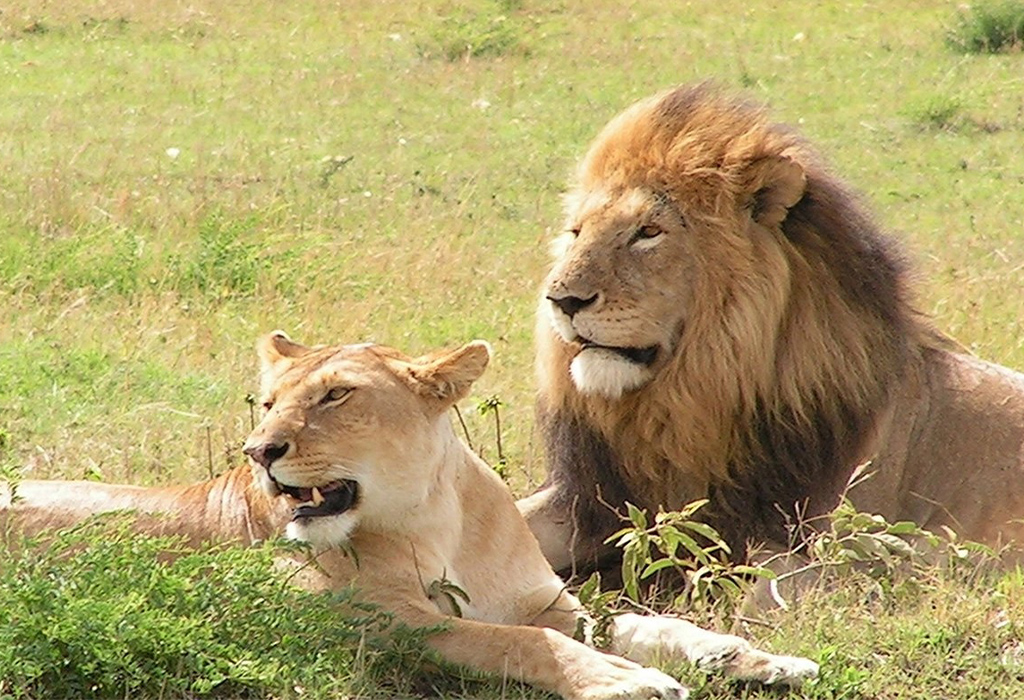
One of the main reasons is the absence of wild lion populations and elephants within the areas used for walking safaris. In many African parks, these large animals present the greatest risks during guided walks. Since Lake Mburo does not have these major threats, visitors can safely explore the park on foot while still enjoying remarkable wildlife encounters.
Despite the absence of lions and elephants, the park remains rich in biodiversity. Visitors frequently encounter zebras, impalas, topis, elands, giraffes, warthogs, waterbucks, bushbucks, and numerous bird species. This impressive variety ensures that every walk remains exciting without exposing participants to unnecessary danger.
Furthermore, the park’s relatively small size and open landscapes make wildlife easier to spot from a distance. Rangers can monitor animal movements effectively and select routes that maximize wildlife viewing while maintaining safe distances.
Professional Rangers Ensure Visitor Safety
Every walking safari is led by armed rangers from the Uganda Wildlife Authority. These professionals receive extensive training in wildlife behavior, bush survival, emergency response, visitor management, and first aid.
Their role extends far beyond guiding tourists. Throughout the walk, they continuously observe animal movements, study tracks, listen for warning calls from birds, and evaluate changing conditions in the surrounding environment. Their experience allows them to anticipate potential situations before they become safety concerns.
In addition, the ranger determines the walking pace, chooses the safest routes, and decides when to stop for wildlife viewing or quietly move away from certain areas. Visitors are expected to follow every instruction carefully, as these decisions are based on years of field experience.
This professional guidance is one of the biggest reasons why walking safaris in Lake Mburo have an excellent safety record.
Comprehensive Safety Briefings Before Every Walk
Before entering the bush, every participant attends a detailed safety briefing. This introduction prepares visitors for the experience and explains how to behave around wildlife.
The ranger discusses the types of animals likely to be encountered and explains their normal behavior. Visitors also learn how to react if animals appear nearby, why sudden movements should be avoided, and the importance of remaining calm throughout the excursion.
Emergency procedures are also explained during the briefing. Participants understand exactly what to do if unexpected situations arise, giving everyone greater confidence before the walk begins.
These briefings play an important role in ensuring that every visitor understands both the excitement and the responsibility that comes with exploring wildlife on foot.
Small Groups Create a Safer Experience
Walking safaris are intentionally conducted with small groups. Limiting the number of participants allows rangers to maintain full control while providing each visitor with a more personal experience.
Smaller groups also move more quietly through the bush, reducing the chances of startling wildlife. Animals are generally more relaxed when approached by fewer people, creating better opportunities for observation and photography.
Additionally, a smaller group enables the ranger to communicate clearly with everyone, ensuring that instructions are heard and followed immediately whenever necessary.
Safe Distances Are Always Maintained
Respecting wildlife is one of the most important principles of any walking safari. Rangers never allow visitors to approach animals too closely.
Different species require different safety distances depending on their behavior. Buffalo, for example, are given a wide buffer because they can become defensive if surprised. Giraffes, although generally peaceful, are also observed from a safe distance due to their powerful defensive kicks.
By maintaining these carefully planned distances, visitors enjoy exceptional wildlife viewing without causing stress to the animals or placing themselves at risk.
Wildlife You May Encounter During the Walk
Walking through Lake Mburo National Park offers unforgettable opportunities to observe wildlife in its natural environment.
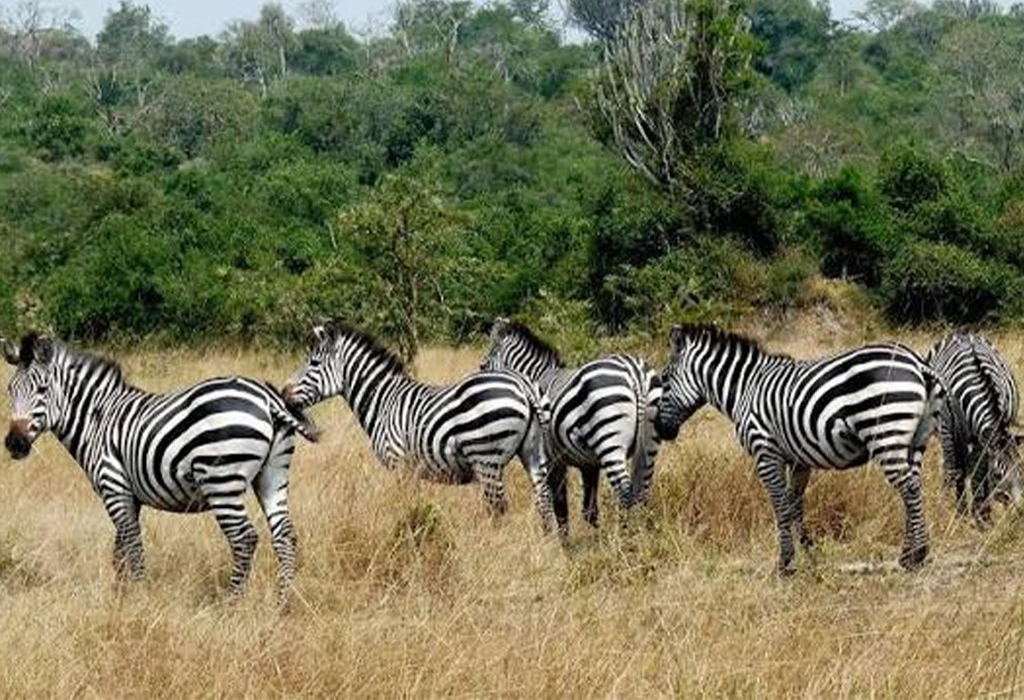
Zebras are among the most frequently seen animals. Their striking black-and-white stripes stand out beautifully against the golden grasslands, and they often continue grazing calmly as visitors watch from a distance.
Impalas and topi are equally common. Their graceful movements and impressive speed make them fascinating to observe, especially during the cooler hours of the day.
The park is also home to elands, Africa’s largest antelope. Although enormous in size, these gentle animals are remarkably calm and usually continue feeding peacefully while visitors admire them.
One of the highlights of many walking safaris is encountering giraffes. Standing beneath these towering animals offers a completely different perspective from seeing them in a safari vehicle. Their slow movements and curious expressions create memorable photographic moments.
Bird enthusiasts also enjoy excellent opportunities to spot colorful species throughout the walk. Lake Mburo National Park is home to more than 350 recorded bird species, making every walking safari rewarding for birdwatchers.
Animals That Require Greater Caution
Although Lake Mburo is considered one of Uganda’s safest parks for walking safaris, certain animals still deserve respect.
Buffalo are among the species that require extra caution. While they generally avoid humans, they can become aggressive if they feel threatened or cornered. Rangers carefully monitor buffalo movements and adjust walking routes whenever necessary.
Hippos also deserve special attention. They spend much of the day resting in water before emerging to graze during the evening. Since hippos can move surprisingly fast on land, walking routes near lakeshores are planned carefully to avoid disturbing them.
Fortunately, experienced rangers understand the behavior of both species extremely well. Their knowledge allows them to avoid unnecessary encounters while still providing excellent wildlife viewing opportunities.
Open Landscapes Improve Safety
Another reason walking safaris are safe in Lake Mburo is the park’s landscape. Unlike dense forests where visibility is limited, much of the park consists of open savannah, rolling hills, scattered acacia trees, and broad grasslands.
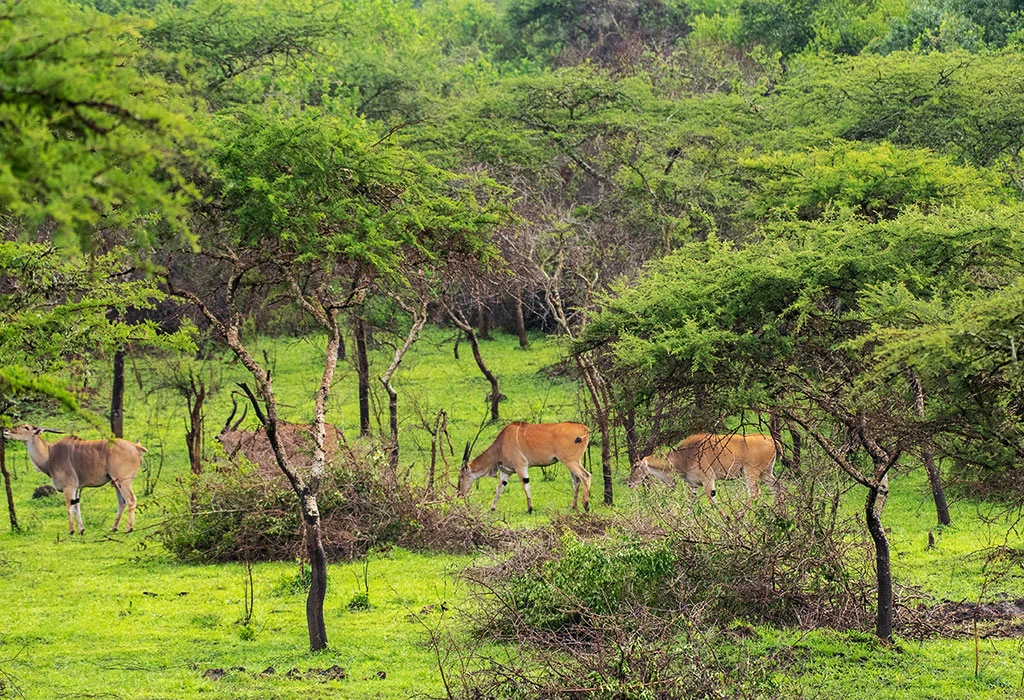 This open environment allows rangers to detect wildlife from long distances. Animals can often be seen grazing hundreds of meters away, giving guides plenty of time to assess the situation and adjust the route if needed.
For visitors, the open scenery also creates outstanding photographic opportunities while making the walk more enjoyable and less physically demanding.
How Visitors Can Contribute to Their Own Safety
Although professional rangers manage the safari, visitors also play an important role in maintaining safety.
Listening carefully to ranger instructions is essential throughout the walk. Every direction is given for a specific reason, and immediate cooperation helps prevent unnecessary risks.
Walking quietly also contributes to a successful safari. Loud conversations or sudden noises may disturb wildlife and reduce viewing opportunities.
Remaining with the group at all times is equally important. Wandering away to take photographs or explore independently can place visitors in unsafe situations and make it difficult for the ranger to provide protection.
Wearing suitable clothing also improves both safety and comfort. Neutral-colored clothing blends naturally with the environment, while sturdy walking shoes provide stability on uneven ground. Long trousers help protect against thorny vegetation and insect bites, and carrying drinking water helps prevent dehydration during warmer weather.
Best Time for a Walking Safari
Walking safaris are most enjoyable during the early morning or late afternoon when temperatures are cooler and wildlife is more active.
Morning walks often begin shortly after sunrise, allowing visitors to experience the bush as animals begin feeding after the night. The soft morning light also creates excellent conditions for photography.
Late afternoon walks provide another wonderful opportunity as wildlife becomes active again before sunset. Cooler temperatures make walking more comfortable, and the golden evening light enhances the beauty of the landscape.
Midday walks are generally avoided because the heat is much stronger, and many animals seek shade during the hottest part of the day.
Final Thoughts
Walking safaris in Lake Mburo National Park are safe, professionally managed, and incredibly rewarding. The park’s unique absence of lions and elephants, combined with experienced armed rangers, well-established safety procedures, and open landscapes, makes it one of the best destinations in Uganda for exploring wildlife on foot.
Whether you are a first-time safari traveler or an experienced wildlife enthusiast, a guided walking safari offers an unforgettable opportunity to connect with nature in a way that simply cannot be experienced from inside a vehicle. By following your ranger’s guidance and respecting the wildlife, you can enjoy a safe adventure while creating lasting memories in one of Uganda’s most beautiful national parks.