

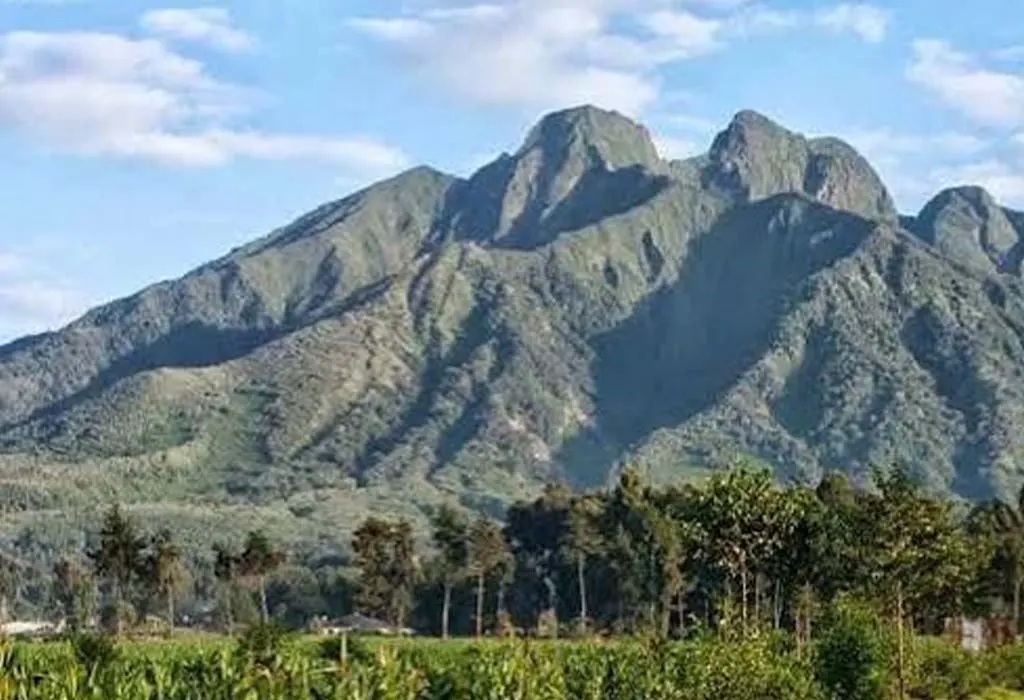

Cultural Encounter in Rwanda with Experiya Tour Company
A cultural encounter in Rwanda with Experiya Tour Company offers travellers an opportunity to discover the country’s rich traditions, fascinating history, and vibrant community life. Known as the Land of a Thousand Hills, Rwanda is famous for its beautiful landscapes, mountain gorillas, and diverse wildlife. However, beyond these natural attractions, the country has a remarkable cultural heritage that makes every visit more meaningful.
During a cultural tour, visitors can interact with local communities, enjoy traditional music and dance, explore historical sites, and learn about everyday life in Rwanda. Furthermore, these experiences provide valuable insights into the customs, values, and traditions that have shaped Rwandan society over generations.
With Experiya Tour Company, travellers can combine cultural activities with wildlife safaris, city tours, and visits to historical landmarks. As a result, they gain a deeper understanding of Rwanda while enjoying an enriching travel experience.
Discover Rwanda’s Traditional Culture
Rwanda has a distinctive cultural identity reflected in its language, traditional practices, music, food, and social relationships. Kinyarwanda is the country’s principal national language and is widely spoken throughout the country. English, French, and Swahili are also used in different social, educational, and business settings.
One of the best ways to understand Rwandan culture is by spending time with local communities. During these encounters, visitors can learn about traditional family life, farming practices, handicrafts, storytelling, and community celebrations. Moreover, they can discover how traditional customs continue to influence modern Rwandan society.
Hospitality is an important part of the cultural experience. Through conversations and community activities, visitors can appreciate the importance of respect, cooperation, and relationships in everyday life. Consequently, a cultural encounter offers more than sightseeing because it allows travellers to connect with people and understand their perspectives.
Experiya Tour Company can help visitors arrange suitable cultural activities according to their interests, travel schedules, and preferred destinations.
Visit Iby’Iwacu Cultural Village
One of the most memorable cultural attractions in Rwanda is Iby’Iwacu Cultural Village, also known as Gorilla Guardians Village. Located near Volcanoes National Park in northern Rwanda, this community tourism destination introduces visitors to traditional customs, music, dance, and everyday community life.
During a visit, travellers can enjoy traditional performances, explore cultural displays, and learn about historical practices associated with Rwanda’s former monarchy. Depending on the activities available, visitors may also observe traditional food preparation, handicraft production, and demonstrations of local skills.
The Intore dance is one of the major highlights. Traditionally associated with warriors and royal court culture, this energetic performance features coordinated movements, distinctive costumes, and rhythmic drumming. In addition, traditional songs and storytelling help preserve cultural knowledge and pass it from one generation to another.
Importantly, community tourism also supports local livelihoods. The Gorilla Guardians initiative provides opportunities for communities living near Volcanoes National Park to participate in tourism and conservation-related activities. Therefore, visitors can learn about Rwandan heritage while gaining an appreciation of the relationship between community development and wildlife conservation.
With Experiya Tour Company, travellers can include this cultural experience before or after gorilla trekking, depending on their itinerary.
Explore Rwanda’s Royal Heritage at the King’s Palace Museum
For visitors interested in history, the King’s Palace Museum in Nyanza offers an excellent opportunity to explore Rwanda’s traditional monarchy and royal heritage. The museum features a reconstructed royal residence and exhibits explaining aspects of the country’s historical leadership, customs, and way of life.
During the visit, travellers can learn about the responsibilities of traditional rulers, royal ceremonies, and the cultural practices that influenced Rwandan society. Furthermore, the architecture of the reconstructed palace demonstrates traditional building techniques and the craftsmanship used to create royal residences.
Another important attraction is the Inyambo cattle, which are recognised for their long horns and historical association with the royal court. Cattle traditionally held considerable cultural and social significance in Rwanda, representing wealth, relationships, and ceremonial importance.
Consequently, visiting the King’s Palace Museum helps travellers understand how traditional institutions influenced the country’s identity. Experiya Tour Company can incorporate this historical destination into a wider cultural itinerary, particularly for visitors exploring southern Rwanda.
Experience Traditional Rwandan Music and Dance
Music and dance play an important role in Rwanda’s cultural heritage. Traditionally, performances have accompanied celebrations, community gatherings, ceremonies, and other important occasions. Today, these artistic expressions continue to preserve cultural traditions while introducing visitors to the country’s creative identity.
The Intore dance remains one of Rwanda’s most recognisable traditional performances. Its energetic movements, coordinated dancers, and rhythmic drumming create an exciting atmosphere. Moreover, the performers’ costumes and carefully practised routines reflect the historical significance of dance in Rwandan society.
Visitors may also encounter folk songs, traditional instruments, and storytelling during community visits. These activities provide insight into how communities preserve historical knowledge and express shared experiences through the arts.
In some cultural settings, guests may have an opportunity to participate in dancing alongside local performers. As a result, the experience becomes more interactive and memorable. Experiya Tour Company can help travellers identify suitable cultural performances as part of their Rwanda tour.
Discover Rwandan Food and Traditional Cooking
Food provides another meaningful introduction to Rwanda’s cultural identity. Traditional meals reflect local agricultural practices, seasonal produce, and family customs. Common ingredients include beans, potatoes, sweet potatoes, cassava, bananas, vegetables, and other locally available foods.
During selected community visits, travellers can observe how traditional meals are prepared and learn about the ingredients used in everyday cooking. Furthermore, local hosts may explain how farming influences food choices and how recipes are passed from one generation to another.
Visitors may also have the opportunity to enjoy a freshly prepared local meal. Sharing food encourages conversation and offers a welcoming way to experience Rwandan hospitality. Depending on the destination, travellers may discover different dishes and preparation methods that reflect local preferences.
Experiya Tour Company can help arrange local dining experiences that complement cultural visits and introduce travellers to Rwanda’s cuisine. However, specific meals and demonstrations depend on the location and arrangements made in advance.
Explore Local Markets and Support Rwandan Artisans
Local markets offer a fascinating glimpse into everyday life in Rwanda. In Kigali, Kimironko Market is a popular destination where visitors can explore colourful fabrics, fresh produce, handmade products, and locally traded goods.
As travellers move through the market, they may discover woven baskets, decorative crafts, textiles, paintings, and souvenirs that reflect different aspects of Rwandan creativity. Basket weaving is particularly important in the country’s artistic heritage, while Imigongo art is known for its distinctive geometric patterns.
In addition to appreciating these crafts, visitors can interact with local traders and learn about the skills involved in producing handmade items. Purchasing authentic products directly from artisans can also support small businesses and encourage the continuation of traditional craftsmanship.
Nevertheless, visitors should ask permission before taking photographs of traders and their products. By approaching market visits respectfully, travellers can enjoy a more meaningful cultural experience.
Experiya Tour Company can incorporate a local market visit into a Kigali city tour or a wider Rwanda itinerary.
Understand Rwanda’s History and Cultural Resilience
Rwanda’s cultural identity is also shaped by its history and its journey towards rebuilding communities. For travellers interested in understanding the country’s past, the Kigali Genocide Memorial provides an important educational experience.
The memorial commemorates the victims of the 1994 Genocide against the Tutsi. Through its exhibitions and educational displays, visitors learn about the events, their devastating consequences, and the importance of remembrance, peace, and reconciliation.
Because the memorial is a place of mourning, visitors should approach the experience with sensitivity and respect. Nevertheless, learning about this history provides valuable context for understanding contemporary Rwanda and the importance placed on national rebuilding and social cooperation.
Experiya Tour Company can help travellers include the memorial in a Kigali city tour alongside other historical and cultural attractions. This experience provides a more complete understanding of Rwanda’s past, present, and continuing development.
Combine Cultural Encounters with Rwanda Safaris
One of the advantages of a cultural encounter in Rwanda is the opportunity to combine it with other travel experiences. For example, visitors exploring Volcanoes National Park for mountain gorilla trekking can arrange a community visit near Musanze. This combination allows travellers to appreciate both the country’s remarkable wildlife and the communities living around protected areas.
Similarly, a Kigali city tour can include cultural markets, museums, historical landmarks, and opportunities to sample local cuisine. Travellers exploring southern Rwanda may visit the King’s Palace Museum in Nyanza or the Ethnographic Museum in Huye to learn more about the country’s history and cultural heritage.
For visitors with additional time, a longer itinerary can combine cultural activities with visits to Nyungwe National Park, Lake Kivu, and other destinations. However, the most suitable route depends on the number of available days, travel interests, and transport arrangements.
Experiya Tour Company can help organise an itinerary that balances cultural discovery, wildlife viewing, scenic journeys, and relaxation.
Best Time for a Cultural Encounter in Rwanda
Cultural encounters in Rwanda can generally be enjoyed throughout the year. Nevertheless, the availability of particular activities may depend on museum opening hours, community programmes, cultural performances, and local arrangements.
The drier periods are often convenient for travellers combining cultural visits with gorilla trekking, hiking, and road trips. During the rainy seasons, however, visitors can still enjoy museums, markets, cultural villages, and other activities while appreciating Rwanda’s green landscapes.
To make the most of the experience, travellers should arrange guided visits in advance, especially when combining several destinations. It is also advisable to confirm admission fees, opening hours, transport arrangements, and the availability of specific performances before travelling.
Responsible Cultural Tourism with Experiya Tour Company
A meaningful cultural encounter involves more than observing performances or visiting historical sites. It also requires respect for the people, traditions, and communities that make these experiences possible.
Visitors should ask permission before photographing individuals, follow guidance from local hosts, and respect cultural practices. Additionally, purchasing locally made crafts and using community-based services can help ensure that tourism contributes to local livelihoods.
Experiya Tour Company encourages travellers to approach cultural experiences with curiosity, consideration, and an appreciation of local knowledge. By engaging respectfully with communities, visitors can develop a deeper understanding of Rwanda while supporting the preservation of its cultural heritage.
Conclusion
A cultural encounter in Rwanda with Experiya Tour Company offers a rewarding opportunity to explore the country’s traditions, history, creativity, and community life. From the vibrant performances at Iby’Iwacu Cultural Village to the royal heritage of the King’s Palace Museum, each experience reveals a different aspect of Rwanda’s identity.
Furthermore, visits to local markets, traditional cooking demonstrations, artisan workshops, and historical landmarks help travellers appreciate the country beyond its famous national parks. Whether planning a short cultural excursion or a longer Rwanda safari, visitors can enjoy meaningful encounters that enrich their understanding of the destination.
With careful planning and respectful community engagement, Experiya Tour Company can help travellers discover Rwanda through experiences that celebrate its heritage, support local communities, and create lasting memories.

