
Frequently Asked Questions About Gorilla Trekking in Volcanoes National Park.
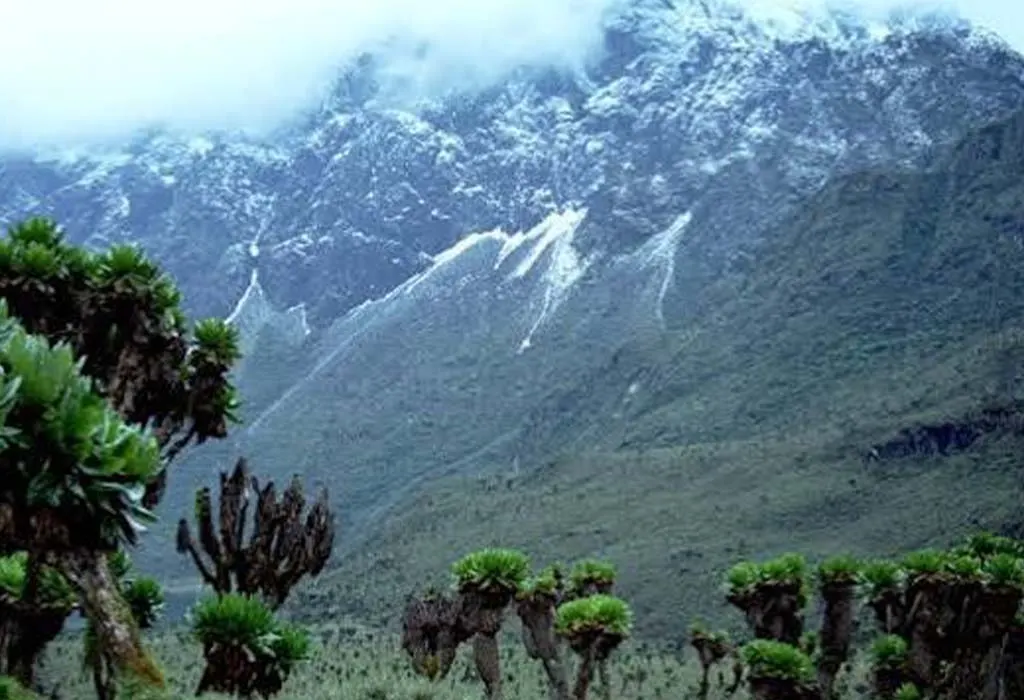
Volcanoes National Park is one of Rwanda’s most remarkable destinations for mountain gorilla trekking. Located in the country’s northwest, the park forms part of the Virunga Conservation Area, which extends across Rwanda, Uganda, and the Democratic Republic of the Congo. Covering about 160 square kilometres, the park is characterized by dense bamboo forests, montane vegetation, volcanic landscapes, and dramatic mountain slopes.
From Kigali International Airport, the journey to Musanze, formerly known as Ruhengeri, takes approximately two to three hours by road, depending on traffic and road conditions. Along the way, travellers enjoy beautiful views of Rwanda’s rolling hills and countryside.
The park is dominated by five of the Virunga volcanoes: Mount Karisimbi, Mount Bisoke, Mount Muhabura, Mount Gahinga, and Mount Sabyinyo. These mountains provide an impressive backdrop for gorilla trekking and hiking adventures.
Volcanoes National Park is also home to several other primates, including golden monkeys, blue monkeys, black-and-white colobus monkeys, and vervet monkeys. In addition, the park supports numerous bird species, particularly Albertine Rift endemics.
Gorilla Trekking in Volcanoes National Park.
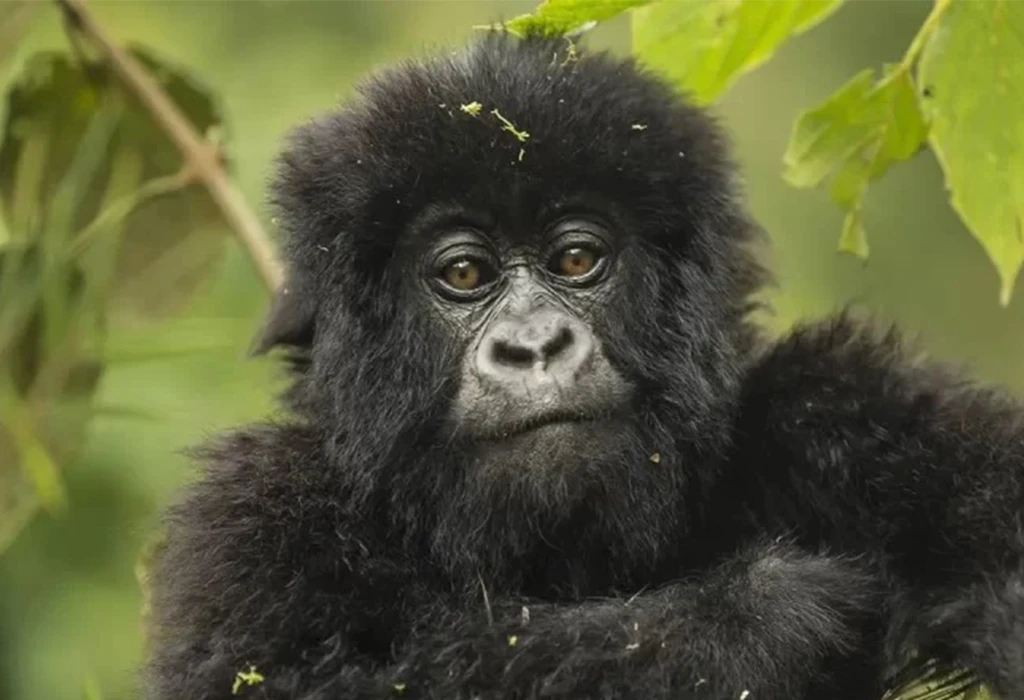
Gorilla trekking is the main attraction in Volcanoes National Park. Before taking part in the trek, visitors must obtain a valid gorilla trekking permit and attend a briefing before entering the forest.
Trekkers are divided into small groups, and each group is accompanied by trained ranger guides. The search for gorillas can involve hiking through steep and sometimes muddy terrain, so a reasonable level of physical fitness is important.
Once the gorilla family is located, visitors are allowed to spend a limited amount of time observing the animals. During this encounter, trekkers are expected to follow the instructions of their guides, maintain a safe distance, avoid sudden movements, and refrain from using flash photography.
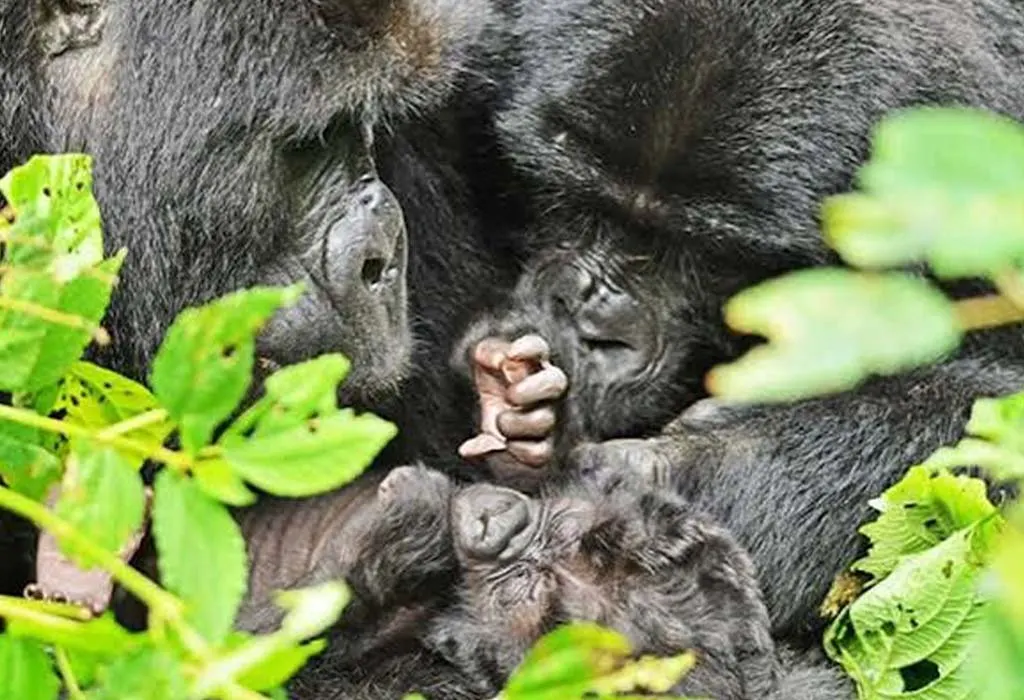
The experience is both exciting and educational because visitors can observe gorillas feeding, resting, grooming, playing, and interacting with one another in their natural habitat.
Bird Watching in Volcanoes National Park
Volcanoes National Park is also an excellent destination for birdwatching. The park contains more than 170 recorded bird species, including several species associated with the Albertine Rift.
Birdwatchers may encounter species such as the Rwenzori turaco, handsome francolin, Kivu ground thrush, white-tailed blue flycatcher, and various sunbirds.
Because some birding trails pass through thick vegetation and mountainous terrain, visitors should carry binoculars, a camera, suitable hiking shoes, and weather-resistant clothing. Early mornings are particularly rewarding for birdwatching because many birds are most active at this time.
Golden Monkey Trekking
Golden monkey trekking is another popular activity in Volcanoes National Park. The golden monkey is an endangered primate endemic to the Albertine Rift and the Virunga region.
These lively monkeys are recognized by their distinctive golden-orange fur and energetic behaviour. They usually move through bamboo forests in groups and can be challenging to follow because of their constant movement.
Visitors begin the experience with a briefing before entering the forest with ranger guides. Although the monkeys are accustomed to human presence, they remain wild animals, so visitors should follow all instructions provided by the guides.
Golden monkey trekking provides a wonderful alternative or addition to gorilla trekking, particularly for travellers interested in primates and forest ecosystems.
Kwita Izina Gorilla Naming Ceremony
Kwita Izina is Rwanda’s annual gorilla naming ceremony and one of the country’s most celebrated conservation events. The event brings together conservationists, government representatives, local communities, tourism professionals, and visitors to celebrate Rwanda’s commitment to protecting mountain gorillas.
During the ceremony, newly identified or born gorillas are given names. The event also highlights the importance of conservation, community participation, and sustainable tourism.
For travellers interested in conservation, visiting Rwanda around the time of Kwita Izina can provide an opportunity to experience an important part of the country’s wildlife heritage.
Hiking in Volcanoes National Park
Beyond gorilla trekking, Volcanoes National Park offers several challenging mountain hiking opportunities. The Virunga volcanoes provide different experiences depending on the mountain selected, the weather, and the hiker’s fitness level.
Hiking Mount Bisoke
Mount Bisoke rises to approximately 3,711 metres above sea level and is famous for its beautiful crater lake. The hike takes visitors through different vegetation zones before reaching the summit.
The trek can take several hours and requires good physical preparation because the terrain becomes increasingly steep as hikers approach the summit. On clear days, the views across the Virunga landscape are spectacular.
Hiking Mount Sabyinyo
Mount Sabyinyo stands at approximately 3,645 metres above sea level and lies at the meeting point of Rwanda, Uganda, and the Democratic Republic of the Congo.
The hike is demanding because of the steep slopes, narrow ridges, and rugged terrain. Reaching the summit provides an exceptional experience because hikers can, under favourable conditions, stand near the borders of three countries.
The mountain can be accessed from the Ugandan side through Mgahinga Gorilla National Park as well as from Rwanda.
Hiking Mount Gahinga
Mount Gahinga rises to about 3,474 metres above sea level and is generally considered one of the more accessible Virunga volcano hikes.
The trail passes through bamboo forests and other vegetation zones before reaching higher elevations. Hikers may also encounter fascinating landscapes associated with the mountain’s volcanic history.
Hiking Mount Karisimbi
Mount Karisimbi is the highest of the Virunga volcanoes in Rwanda, reaching approximately 4,507 metres above sea level. Because of its altitude and demanding terrain, climbing Karisimbi generally requires more preparation than several of the other volcanoes.
The hike is normally conducted over two days, with an overnight stay along the route. Climbers pass through different vegetation zones and may enjoy views of surrounding volcanic peaks when weather conditions are favourable.
Dian Fossey Trek
The Dian Fossey trek offers visitors an opportunity to learn about one of the most influential figures in mountain gorilla conservation.
American primatologist Dian Fossey began studying mountain gorillas in the Virunga Mountains in 1967. She established the Karisoke Research Center, where she conducted extensive research into gorilla behaviour and conservation.
Fossey became strongly opposed to poaching and other threats facing gorillas. She was killed in 1985 and was buried at the research site near the gorillas she dedicated her life to protecting.
Today, visitors can hike to the Dian Fossey tomb and former research site. The experience combines hiking, history, conservation, and an understanding of the scientific work that helped transform knowledge about mountain gorillas.
Accommodation in Volcanoes National Park
Travellers visiting Volcanoes National Park can choose from a wide range of accommodation options. Luxury lodges, mid-range hotels, guesthouses, and budget facilities are available around Musanze and Kinigi.
Some accommodation options include Virunga Volcanoes Lodge, Sabyinyo Silverback Lodge, Kinigi Guest House, Mountain Gorilla View Lodge, Le Bambou, Best View Hotel, Faraja Hotel, and Da Vinci Gorilla Lodge.
Choosing accommodation close to the park headquarters is particularly convenient for travellers preparing for an early-morning gorilla trek.
How to Reach Volcanoes National Park
The easiest way to reach Volcanoes National Park is by road from Kigali. The journey to Musanze takes approximately two to three hours, depending on road and traffic conditions.
Public transportation operates between Kigali and Musanze. However, travellers heading directly to the park may need to arrange additional transportation from Musanze to Kinigi or the relevant trailhead.
For greater convenience, many visitors choose private transfers through a tour operator. Experiya Tour Company can help organize transportation, accommodation, gorilla permits, and other activities as part of a complete Rwanda safari.
What to Pack for Gorilla Trekking
Proper preparation can make your gorilla trekking experience much more comfortable. Because Volcanoes National Park has mountainous terrain and unpredictable weather, travellers should pack suitable hiking equipment.
Comfortable waterproof hiking boots are essential because trails can become muddy and slippery. A lightweight rain jacket or poncho is also useful because rain and mist are common in the mountains.
Travellers should wear long trousers and long-sleeved shirts to protect themselves from vegetation, insects, and cold weather. Neutral-coloured clothing is generally recommended.
Other useful items include insect repellent, gardening gloves for gripping vegetation, a small backpack, drinking water, snacks, sunscreen, a hat, binoculars, and a camera without flash.
It is also important to carry any personal medication you may need during the trek. Following the park’s health and gorilla-viewing guidelines helps protect both visitors and the gorillas.
When Is the Best Time to Visit Volcanoes National Park?
Volcanoes National Park can be visited throughout the year. However, the dry seasons are generally preferred for gorilla trekking because trails tend to be easier to navigate.
The drier periods usually occur from June to September and December to February. During these months, demand for gorilla trekking permits can be high, so travellers should plan and book well in advance.
The rainy seasons, particularly March to May and October to November, can bring heavier rainfall and muddier trails. Nevertheless, trekking remains possible, and the forest is often lush and beautiful during these months.
Regardless of the season, visitors should prepare for changing mountain weather because conditions can change quickly at higher elevations.
Final Thoughts
Volcanoes National Park offers far more than a gorilla trekking experience. From unforgettable encounters with mountain gorillas and golden monkeys to birdwatching, volcanic mountain hikes, and the inspiring Dian Fossey trek, the destination provides a diverse range of experiences for nature lovers.
With proper preparation, suitable clothing, a knowledgeable guide, and enough time to explore, a visit to Volcanoes National Park can become one of the most memorable wildlife experiences in Rwanda. Experiya Tour Company can assist travellers with planning a well-organized gorilla safari that combines trekking, accommodation, transportation, cultural experiences, and other activities around the Virunga region.