
How Long Does a Typical Gorilla Trek Last?
Gorilla trekking is one of the most remarkable wildlife experiences in the world. The opportunity to encounter mountain gorillas in their natural forest habitat attracts thousands of travelers each year to the lush rainforests of East and Central Africa. While many visitors focus on the excitement of meeting these gentle giants, one of the most frequently asked questions is: How long does a typical gorilla trek last?
The simple answer is that a gorilla trek can last anywhere between two and eight hours. However, the overall experience depends on several factors, including the location of the gorillas, weather conditions, terrain, and the pace of the trekking group. Although visitors are permitted to spend only one hour with the gorillas, the entire adventure often occupies a significant portion of the day.
The Typical Gorilla Trekking Schedule
A gorilla trekking day usually begins early in the morning. Visitors are required to report to the park headquarters before sunrise or shortly afterward, depending on the destination. Registration and verification of trekking permits are completed before the official briefing begins.
The briefing generally lasts between 30 and 45 minutes. During this session, park rangers explain trekking rules, safety guidelines, conservation efforts, and proper behavior around gorillas. Visitors are then assigned to specific gorilla families based on factors such as fitness level, age, and trekking experience.
Once the briefing is complete, groups travel to their designated starting points and begin the trek into the forest.
Why Trek Duration Varies
Unlike a traditional guided hike with a fixed route and schedule, gorilla trekking involves searching for wild animals that move freely within their habitat. As a result, no two treks are the same.
Every morning, experienced trackers enter the forest ahead of tourist groups to locate the gorilla families. They monitor their movements and communicate with guides using radio contact. However, gorillas may travel considerable distances overnight while searching for food or moving between resting areas.
On some days, trekkers may find their assigned gorilla family within an hour of hiking. On other occasions, reaching the gorillas may require several hours of navigating dense vegetation and steep mountain slopes.
Because the gorillas determine the location, the duration of the trek remains unpredictable.
The Impact of Terrain
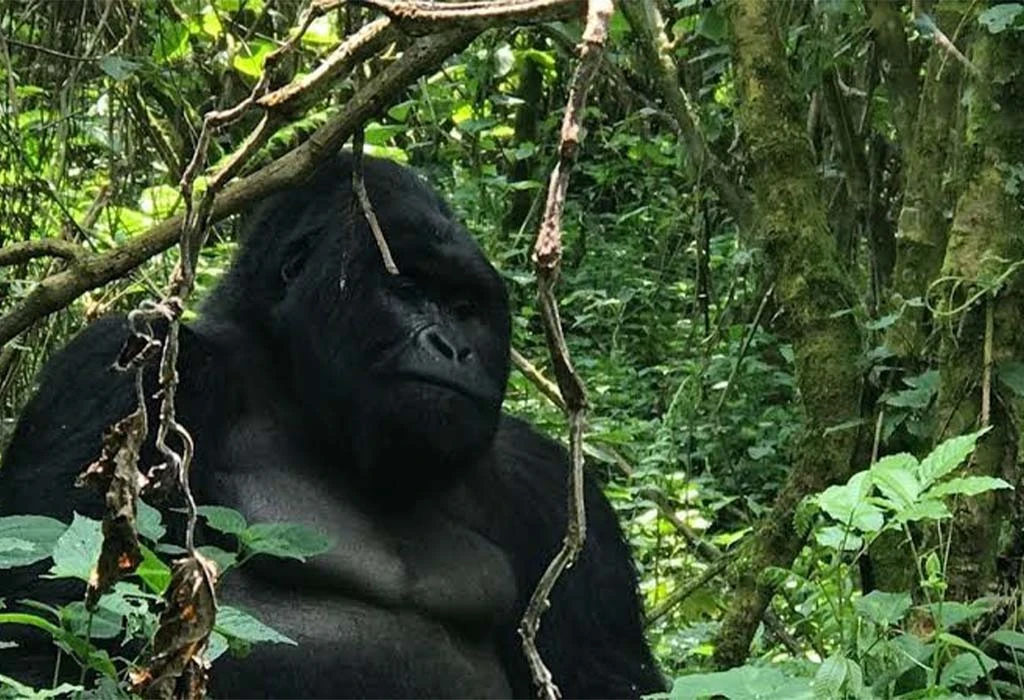
The terrain is one of the most significant factors affecting trek length. Mountain gorillas inhabit high-altitude tropical forests characterized by thick vegetation, steep hillsides, narrow trails, and uneven ground.
The forests where gorilla trekking takes place are among the most beautiful and challenging landscapes in Africa. Trekkers often walk through bamboo forests, tangled undergrowth, muddy pathways, and mountain ridges. In certain sections, guides may even clear a path through dense vegetation to facilitate access.
As a result, covering a relatively short distance can sometimes take much longer than expected. A trail that appears manageable on a map may involve continuous climbing, descending, and maneuvering around natural obstacles.
Consequently, trekking times can vary considerably from one group to another.
Fitness Levels and Trekking Pace
Another important factor influencing trek duration is the fitness level of participants. While gorilla trekking does not require professional athletic ability, a reasonable level of physical fitness is highly recommended.
Groups typically move at a comfortable pace, with regular breaks provided along the way. Guides ensure that everyone remains together and receives adequate support throughout the trek. Therefore, the overall speed of the group is often determined by the slowest participant.
Altitude can also make hiking more demanding. Many gorilla habitats are located at elevations exceeding 2,000 meters above sea level. At these heights, thinner air may cause fatigue more quickly than expected, even for physically active individuals.
For this reason, visitors should prepare for a moderate to strenuous hike rather than a casual nature walk.
The One-Hour Gorilla Encounter
The highlight of the entire experience begins when the gorilla family is located. Once the group reaches the gorillas, park rangers officially start the one-hour viewing period.
This sixty-minute encounter is carefully regulated to protect both the gorillas and visitors. The time limit helps minimize stress on the animals while reducing the risk of disease transmission between humans and gorillas, which share a large percentage of their genetic makeup.
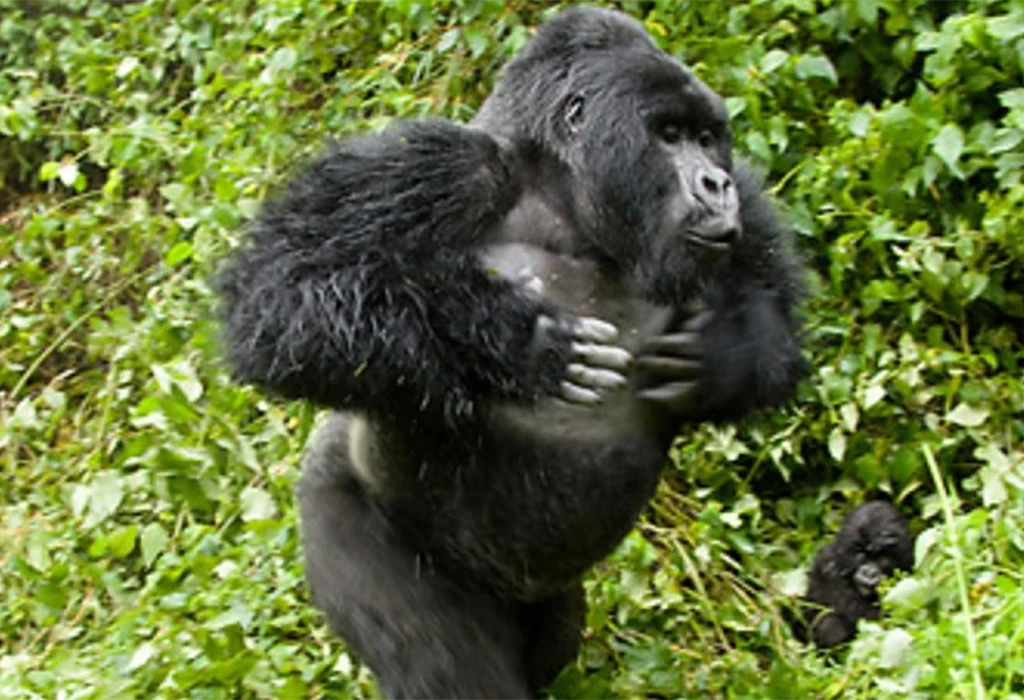
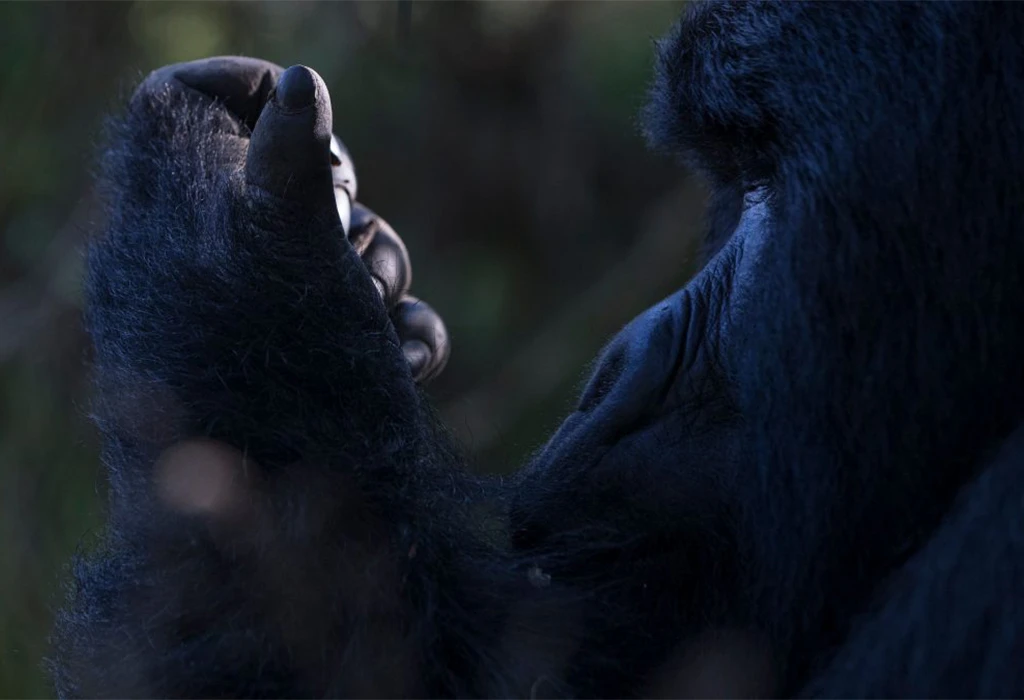 During this hour, visitors observe the gorillas as they go about their daily lives. Some may be feeding on vegetation, while others rest, groom each other, or interact playfully. Silverbacks often sit calmly while monitoring their family members, creating unforgettable photographic opportunities.
Many trekkers describe this hour as the most memorable wildlife experience of their lives. Interestingly, despite lasting sixty minutes, the encounter often feels much shorter due to the excitement and fascination of watching these magnificent primates.
The Return Journey
After the viewing period concludes, the return trek begins. In most cases, the hike back takes slightly less time than the journey to reach the gorillas. Since the route is already known, guides can navigate more efficiently.
Nevertheless, the return journey still requires effort, especially if the terrain is steep or muddy. Depending on the distance traveled and the location of the gorilla family, the hike back to the starting point may take one to three hours.
Upon arrival, visitors often receive certificates recognizing their participation in the gorilla trekking experience. This marks the official end of the adventure.
Factors That Can Extend Trek Duration
Although most gorilla treks fall within the two-to-eight-hour range, certain conditions can prolong the experience.
Weather is one of the most influential factors. Rain can transform forest trails into slippery and challenging routes, slowing progress considerably. During wet seasons, trekking often requires additional caution and patience.
Similarly, the movement patterns of the gorillas themselves can affect timing. If a gorilla family is actively traveling through the forest, guides may need to follow them carefully until they settle in a suitable viewing area. In such cases, the search process may take longer than anticipated.
Unexpected obstacles, such as fallen trees, difficult terrain, or temporary route changes, can also contribute to extended trekking times.
Preparing for a Successful Trek
Proper preparation can make a significant difference in your overall trekking experience. Comfortable hiking boots with a strong grip are essential for navigating muddy and uneven trails. Long-sleeved clothing helps protect against insects and vegetation, while waterproof gear is recommended regardless of the season.
Carrying sufficient drinking water and energy snacks is equally important, especially during longer treks. Many visitors also find trekking poles helpful for maintaining balance on steep slopes.
Hiring a local porter can further enhance the experience. Porters assist with carrying backpacks and provide support on difficult sections of the trail. Their services not only make the trek more comfortable but also contribute directly to local livelihoods and community conservation efforts.
Is the Trek Worth the Time?
For many travelers, the uncertainty surrounding trek duration becomes part of the adventure itself. Every trek is unique, offering different challenges, landscapes, and encounters along the way.
Whether you reach the gorillas after one hour or spend several hours hiking through the forest, the reward remains the same: a rare opportunity to stand just meters away from one of the world’s most endangered and captivating animals.
The combination of anticipation, physical effort, breathtaking scenery, and intimate wildlife viewing creates an experience unlike any other. While the actual time spent with the gorillas is limited to one hour, the memories created during the entire journey often last a lifetime.
Final Thoughts
So, how long does a typical gorilla trek last? While most treks take between two and eight hours from start to finish, there is no guaranteed duration. Factors such as gorilla movements, terrain, weather conditions, and group pace all influence the length of the experience.
Rather than focusing solely on the clock, visitors should embrace the adventure and enjoy every stage of the journey. From the early morning briefing to the unforgettable hour spent observing a gorilla family in the wild, gorilla trekking offers one of the most rewarding wildlife experiences available anywhere in the world.