
Where Are Cheetahs Found in Uganda?
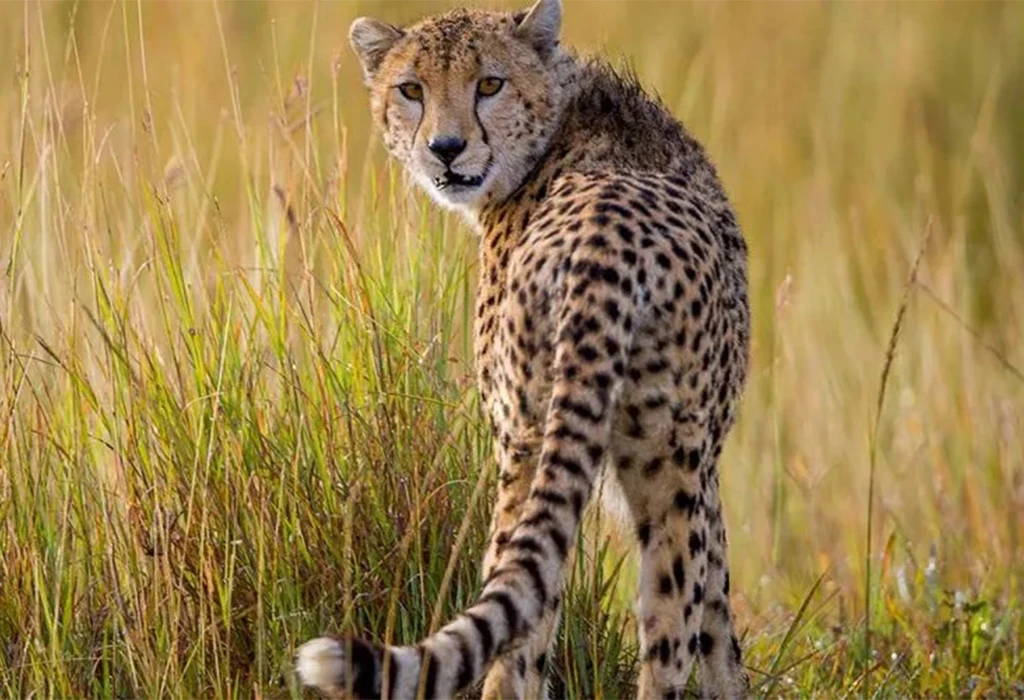
Cheetahs in Uganda are found exclusively in the remote northeastern corner of the country, making them one of the nation’s rarest and most elusive big cats. Unlike neighboring Kenya and Tanzania, where cheetahs roam vast savanna ecosystems in significant numbers, Uganda’s predominantly forested and mountainous landscape offers limited suitable habitat for these speed-adapted predators.
The primary strongholds for Uganda’s cheetah population are Kidepo Valley National Park and Wildlife Reserve, both located in the semi-arid Karamoja region. With an estimated population of only 20 to 30 individuals, encountering a cheetah in Uganda ranks among the country’s most exceptional and coveted wildlife experiences.
Uganda’s Unique Big Cat Landscape
To understand why cheetahs are so rare in Uganda, it is important to appreciate the country’s diverse topography and ecology. Uganda’s reputation as the “Pearl of Africa” stems largely from its lush forests, highland regions, crater lakes, and abundant rainfall environments that favor species like mountain gorillas, chimpanzees, and forest-dwelling leopards.
However, these same characteristics make the country less suitable for cheetahs, which have evolved specifically for life in open grasslands where their extraordinary speed provides a decisive hunting advantage.
Cheetahs are built for velocity rather than power. As the world’s fastest land animal, capable of reaching speeds up to 70 miles per hour in short bursts, they rely on open terrain to spot prey from a distance and execute high-speed chases. Dense vegetation, hills, and forests fundamentally limit their hunting effectiveness, which explains why Uganda’s cheetah population is confined to the country’s most expansive grassland ecosystems in the far northeast.
Why Open Grasslands Are Essential for Cheetahs
Unlike lions and leopards, cheetahs depend heavily on visibility and speed. Open savanna landscapes allow them to:
- Detect prey from long distances.
- Accelerate rapidly during hunts.
- Avoid obstacles that could interrupt high-speed pursuits.
- Monitor potential threats from larger predators.
This dependence on open terrain explains why Uganda’s cheetahs occur almost exclusively within the Karamoja savannas.
Kidepo Valley National Park: Uganda’s Cheetah Stronghold
Kidepo Valley National Park is the undisputed center of cheetah activity in Uganda and offers visitors their best opportunity to observe these magnificent cats in their natural habitat.
Located in the remote Karamoja region near the borders of South Sudan and Kenya, the park covers approximately 1,442 square kilometers of rugged savanna landscape characterized by expansive grasslands, seasonal rivers, rocky outcrops, and distant mountain ranges.
The Narus Valley: Best Place to Spot Cheetahs
The Narus Valley provides the most reliable opportunities for cheetah sightings. This area features extensive short-grass plains dotted with acacia trees and rocky outcrops that closely resemble the classic East African savanna habitat preferred by cheetahs.
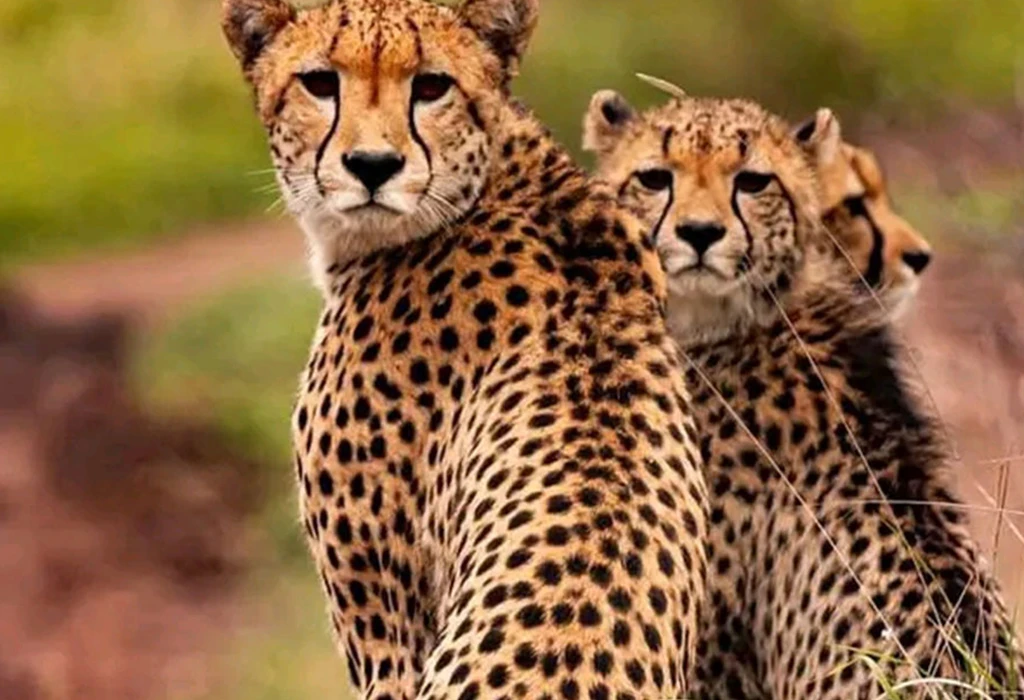 The valley also supports abundant prey species, making it an ideal hunting ground for these agile predators.
Conservation Importance of Kidepo
Although the population remains small, Kidepo serves as Uganda’s most important refuge for cheetahs. The park’s remoteness has helped preserve its wilderness character and minimize human disturbances.
Nevertheless, several conservation challenges remain:
- Limited genetic diversity.
- Competition with lions and spotted hyenas.
- Habitat fragmentation.
- Human-wildlife conflict in surrounding areas.
Wildlife Reserve: Uganda’s Secondary Cheetah Habitat
South of Kidepo lies Wildlife Reserve, Uganda’s largest protected area, covering approximately 2,788 square kilometers.
The reserve contains:
- Rolling savanna grasslands.
- Semi-arid plains.
- Seasonal wetlands.
- Rocky outcrops.
These habitats provide suitable conditions for cheetahs and other wildlife adapted to northeastern Uganda’s dry environment.
Why Cheetah Sightings Are Less Common in wildlife
Although cheetahs occur in the reserve, sightings are considerably less frequent than in Kidepo for several reasons:
- The reserve receives fewer tourists.
- Wildlife disperses across a much larger landscape.
- Monitoring and reporting of sightings are less extensive.
- Cheetah densities appear lower than in Narus Valley.
Despite this, wildlife remains a vital component of Uganda’s cheetah conservation network.
Could Cheetahs Return to Other Parts of Uganda?
In recent years, occasional reports have suggested possible cheetah sightings in the northern sectors of Murchison Falls National Park.
These reports have generated interest among conservationists because the park contains extensive savanna habitats that could potentially support cheetahs.
Historical Range and Recolonization Potential
Historically, cheetahs may have occupied parts of northwestern Uganda before habitat changes and increasing human activity reduced their distribution.
While no confirmed breeding population currently exists outside Karamoja, researchers continue investigating these reports. If future surveys confirm established populations elsewhere, it would represent a significant milestone for cheetah conservation in Uganda.
Best Time to See Cheetahs in Uganda
Visitors hoping to spot cheetahs should plan their safaris during Uganda’s dry seasons:
December to February
This period typically features:
- Shorter vegetation.
- Easier wildlife viewing.
- Improved road conditions.
- Concentrated animal activity near water sources.
June to September
The second dry season also provides excellent conditions for wildlife observation and game drives.
Best Time of Day for Cheetah Viewing
Cheetahs are most active during:
- Early morning.
- Late afternoon.
These cooler periods coincide with hunting activity and territorial patrols. During midday heat, cheetahs often rest in shaded locations and become much harder to locate.
Why Local Guides Are Essential
Finding a cheetah in Uganda requires patience, experience, and local knowledge.
Experienced guides can:
- Interpret fresh tracks.
- Recognize alarm calls from prey species.
- Identify likely hunting areas.
- Monitor recent wildlife movements.
Their expertise significantly increases the chances of locating these elusive cats.
Managing Expectations During Your Safari
Even in Kidepo, cheetah sightings can never be guaranteed.
The species remains exceptionally rare, and individuals often roam across extensive territories covering many square kilometers.
For this reason, visitors should regard a cheetah sighting as a special bonus rather than the sole objective of their safari.
Other Wildlife You May Encounter
Fortunately, Kidepo offers exceptional wildlife viewing regardless of whether cheetahs are seen.
The park supports:
- Rothschild’s giraffes.
- Numerous antelope species.
Bird enthusiasts can also enjoy hundreds of species, including many rarely found elsewhere in Uganda.
Conservation Challenges Facing Uganda’s Cheetahs
Uganda’s tiny cheetah population faces several serious threats.
Genetic Isolation
Small populations often suffer from reduced genetic diversity, making them more vulnerable to disease and environmental changes.
Habitat Loss and Human Activity
Expanding settlements and land-use changes around protected areas can reduce habitat availability and limit opportunities for population growth.
Human-Wildlife Conflict
Occasionally, cheetahs prey on livestock, leading to retaliatory killings by affected communities. Such incidents can significantly impact a population already numbering only a few dozen individuals.
Conservation Efforts Protecting Uganda’s Cheetahs
The future of Uganda’s cheetahs depends on effective conservation programs that focus on:
- Habitat protection.
- Anti-poaching initiatives.
- Wildlife monitoring.
- Community engagement.
- Sustainable tourism development.
Organizations working alongside the Uganda Wildlife Authority aim to safeguard critical habitats while ensuring local communities benefit from wildlife conservation.
Conclusion
Where Are Cheetahs Found in Uganda?
Their survival depends on the vast open grasslands that provide suitable hunting grounds and movement corridors. Although Uganda’s cheetah population remains small, these magnificent predators continue to symbolize the wild and untamed character of the country’s northeastern savannas.
For travelers fortunate enough to encounter one, a cheetah sighting remains one of Uganda’s most memorable and rewarding wildlife experiences.