
Is Gorilla trekking safe in Uganda and Tanzania?
Gorilla trekking is one of the most exciting wildlife experiences in East Africa. Walking through a tropical forest, following the tracks of a gorilla family, and eventually coming face to face with these remarkable primates is an unforgettable experience. However, many travellers wonder whether gorilla trekking is safe, especially when planning a safari in Uganda and Tanzania.
The answer is yes: gorilla trekking in Uganda is generally a well-managed and guided wildlife activity. Nevertheless, travellers should understand that mountain gorillas are wild animals, and the forest environment can be physically demanding. With experienced guides, trained park rangers, proper preparation, and respect for the established trekking rules, visitors can enjoy the experience safely.
To clarify, Tanzania is not a mountain gorilla trekking destination. Uganda and Tanzania can be combined on one East African safari, but the gorilla trekking portion takes place in Uganda, while Tanzania provides opportunities for traditional wildlife safaris.
Where Can You Go Gorilla Trekking?
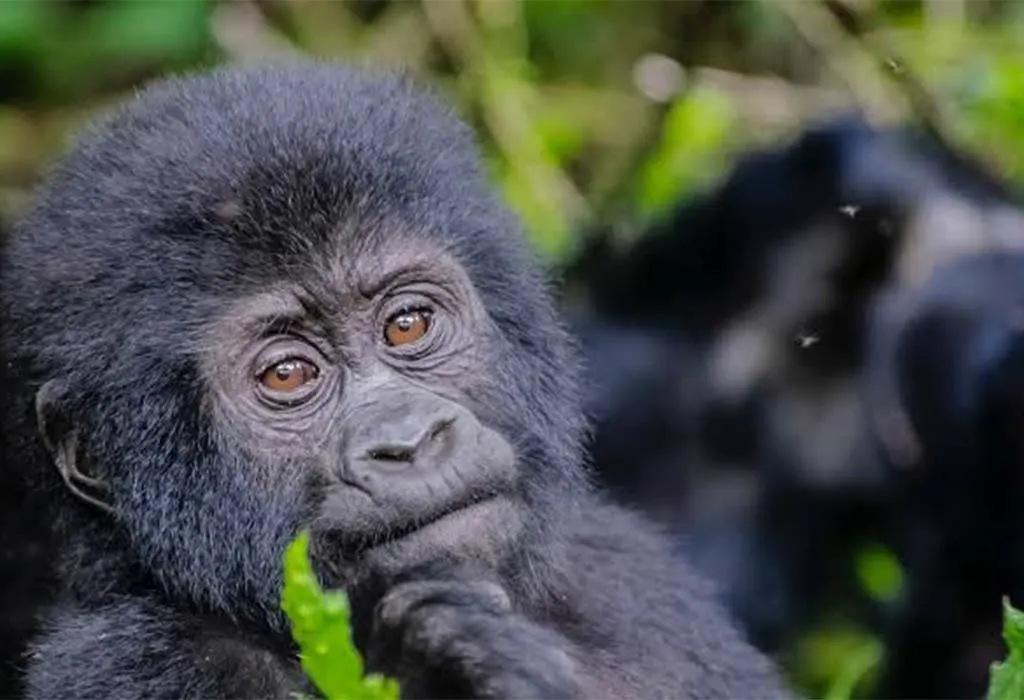
Mountain gorillas live naturally in only a small region of East Africa. Their habitat extends across Uganda, Rwanda, and the Democratic Republic of Congo.
In Uganda, gorilla trekking takes place in Bwindi Impenetrable National Park and Mgahinga Gorilla National Park. Bwindi is particularly famous for its large population of mountain gorillas and its several habituated gorilla families available for trekking. Mgahinga, although smaller, offers another opportunity to experience these endangered primates in their natural environment.
Rwanda offers gorilla trekking in Volcanoes National Park, while the Democratic Republic of Congo has gorilla trekking opportunities in Virunga National Park. Tanzania, on the other hand, is renowned for destinations such as Serengeti National Park, Ngorongoro Conservation Area, Tarangire National Park, and Mount Kilimanjaro, but it does not have wild mountain gorillas.
Therefore, travellers planning a Uganda and Tanzania safari can combine gorilla trekking in Uganda with a wildlife safari in Tanzania.
Is Gorilla Trekking Safe in Uganda?
Gorilla trekking in Uganda is conducted under the supervision of trained guides and park rangers. Before entering the forest, visitors receive information about trekking procedures, responsible behaviour, and how to conduct themselves when they encounter a gorilla family.
During the trek, visitors remain with their designated group and are guided by experienced personnel who understand the forest and gorilla behaviour. The guides also help visitors navigate challenging sections of the trail and provide instructions during the gorilla encounter.
Most importantly, visitors are not allowed to approach gorillas independently. The encounter is carefully managed to reduce risks to both people and animals.
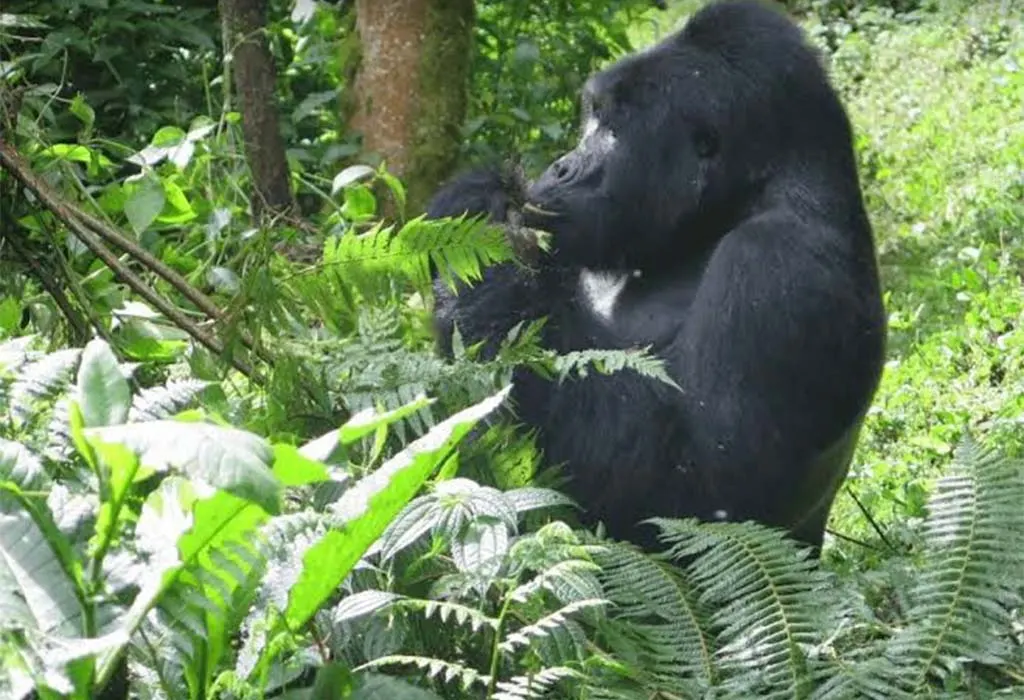 Although gorillas are powerful wild animals, mountain gorillas generally do not seek confrontation with humans. Visitors should, however, remember that they are observing wildlife rather than interacting with domesticated animals. Following the instructions of the guides and rangers is therefore essential.
What Happens When You Meet the Gorillas?
The actual gorilla encounter is usually the most anticipated part of the trek. After following the forest trails, your guides may locate the gorilla family you have been assigned to visit. Visitors then spend a limited amount of time observing the animals.
During this period, travellers are expected to remain calm and follow the instructions given by the ranger. If a gorilla moves closer, visitors should not panic or attempt to run away. Sudden movements can create unnecessary problems, so it is better to remain calm and allow the trained ranger to guide the group.
Visitors should also avoid touching the gorillas, even if one comes close. Gorillas are wild animals, and maintaining an appropriate distance helps protect both the animals and visitors.
Another important reason for maintaining distance is disease prevention. Humans and gorillas can transmit certain illnesses to each other, particularly respiratory infections. Consequently, visitors who are sick should inform the trekking authorities and follow the health guidelines provided before entering the forest.
Is the Forest Terrain Dangerous?
For many visitors, the biggest physical challenge during gorilla trekking is not the gorillas but the forest itself. Bwindi Impenetrable National Park is characterized by steep hills, dense vegetation, muddy paths, slippery sections, and uneven ground.
Depending on the location of the gorilla family, the trek may take several hours. Some groups can be reached relatively quickly, while others require longer and more physically demanding hikes.
For this reason, travellers should prepare adequately before their safari. Comfortable hiking shoes with good grip are highly recommended. Long trousers, a long-sleeved shirt, a waterproof jacket, drinking water, and a small backpack are also useful.
A walking stick can provide additional support on steep or slippery trails. Visitors who are concerned about their physical ability should discuss their situation with their tour operator and trekking guides before beginning the hike.
Experiya Tour Company can help travellers plan their gorilla trekking experience according to their interests, available time, and preferred level of adventure.
How Do Rangers Protect Visitors?
Park rangers play an important role in making gorilla trekking a controlled and organized experience. They understand the behaviour of the gorillas and the conditions of the forest, and they accompany visitors during the trek.
Before the trek begins, guides explain the rules that visitors must follow. These rules are designed to protect both people and gorillas. During the encounter, rangers monitor the situation and advise visitors about where to stand and how to behave.
The presence of trained personnel is particularly important because conditions in the forest can change quickly. A ranger can respond appropriately if a gorilla approaches the group or if visitors encounter another challenge along the trail.
Is Gorilla Trekking Safe for First-Time Visitors?
Gorilla trekking is suitable for many first-time safari travellers. You do not need previous trekking experience to participate. However, a reasonable level of physical fitness is helpful because the activity involves walking through a mountainous forest environment.
Visitors should not feel pressured to compete with other trekkers. The pace of the trek can depend on the terrain, weather, location of the gorilla family, and individual ability.
If necessary, travellers can discuss additional support with their tour operator before the trek. Preparing properly and communicating any concerns with the guides can make the experience more comfortable.
Can Uganda and Tanzania Be Combined?
Yes, Uganda and Tanzania can be combined into one memorable East African safari. However, the two countries provide different experiences.
In Uganda, travellers can enjoy mountain gorilla trekking in Bwindi Impenetrable National Park or Mgahinga Gorilla National Park. Afterward, they can continue to Tanzania for a traditional savannah safari.
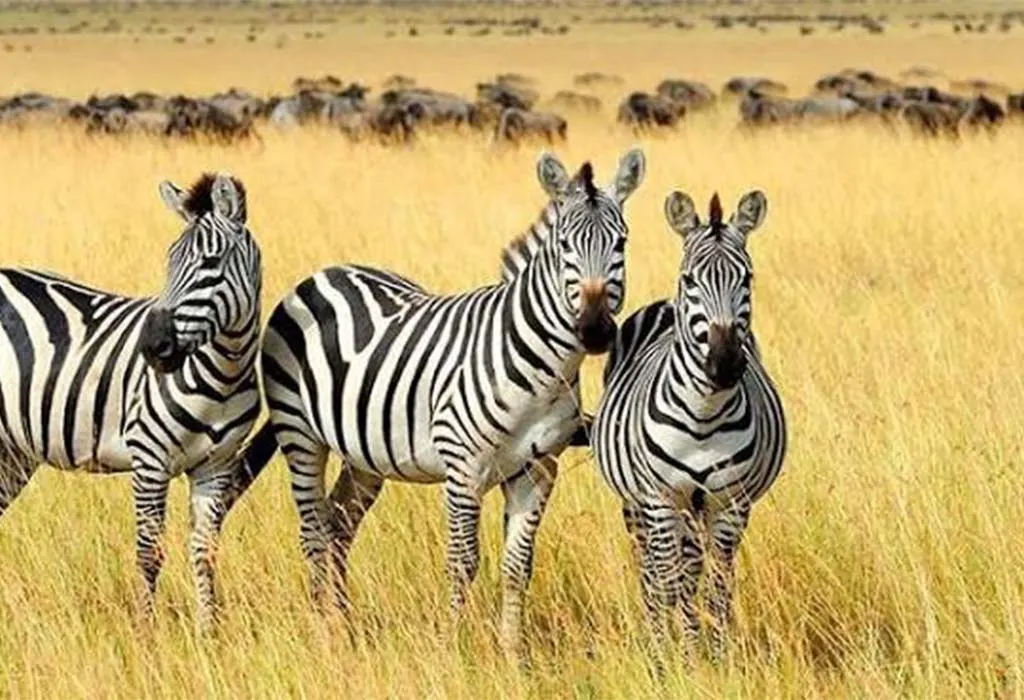
Tanzania is especially known for the Serengeti, where travellers can search for lions, elephants, leopards, buffaloes, cheetahs, giraffes, zebras, and many other species. The Ngorongoro Conservation Area also provides an exceptional wildlife experience within its famous crater.
Combining the two countries therefore allows visitors to experience both the rainforest environment of Uganda and the open savannah landscapes of Tanzania.
How Can You Make Gorilla Trekking Safer?
Good preparation can make a significant difference. Travellers should choose a legitimate tour operator, obtain the appropriate gorilla trekking permit, follow all park regulations, and listen carefully to the guides and rangers.
It is also important to wear suitable clothing and footwear, carry enough drinking water, protect yourself from the weather, and avoid carrying unnecessary luggage into the forest.
Most importantly, visitors should respect the gorillas. Do not attempt to feed them, touch them, attract their attention, or use behaviour that could disturb the animals.
Conclusion
Gorilla trekking in Uganda is generally a safe and carefully managed wildlife experience when visitors follow the instructions of trained guides and park rangers. Although the forest terrain can be challenging, proper preparation makes the adventure more comfortable and enjoyable.
Tanzania does not offer mountain gorilla trekking, but it is an excellent destination to combine with a Ugandan gorilla experience. A Uganda and Tanzania safari can therefore provide a diverse East African adventure, beginning with the mountain forests of Bwindi or Mgahinga and continuing to the spectacular wildlife landscapes of Tanzania.
With proper planning, responsible behaviour, and the support of an experienced operator such as Experiya Tour Company, travellers can enjoy a memorable gorilla trekking and wildlife safari experience while helping protect these endangered animals and their natural habitat.