

The Ultimate Gorilla Safari in Bwindi Impenetrable Forest
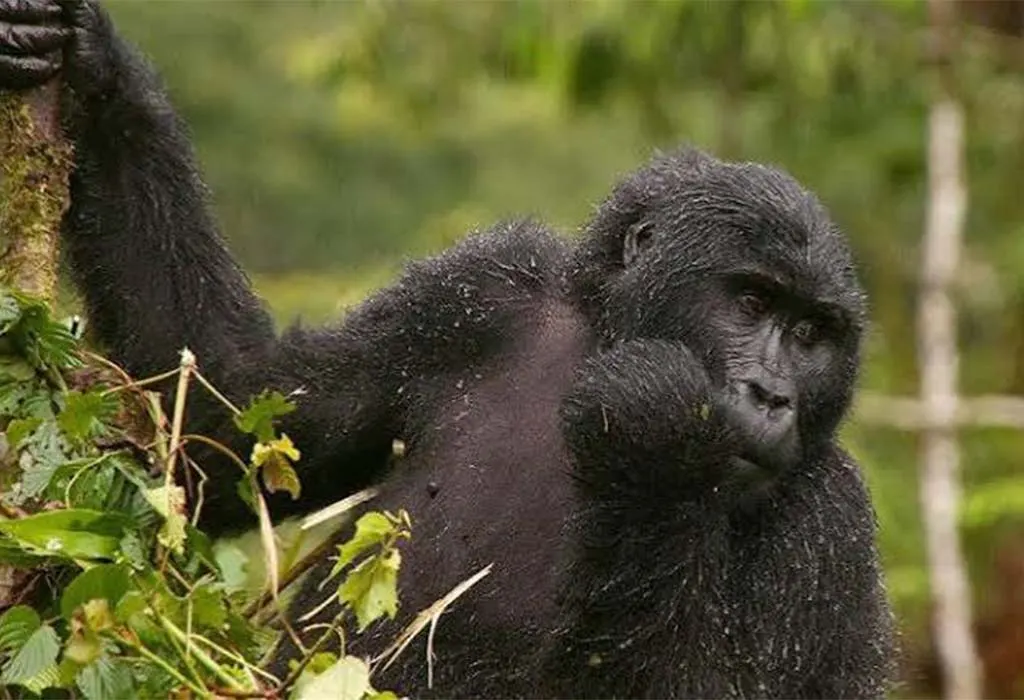
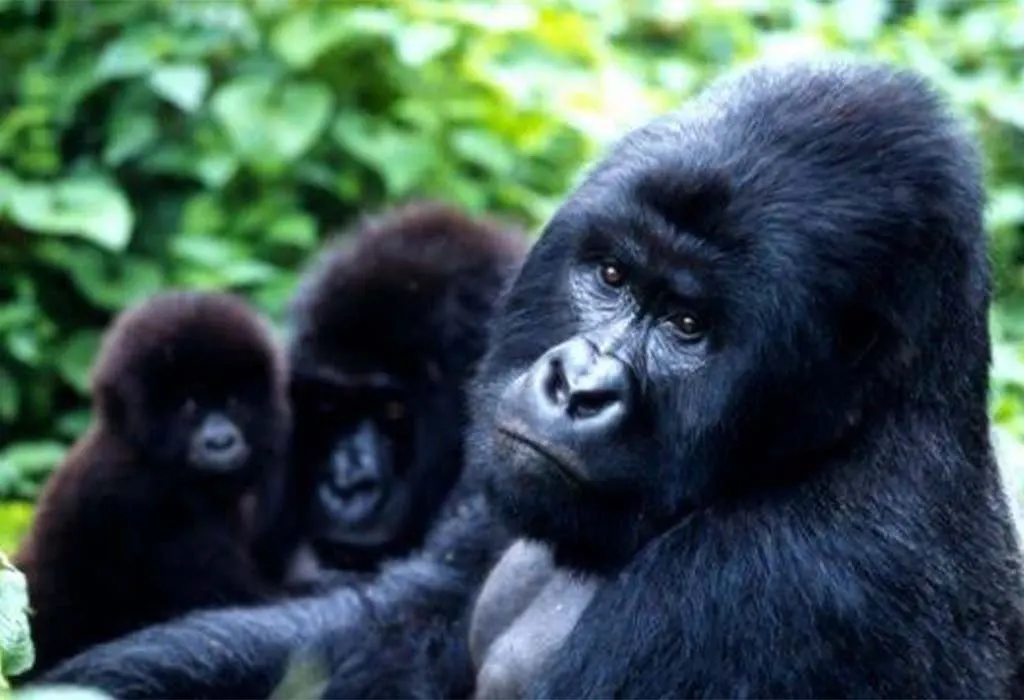
A gorilla safari in Bwindi Impenetrable Forest is one of the most powerful wildlife experiences you can have in Africa. Standing just a few meters away from a family of mountain gorillas, watching them feed, play, and interact, feels both humbling and unforgettable. It is no surprise that these rare primates draw travelers from across the world to Uganda.
Beyond the gorillas themselves, Uganda offers a peaceful and secure environment for travelers. The forest setting is serene, the air is fresh, and the experience feels deeply connected to nature.
When Is the Best Time to See Mountain Gorillas?
You can track mountain gorillas throughout the year in Uganda and Rwanda. However, timing your visit can make a difference in comfort and cost.
Most travelers prefer visiting during the dry seasons, which run from June to September and December to February. During these months, the forest trails are less muddy, making trekking easier and more enjoyable.
 That said, the rainy seasons, March to May and October to November, also have their advantages. The forest becomes lush and vibrant, and fewer visitors mean a quieter experience. In addition, permit prices and accommodation rates may be lower, making it a good option if you are traveling on a budget.
Where to Stay in Bwindi
Accommodation in Bwindi varies widely, so your choice will depend on your budget and preferred level of comfort.
Luxury lodges offer stunning forest views, personalized service, and high-end amenities. Mid-range options provide comfort and good service without the high price tag, while budget lodges offer simple but adequate facilities for travelers looking to save.
Location matters just as much as price. Bwindi has several sectors, and staying near your assigned gorilla trekking point can save you long, tiring drives early in the morning. Choosing the right lodge can greatly enhance your overall experience.
How Much Does a Gorilla Safari Cost?
The cost of a gorilla safari depends on several factors, including accommodation, transport, and the number of people traveling together.
On average, a budget gorilla safari may start from around $1,000 per person for a short trip. Mid-range options are the most popular, offering a balance between comfort and affordability. Luxury safaris can range from $1,500 to $2,000 or more per person, depending on the level of exclusivity.
Traveling during the low season or in a group can help reduce costs significantly.
Gorilla Trekking Permits in Uganda
To see mountain gorillas, you must obtain a trekking permit. In Uganda, gorilla trekking takes place in Bwindi Impenetrable National Park and Mgahinga Gorilla National Park. However, most permits are issued for Bwindi because it hosts the largest population of gorillas.
Each permit allows you to spend one hour with a habituated gorilla family. Only eight visitors can visit a gorilla group per day, which helps protect the animals and maintain a low-impact experience.
Booking your permit in advance is essential, especially during peak seasons. Many travelers choose to arrange permits through experienced local operators, as the process can be complex and time-sensitive.
What to Wear for Gorilla Trekking
Preparing the right clothing is key to a comfortable trek. Bwindi’s terrain is steep, dense, and often wet, so practical gear makes a big difference.
Wear sturdy hiking boots with a good grip to handle muddy and uneven trails. Long-sleeved shirts and trousers protect your skin from scratches and insects. A waterproof jacket is essential, as rain can fall at any time. It is also wise to carry gardening gloves for gripping vegetation and a small backpack for water and snacks.
Even though the trek can be physically demanding, the reward at the end makes every step worthwhile.
Understanding Mountain Gorillas
Mountain gorillas are among the rarest primates on Earth. They live only in the highland forests of Uganda, Rwanda, and the Democratic Republic of Congo. Bwindi alone is home to nearly half of the world’s remaining population.
These gorillas are large, powerful animals. Adult males, known as silverbacks, can grow up to six feet tall and weigh between 350 and 500 pounds. Despite their strength, they are generally gentle and calm, especially the habituated groups visited by tourists.
Interestingly, mountain gorillas share about 98% of their DNA with humans. This close genetic link becomes very real when you look into their expressive eyes and observe their social behavior.
What Do Mountain Gorillas Eat?
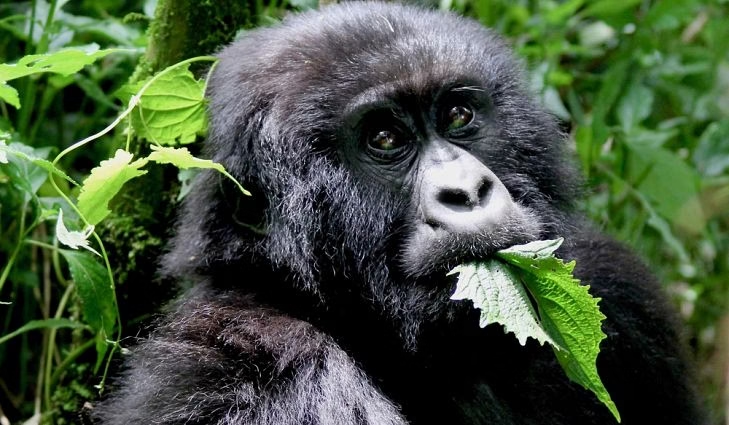
Mountain gorillas are primarily herbivores. Their diet consists of leaves, shoots, fruits, roots, and bamboo. An adult gorilla can consume a large amount of vegetation each day to sustain its size.
They spend much of their day feeding, resting, and moving through the forest. Each evening, they build nests from leaves and branches to sleep in, often creating a new nest every night.
 Are Mountain Gorillas Dangerous?
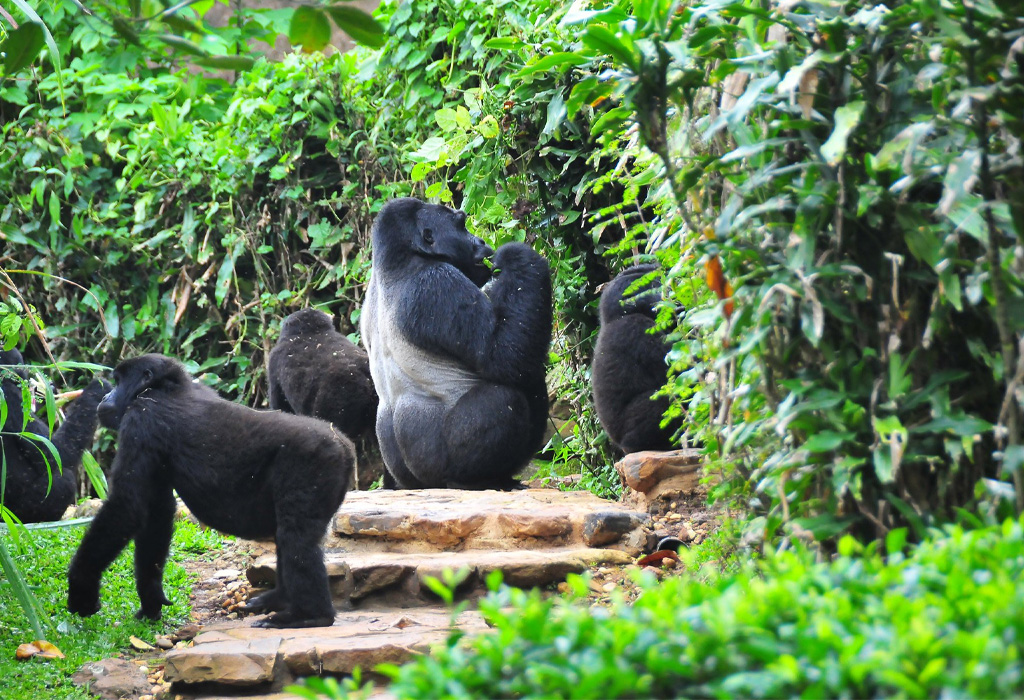
This is a common concern, but in reality, mountain gorillas are not aggressive toward humans under normal circumstances. The groups visited during treks have gone through a long habituation process, which helps them become comfortable around people.
However, they are still wild animals. If they feel threatened, especially when protecting their young, they can react defensively. This is why trained guides accompany every trek and provide clear instructions on how to behave around the gorillas.
By following these guidelines, encounters remain safe and respectful for both visitors and the animals.
Conservation and the Future of Gorillas
Mountain gorillas once faced a serious risk of extinction due to poaching, habitat loss, and human conflict. Today, their numbers are slowly increasing, thanks to strong conservation efforts.
Tourism plays a crucial role in this success. Revenue from gorilla permits supports park management, anti-poaching patrols, and local communities living near the forests. As a result, communities now have a strong incentive to protect gorillas and their habitat.
At the same time, strict rules help minimize human impact, including limits on visitor numbers and guidelines to prevent disease transmission.
Where Else Can You See Gorillas?
Mountain gorillas can only be found in Uganda, Rwanda, and parts of the Democratic Republic of Congo. While all three destinations offer similar experiences, Uganda stands out for its biodiversity.
In addition to gorilla trekking, you can explore savannah parks, track chimpanzees, and enjoy diverse landscapes ranging from waterfalls to crater lakes. This variety makes Uganda an excellent choice for travelers seeking a well-rounded safari experience.
Final Thoughts
A gorilla safari in Bwindi is more than just a trip; it is a deeply moving encounter with one of the world’s most extraordinary species. From the thrill of trekking through dense forest to the quiet moment of meeting a gorilla family, every part of the journey feels meaningful.
With careful planning, the right timing, and respect for nature, this experience becomes something you will carry with you for a lifetime.