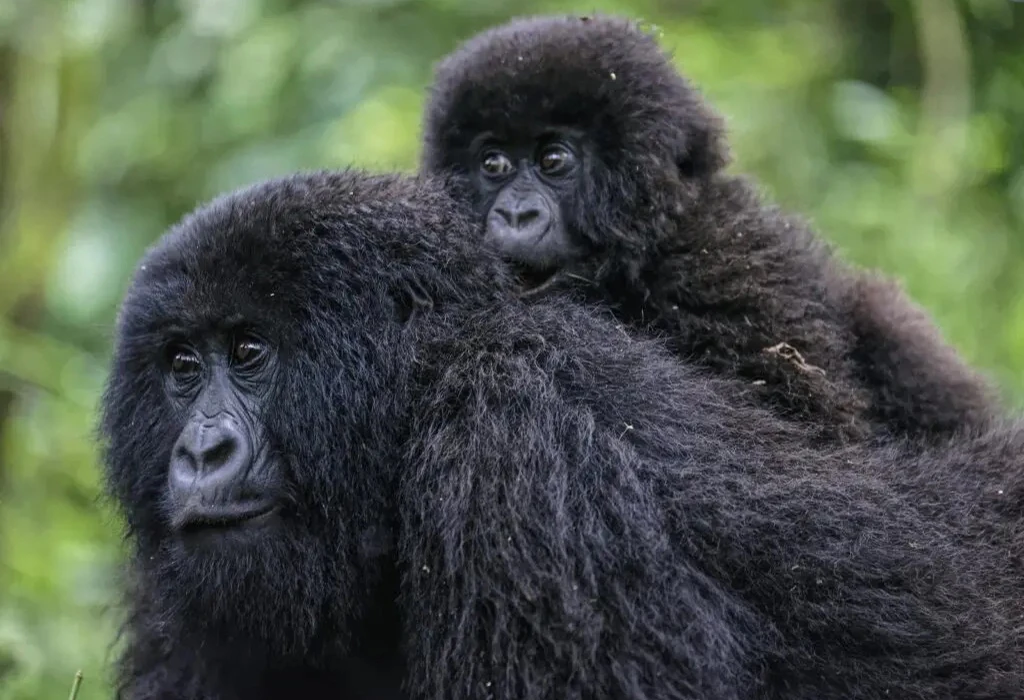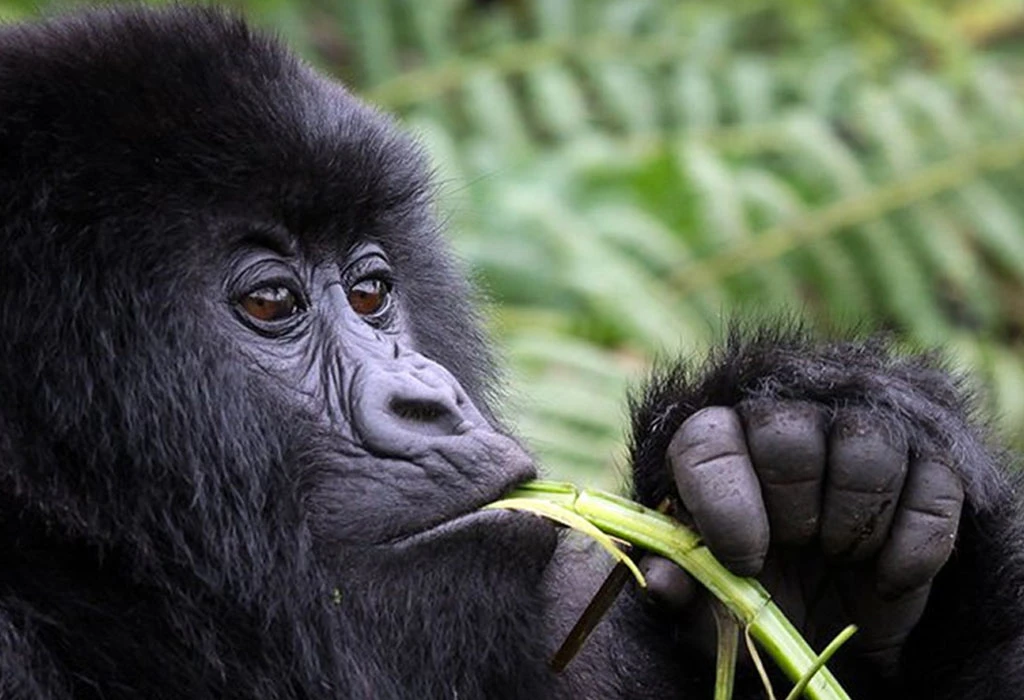

A gorilla safari in Uganda or Rwanda stays with you long after you leave the forest. Beyond the unforgettable moment of locking eyes with a mountain gorilla, you carry home stories, emotions, and, of course, meaningful souvenirs. From my experience, these items are not just keepsakes; they are small pieces of the journey itself. Even better, the money you spend often goes directly into local communities, helping protect the very forest where gorillas live.
Gorilla-Themed Keepsakes: Holding Onto the Experience
Nothing brings back the thrill of a trek like a souvenir inspired by gorillas. Right after my trek, I found myself drawn to items that captured that once-in-a-lifetime encounter.
One of the most practical and memorable items is the wooden walking stick. You actually use it during the trek, especially on steep, muddy trails. By the end of the hike, it feels almost personal. Many trekkers, myself included, choose to keep it. Local artisans often carve beautiful patterns or even small gorilla figures into the wood, transforming a simple tool into a piece of art. When placed in a corner at home, it becomes an instant conversation starter.
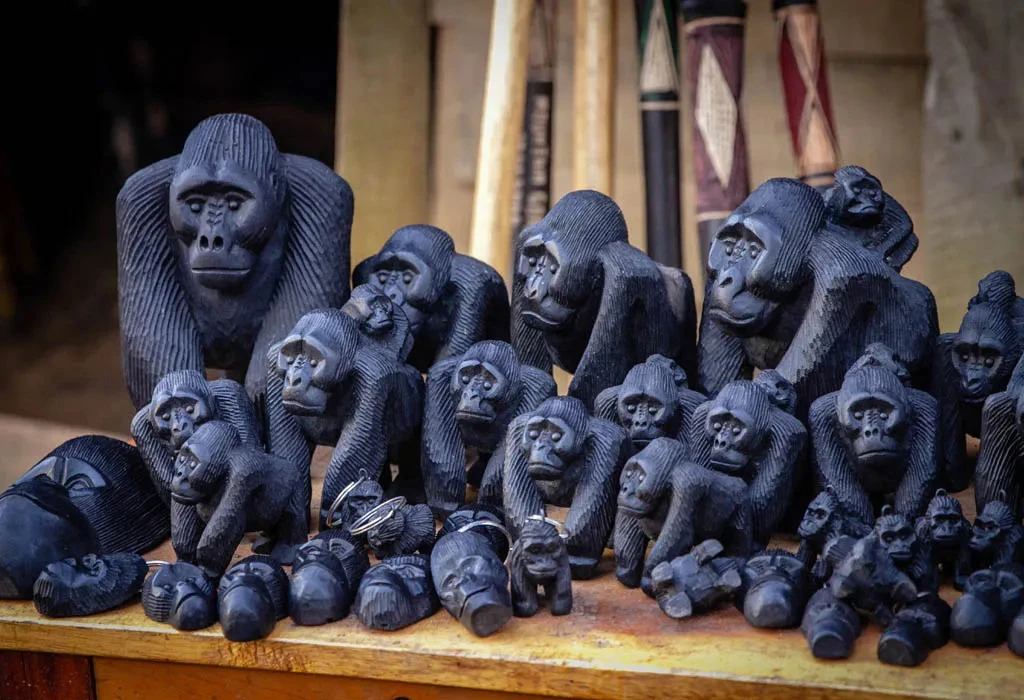
Hand-carved gorilla sculptures are another standout. These range from small, affordable pieces to large, highly detailed works of art. I remember watching a craftsman carefully shape a block of wood into a lifelike gorilla, which gave me a deeper appreciation for the skill involved. The sculptures often depict gorillas in natural poses, from nurturing mothers to dominant silverbacks. Even a small carving on a desk can bring back vivid memories of the forest.
 Clothing is also widely available, and it’s more stylish than you might expect. T-shirts, caps, and hoodies feature creative designs and conservation messages. I picked up a simple shirt with a mountain gorilla silhouette, and it still reminds me of that misty morning in the forest. These items are easy to pack and practical to use long after your trip ends.
At the end of the trek, you receive an official certificate. While you don’t buy it, it becomes one of the most treasured mementos. It includes your name, the date, and the gorilla family you visited. Framing it later turns it into something you’ll proudly display.
Traditional Crafts and Textiles: Culture You Can Take Home
As you move beyond gorilla-themed items, you start to notice the rich cultural craftsmanship around you. These souvenirs tell deeper stories about the people who live near the forests.
In Rwanda, the iconic Agaseke basket stands out immediately. These beautifully woven baskets feature intricate patterns and tight, spiral designs. I visited a cooperative where women patiently worked on them, and it was clear how much time and care went into each piece. Traditionally used as gifts, they now serve as decorative items worldwide. Buying one feels like supporting both art and community.
Kitenge fabric adds a burst of color to your experience. The bold patterns are unmistakably African. You can buy it by the yard or as ready-made clothing. I found it fascinating that local tailors can quickly turn fabric into custom outfits. Even if you don’t sew, a piece of kitenge works perfectly as a table runner or wall décor.
Another unique discovery is Imigongo art. At first glance, it looks like modern abstract design, but it actually has deep cultural roots. Artists create it using natural materials, forming raised geometric patterns and painting them in earthy tones. Each piece feels both traditional and contemporary at the same time.
In Uganda, bark cloth offers something completely different. Made from the inner bark of trees, it has a soft, leather-like texture. What impressed me most was that the trees are not cut down during harvesting, making it a sustainable craft. The cloth works well as wall hangings, bags, or decorative accents.
Jewelry is everywhere, and each piece feels unique. Beaded necklaces and bracelets showcase vibrant colors and traditional patterns. I was especially drawn to paper bead jewelry. At first, it’s hard to believe the beads are made from recycled paper. Yet they are durable, lightweight, and surprisingly elegant. Knowing that these items support local women’s groups makes them even more meaningful.
Edible Souvenirs: Taste the Experience Again
Not all souvenirs need to sit on a shelf. Some can be enjoyed long after your trip, bringing back memories with every sip or bite.
Coffee lovers will appreciate locally grown coffee from areas near gorilla habitats. The flavor is rich and smooth, thanks to the high-altitude conditions. I brought some home, and every cup felt like a quiet reminder of misty hills and early mornings.
Tea is another excellent option. Both Uganda and Rwanda produce high-quality black tea with a clean, refreshing taste. It’s lightweight, easy to pack, and perfect for sharing with friends.
Spices like vanilla, cinnamon, and cardamom are also worth picking up. They are often fresher and more aromatic than what you find in supermarkets. Even a small packet can transform your cooking back home.
If you’re looking for something unique, local gin offers an interesting choice. It comes in distinctive packaging and reflects local flavors. Just make sure to check airline rules before packing it.
For something simple, dried fruits and roasted nuts are great options. I found dried mango and pineapple particularly delicious. They’re easy to carry and make great snacks during your journey.
Where to Find the Best Souvenirs
Knowing where to shop makes a big difference. Near park entrances, you’ll often find small stalls run by local artisans. These are convenient, especially right after your trek, and the items usually come directly from nearby communities.
Community cooperatives offer a more personal experience. When I visited one, the staff explained how the proceeds support education and local development. That connection makes your purchase feel more impactful.
In larger towns and cities, markets provide the widest variety. You can compare items, explore different styles, and even negotiate prices. Although it can feel busy, it’s also part of the adventure.
Shop Responsibly
While shopping is enjoyable, it’s important to make responsible choices. Avoid anything made from animal parts such as bones, fur, or teeth. These items harm wildlife and are often illegal to transport.
Instead, focus on handmade crafts, textiles, and locally produced goods. These not only support communities but also promote sustainable practices that help protect gorillas and their habitats.
A Final Thought
By the time you leave, your souvenirs will mean far more than you expected. Each item, whether it’s a carved stick, a woven basket, or a bag of coffee, carries a story. More importantly, it reflects your role in supporting conservation and local livelihoods. Long after your safari ends, these pieces will continue to connect you to the forests, the people, and the unforgettable experience of standing just meters away from a mountain gorilla.