
What Is the Best Region for Gorilla Trekking in Uganda?
Uganda is one of Africa’s most rewarding destinations for travellers who want to see mountain gorillas in their natural habitat. Walking through a dense rainforest, following fresh gorilla trails, and eventually coming face to face with a habituated family is an experience that stays with you long after the trek ends.
So, what is the best region for gorilla trekking in Uganda? The answer depends on the type of experience you want. Uganda has two mountain gorilla destinations: Bwindi Impenetrable National Park and Mgahinga Gorilla National Park. Both are located in southwestern Uganda, but they offer noticeably different landscapes, trekking conditions, accommodation options, and overall safari experiences.
For most travellers, Bwindi provides more choice because it has several trekking sectors and many habituated gorilla families. Mgahinga, on the other hand, offers dramatic volcanic scenery and a quieter mountain environment. Understanding these differences can help you choose the best place for gorilla trekking in Uganda before booking your safari.
Gorilla Trekking in Uganda
Gorilla trekking in Uganda takes place in protected tropical forests where mountain gorillas live in family groups. Before setting out, visitors receive a briefing from park officials and guides. Experienced trackers then lead the trek through the forest while monitoring signs of gorilla movement.
The actual hike can take different amounts of time depending on where the gorilla family is located. Some groups may be reached relatively quickly, while others require several hours of walking through steep or dense terrain. Therefore, travellers should prepare for a genuine forest hike rather than expect a simple walk.
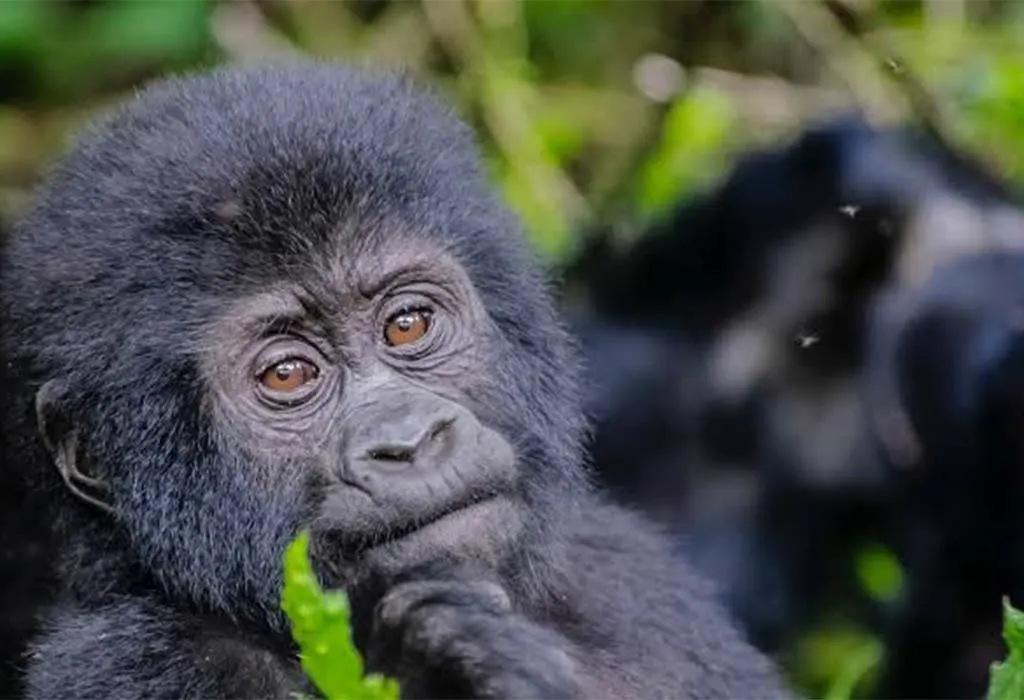
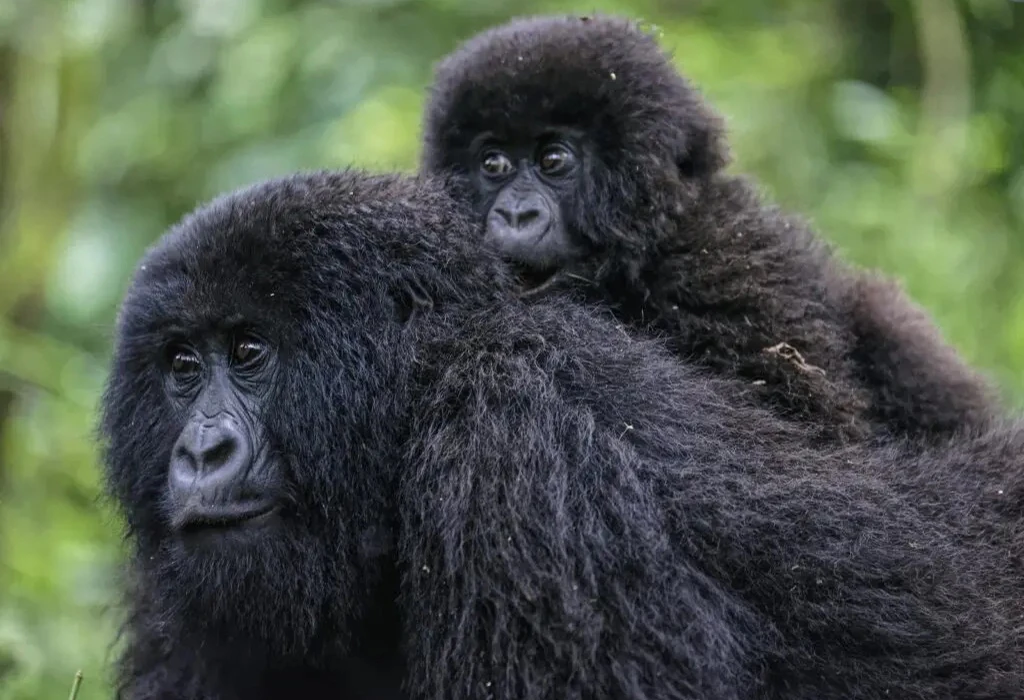
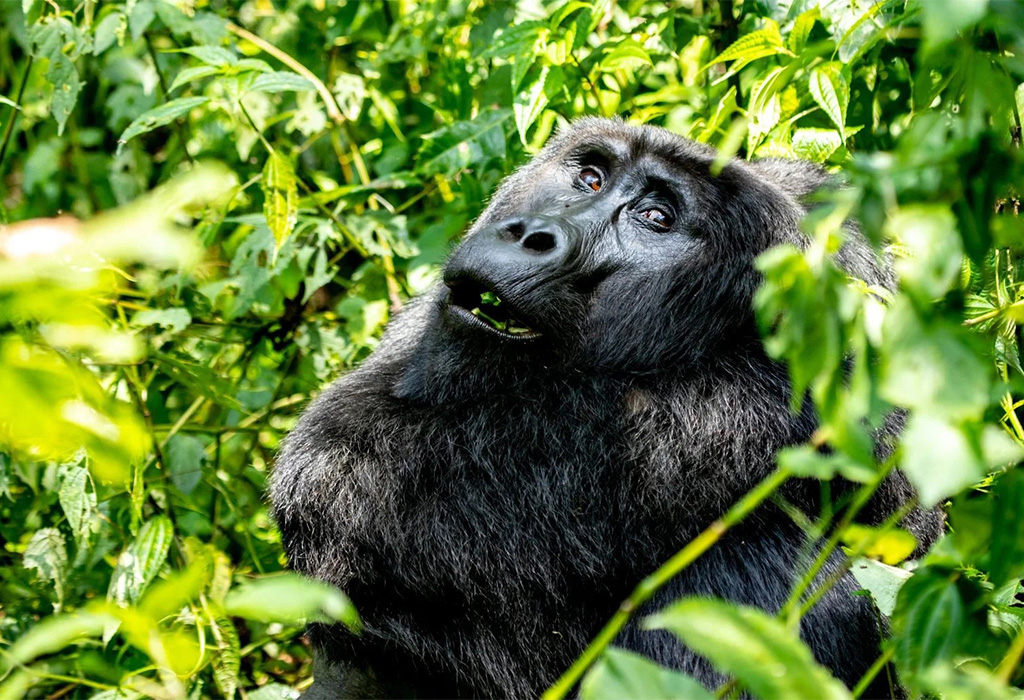
Once you find the gorillas, the experience becomes incredibly personal. You may watch a silverback resting beneath the vegetation, young gorillas playing around their mothers, or a curious individual observing the visitors. The guides also help you understand gorilla behaviour while ensuring that visitors follow the required viewing rules.
Uganda limits the number of people who can visit habituated gorilla families each day. This controlled approach helps reduce pressure on the animals while generating revenue for conservation and supporting communities living around the parks.
What Is the Best Region for Gorilla Trekking in Uganda?
When comparing the best region for gorilla trekking in Uganda, Bwindi and Mgahinga both deserve serious consideration. However, they appeal to slightly different types of travellers.
Bwindi is generally the better choice for travellers who want more trekking-sector options, a wider selection of accommodation, and greater flexibility when arranging their safari. Mgahinga is particularly attractive to visitors who prefer dramatic volcanic landscapes, bamboo forests, and a quieter trekking atmosphere.
Your choice can also depend on your wider itinerary. For example, travellers combining gorilla trekking with Queen Elizabeth National Park may find some Bwindi sectors convenient, while visitors exploring the Virunga region may prefer Mgahinga.
Bwindi Impenetrable National Park
Bwindi Impenetrable National Park is the most established destination for gorilla trekking in Uganda. The ancient rainforest covers rugged hills in southwestern Uganda and supports a significant population of mountain gorillas.
One of Bwindi’s biggest advantages is that the park has four main gorilla trekking sectors: Buhoma, Ruhija, Rushaga, and Nkuringo. Each sector has its own trail network, accommodation options, scenery, and habituated gorilla families.
Buhoma Sector
Buhoma is the historic home of gorilla tourism in Uganda. It was the first sector in Bwindi to receive gorilla trekking visitors and has developed a strong tourism infrastructure over the years.
The sector provides access to several forest trails and has a good range of accommodation. Buhoma can therefore be an excellent choice for first-time gorilla trekkers who want to combine the trek with forest walks and other activities.
Ruhija Sector
Ruhija lies on the eastern side of Bwindi and offers a different atmosphere from Buhoma. The area sits at a relatively high elevation, creating a cool forest environment with beautiful scenery.
Ruhija is also popular with birdwatchers because Bwindi supports a remarkable variety of forest bird species. Consequently, travellers interested in combining gorilla trekking and bird watching in Uganda may find this sector particularly appealing.
Rushaga Sector
Rushaga is located in southern Bwindi and has become one of the important gorilla trekking areas in the park. The sector provides access to several habituated gorilla families and also offers the gorilla habituation experience.
Unlike ordinary trekking, habituation allows visitors to spend more time observing gorillas that researchers and trackers are gradually introducing to human presence. This makes Rushaga especially interesting for travellers who want a deeper understanding of gorilla behaviour.
Nkuringo Sector
Nkuringo sits in the southern part of Bwindi and is famous for its spectacular mountain scenery. From the area, travellers can enjoy views towards the Virunga Volcanoes, particularly in clear weather.
However, the landscape is hilly, so trekking in Nkuringo can be physically demanding. The steep terrain makes good preparation important, especially for travellers who are not accustomed to hiking in mountainous environments. Even so, the scenery and forest experience make Nkuringo a rewarding option.
Mgahinga Gorilla National Park
Mgahinga Gorilla National Park is Uganda’s other destination for mountain gorilla trekking. Although it is considerably smaller than Bwindi, the park offers an impressive combination of rainforest, bamboo vegetation, volcanic slopes, and mountain scenery.
Mgahinga forms part of the larger Virunga Conservation Area, which extends across Uganda, Rwanda, and the Democratic Republic of Congo. The park is dominated by the Virunga volcanoes, giving visitors a dramatic backdrop during their safari.
The park has a habituated gorilla family available for trekking, although gorilla movements and tourism arrangements can change over time. Because Mgahinga receives fewer visitors than Bwindi, the experience can feel more intimate and less busy.
Mgahinga is also an excellent destination for travellers who want to combine gorilla trekking with golden monkey tracking. The park is one of the best places in Uganda to encounter the endangered golden monkey, while adventurous visitors can also consider hiking one of the volcanic mountains.
For travellers who value scenery, fewer crowds, and a strong mountain atmosphere, Mgahinga may be the best place for gorilla trekking in Uganda.
Bwindi vs Mgahinga: Which Should You Choose?
Choosing between Bwindi and Mgahinga ultimately depends on what you expect from your Uganda gorilla safari. Bwindi provides more sectors and generally gives travellers greater flexibility when selecting accommodation and arranging their trek.
Mgahinga, meanwhile, offers a smaller and more mountainous setting. Its volcanic scenery gives the trekking experience a distinctive character, particularly for travellers who enjoy hiking and dramatic landscapes.
Consider these factors when making your choice:
- More trekking sectors: Bwindi
- More accommodation choices: Bwindi
- Volcanic mountain scenery: Mgahinga
- Golden monkey tracking: Mgahinga
- Gorilla habituation experience: Rushaga in Bwindi
- Birding opportunities: Bwindi
- Quieter mountain atmosphere: Mgahinga
Therefore, neither destination is universally better. The best region for gorilla trekking in Uganda is the one that fits your interests, fitness level, itinerary, and preferred travel experience.
How Much Is a Gorilla Trekking Permit in Uganda?
A gorilla trekking permit is an essential part of planning your safari. For current Uganda gorilla permit rates, travellers should confirm the applicable price directly with the Uganda Wildlife Authority or through their safari operator because fees can change.
The permit covers the guided gorilla trekking experience and contributes to the management and protection of the gorilla habitats. A portion of tourism revenue also supports communities surrounding the protected areas.
Because permits are limited, it is wise to secure your permit well before travelling. This becomes particularly important when planning a safari during the busy dry-season months of June to September and December to February.
Experiya Tour Company can help travellers plan the permit arrangements, accommodation, transportation, and other activities around their gorilla trekking experience.
When Is the Best Time for Gorilla Trekking in Uganda?
Gorilla trekking takes place throughout the year, so there is no single month when the experience is possible. However, weather conditions can influence how comfortable the trek feels.
The drier periods from June to September and December to February are generally popular because forest trails are often easier to navigate. These months also attract more visitors, so early planning is advisable.
The wetter periods, particularly March to May and October to November, can bring rain and slippery trails. Nevertheless, the rainforest becomes especially green, and visitor numbers may be lower. Some travellers actually prefer this quieter atmosphere.
Regardless of the season, you should prepare for changing weather. Rain can fall in the mountains even during traditionally drier months.
Combine Gorilla Trekking with Other Uganda Safaris
One advantage of choosing Uganda for gorilla trekking is the ability to combine the experience with other wildlife and cultural adventures. Instead of visiting the gorillas alone, travellers can build a longer safari around the country’s diverse national parks.
Queen Elizabeth National Park is a popular addition. After trekking in Bwindi, travellers can explore the savannah in search of elephants, buffaloes, lions, leopards, and other wildlife. A boat cruise along the Kazinga Channel adds another memorable experience.
You can also visit Kibale National Park for chimpanzee trekking. Known for its rich primate diversity, Kibale offers an excellent opportunity to experience another side of Uganda’s rainforest wildlife.
For a longer itinerary, Murchison Falls National Park provides a completely different landscape. Travellers can enjoy game drives across the savannah and take a boat trip towards the base of the powerful Murchison Falls.
Travel Tips for Gorilla Trekking in Uganda
Preparing properly can make your trek much more enjoyable. Although you do not need to be an elite athlete, gorilla trekking involves walking through uneven, hilly, and sometimes muddy forest terrain.
Wear sturdy hiking boots with good grip and choose lightweight clothing that protects your arms and legs. A waterproof jacket is also essential because mountain weather can change quickly.
Carry enough drinking water and a few light snacks, particularly if your trek lasts several hours. A walking stick can also provide additional support on steep or slippery sections of the trail.
Hiring a local porter is another practical option. Porters can carry your daypack, provide assistance on difficult sections, and earn income directly from tourism. For many visitors, using a porter also makes the trek more comfortable.
Most importantly, follow the instructions of your guides and trackers. Their experience helps you enjoy the encounter while respecting the gorillas and protecting their habitat.
Why Choose Experiya Tour Company for Gorilla Trekking?
Planning a gorilla safari involves more than securing a permit. You need to consider the right trekking sector, accommodation, transportation, travel time, and activities before and after the trek.
Experiya Tour Company can help travellers organize these details into a practical Uganda safari itinerary. Whether you prefer Bwindi’s diverse trekking sectors or the volcanic landscapes of Mgahinga, the itinerary can be tailored around your interests, available time, and travel preferences.
The right planning also allows you to combine gorilla trekking with chimpanzee tracking, wildlife viewing, boat cruises, cultural experiences, or scenic stops along the way.
Conclusion: What Is the Best Region for Gorilla Trekking in Uganda?
So, what is the best region for gorilla trekking in Uganda? For most travellers seeking flexibility and a wider choice of trekking sectors, Bwindi Impenetrable National Park is the strongest overall option. Its Buhoma, Ruhija, Rushaga, and Nkuringo sectors each provide a different way to experience the forest and its gorillas.
However, Mgahinga Gorilla National Park should not be overlooked. Its volcanic scenery, bamboo forests, golden monkeys, and quieter atmosphere make it an excellent choice for travellers who prefer a more intimate mountain adventure.
Ultimately, the best choice depends on the experience you want. With proper planning, either destination can provide an extraordinary encounter with Uganda’s mountain gorillas and become one of the most memorable parts of your African safari.
If you are ready to plan your gorilla trekking safari in Uganda, contact Experiya Tour Company for help choosing the right destination, arranging your gorilla permit, booking accommodation, and creating a safari itinerary that suits your travel plans.