

Travelers often arrive in East Africa with one clear dream: to see the Big Five in the wild. Lions, leopards, elephants, buffaloes, and rhinos have long symbolized Africa’s untamed beauty, and Tanzania remains one of the best places on earth to encounter them together. The country offers vast protected landscapes where wildlife still moves freely, just as it has for centuries.
When people ask where they can reliably see the Big Five in Tanzania, the answer lies in a few exceptional ecosystems that consistently deliver unforgettable sightings. Tanzania does not offer zoo-like guarantees, but it provides something far more powerful: natural abundance, thriving ecosystems, and expert-guided safaris that place you in the right place at the right time.
Across sweeping savannahs, volcanic craters, and acacia woodlands, travelers experience wildlife encounters that feel raw, real, and deeply immersive. With the right safari route, you can witness all five iconic animals within a single journey while also enjoying cultural experiences and breathtaking scenery.
Serengeti National Park: A True Big Five Stronghold
The Serengeti stands at the heart of Tanzania’s safari experience and offers one of the most reliable answers to where you can see the Big Five. As soon as you enter this vast ecosystem, the scale of wilderness becomes overwhelming. Endless grasslands stretch toward the horizon, broken only by scattered trees and rocky outcrops known as kopjes.
 You quickly notice how wildlife dominates the landscape. Lions appear frequently, often resting on rocky hills or stalking herds across open plains. In fact, the Serengeti supports some of Africa’s largest lion populations, giving travelers excellent chances to observe prides in action. Leopards also thrive here, though they remain more secretive. You often spot them draped over tree branches during early morning or late afternoon drives.
Elephants move steadily through woodland areas, especially in the northern and western sections of the park. Their presence adds a sense of calm power to the landscape. Buffaloes, on the other hand, gather in large herds, often appearing near water sources or grazing alongside other herbivores.
While rhinos remain rare in the Serengeti, occasional sightings do occur in protected and remote sections. However, most travelers combine this destination with nearby conservation areas to complete their Big Five experience.
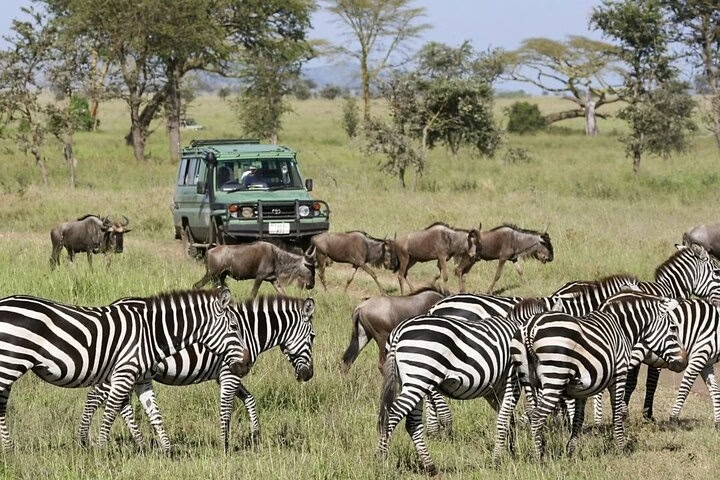
Beyond the Big Five, the Serengeti offers something equally remarkable: the Great Migration. Millions of wildebeest, zebras, and gazelles cross the plains in search of fresh grazing. When river crossings begin, predators such as crocodiles and lions create dramatic wildlife interactions that leave lasting memories.
Accessing the Serengeti is straightforward. Most travelers fly into northern Tanzania and continue by light aircraft or scenic drives from safari hubs. Once inside the park, a range of lodges and mobile camps place you close to wildlife movement, ensuring early morning and late evening game drives remain highly productive.
Ngorongoro Crater: The Natural Wildlife Arena
If the Serengeti feels vast and open, the Ngorongoro Crater offers a completely different experience. This UNESCO World Heritage Site forms a massive volcanic caldera that functions as a self-contained wildlife sanctuary. When you descend onto the crater floor, you immediately notice how concentrated the wildlife becomes.
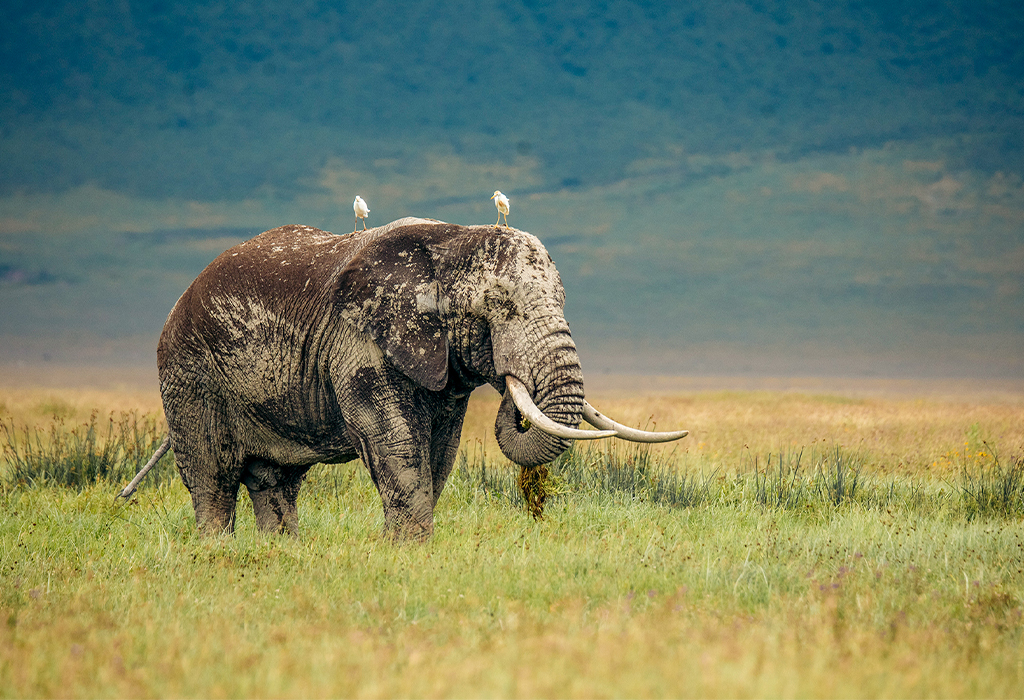
Ngorongoro provides one of the highest chances of seeing all members of the Big Five in a single day. Lions roam freely across grassy plains, often seen hunting or resting near herds of wildebeest and zebra. Elephants, especially large tusked bulls, move between forested edges and open spaces, creating impressive viewing moments.
 Buffaloes graze in large numbers, particularly near the crater’s wetlands and Lake Magadi. Meanwhile, leopards remain elusive but inhabit the surrounding forested slopes, occasionally appearing during early drives.
The most significant highlight, however, is the presence of the endangered black rhino. Ngorongoro offers one of the few reliable habitats in Tanzania where travelers can still observe these rare animals. Spotting a rhino grazing in the open grasslands feels like witnessing a living conservation success story.
The crater also delivers exceptional birdlife. Flamingos, raptors, and water birds gather around the lake, making it a rewarding destination for bird enthusiasts as well.
Reaching Ngorongoro is relatively easy from Arusha, with a scenic drive passing through highland farms and rolling landscapes. Once there, travelers often stay on the crater rim, where morning views reveal clouds drifting over the ancient volcanic floor below.
Game drives inside the crater feel intimate and efficient due to the enclosed geography. Wildlife remains visible throughout the day, making it one of the most rewarding safari destinations in Africa.
Tarangire National Park: The Hidden Gem of Big Five Sightings
Tarangire often surprises travelers who wonder where else they might see the Big Five in Tanzania. While it may be less famous than the Serengeti or Ngorongoro, it delivers exceptional wildlife encounters, especially during the dry season.
The park is best known for its massive elephant herds. Watching dozens of elephants move together beneath towering baobab trees creates one of the most iconic safari scenes in East Africa. These gentle giants dominate the landscape, often gathering near the Tarangire River as water becomes scarce elsewhere.
Lions are frequently seen here as well, especially in areas where prey gathers during the dry months. Leopards inhabit the woodlands and riverine forests, while buffaloes move in large herds across open areas.
Although rhino sightings are not typical in Tarangire, the park still plays an important role in a broader northern safari circuit where travelers combine multiple destinations to complete the Big Five experience.
Birdlife in Tarangire is equally impressive. The park hosts hundreds of bird species, from colorful lovebirds to large birds of prey. This diversity makes it especially rewarding for travelers who appreciate both mammals and avian wildlife.
Tarangire lies only a short drive from Arusha, making it an easy addition to most safari itineraries. Its accessibility allows visitors to enjoy both short and extended wildlife experiences without long travel times.
When Is the Best Time to See the Big Five in Tanzania?
Timing plays an important role in shaping your safari experience. While Tanzania offers year-round wildlife viewing, the dry season generally provides the best conditions for spotting the Big Five. From June to October, vegetation becomes thinner, and animals gather around rivers and water sources, making them easier to observe.
However, the green season from November to May also has its charm. Landscapes turn lush and vibrant, birdlife becomes more active, and many areas feel quieter with fewer visitors. Each season offers a different perspective on Tanzania’s natural beauty.
Final Thoughts: A Journey Into Wild Africa
Seeing the Big Five in Tanzania is not just about ticking off a list. It is about immersing yourself in landscapes where wildlife still follows ancient rhythms. Each destination offers a unique piece of the experience.
The Serengeti delivers vast open plains and dramatic predator action. Ngorongoro provides one of the most reliable Big Five encounters in a compact and breathtaking setting. Tarangire adds quieter but equally rewarding wildlife moments, especially among elephants and baobab landscapes.
Together, these ecosystems form one of the most complete safari circuits in the world. With thoughtful planning and the right timing, travelers can witness all five iconic animals while also experiencing cultural encounters and unforgettable scenery.
Ultimately, Tanzania stands out not only for its wildlife density but also for the authenticity of its wilderness. Every game drive feels like a discovery, and every sighting deepens your connection to Africa’s natural world.