

Why Bwindi Is the Best Place for Gorilla Trekking in Uganda
Bwindi Impenetrable National Park stands out as the ultimate destination for gorilla trekking in Uganda. Tucked away in the southwestern corner of the country along the Albertine Rift Valley, this ancient forest protects nearly half of the world’s remaining mountain gorillas. From the moment you step into Bwindi, you feel the difference. The air is thick with mist, the forest hums with life, and every step draws you deeper into one of Africa’s oldest ecosystems.
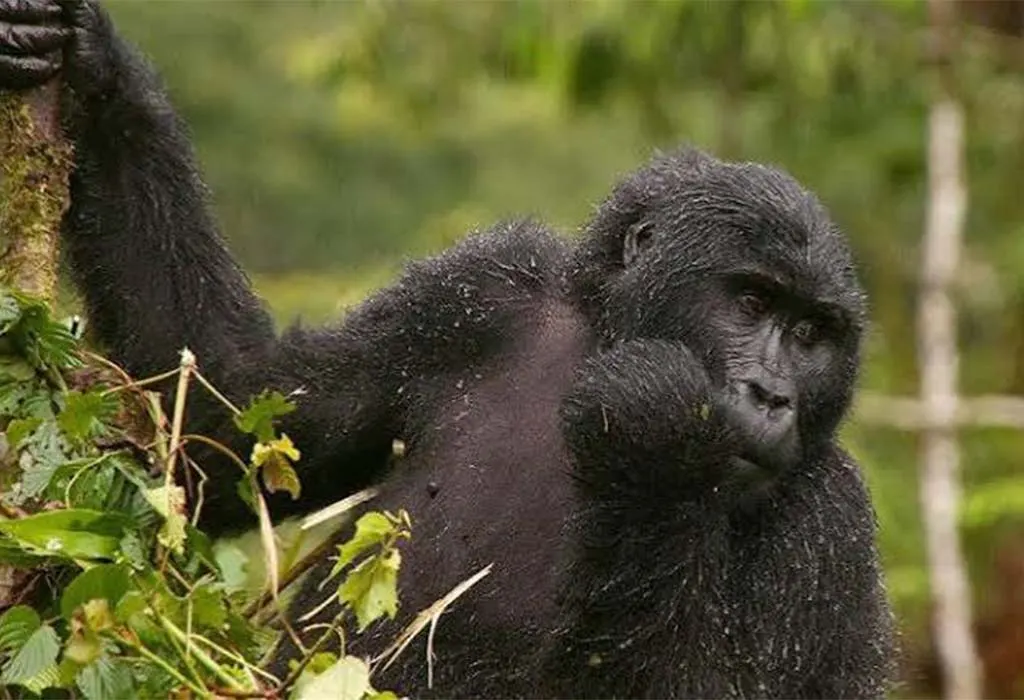
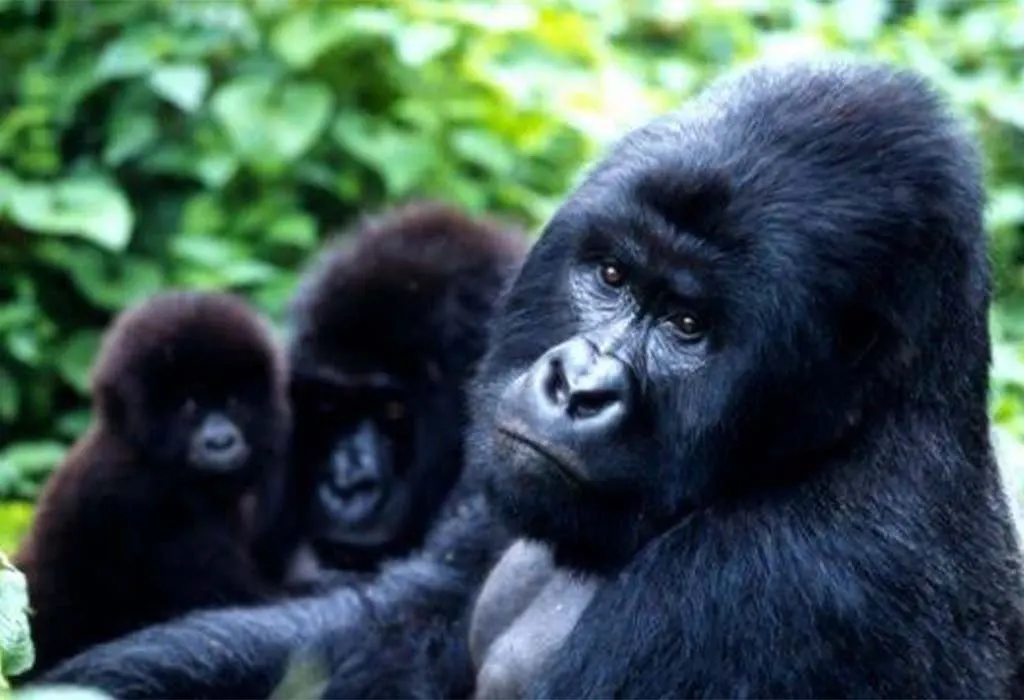
Gorilla trekking here goes far beyond simply spotting wildlife. Instead, it becomes a deeply personal journey into a living rainforest that has existed for over 25,000 years. As you push through vines and follow narrow trails beneath towering trees, you hear distant calls of birds and primates echoing through the canopy. Then, suddenly, you come face to face with a gorilla family. In that quiet moment, as a silverback watches over his group, the experience feels powerful, humbling, and unforgettable.
A Remarkable Forest Ecosystem
Bwindi covers about 331 square kilometers of dense montane and lowland forest, earning its status as a UNESCO World Heritage Site. Its altitude ranges from 1,160 to over 2,600 meters above sea level, creating diverse habitats that support an incredible range of wildlife. In addition to mountain gorillas, the park shelters forest elephants, chimpanzees, and more than 350 bird species.
Because of this biodiversity, every trek feels unique. One moment you may be listening to the rustle of leaves as a monkey leaps overhead, and the next, you may be standing still as a family of gorillas feeds quietly just meters away. This richness transforms a trek into a full sensory experience rather than a single wildlife sighting.
Four Unique Trekking Sectors
Another reason Bwindi excels is its four distinct trekking sectors: Buhoma, Ruhija, Rushaga, and Nkuringo. Each sector offers a different perspective of the forest, allowing travelers to choose an experience that suits their interests and fitness levels.
In Buhoma, the park’s oldest sector, trekking feels accessible yet rewarding. The trails wind through lush forest, and the gorilla families here, including the historic Mubare group, offer intimate encounters. This is where Uganda’s gorilla tourism began, and the sense of history adds depth to every visit.
Ruhija, on the other hand, sits at a higher altitude and provides sweeping forest views. It feels quieter and less crowded, making it ideal for travelers seeking a more peaceful experience. The gorilla families here often display playful behavior, especially the younger members, which adds a lively dimension to the trek.
Further south, Rushaga offers the highest concentration of gorilla families. This sector also hosts the Gorilla Habituation Experience, where visitors spend up to four hours with a semi-habituated group. Because of this extended time, you gain deeper insight into gorilla behavior, communication, and social structure.
Nkuringo presents the most physically demanding treks, but it rewards effort with breathtaking scenery. The steep slopes and panoramic views create a dramatic setting, and encountering gorillas here feels especially adventurous.
Diverse Gorilla Families and Encounters
Bwindi is home to the largest number of habituated gorilla families in Uganda. Each family has its own personality, structure, and story, which means no two treks ever feel the same.
For instance, some families move slowly and remain calm, allowing for relaxed observation. Others stay energetic, with juveniles climbing trees and playing while adults forage nearby. In larger groups, you can observe complex social interactions, including grooming, feeding, and the quiet authority of the dominant silverback.
 Because of this diversity, Bwindi offers something for every traveler. Whether you prefer a gentle trek with close observation or a more active adventure through dense forest, you can find a gorilla family that matches your expectations.
High Success Rate and Flexible Experiences
One of the most reassuring aspects of trekking in Bwindi is the high success rate. Visitors have more than a 95 percent chance of seeing gorillas. Experienced trackers move ahead early in the morning to locate the families, guiding visitors directly to them once the trek begins.
At the same time, the park provides flexibility. Some treks take only a couple of hours, while others extend into longer hikes through steep terrain. This variety allows you to choose a route based on your fitness level and sense of adventure.
Additionally, the Gorilla Habituation Experience sets Bwindi apart from many other destinations. Spending four hours with a gorilla family offers a deeper, more immersive connection that goes beyond the standard one-hour visit.
Conservation and Community Impact
Bwindi’s success is not only about tourism; it is also a powerful conservation story. Revenue from gorilla permits directly supports anti-poaching efforts, veterinary care, and habitat protection. As a result, mountain gorilla populations have steadily increased over the years.
Equally important, local communities benefit from tourism. Many residents work as guides, porters, or lodge staff, while others participate in cultural experiences such as the Batwa community visits. This connection ensures that conservation efforts also support livelihoods, creating a sustainable relationship between people and wildlife.
What to Expect on a Gorilla Trek
A typical gorilla trekking experience begins early in the morning with a briefing from Uganda Wildlife Authority rangers. After learning the rules and safety guidelines, you join a small group and head into the forest with experienced guides.
The trek itself can last anywhere from two to six hours, depending on the location of the gorilla family. Along the way, guides share insights about the forest, point out wildlife, and help you navigate the terrain. When you finally reach the gorillas, you spend one unforgettable hour observing them in their natural habitat.
During this time, you might watch a mother gently care for her infant, see juveniles playing nearby, or witness the quiet strength of a silverback. Every moment feels authentic and unscripted, making the experience deeply moving.
Best Time to Visit Bwindi
Although gorilla trekking is possible year-round, the dry seasons from June to September and December to February offer the most comfortable conditions. Trails remain less muddy, and hiking becomes easier.
However, the rainy seasons also have their advantages. The forest appears greener and more vibrant, and permits are often easier to secure. For travelers who do not mind a bit of mud, this period can feel even more intimate and less crowded.
Preparing for the Trek
Bwindi’s terrain can be challenging, so preparation makes a big difference. Wearing sturdy hiking boots, long-sleeved clothing, and a rain jacket ensures comfort in changing conditions. Hiring a porter also enhances the experience, as they assist with carrying gear and provide support on steep sections.
Physical preparation, even light hiking or cardio exercises before your trip, helps you enjoy the trek without strain. With the right mindset and preparation, the journey becomes just as rewarding as the destination.
Final Thoughts
Bwindi Impenetrable National Park remains the best place for gorilla trekking in Uganda because it combines rich biodiversity, diverse trekking experiences, and a strong conservation framework. Every visit feels unique, shaped by the forest, the gorilla family you encounter, and the journey you take to find them.
For anyone seeking a truly life-changing wildlife experience, Bwindi offers more than just a glimpse of mountain gorillas. It provides a deep connection to nature, a sense of adventure, and a lasting appreciation for one of Africa’s most extraordinary landscapes.
To plan your gorilla trekking experience, reach out to Experiya Tour Company for expert guidance and personalized safari arrangements.