

Getting to Mgahinga Gorilla National Park
Mgahinga Gorilla National Park is one of Uganda’s most rewarding safari destinations. Tucked away in the far southwestern corner of the country, the park sits where Uganda meets Rwanda and the Democratic Republic of Congo. Although it is the smallest national park in Uganda, covering only 33.7 square kilometers, Mgahinga delivers unforgettable wildlife encounters, dramatic volcanic scenery, and rich cultural experiences.
The park was officially gazetted in 1991 to protect the endangered mountain gorillas and the rare golden monkeys that inhabit the Virunga forests. Today, it forms part of the larger Virunga Conservation Area, one of Africa’s most important biodiversity regions. Towering above the forest are the three volcanic peaks of Mount Muhavura, Mount Gahinga, and Mount Sabinyo, creating one of the most breathtaking landscapes in East Africa.
When I first visited Mgahinga Gorilla National Park, what immediately stood out was the peaceful atmosphere. Unlike some of the busier safari destinations in East Africa, Mgahinga feels calm and uncrowded. The mist drifting through the bamboo forest, the cool mountain air, and the sound of birds echoing across the valleys create an experience that feels deeply personal and authentic.
The park lies in Kisoro District and is surrounded by communities of the Bafumbira, Bakiga, and Batwa people, whose traditions and stories add cultural depth to every visit.
How to Get to Mgahinga Gorilla National Park
Travelers can reach Mgahinga Gorilla National Park either by road or by air. Additionally, many international visitors choose to access the park through Rwanda because of the shorter driving distance from Kigali.
Getting to Mgahinga by Road from Kampala or Entebbe
Most travelers begin their journey from Kampala or Entebbe. The drive to Mgahinga Gorilla National Park takes approximately nine to ten hours, depending on road conditions and stopovers along the way.
The route passes through Masaka, Mbarara, Kabale, and finally Kisoro before reaching the park headquarters at Ntebeko. Although the journey is long, it is incredibly scenic. Rolling hills, terraced farms, roadside markets, and beautiful countryside views make the drive enjoyable.
One of the highlights along the route is the Uganda Equator crossing at Kayabwe. Many travelers stop here to take photographs and experience standing in both hemispheres at the same time. Further along the journey, many visitors also enjoy a lunch stop at Igongo Cultural Centre near Mbarara, where local cuisine and cultural displays offer a refreshing break before continuing south.
If you use public transport, buses travel daily from Kampala to Kisoro town. From Kisoro, you can hire a private vehicle or taxi to transfer you to the park entrance. However, most visitors prefer booking a guided safari through Experiya Tour Company because it provides reliable transport, experienced driver-guides, and smoother travel logistics throughout the journey.
Flying to Mgahinga Gorilla National Park
For travelers with limited time, flying offers the fastest and most comfortable option. Domestic flights operate from Entebbe International Airport to Kisoro Airstrip several times each week.
The morning flight usually departs around 7:00 AM and arrives in Kisoro in just over an hour. From the airstrip, drivers transfer visitors directly to their lodges near the park.
Flying dramatically reduces travel time and allows visitors to spend more time exploring the park instead of sitting on the road. Additionally, the aerial views of southwestern Uganda are spectacular. On clear days, passengers enjoy stunning views of lakes, mountains, and the Virunga volcanoes stretching across the horizon.
Accessing Mgahinga Through Rwanda
Interestingly, many international travelers find it easier to enter Uganda through Kigali International Airport in Rwanda. From Kigali, the drive to Mgahinga Gorilla National Park takes only three to four hours through either the Cyanika or Katuna border posts.
Compared to the long drive from Entebbe, this route saves significant travel time and often reduces overall transport costs. The roads between Kigali and the Ugandan border are also smooth and scenic, passing through Rwanda’s famous rolling hills and vibrant rural landscapes.
Because of this convenience, many visitors combine Rwanda and Uganda safaris into one East African adventure.
Gorilla Tracking in Mgahinga
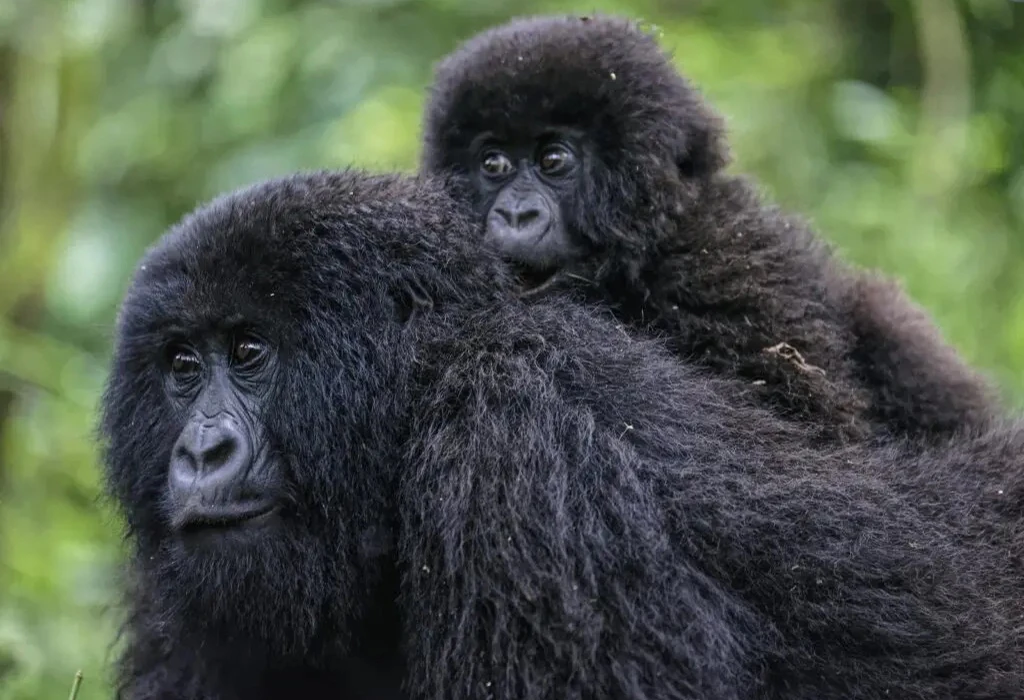
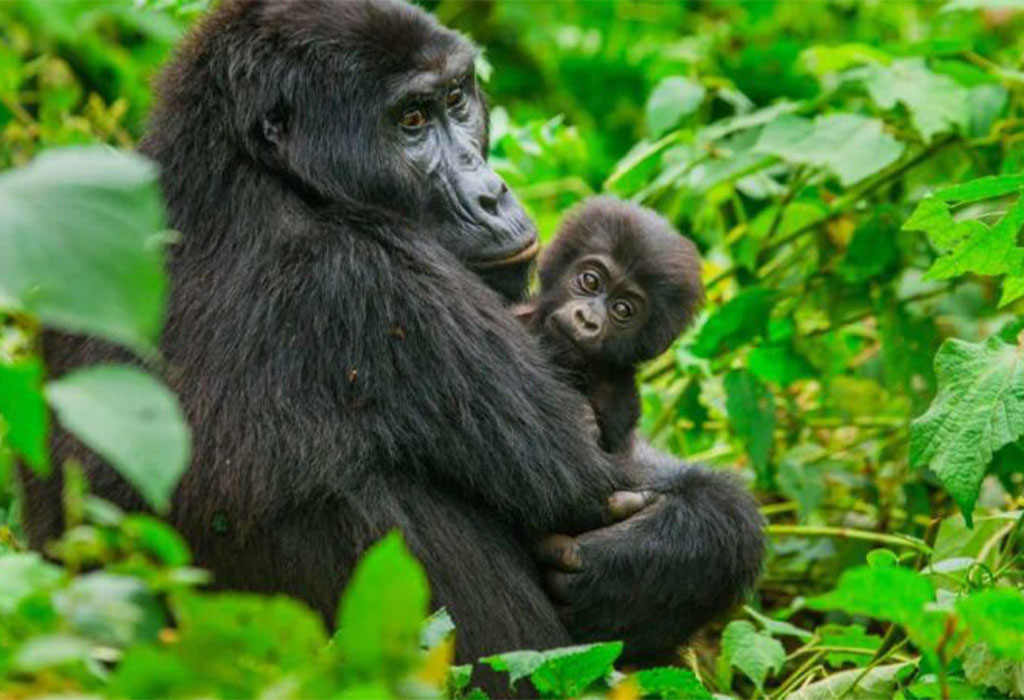
Gorilla trekking remains the main reason most travelers visit Mgahinga Gorilla National Park. The park protects around 80 mountain gorillas, although only the Nyakagezi Gorilla Family is currently habituated for tourism.
The Nyakagezi group is particularly famous because of its stability and impressive size. Unlike some gorilla families that frequently move long distances, this group usually stays within reachable areas of the park, making tracking more manageable for many visitors.
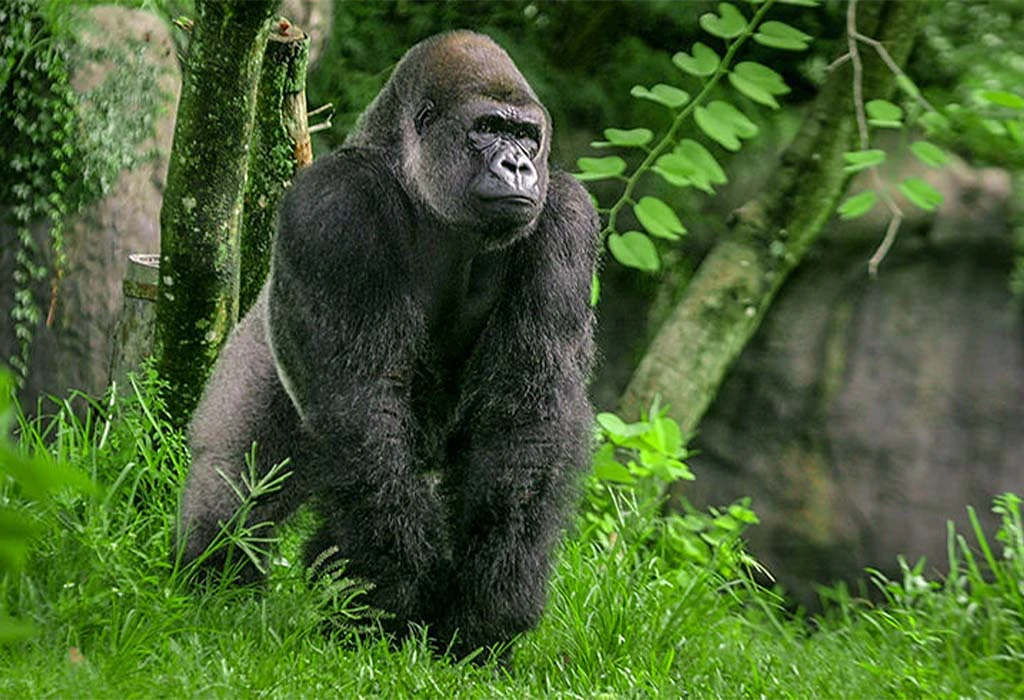 Every gorilla trek begins with a ranger briefing at Ntebeko Visitor Centre at 8:00 AM. Rangers explain gorilla trekking rules, safety guidelines, and what to expect inside the forest. Afterward, small groups head into the jungle accompanied by armed ranger guides.
The trek itself feels magical. Thick bamboo forests, moss-covered trees, and misty mountain slopes create a setting that feels almost untouched by time. Along the trails, visitors often encounter birds, butterflies, and other primates before finally locating the gorillas.
Spending one hour with mountain gorillas is an emotional and unforgettable wildlife experience. Watching them feed, groom, play, and interact at close range creates a connection that is difficult to describe.
A gorilla trekking permit in Mgahinga currently costs $800 and should be booked well in advance through the Uganda Wildlife Authority or a trusted operator like Experiya Tour Company.
Golden Monkey Tracking Experience
Besides gorillas, Mgahinga is also famous for golden monkey tracking. These rare and beautiful primates are only found within the Virunga ranges and parts of the Albertine Rift.
Golden monkeys move quickly through the bamboo forests, leaping between branches while feeding and playing in large groups. Their bright golden-orange fur stands out beautifully against the green vegetation.
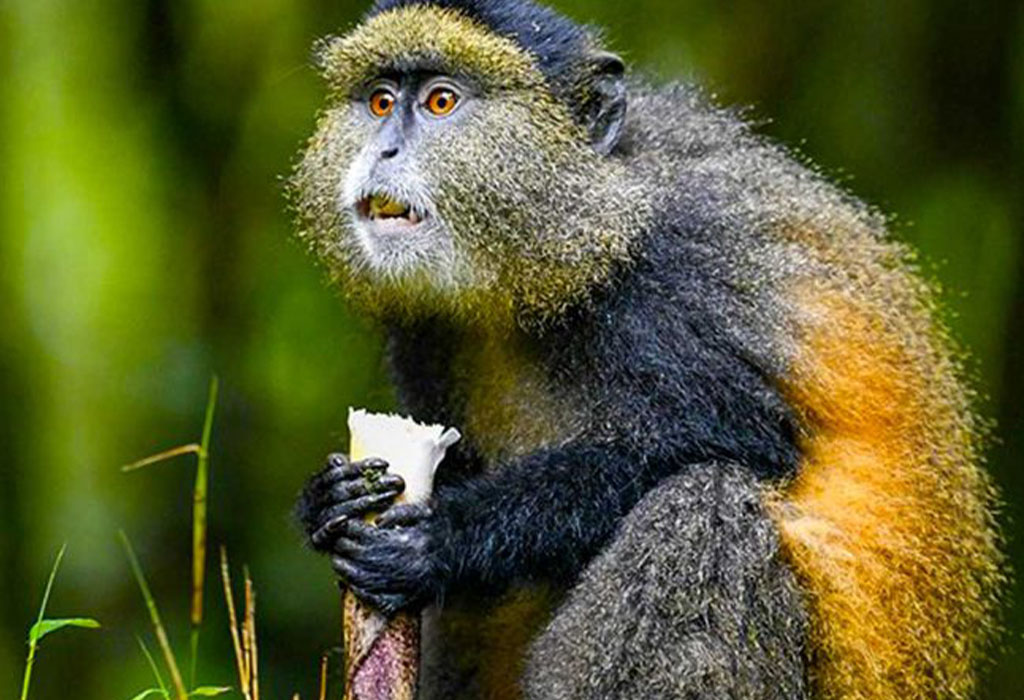 Tracking usually starts in the morning and lasts between one and three hours. Compared to gorilla trekking, the hike is often less demanding, making it suitable for many travelers seeking a lighter adventure.
The experience feels energetic and exciting because the monkeys constantly move and interact with one another. For photographers, this activity provides incredible opportunities for capturing unique wildlife moments.
Volcano Hiking Adventures
Mgahinga Gorilla National Park also attracts hikers from around the world because of its volcanic mountains. Each volcano offers a different challenge and scenery.
Mount Gahinga is considered the easiest climb and usually takes around six hours roundtrip. The trail passes through bamboo forests and alpine vegetation before reaching a swamp-filled crater at the summit.
Mount Sabinyo remains the most popular volcano hike in the park. The climb involves ladders, steep ridges, and dramatic viewpoints. One of the most exciting moments comes when hikers stand at the point where Uganda, Rwanda, and the Democratic Republic of Congo meet simultaneously.
Meanwhile, Mount Muhavura provides the most demanding climb because it rises above 4,100 meters. However, hikers who reach the summit enjoy extraordinary panoramic views across Uganda, Rwanda, and Congo.
Bird Watching and Nature Walks
Bird lovers also find Mgahinga incredibly rewarding. The park hosts more than 110 bird species, including several Albertine Rift endemics. Birding becomes especially productive between November and April when migratory species arrive and many resident birds begin nesting.
Nature walks allow visitors to explore areas beyond the main trekking trails. Guided walks pass through forests, wetlands, and volcanic slopes while introducing visitors to medicinal plants, local ecology, and hidden viewpoints.
The Sabinyo Gorge Trail is especially beautiful, with dense vegetation, waterfalls, and excellent birding opportunities throughout the hike.
The Batwa Cultural Trail
One of the most moving experiences in Mgahinga is the Batwa Cultural Trail. Before the creation of the national park, the Batwa people lived within these forests for generations as hunter-gatherers.
Today, Batwa guides lead visitors through the forest while sharing traditional survival skills, ancient hunting techniques, music, dance, and storytelling. The experience offers a deeper understanding of the cultural history connected to the forest and supports local community livelihoods.
Best Time to Visit Mgahinga Gorilla National Park
The best time to visit Mgahinga Gorilla National Park is during the dry seasons from June to October and from December to February. During these months, trails remain less slippery and hiking conditions become more comfortable.
However, Mgahinga can be visited throughout the year because the forest remains beautiful in every season.
What to Pack for Your Safari
Packing properly makes your experience far more comfortable. Bring long-sleeved shirts and long trousers to protect yourself from insects and thick vegetation. Waterproof hiking boots are essential because forest trails often become muddy and slippery.
A rain jacket is equally important since mountain weather changes quickly throughout the day. Additionally, carry binoculars, a camera, insect repellent, sunscreen, and a refillable water bottle.
Energy snacks help during long hikes, while a small first aid kit provides extra convenience during your adventure. Finally, carry some cash for tips, souvenirs, and community visits around the park.
With proper preparation and the right guidance from Experiya Tour Company, a journey to Mgahinga Gorilla National Park becomes far more than a safari. It becomes a powerful encounter with nature, culture, and some of the rarest wildlife on Earth