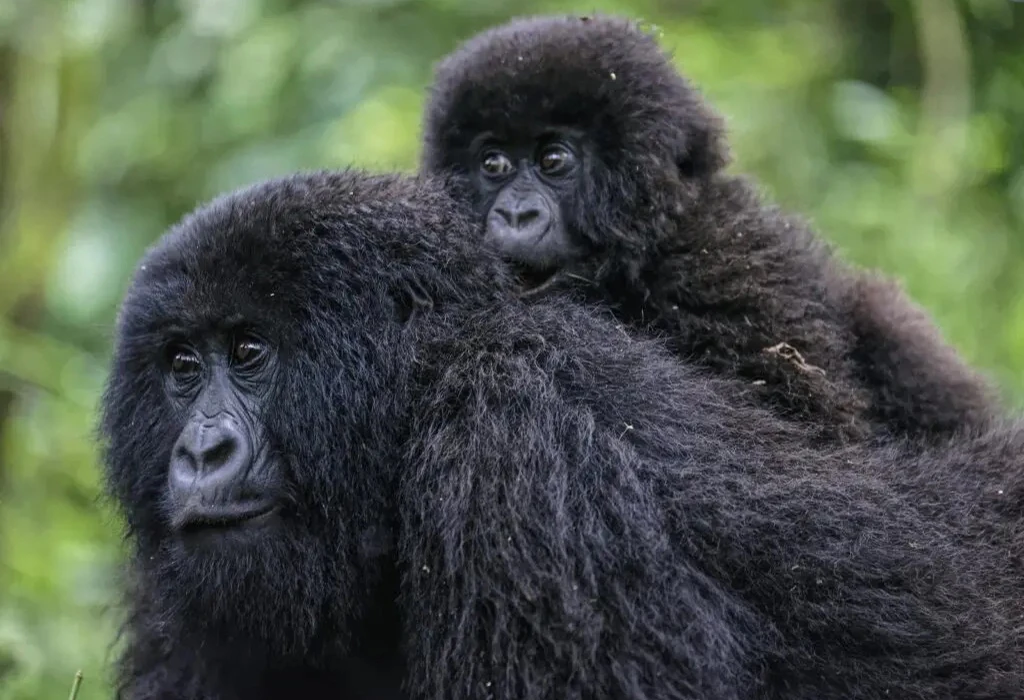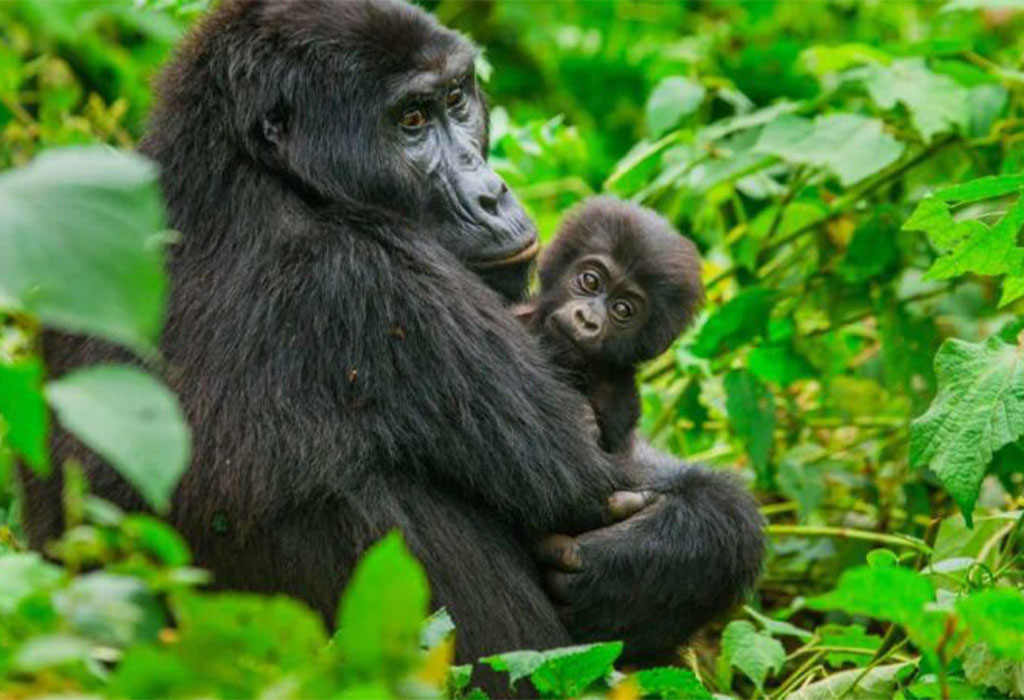
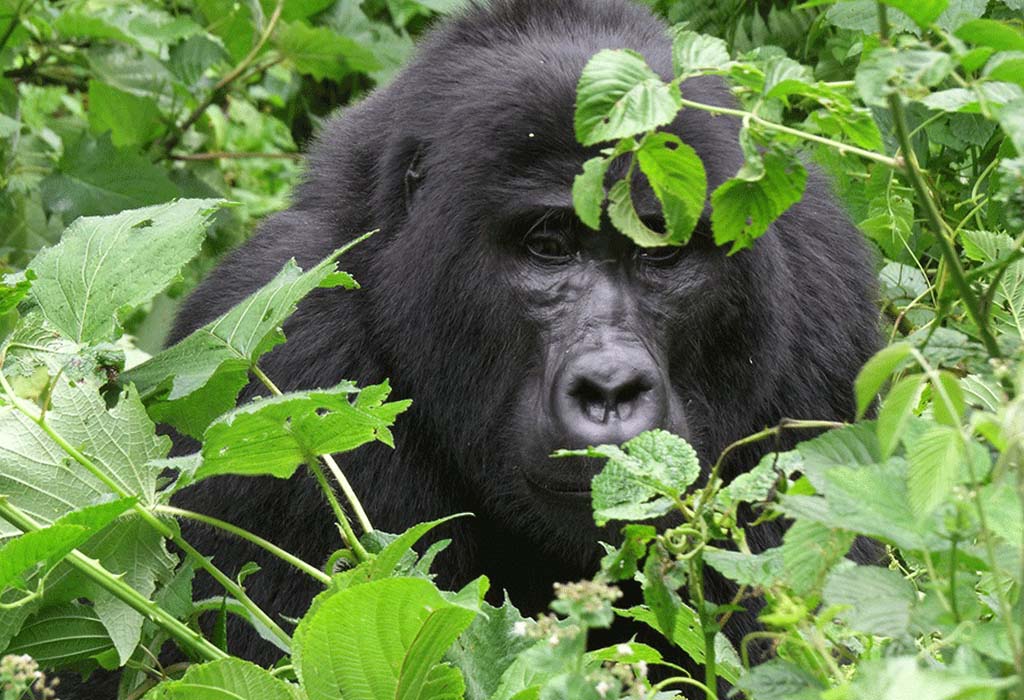

Why Gorilla Trekking Is Cheaper During the Low Season
Gorilla trekking in Uganda becomes noticeably more affordable during the low season, which falls in April, May, and November. I’ve seen firsthand how these quieter months open the door for travelers who want the same powerful wildlife encounter at a lower cost. While many people hesitate because of the rains, the reality on the ground often tells a different story, one that combines savings, fewer crowds, and surprisingly rewarding trekking conditions.
Understanding why prices drop during this period helps you plan wisely and decide whether low-season travel aligns with your expectations.
Understanding Low-Season Pricing
The low season in Uganda coincides with the country’s rainy periods. Naturally, fewer international travelers choose to visit during these months, mostly due to concerns about muddy trails and unpredictable weather. As demand declines, tourism authorities step in to balance visitor numbers throughout the year.
Rather than leaving permits unsold, they intentionally reduce prices to encourage travel. This strategy supports conservation funding while also sustaining local communities that depend heavily on tourism income. So, the lower cost isn’t a compromise in experience—it’s a calculated effort to keep tourism flowing year-round.
Significant Savings on Gorilla Permits
The highest cost of any gorilla trekking safari is the permit, and this is where low-season travel makes the most difference.
During peak months, a permit costs around $800 for foreign non-residents. However, in the low season, the price drops to $600. That $200 difference per person is substantial. If you’re traveling as a couple, you already save $400. For a small group, the total savings can quickly climb into the hundreds or even thousands.
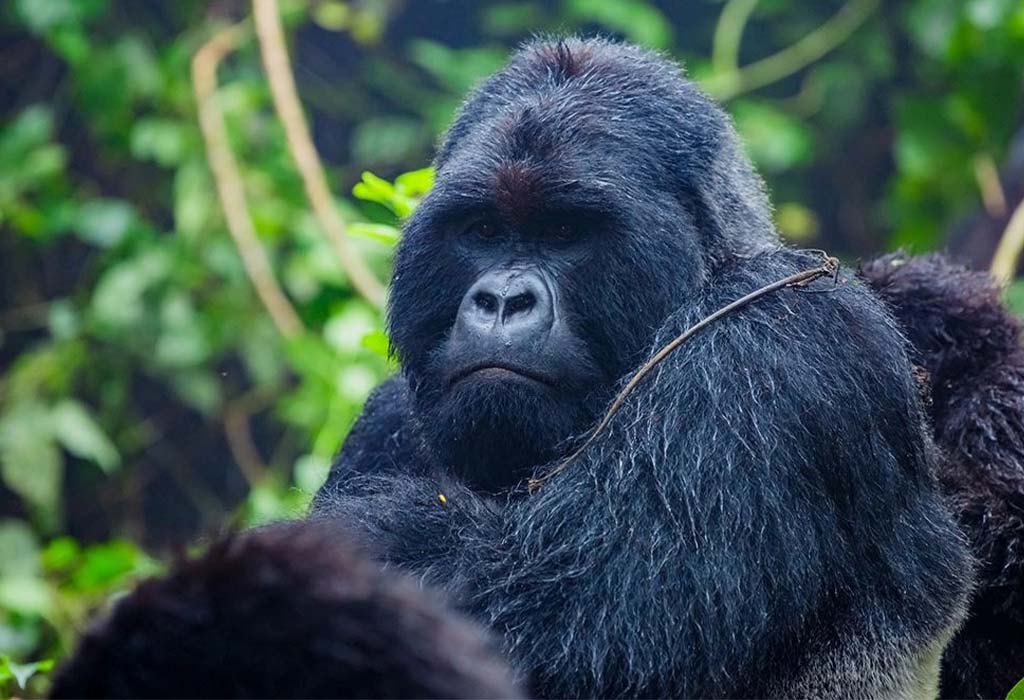 Foreign residents also benefit from similar reductions. Their permits typically drop from $700 to $500 during the low season, making gorilla trekking far more accessible for expatriates living within the region.
These savings alone often make the low season worth considering, especially for travelers working within a fixed budget.
Lower Accommodation Costs Across the Region
Beyond permits, accommodation prices also fall significantly during the low season. I’ve noticed that many lodges, from budget to luxury, adjust their rates to attract guests when occupancy is low.
Rooms that cost $150 to $200 during peak season often drop to around $100 to $130. Budget options become even more affordable, while high-end lodges reduce their rates enough to feel within reach for travelers who might otherwise skip them.
Interestingly, the experience doesn’t change. You still receive the same level of service, comfort, and hospitality. In fact, with fewer guests around, the atmosphere often feels more relaxed and personal.
More Flexible Safari Packages and Transport Costs
Another advantage of traveling during the low season is the flexibility in overall safari pricing. With fewer bookings, tour providers tend to offer more competitive package deals. These often combine permits, accommodation, meals, and transport at a lower total cost than booking each element separately.
Transportation also becomes more affordable. Drivers and vehicle operators are more open to negotiation, and in some cases, even domestic flights offer promotional fares. This means you can either reduce your overall spending or upgrade parts of your trip without exceeding your budget.
In addition, many lodges include extra perks during the low season. You might find complimentary guided walks, cultural visits, or even room upgrades included in your stay. These small additions quietly enhance the overall value of your experience.
What the Rainy Season Really Feels Like
It’s easy to imagine constant rain during these months, but that’s rarely the case. In reality, rainfall often comes in short bursts, usually in the afternoon or evening. Mornings are frequently clear, which is exactly when trekking begins.
From my experience, the rain transforms the forest into something extraordinary. The landscape becomes lush and vibrant, with deep green vegetation and fresh, clean air. For photographers, this season offers richer colors and softer, more dramatic lighting.
Yes, the trails can get muddy, but with proper hiking boots and basic preparation, the trek remains manageable. Park rangers also maintain the trails regularly, which helps reduce difficulty.
Gorilla Movement Works in Your Favor
One surprising benefit of trekking during the low season is how gorillas behave. When the rains come, food becomes more abundant at lower elevations. As a result, gorilla families tend to stay closer to these areas instead of moving high into the mountains.
 This often translates into shorter trekking times. Instead of hiking for hours uphill, you may find the gorillas sooner and with less physical strain. For many travelers, especially those concerned about fitness levels, this makes the experience more comfortable and enjoyable.
Importantly, the one-hour viewing time remains the same regardless of season. Once you find the gorillas, your experience is just as intimate and memorable.
Fewer Tourists, More Personal Encounters
Low-season travel naturally means fewer visitors. While a gorilla group can host up to eight trekkers per day, it’s common to find much smaller groups during quieter months.
This creates a more personal and less crowded experience. You’ll have better space for photography, clearer views, and a deeper sense of connection with the environment. The forest feels quieter, and the entire encounter becomes more immersive.
In many ways, this reduced human presence enhances the authenticity of the experience.
Important Considerations Before You Book
Despite the benefits, low-season travel requires careful planning. Gorilla permits purchased at discounted rates are typically non-refundable and cannot be rescheduled. That means you need to confirm your travel dates with confidence before booking.
Weather preparation is equally important. Waterproof clothing, sturdy hiking boots, and protection for your gear will make a significant difference in your comfort. Once you’re properly equipped, the challenges of the season become much easier to handle.
A Different Perspective on Timing
Choosing when to go gorilla trekking often comes down to priorities. If you value dry weather above all else, peak season might feel more comfortable. However, if you’re open to a bit of rain in exchange for lower costs, fewer crowds, and potentially easier treks, the low season offers a compelling alternative.
From what I’ve seen, many travelers who take the chance on low-season trekking end up appreciating it even more than expected. The combination of savings, scenery, and solitude creates a uniquely rewarding experience that peak months sometimes can’t match.
In the end, gorilla trekking remains one of Africa’s most powerful wildlife encounters, no matter when you go. The low season simply makes that experience more accessible without taking away what truly matters.