
Things to Do & See in Queen Elizabeth National Park
Queen Elizabeth National Park stands as Uganda’s most visited safari destination, celebrated for its rich biodiversity and breathtaking landscapes. Located in western Uganda across the districts of Kasese, Rubirizi, Rukungiri, and Kamwenge, the park covers approximately 1,978 square kilometers. It ranks as the second-largest national park in Uganda after Murchison Falls National Park. Established in 1952 and later renamed in honor of Queen Elizabeth II following her visit, the park remains a true symbol of Uganda’s reputation as the “Pearl of Africa.”
Travelers can reach the park by road within five to six hours from Entebbe or Kampala. Alternatively, those seeking convenience can book a domestic flight from Entebbe International Airport or Kajjansi Airstrip to Kasese, Mweya, or Ishasha airstrips. Experiya Tour Company arranges seamless transfers, ensuring a driver-guide welcomes visitors upon arrival and escorts them to their lodge or camp.
Diverse Wildlife and Scenic Beauty
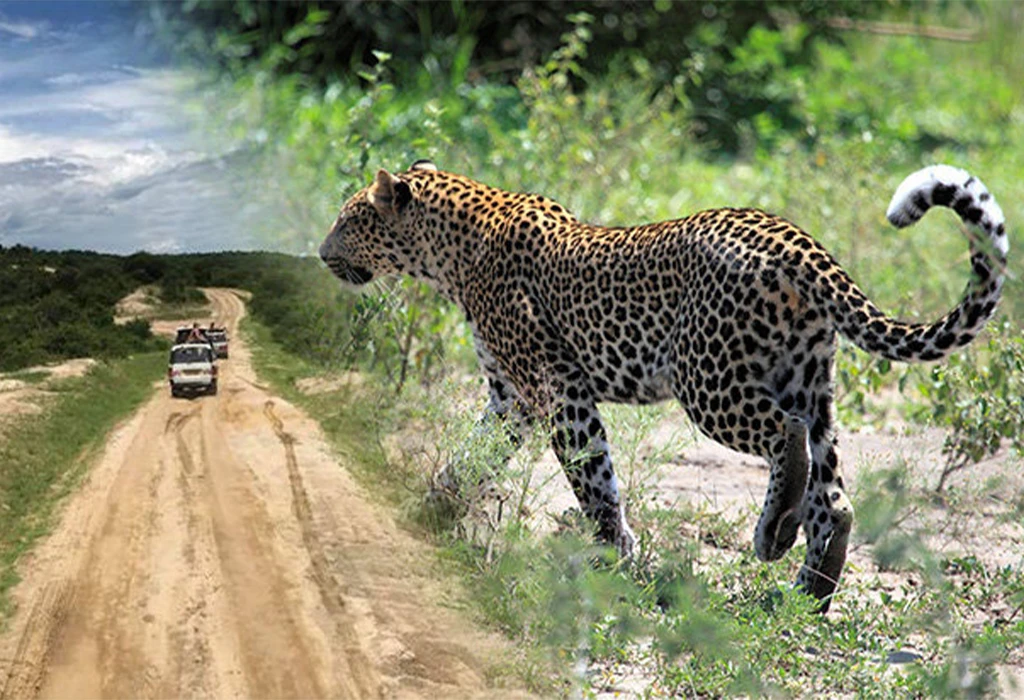
Queen Elizabeth National Park hosts an impressive variety of wildlife, with over 95 mammal species and more than 600 bird species. Visitors encounter iconic animals such as elephants, buffaloes, hippos, crocodiles, and leopards. In addition, the park shelters rarer species like tree-climbing lions, sitatungas, serval cats, and giant forest hogs. Primates such as black-and-white colobus monkeys and red-tailed monkeys add to the park’s vibrant ecosystem.
Beyond wildlife, the park’s scenery captivates every traveler. Vast savannah plains stretch toward the horizon, while crater lakes, wetlands, woodlands, and the dramatic Kyambura Gorge create a constantly changing landscape. The Rwenzori Mountains provide a stunning backdrop, enhancing every safari experience with unforgettable views.
Game Drives: The Heart of the Safari Experience
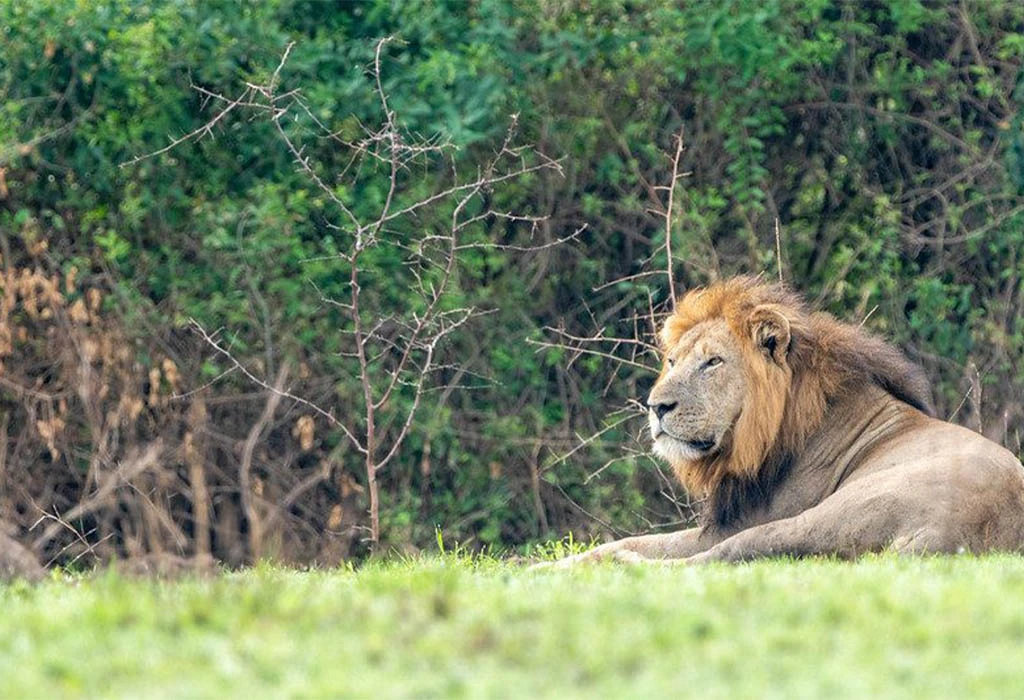
Game drives form the centerpiece of any visit to Queen Elizabeth National Park. Guided by experienced rangers, visitors explore the park’s diverse habitats in search of wildlife. The Kasenyi Plains, located in the northern sector, offer some of the best wildlife viewing opportunities. Here, large herds of Uganda kob, buffaloes, and elephants attract predators such as lions and hyenas, creating thrilling moments of predator-prey interaction.
Meanwhile, the Ishasha sector in the south draws visitors eager to see the famous tree-climbing lions. These unique predators often rest on fig tree branches, especially during the heat of the day. The Katwe Crater region also offers a scenic game drive experience, with salt lakes and ancient volcanic formations adding to the adventure.
Visitors can choose between morning, afternoon, or night game drives. Morning drives reveal predators returning from nocturnal hunts, while evening drives showcase animals becoming active again. Night drives, on the other hand, provide a rare chance to spot elusive nocturnal species such as leopards and hyenas under the cover of darkness.
Boat Cruise Along the Kazinga Channel
A boat cruise along the Kazinga Channel offers one of the most rewarding wildlife experiences in the park. This natural waterway connects Lake George and Lake Edward and attracts large concentrations of animals throughout the day. As the boat glides along the channel, visitors observe hippos wallowing in the water, crocodiles basking on the banks, and elephants and buffaloes gathering to drink.
The cruise also delights bird enthusiasts, as countless water birds line the shores. Kingfishers, pelicans, and African fish eagles frequently appear, creating excellent opportunities for photography. Experiya Tour Company often includes this activity in safari itineraries, as it provides a relaxing yet immersive way to experience the park’s wildlife.
Bird Watching Paradise
Queen Elizabeth National Park ranks among Africa’s top birding destinations. With over 600 recorded bird species, the park attracts birdwatchers from around the world. Its varied habitats, including wetlands, savannah, forests, and crater lakes, support both resident and migratory birds.
From November to April, migratory species arrive from Europe, adding even more diversity. Bird lovers can spot species such as the African fish eagle, malachite kingfisher, papyrus gonolek, and pink-backed pelican. In addition, rarer sightings like the shoebill stork occasionally reward patient observers. Whether exploring the Kazinga Channel, Kyambura Gorge, or the crater lakes, birdwatching remains a highlight of any visit.
Chimpanzee Trekking in Kyambura Gorge
Kyambura Gorge offers a unique primate tracking experience within Queen Elizabeth National Park. This dramatic valley, often referred to as the “Valley of Apes,” stretches about 16 kilometers long and reaches depths of 100 meters. Its lush forest environment contrasts sharply with the surrounding savannah.
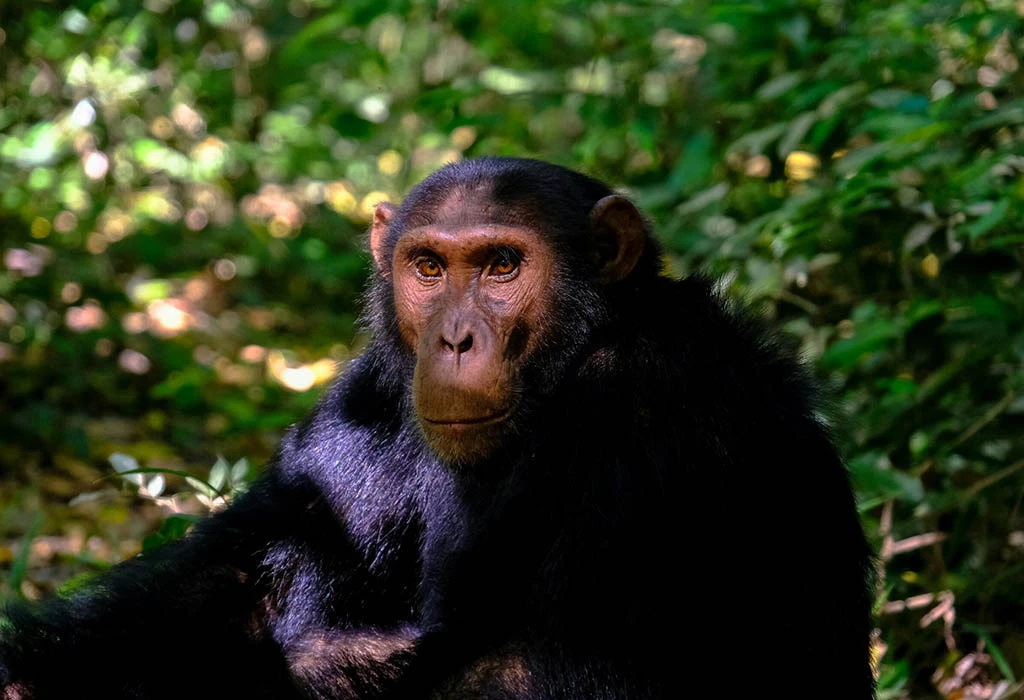 During chimpanzee trekking, trained guides lead visitors through the gorge in search of habituated chimpanzee groups. Along the way, trekkers may encounter other primates, including baboons, vervet monkeys, and colobus monkeys. Once they locate the chimpanzees, visitors spend an hour observing their behavior, taking photographs, and learning about their social structures. This experience creates a deeper connection with Uganda’s primate life.
Cultural Encounters and Nature Walks
In addition to wildlife viewing, visitors can explore the cultural heritage surrounding the park. A visit to Lake Katwe introduces travelers to traditional salt mining practices that local communities have used for generations. Guides explain the history and significance of the salt industry, offering insight into the livelihoods of nearby residents.
Nature walks in areas such as Maramagambo Forest provide another way to experience the park. Guided walks allow visitors to explore the ecosystem on foot, observe smaller wildlife, and appreciate the park’s flora. These walks create a more intimate and peaceful connection with nature.
Best Time to Visit Queen Elizabeth National Park
Although Queen Elizabeth National Park remains accessible year-round, the dry seasons provide the best conditions for wildlife viewing. From June to mid-September and December to February, vegetation becomes thinner, making it easier to spot animals. During these months, animals also gather around water sources, increasing viewing opportunities.
However, the wet seasons bring their own advantages. The landscape becomes lush and green, and birdwatching improves as migratory species arrive. Therefore, travelers can enjoy rewarding experiences regardless of the season.
Accommodation Options for Every Traveler
Queen Elizabeth National Park offers a wide range of accommodation options to suit every budget. Luxury lodges such as Mweya Safari Lodge and Kyambura Gorge Lodge provide high-end comfort with stunning views. Mid-range options like Twin Lakes Safari Lodge and Elephant Plains Lodge balance comfort and affordability. Budget travelers can choose from camps and lodges such as Pumba Safari Cottages and Bush Lodge.
Experiya Tour Company helps visitors select accommodations that match their preferences, ensuring a comfortable and memorable stay throughout their safari.
A Complete Safari Experience
Queen Elizabeth National Park delivers a complete safari experience, combining wildlife, scenery, and culture in one destination. From thrilling game drives and relaxing boat cruises to chimpanzee trekking and cultural encounters, every moment in the park feels rewarding. With its remarkable diversity and accessibility, it remains one of the most compelling safari destinations in East Africa.
Whether visiting for the first time or returning for another adventure, travelers consistently find something new to discover in this extraordinary park.