
When Is the Best Time to Visit Uganda to See Lions?
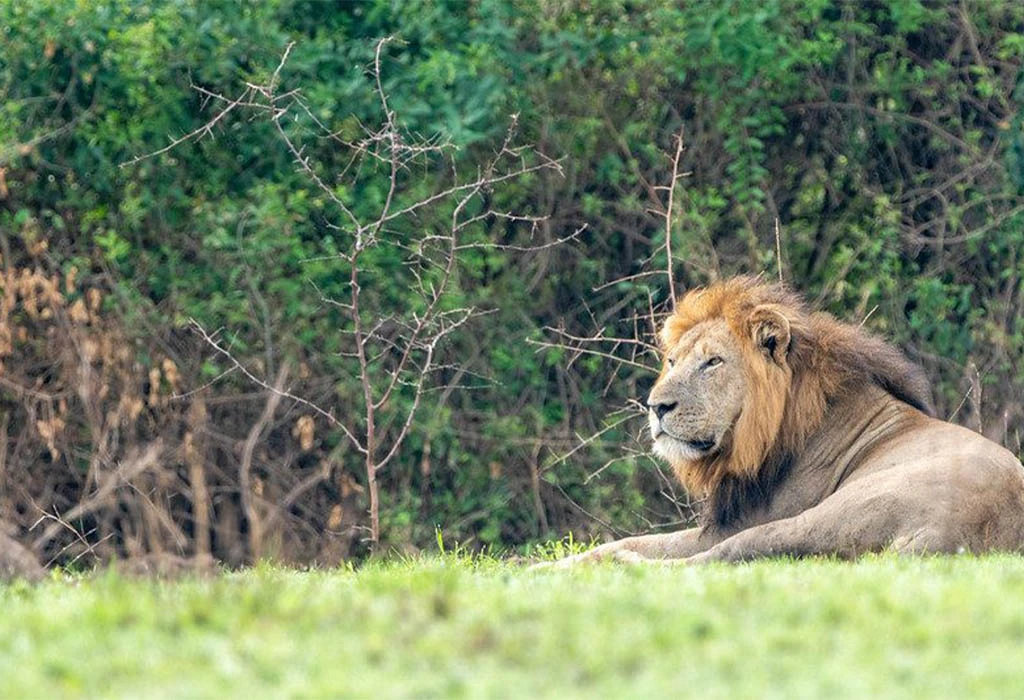
When is the best time to visit Uganda to see lions? This is one of the most important questions to consider when planning an unforgettable wildlife safari in the Pearl of Africa. Uganda offers remarkable opportunities to observe African lions in their natural habitat, from watching a pride resting beneath an acacia tree to spotting a lioness moving quietly through the savannah in search of prey.
Unlike destinations where wildlife viewing depends heavily on a particular season, Uganda offers opportunities to see lions throughout the year. However, rainfall, vegetation, road conditions, animal movements, and the national park you choose can influence how easily you find these magnificent predators.
Generally, the dry seasons from June to September and December to February provide some of the best conditions for a Uganda lion safari. Shorter grass and relatively dry roads often make it easier to locate wildlife. Nevertheless, the green seasons also offer beautiful scenery, excellent photography opportunities, and quieter game drives.
In this guide, discover the best months to see lions in Uganda, the leading national parks for lion viewing, and practical tips to help you plan a rewarding African safari.
Why Visit Uganda to See Lions?
Uganda is widely celebrated for mountain gorilla trekking, but its savannah national parks also support fascinating populations of African lions. These powerful predators inhabit grasslands, open woodlands, and other suitable habitats where they can hunt and raise their cubs.
One of the greatest advantages of a Uganda lion safari is the opportunity to combine lion viewing with encounters with elephants, buffaloes, giraffes, Uganda kobs, waterbucks, hippos, and numerous bird species. Consequently, a single safari can provide an excellent introduction to East Africa’s diverse wildlife.
Uganda also offers different landscapes and wildlife experiences across its protected areas. In Queen Elizabeth National Park, visitors can search for the famous tree-climbing lions of Ishasha. Meanwhile, Murchison Falls National Park offers expansive savannah plains where lions hunt and rest among scattered trees.
Whether you are planning your first African safari or returning for another wildlife adventure, choosing the right season and destination can make your experience even more rewarding.
 Understanding Uganda’s Climate and Safari Seasons
Uganda lies along the Equator, so temperatures generally remain warm throughout the year. However, rainfall varies across the country, and seasonal changes affect vegetation, wildlife visibility, and travel conditions.
Understanding these patterns helps you determine the best time to visit Uganda to see lions.
Dry Season: June to September and December to February
The dry seasons generally offer some of the most favorable conditions for lion viewing. During these months, rainfall often decreases, grass becomes shorter in many savannah areas, and several park tracks become easier to navigate.
As vegetation thins, lions may become easier to spot while resting in open areas or moving across the plains. Furthermore, herbivores often gather around reliable water sources, creating opportunities to observe predator-prey interactions.
The main advantages of visiting during the dry season include:
- Better visibility across many open grasslands.
- Generally more favorable conditions for game drives.
- Easier access to wildlife-viewing areas when roads remain dry.
- Excellent opportunities for wildlife photography.
- Comfortable conditions for combining several safari activities.
However, weather patterns vary by region, and rainfall can still occur during the dry months. Therefore, travelers should remain flexible when planning their itineraries.
Wet Season: March to May and October to November
Uganda’s wetter periods transform the countryside into lush green landscapes. Fresh grass covers the plains, trees develop new foliage, and seasonal changes create beautiful settings for nature photography.
Although tall vegetation can make lions more difficult to locate, these months still provide worthwhile wildlife-viewing opportunities. Experienced guides understand the terrain and can help visitors search likely resting places, open clearings, and established wildlife-viewing routes.
The green season also offers several advantages:
- Lush scenery for landscape and wildlife photography.
- Opportunities to observe a wide variety of resident wildlife.
- Potentially quieter experiences at some safari lodges and viewing areas.
- Excellent birdwatching, particularly when migratory species are present.
- A different perspective on Uganda’s changing ecosystems.
Nevertheless, heavy rainfall can make some tracks muddy or difficult to navigate. If you travel during this period, choose an experienced safari guide and allow enough time for road transfers and game drives.
What Is the Best Month to See Lions in Uganda?
The best month depends on your preferred travel conditions, photography goals, and choice of national park. However, several periods stand out for travelers seeking excellent lion-viewing opportunities.
January and February
January and February are generally favorable months for a lion safari, particularly in savannah destinations such as Queen Elizabeth National Park and Murchison Falls National Park.
Relatively dry conditions often improve road accessibility, while shorter vegetation in many areas can make wildlife easier to locate. Morning game drives are especially worthwhile because lions frequently rest in open areas after nighttime activity.
These months are suitable for travelers who want to combine lion viewing with other wildlife encounters and scenic experiences.
June to September
June through September is one of Uganda’s most popular safari periods. In many savannah areas, reduced rainfall and shorter grass can improve visibility, making it easier to scan the plains for lions and other predators.
This season is particularly attractive to first-time visitors who want to combine wildlife viewing with comfortable travel conditions. However, because demand can increase during popular holiday periods, booking accommodation and safari arrangements early is advisable.
October and November
October and November mark a transition toward the wetter season in many parts of Uganda. Rainfall varies, but the landscapes gradually become greener, creating attractive conditions for photography.
Although dense vegetation may sometimes reduce visibility, lions remain present throughout the year. Visitors who prefer quieter travel periods and vibrant scenery may find these months appealing.
Ultimately, no month guarantees a lion sighting. Spending sufficient time in the right habitat and choosing a knowledgeable guide are just as important as selecting the season.
Best National Parks to See Lions in Uganda
Uganda has several protected areas, but Queen Elizabeth National Park and Murchison Falls National Park are particularly well known for savannah wildlife safaris and lion viewing.
Queen Elizabeth National Park
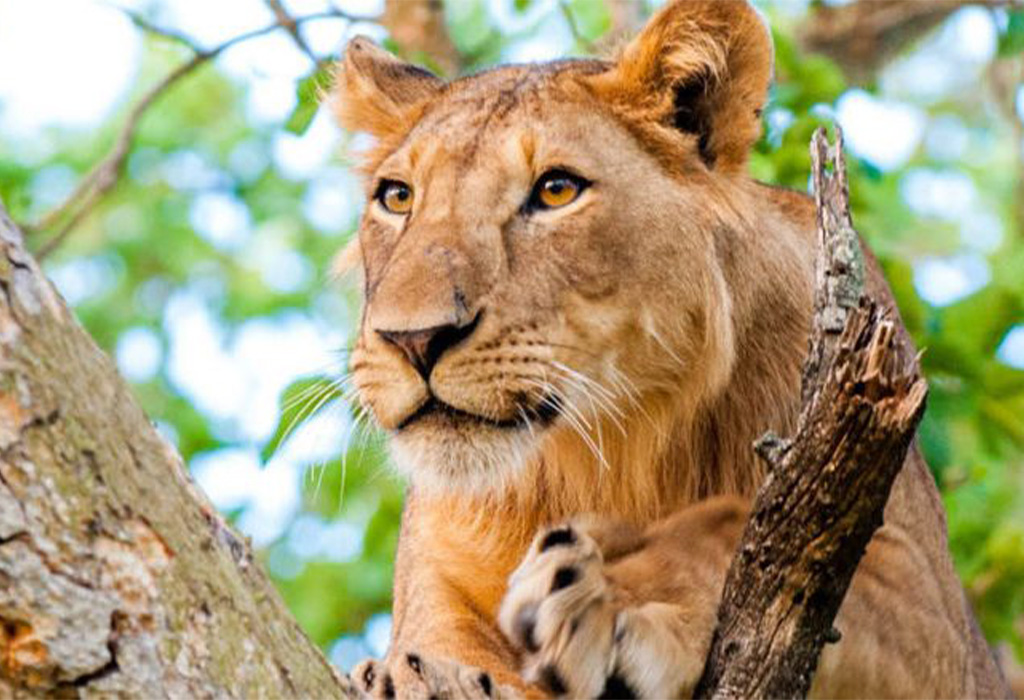
Queen Elizabeth National Park is one of the leading destinations for a Uganda lion safari. Its varied habitats support numerous wildlife species, and its Ishasha Sector is particularly famous for tree-climbing lions.
These lions sometimes climb large fig trees and other suitable trees, where they rest on branches above the ground. Although sightings depend on conditions and individual animal behavior, finding a lion resting in a tree can be one of Uganda’s most memorable safari experiences.
During your visit, you may also encounter:
- African elephants and Cape buffaloes.
- Uganda kobs and waterbucks.
- Hippos and Nile crocodiles around waterways.
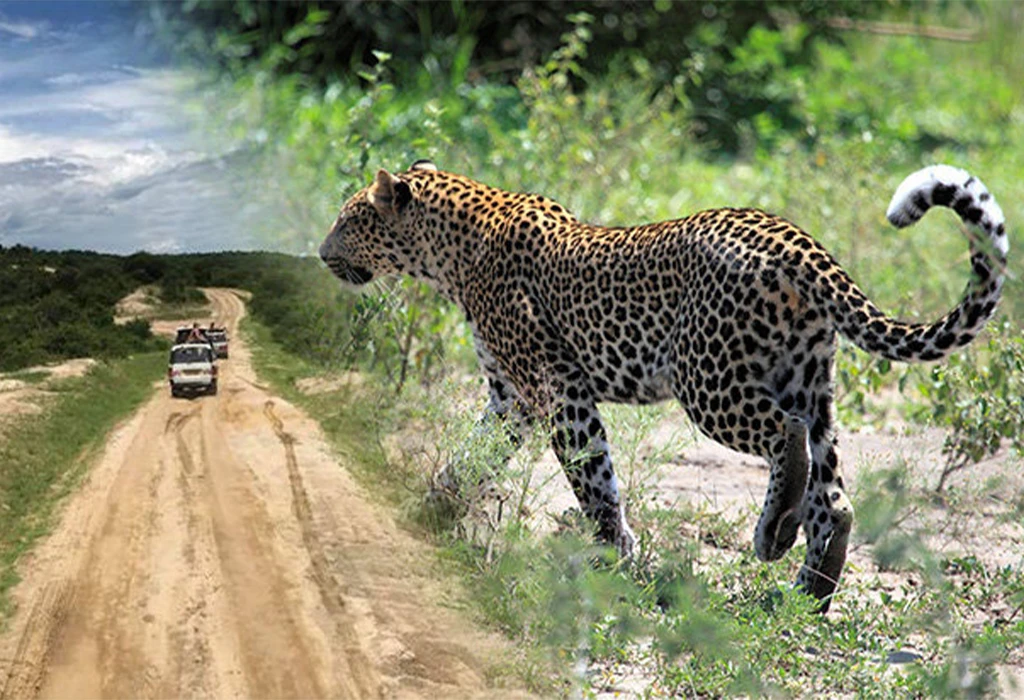
- Leopards and spotted hyenas, although sightings are less predictable.
- A remarkable variety of bird species.
You can also combine morning or afternoon game drives with a boat cruise along the Kazinga Channel. This adds another dimension to your safari, offering opportunities to observe hippos, waterbirds, and other animals along the water’s edge.
For travelers specifically interested in tree-climbing lions, plan enough time to explore Ishasha rather than relying on a brief visit.
Murchison Falls National Park
Murchison Falls National Park is another excellent destination for travelers hoping to see lions in Uganda. Its expansive northern savannah plains support a range of grazing animals that provide prey for resident predators.
During early morning game drives, your guide may help you search beneath acacia trees, along open tracks, and around areas where herbivores frequently gather.
The park is also home to other impressive wildlife, including Rothschild’s giraffes, elephants, buffaloes, Uganda kobs, hartebeests, oribis, and waterbucks.
Beyond game drives, visitors can enjoy a boat trip along the Victoria Nile toward the base of Murchison Falls. Here, the river surges through a narrow rocky gorge, creating one of Uganda’s most dramatic natural spectacles.
Combining lion viewing with the waterfall experience makes this park particularly attractive for travelers seeking a varied wildlife itinerary.
How Lion Behavior Influences Wildlife Viewing
Lions are most active during cooler periods, particularly at night, around dawn, and toward dusk. During the hotter hours, they often conserve energy by resting in shade or lying in tall grass.
For this reason, early morning and late afternoon game drives generally provide good opportunities to observe lion activity. Nevertheless, lions may remain active at other times, especially when conditions or hunting opportunities favor movement.
Depending on your luck and the behavior of the pride, you might observe lions:
- Resting together beneath trees.
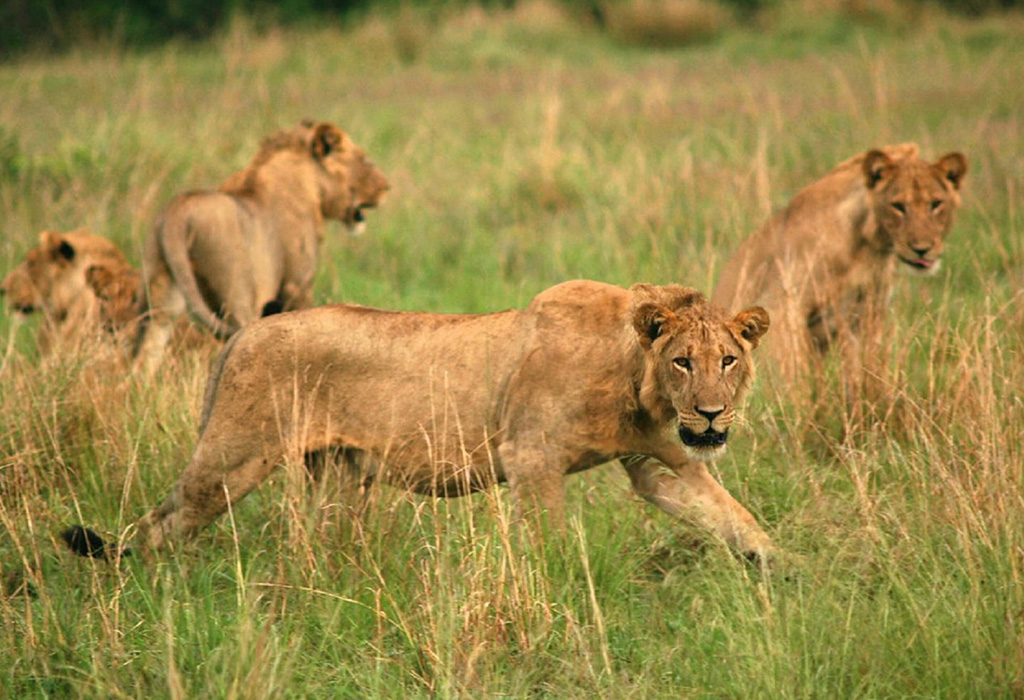
- Walking across open grasslands.
- Grooming or interacting with other pride members.
- Watching nearby herds of antelope.
- Caring for cubs or displaying territorial behavior.
Lion breeding and mating can occur throughout the year, so there is no single guaranteed breeding season for safari visitors. Similarly, hunting is unpredictable, and witnessing a successful hunt requires patience and favorable circumstances.
A responsible guide will help you interpret what you see without disturbing the animals.
Practical Tips for Planning a Uganda Lion Safari
Choosing the right season is important, but several other factors can improve your chances of enjoying a successful wildlife experience.
Travel With an Experienced Safari Guide
An experienced guide understands animal behavior, park terrain, and productive wildlife-viewing areas. Guides may also receive recent sighting information from park staff and other guides, helping them make informed decisions about where to search.
However, sightings can never be guaranteed. Your guide should prioritize safe driving, park regulations, and respectful wildlife observation rather than approaching animals too closely.
Choose Accommodation Near Your Preferred Park
Staying inside or near a national park can make early morning game drives easier. You spend less time traveling to the entrance and more time exploring wildlife habitats when animals may be active.
When choosing a lodge, consider its location, comfort, road access, meal arrangements, and proximity to the particular sector you want to explore.
Allow Enough Time for Game Drives
Avoid rushing through a national park in search of a quick lion sighting. Spending two or more days in a destination, where your budget and schedule permit, gives you additional opportunities to explore different habitats and search for wildlife.
If tree-climbing lions are your priority, allocate sufficient time to the Ishasha Sector of Queen Elizabeth National Park.
Carry Suitable Safari Equipment
Bring binoculars, a camera with a suitable zoom lens, neutral-colored clothing, sunscreen, a hat, and drinking water. A light jacket can also be useful during cool early morning drives.
Above all, remain patient and follow your guide’s instructions. Quiet observation often produces a more rewarding experience than rushing from one sighting to another.
Responsible Tourism and Lion Conservation in Uganda
Uganda’s lions face conservation challenges, including habitat pressures and conflict between people and wildlife. Conservation organizations, park authorities, tourism operators, and local communities all play important roles in protecting these predators.
Responsible tourism can support conservation through park fees, local employment, community initiatives, and demand for wildlife protection. Visitors can contribute by following park rules, respecting viewing distances, avoiding littering, and choosing operators that prioritize ethical wildlife encounters.
Responsible safari practices help respect wildlife and support the long-term protection of Uganda’s natural heritage.
When visiting a lion habitat, remember that these are wild animals behaving naturally. A successful safari does not require disturbing a pride or witnessing a hunt. Simply observing lions in their environment can be an extraordinary experience.
Conclusion: When Is the Best Time to Visit Uganda to See Lions?
The best time to visit Uganda to see lions is generally during the dry seasons from June to September and December to February. During these periods, shorter vegetation in many savannah areas and favorable road conditions can improve wildlife visibility and make game drives more comfortable.
Nevertheless, Uganda offers rewarding lion-viewing opportunities throughout the year. The wetter months provide lush landscapes, excellent photography settings, and potentially quieter safari experiences.
For the famous tree-climbing lions, prioritize Queen Elizabeth National Park’s Ishasha Sector. If you prefer expansive savannahs and the opportunity to combine wildlife viewing with a spectacular waterfall excursion, consider Murchison Falls National Park.
With thoughtful planning, suitable accommodation, patient wildlife viewing, and an experienced guide, you can make the most of your Uganda lion safari.
Discover the beauty of the Pearl of Africa, where magnificent lions, breathtaking landscapes, and unforgettable wildlife encounters await. Plan your visit around your preferred travel dates and create an itinerary tailored to your interests.