
Why Gorilla Trekking in Uganda Is a Once-in-a-Lifetime Experience
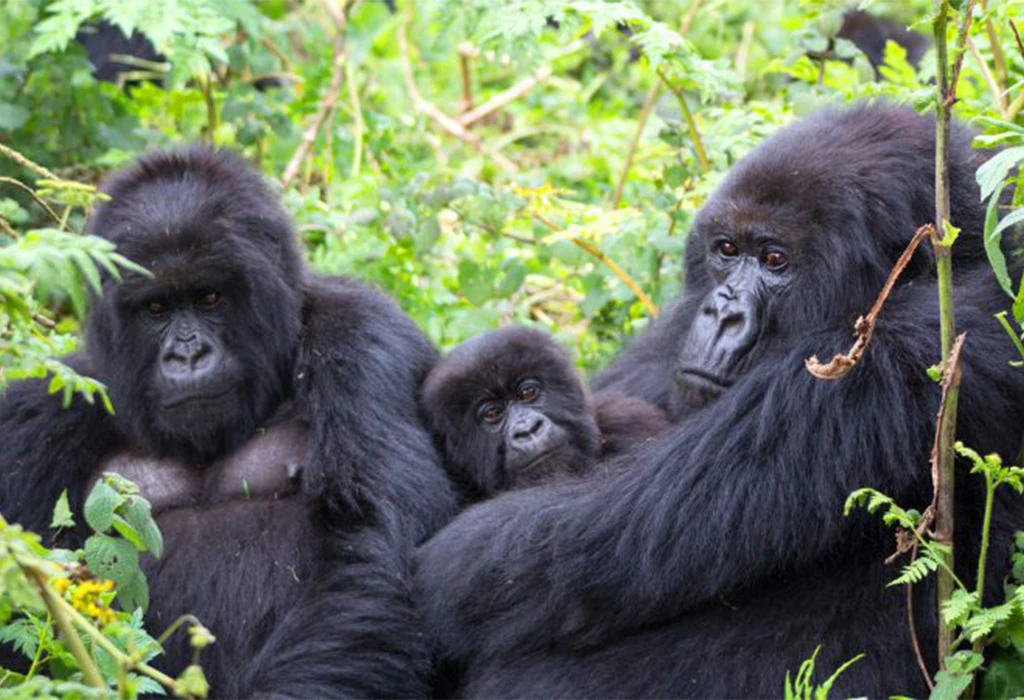
Gorilla trekking in Uganda is one of Africa’s most unforgettable wildlife adventures. Standing only a few meters away from a family of endangered mountain gorillas in their natural habitat is an experience that leaves a lasting impression on every traveler. Unlike visiting animals in a zoo, gorilla trekking takes you deep into ancient rainforests where these remarkable primates live freely. Every step through the dense vegetation builds anticipation until you finally come face to face with a silverback, a playful juvenile, or a mother caring for her infant.
Uganda is home to more than half of the world’s remaining mountain gorillas, making it one of the best destinations for this extraordinary adventure. Beyond the excitement of the trek, the experience also supports conservation efforts and improves the livelihoods of communities living around the national parks. For many visitors, gorilla trekking is not simply another safari activity but a life-changing journey that creates a deeper appreciation for nature and wildlife conservation.
Uganda – The Best Place for Gorilla Trekking
Uganda has earned a global reputation as one of the finest destinations for mountain gorilla trekking. The country protects these endangered primates within two national parks: Bwindi Impenetrable National Park and Mgahinga Gorilla National Park.
Bwindi Impenetrable National Park is a UNESCO World Heritage Site covering approximately 331 square kilometers of ancient rainforest. Believed to be more than 25,000 years old, this remarkable forest is among Africa’s richest ecosystems. It shelters over 200 tree species, more than 350 bird species, around 120 mammal species, countless butterflies, and hundreds of other forms of wildlife. Most importantly, it is home to approximately 459 mountain gorillas living in several habituated families available for tourism.
Mgahinga Gorilla National Park, although much smaller, protects another important population of mountain gorillas. Located within the scenic Virunga Mountains, the park also offers breathtaking volcanic landscapes, bamboo forests, and opportunities to see golden monkeys.
Together, these protected areas make Uganda one of the world’s leading destinations for anyone seeking an authentic mountain gorilla encounter.
An Emotional Wildlife Encounter
Few wildlife experiences compare to meeting mountain gorillas in the wild. As you quietly observe them, it becomes clear how closely related they are to humans. Mountain gorillas share approximately 98 percent of their DNA with people, and their family interactions often resemble our own.
Watching a silverback protect his family, seeing mothers gently care for their babies, or observing young gorillas playing with one another creates unforgettable memories. Their facial expressions, body language, and social behavior reveal remarkable intelligence and emotional depth.
Many travelers describe the encounter as deeply moving. The hour spent with the gorillas often feels incredibly short, yet the memories remain vivid for a lifetime. It is an experience that changes the way people think about wildlife, conservation, and humanity’s connection with nature.
The Adventure Begins with the Trek
The journey to find mountain gorillas is part of the overall experience. Every trek is different because gorillas move freely through the forest in search of food. Some groups may be located within an hour, while others require several hours of hiking through steep hills, muddy trails, thick vegetation, and dense rainforest.
Professional park rangers and experienced trackers lead every trek, using their knowledge and tracking skills to locate the gorilla families safely. Along the way, visitors enjoy spectacular forest scenery while encountering birds, monkeys, colorful butterflies, and unique plant life.
Although some treks can be physically demanding, the reward at the end makes every step worthwhile. The excitement of hearing gorilla calls before seeing them creates an unforgettable sense of anticipation.
A Remarkable Conservation Success Story
Mountain gorillas were once on the brink of extinction. In the early 1980s, only about 254 individuals remained worldwide. Today, thanks to dedicated conservation efforts, the global population has grown to more than 1,000 individuals.
This remarkable recovery has been made possible largely through responsible tourism. Every gorilla trekking permit directly contributes to protecting these endangered primates and their habitats. Revenue supports anti-poaching patrols, veterinary care, scientific research, habitat protection, ranger training, and community development projects.
Tourism has also encouraged local communities to become active partners in conservation. Rather than depending on forest resources, many residents now benefit from employment opportunities in tourism, making wildlife protection economically valuable.
As a result, every visitor who purchases a gorilla permit plays an important role in ensuring the survival of mountain gorillas for future generations.
Why Uganda Offers Outstanding Value
Uganda provides one of the best-value gorilla trekking experiences in Africa. Gorilla trekking permits currently cost significantly less than those in neighboring Rwanda while offering the same unforgettable opportunity to observe mountain gorillas in their natural habitat.
In addition, Uganda offers incredible diversity beyond gorilla trekking. Visitors can combine their adventure with chimpanzee tracking in Kibale National Park, wildlife safaris in Queen Elizabeth National Park, game drives in Murchison Falls National Park, boat cruises on the Nile, birdwatching excursions, and cultural experiences with local communities.
This variety allows travelers to enjoy a complete East African safari while experiencing one of the world’s rarest wildlife encounters.
Gorilla Habituation Experience
For visitors seeking a more immersive encounter, Bwindi Impenetrable National Park offers the Gorilla Habituation Experience. Unlike standard gorilla trekking, which allows one hour with a habituated family, this special activity permits visitors to spend up to four hours observing a semi-habituated gorilla family alongside researchers and park rangers.
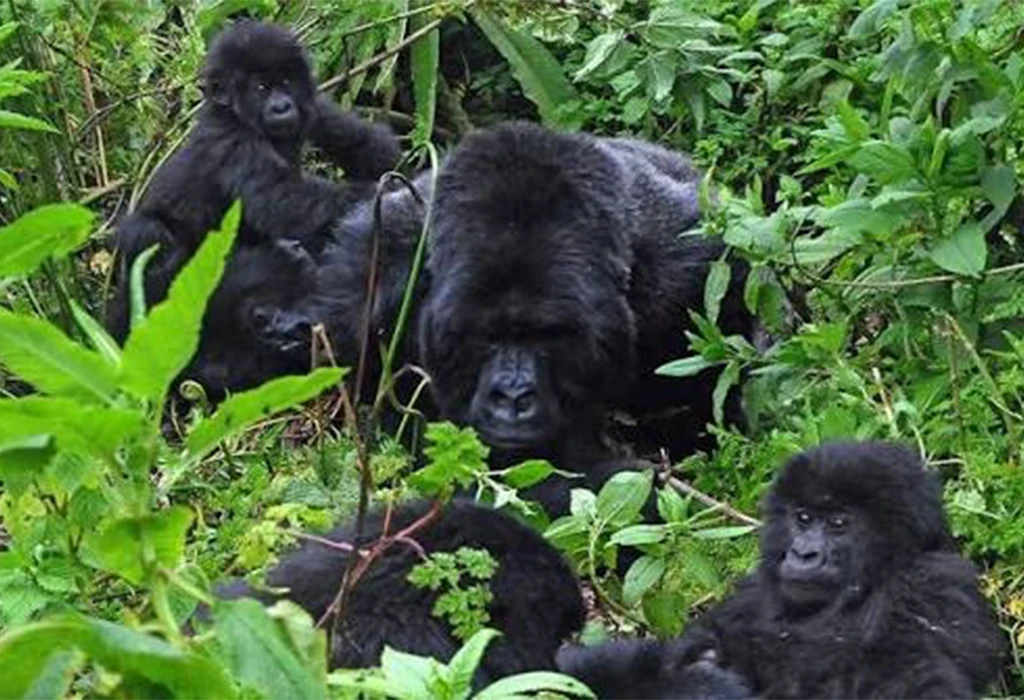 Participants gain deeper insights into gorilla behavior, feeding habits, communication, and daily routines. Because only a few permits are issued each day, the experience remains exclusive while minimizing disturbance to the animals.
Preparing for Your Gorilla Trek
Proper preparation helps ensure an enjoyable trekking experience. Gorilla permits should be reserved several months in advance, especially during the popular dry seasons when demand is highest.
Visitors should also prepare physically by engaging in regular walking or hiking before traveling. Although no special athletic ability is required, a reasonable level of fitness makes the trek much more comfortable.
Appropriate clothing is equally important. Waterproof hiking boots, lightweight rain jackets, long trousers, long-sleeved shirts, gardening gloves, insect repellent, sunscreen, and reusable water bottles are highly recommended. Since mountain weather changes quickly, dressing in layers allows visitors to remain comfortable throughout the trek.
Gorilla Trekking Rules and Safety
Strict guidelines help protect both visitors and mountain gorillas. Since gorillas are highly susceptible to human illnesses, anyone showing symptoms of sickness is not permitted to participate in trekking activities.
Visitors are required to maintain a safe distance from the gorillas, keep noise to a minimum, avoid sudden movements, and follow the instructions of park rangers at all times. Eating, drinking, and smoking near the gorillas are prohibited to reduce health risks.
These regulations have played a major role in the long-term success of mountain gorilla conservation while ensuring safe and respectful wildlife encounters.
Discover Local Culture
A gorilla trekking adventure also provides opportunities to experience the rich cultures surrounding Uganda’s national parks.
The Batwa people, the original forest inhabitants of Bwindi, share their traditional knowledge through cultural tours that demonstrate hunting techniques, medicinal plants, storytelling, music, dance, and fire-making skills. These experiences preserve valuable cultural heritage while generating sustainable income for local communities.
Visitors can also meet the Bakiga people, known for their farming traditions, warm hospitality, local cuisine, basket weaving, and vibrant cultural performances. These interactions add another meaningful dimension to every safari.
Why Gorilla Trekking Leaves a Lasting Impression
Gorilla trekking is far more than a wildlife activity. It combines adventure, conservation, breathtaking scenery, and meaningful cultural experiences into one unforgettable journey. Every trek offers something unique because no two gorilla encounters are ever the same.
The combination of hiking through ancient rainforest, observing one of humanity’s closest relatives, supporting wildlife conservation, and connecting with local communities creates an experience unlike any other. Long after leaving Uganda, many travelers continue to remember the quiet moment they first locked eyes with a mountain gorilla.
For anyone seeking an authentic African adventure, gorilla trekking in Uganda remains one of the most rewarding and inspiring experiences in the world. It is not simply a safari activity—it is a once-in-a-lifetime journey that leaves visitors with unforgettable memories and a renewed appreciation for nature and the importance of protecting endangered wildlife.