
Why Hiking Boots Make All the Difference on Your Gorilla Trek
A gorilla trek is one of the most extraordinary wildlife experiences in the world. Walking through ancient rainforests in search of endangered mountain gorillas is both exciting and physically demanding. Every step takes you deeper into dense vegetation, across muddy slopes, over tangled roots, and along uneven forest trails. While many travelers focus on permits, cameras, and rain jackets, one essential item often determines whether the trek is comfortable or exhausting: a good pair of hiking boots.
Choosing the right hiking boots is more than a matter of comfort. Proper footwear protects your feet, improves balance, reduces fatigue, and allows you to move confidently through challenging terrain. Whether you are trekking in Uganda’s Bwindi Impenetrable National Park or Mgahinga Gorilla National Park, or exploring Rwanda’s Volcanoes National Park, investing in quality hiking boots can make your gorilla trekking experience safer and far more enjoyable.
Gorilla Trekking Takes You Through Challenging Terrain
Gorilla trekking is unlike an ordinary nature walk. The trails pass through thick tropical rainforest where the ground constantly changes beneath your feet. One moment you may be walking on relatively firm soil, and the next you are climbing a steep hillside covered in slippery mud or stepping over exposed tree roots.
The duration of the trek also varies greatly. Some gorilla families are located within a couple of hours of the trailhead, while others require a full day of hiking before they are found. Treks can last anywhere between two and eight hours, depending on the gorillas’ movements, weather conditions, and the terrain.
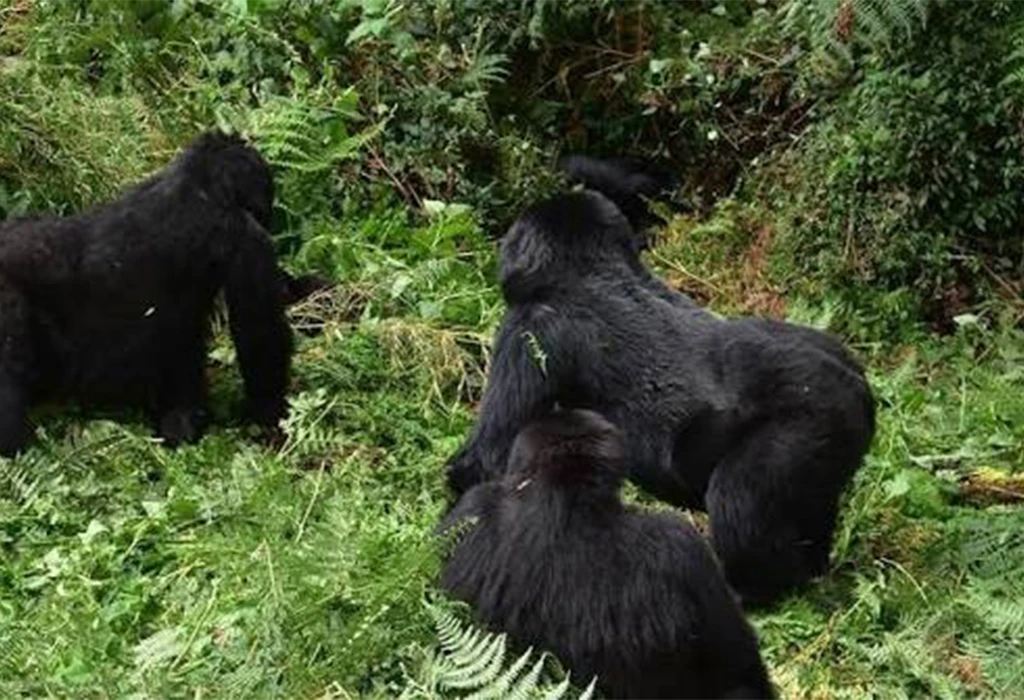 Because the forest determines the pace of the journey, your footwear needs to be prepared for every possible challenge. Wearing proper hiking boots allows you to concentrate on enjoying the incredible experience rather than worrying about every step.
Ankle Support Reduces the Risk of Injury
One of the biggest advantages of hiking boots is the support they provide for your ankles. Rainforest trails are rarely flat or predictable. Hidden holes, loose rocks, fallen branches, and uneven ground can quickly cause slips or twisted ankles.
Mid-cut or high-cut hiking boots wrap securely around the ankle, providing stability while walking across rough terrain. This extra support becomes especially valuable when climbing steep hills or descending muddy slopes.
Without proper ankle support, even experienced hikers can suffer painful sprains that may end the trek before reaching the gorillas. Strong hiking boots help reduce that risk by keeping your feet stable throughout the journey.
Reliable Grip Makes Every Step Safer
The rainforest remains damp throughout much of the year. Even after several hours without rain, the ground often stays wet because the thick forest canopy blocks sunlight from drying the trails.
Mud, moss-covered rocks, wet leaves, and slippery clay surfaces require footwear with excellent traction. Hiking boots designed for outdoor adventures feature deep rubber lugs that grip soft ground and provide stability on slippery surfaces.
In contrast, ordinary sneakers or casual walking shoes usually have flat soles that struggle to gain traction in muddy conditions. This increases the chances of slipping, particularly on steep sections of the trail.
Good traction not only improves safety but also reduces the amount of energy needed to maintain balance, making the trek less tiring.
Waterproof Boots Keep Your Feet Comfortable
Rain is a normal part of gorilla trekking. Tropical showers can begin suddenly, while morning dew and wet vegetation soak clothing long after rainfall has stopped. In addition, many trekking routes cross small streams or muddy patches where dry feet quickly become wet.
Waterproof hiking boots prevent moisture from entering while allowing heat and sweat to escape. Modern waterproof membranes provide excellent protection without making boots excessively hot.
Dry feet remain comfortable throughout long hikes and significantly reduce the likelihood of developing painful blisters. Since gorilla trekking often lasts several hours, staying dry can make the difference between enjoying every moment and struggling through discomfort.
Boots Protect Against Natural Hazards
The rainforest is full of fascinating wildlife and vegetation, but it also presents several natural hazards. Thick undergrowth often contains thorny plants, stinging nettles, sharp branches, and rough tree roots that can easily injure unprotected feet.
Insects are another consideration. Safari ants frequently cross forest trails in large numbers, and accidentally stepping into one of their columns while wearing open footwear can be extremely uncomfortable.
Strong hiking boots create a protective barrier between your feet and these natural obstacles. Combined with long trousers and gaiters, they help prevent scratches, insect bites, and other minor injuries that could otherwise distract from the experience.
For safety reasons, open sandals and flip-flops are not suitable for gorilla trekking and should never be considered for this type of adventure.
Comfort Improves Your Entire Experience
Comfort may seem like a small detail before the trek begins, but after several hours of walking through difficult terrain, it becomes incredibly important.
Proper hiking boots distribute pressure evenly across your feet, reducing fatigue and improving overall stability. Well-cushioned soles absorb the impact of walking over rocks and uneven ground, making each step feel more comfortable.
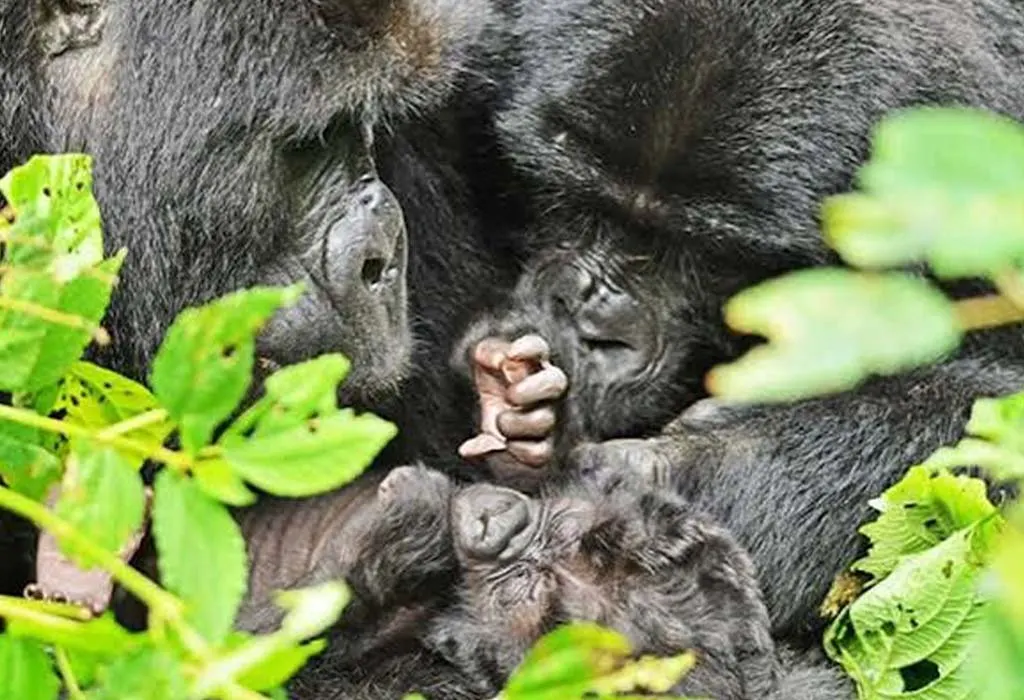
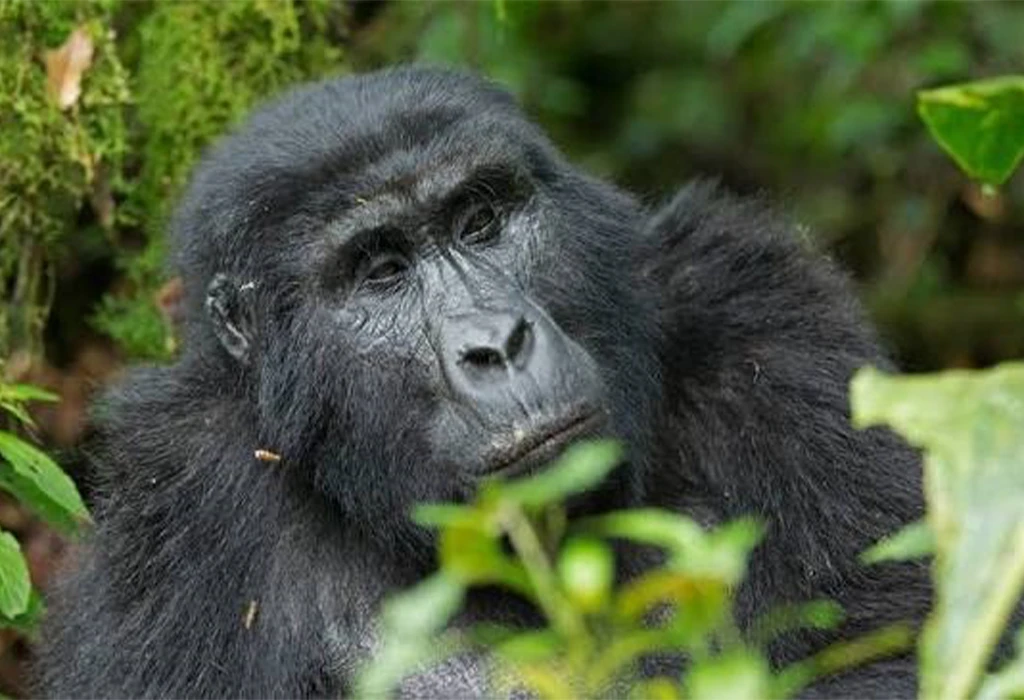
When your feet remain comfortable, you conserve more energy throughout the hike. This allows you to fully appreciate the forest scenery, wildlife, birds, and ultimately the unforgettable moment when you encounter a family of mountain gorillas in their natural habitat.
Choosing the Right Hiking Boots
Not all hiking boots are designed for rainforest conditions. Selecting the right pair ensures maximum comfort and performance during your trek.
Look for waterproof boots made from durable leather or lightweight synthetic materials. They should include breathable linings that allow moisture from perspiration to escape while preventing rainwater from entering.
A sturdy rubber sole with deep tread patterns provides the grip needed for muddy trails, while a mid-cut or high-cut design offers excellent ankle support. The boots should fit comfortably without being too tight or too loose, leaving enough room for thick hiking socks.
Lightweight boots are often preferable because they reduce fatigue during long hikes while still offering adequate protection.
Break Your Boots In Before Traveling
Even the highest-quality hiking boots require time to adapt to your feet. Wearing brand-new boots for the first time during gorilla trekking often results in blisters and sore feet.
Instead, begin wearing your boots several weeks before departure. Take short walks around your neighborhood, hike local trails, or simply wear them while running everyday errands. Gradually increasing the time spent in your boots allows them to soften and conform to the shape of your feet.
By the time you begin your gorilla trek, the boots should feel natural and comfortable, minimizing the risk of discomfort during the hike.
Wear the Right Socks
Your socks are just as important as your boots. High-quality moisture-wicking hiking socks help keep feet dry by moving sweat away from the skin. They also reduce friction, lowering the chances of developing blisters.
Long socks that extend above the boot collar provide additional protection against rubbing and help prevent insects from reaching exposed skin.
Many experienced trekkers also wear gaiters over their boots and trousers. Gaiters stop mud, water, small stones, and insects from entering the boots while offering additional protection against thorny vegetation.
Boot Rentals Are Available
Travelers who do not own hiking boots should not worry. Many lodges and visitor centers located near gorilla trekking destinations provide boot rental services. Waterproof rubber boots are especially popular during the rainy season because they perform exceptionally well in muddy conditions.
Although renting boots is a convenient option, bringing your own well-fitted hiking boots remains the best choice whenever possible. Familiar footwear offers greater comfort and reduces the likelihood of blisters during the trek.
Final Thoughts
A gorilla trek is a once-in-a-lifetime adventure that deserves careful preparation. While clothing, cameras, and backpacks all contribute to the experience, nothing influences your comfort and safety more than the boots on your feet.
Quality hiking boots provide essential ankle support, reliable traction, waterproof protection, and lasting comfort throughout the journey. They also protect your feet from sharp vegetation, insects, and the challenging rainforest terrain that makes gorilla trekking such a remarkable adventure.
Preparing with the right footwear allows you to focus on what truly matters: the unforgettable experience of standing just a few meters away from a family of wild mountain gorillas in one of Africa’s most spectacular forests.