
How Seasons Affect Gorilla Trekking in Uganda
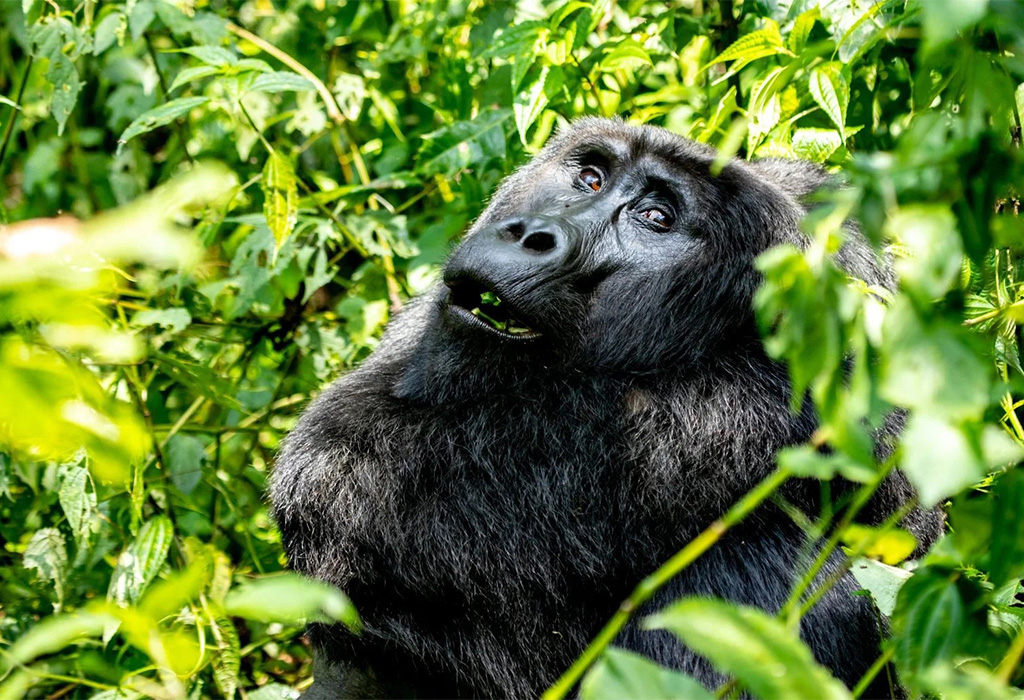
Gorilla trekking in Uganda is one of the most memorable wildlife experiences in Africa. It takes visitors deep into lush tropical rainforests, where they can observe endangered mountain gorillas in their natural habitat. However, the experience can vary considerably depending on the season, weather conditions, forest terrain, and location of the gorilla family. Understanding how seasons affect gorilla trekking in Uganda helps you prepare for the journey and choose a suitable time for your safari.
Uganda offers mountain gorilla trekking throughout the year, particularly in Bwindi Impenetrable National Park and Mgahinga Gorilla National Park. Although the country experiences relatively dry and wet seasons, rainfall can occur at any time because gorillas live in mountainous rainforest environments. Consequently, even during the dry season, you should prepare for occasional showers, muddy trails, and changing temperatures.
The dry seasons generally provide more comfortable hiking conditions, while the rainy seasons bring greener landscapes, fewer crowds at certain times, and rewarding opportunities to experience the forest at its most vibrant. Ultimately, the best season for gorilla trekking depends on your fitness level, travel preferences, budget, and expectations.
What Is Gorilla Trekking?
Gorilla trekking is an adventurous wildlife activity that involves hiking through dense forests to find a habituated mountain gorilla family. Experienced park rangers and trackers lead visitors through the forest, using their knowledge of gorilla movements, feeding patterns, and nesting locations to locate the animals.
In Uganda, gorilla trekking takes place in Bwindi Impenetrable National Park and Mgahinga Gorilla National Park. Both destinations offer remarkable opportunities to observe mountain gorillas, although the landscape, vegetation, and trekking conditions differ between locations.
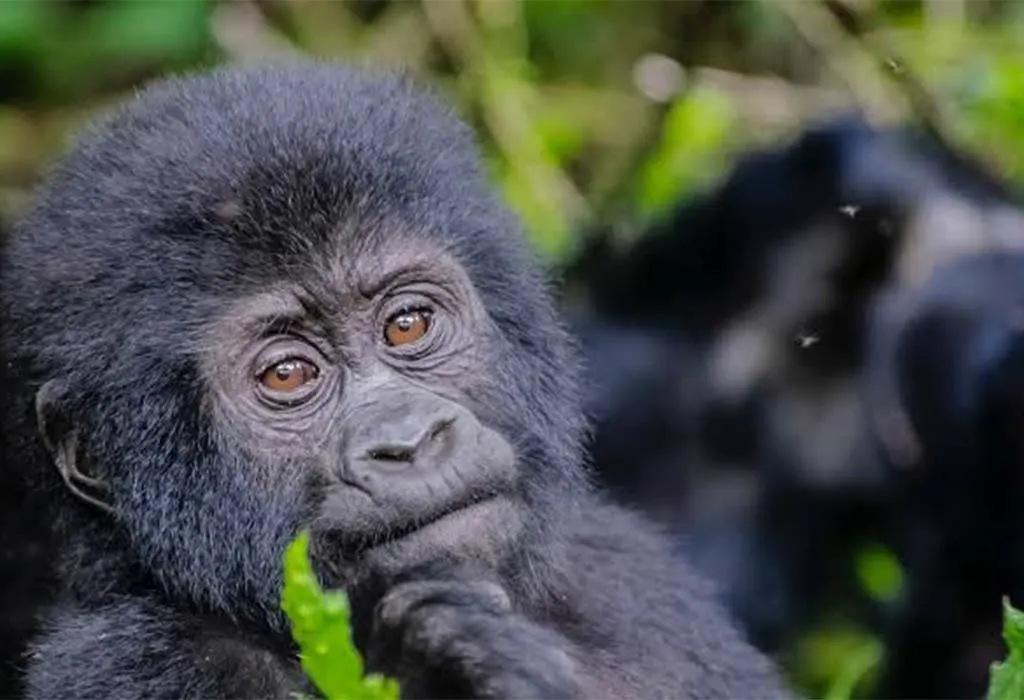
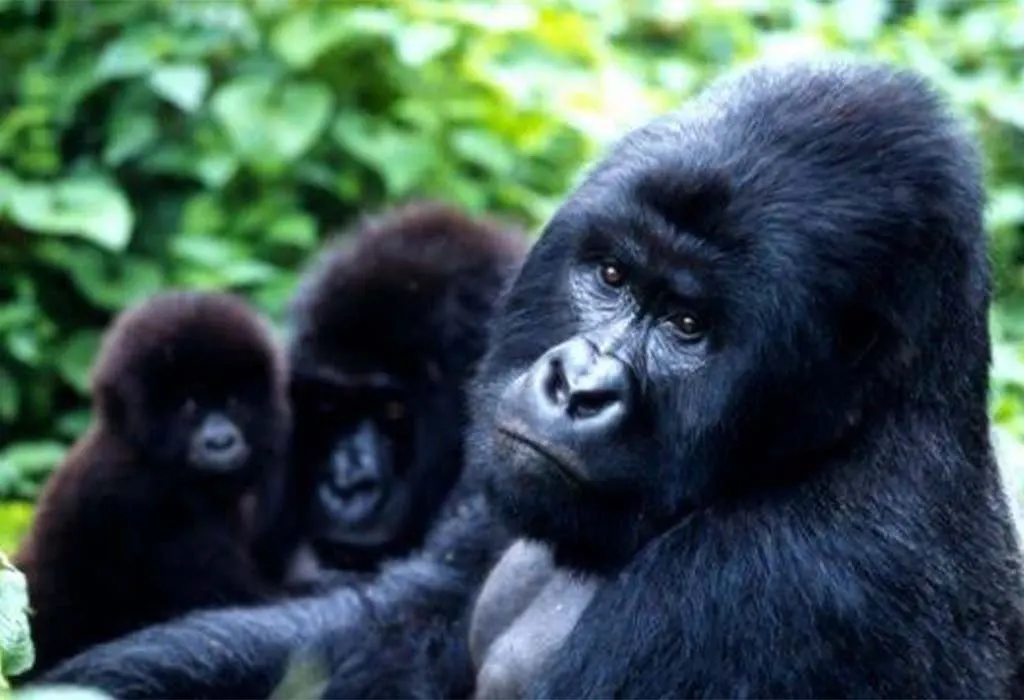
Once the rangers locate the gorillas, visitors can generally spend one hour observing their behaviour, family interactions, feeding habits, and movements. This encounter provides an extraordinary opportunity to appreciate these endangered primates while supporting conservation initiatives that protect their habitat.
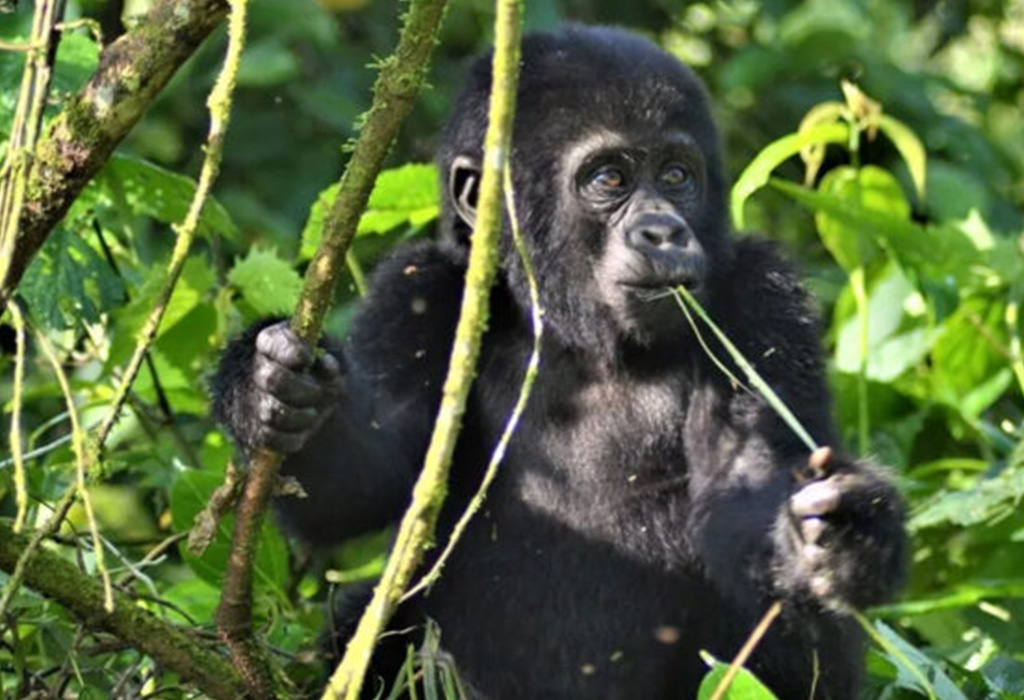
Nevertheless, the experience requires preparation. Depending on the gorillas’ location, a trek may last several hours, and visitors must navigate steep slopes, tangled vegetation, uneven ground, and potentially slippery trails.
How Seasons Affect Gorilla Trekking in Uganda
Seasons influence several aspects of gorilla trekking, including trail conditions, hiking difficulty, weather, photography, packing requirements, and the overall forest experience. Although gorillas remain in their natural habitat throughout the year, the conditions visitors encounter can change significantly.
Understanding these seasonal differences allows you to plan more effectively and enjoy your adventure with realistic expectations.
1. Gorilla Trekking During the Dry Season
Uganda generally experiences two relatively dry periods: December to February and June to August. These months are popular with visitors because the trails are often less muddy, making hiking more manageable.
During the dry season, reduced rainfall can improve movement through the forest, particularly on steep sections where wet soil becomes slippery. Furthermore, the clearer weather may create better opportunities for photography, scenic views, and comfortable travel between lodges and park headquarters.
However, dry-season conditions do not guarantee an easy trek. Bwindi’s dense vegetation, mountainous terrain, and changing weather can still present physical challenges. You may also encounter rain, especially in higher-altitude forest areas.
The main advantages of gorilla trekking during the dry season include:
- Generally firmer trails and fewer extremely muddy sections.
- More comfortable hiking conditions for many visitors.
- Potentially easier road transfers between safari destinations.
- Better opportunities to enjoy forest scenery during breaks in the weather.
- Convenient travel conditions for combining gorilla trekking with other wildlife activities.
Because the dry months attract many travelers, it is advisable to secure your gorilla trekking permit and accommodation well in advance.
2. Gorilla Trekking During the Rainy Season
Uganda’s principal rainy periods generally occur from March to May and September to November. During these months, rainfall can make forest trails muddy, slippery, and more challenging to navigate.
The rainy season often brings dense vegetation, moist forest air, and beautiful green landscapes. For travelers who appreciate nature photography and quieter surroundings, these conditions can create an especially rewarding experience.
Nevertheless, you should expect to work harder during certain sections of the trek. Muddy slopes may require careful footing, while rain can affect visibility, photography, and the comfort of long forest walks. Waterproof clothing and sturdy hiking boots become particularly important.
Despite these challenges, gorilla trekking remains possible throughout the rainy season. Gorilla families continue their normal activities, and park rangers still guide visitors through the forest according to established procedures.
Advantages of trekking during the rainy season include:
- Lush vegetation and attractive rainforest scenery.
- Opportunities to experience the forest during its most vibrant periods.
- Potentially quieter travel periods, depending on demand.
- Possible accommodation savings at selected lodges.
- Excellent opportunities for atmospheric forest photography when lighting conditions are suitable.
However, rainfall is unpredictable, and you should never assume that every rainy-season day will be wet or that every dry-season day will remain sunny.
How Different Seasons Affect the Gorilla Trekking Experience
3. The Effect of Rainfall on Forest Trails
Rainfall is one of the most noticeable factors affecting gorilla trekking in Uganda. When heavy showers occur, the forest floor becomes slippery, particularly along steep paths, exposed roots, and muddy inclines.
Consequently, a section that feels manageable during dry weather may require more effort after rain. Trekkers often need to slow down, maintain their balance, and follow their guides carefully.
To prepare for these conditions, consider the following recommendations:
- Wear sturdy, waterproof hiking boots with good ankle support and reliable grip.
- Carry a lightweight waterproof jacket and rain-resistant trousers.
- Use gardening gloves or hiking gloves to protect your hands from vegetation.
- Walk at a steady pace instead of rushing along slippery trails.
- Carry a walking stick if you need additional stability.
Your guide will help you navigate difficult sections and determine an appropriate pace for the group.
4. How Seasons Influence Trekking Duration
The season can influence trekking duration because rainfall affects walking speed and trail accessibility. However, the most important factor is usually the location of the gorilla family on the day of your trek.
Gorillas move through the forest in search of food, and their movements vary according to feeding opportunities and other natural factors. Therefore, trackers may need to cover considerable distances before locating a particular family.
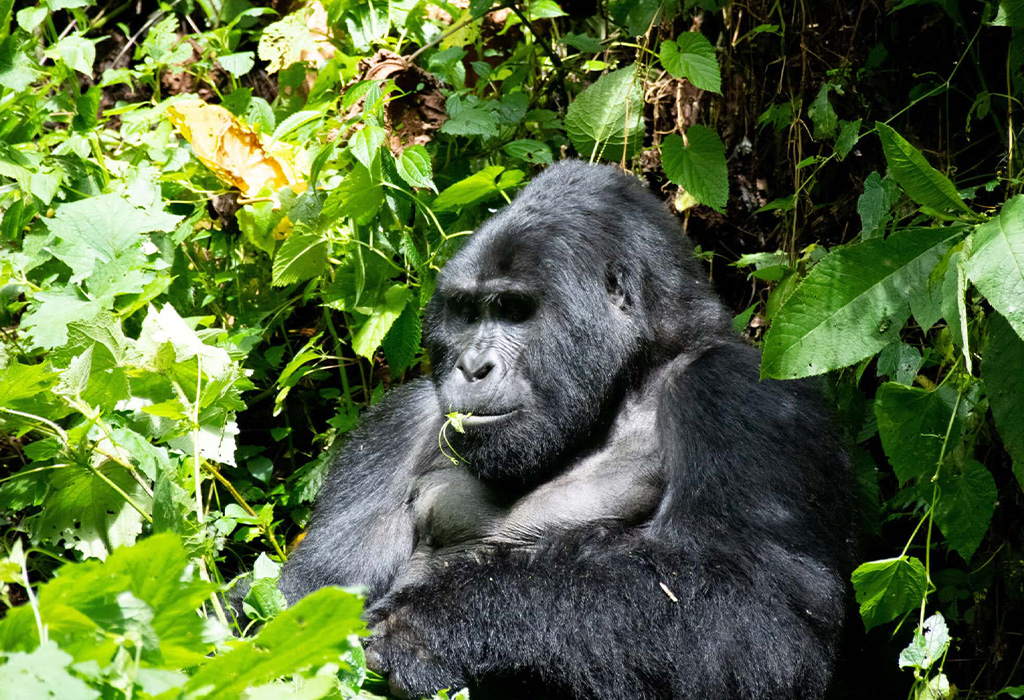
A gorilla trek can last approximately two to eight hours or occasionally longer, depending on the circumstances. During wet weather, slippery terrain and careful navigation may extend the journey.
For this reason, avoid planning another demanding activity immediately after your trek. Instead, allow enough time to return to the park headquarters, rest, and enjoy the experience without unnecessary pressure.
5. Seasonal Effects on Gorilla Photography
The season also influences how you photograph mountain gorillas. During drier periods, relatively favourable weather may make it easier to protect your camera equipment and move through the forest.
However, rainforest lighting can remain challenging throughout the year. Thick vegetation blocks sunlight, while cloudy skies and shaded forest floors often produce low-light conditions.
During the rainy season, water droplets on leaves and mist around the vegetation can create beautiful photographic opportunities. Nevertheless, you must protect your equipment from moisture and avoid using flash photography.
For better results, consider these practical tips:
- Carry a camera with good low-light performance.
- Use a protective rain cover for your camera and lenses.
- Keep spare batteries in a dry place.
- Avoid changing lenses unnecessarily in damp conditions.
- Follow the rangers’ instructions and photograph the gorillas without disturbing them.
Remember that responsible photography is more important than capturing a perfect image. Always respect the required viewing distance and any additional instructions given by your guide.
What to Expect on a Gorilla Trek in Uganda
Regardless of the season, gorilla trekking follows an organized process designed to protect visitors and mountain gorillas.
6. The Morning Briefing and Group Allocation
Your adventure generally begins at the designated park headquarters, where rangers explain the trekking procedures, safety precautions, and gorilla conservation rules.
Visitors are allocated to gorilla families according to park arrangements, which may consider factors such as trekking ability and the circumstances of the day. Groups generally consist of up to eight tourists visiting a habituated gorilla family, although operational arrangements should be confirmed with park authorities.
After the briefing, you set off with experienced rangers and trackers. They guide the group through the forest, interpret signs of gorilla activity, and help everyone navigate challenging terrain.
7. Encountering the Mountain Gorillas
Finding the gorillas is often the most exciting part of the adventure. You may observe adults feeding, juveniles playing, mothers caring for infants, or a dominant silverback monitoring the group.
Once the gorillas are located, visitors generally receive one hour to observe them, subject to park regulations and the guidance of the rangers. The encounter provides an opportunity to appreciate their social behaviour and remarkable similarities to humans.
Keep your voice low, avoid sudden movements, and maintain the distance specified by park authorities. Never attempt to touch, feed, or approach a gorilla independently.
8. Gorilla Trekking and Gorilla Habituation Experiences
Regular gorilla trekking allows visitors to spend approximately one hour with a habituated gorilla family. Gorilla habituation experiences, available under specific arrangements in Uganda, offer a longer period with gorillas undergoing the habituation process.
The habituation experience can allow up to four hours with the gorillas, subject to the applicable permit conditions and ranger instructions. It provides a deeper opportunity to learn about gorilla behaviour and the process of helping wild gorillas become accustomed to the controlled presence of researchers and visitors.
Both activities contribute to conservation, but they differ in duration, cost, availability, and the nature of the encounter. Therefore, choose the experience that best matches your interests, physical ability, and travel budget.
How Difficult Is Gorilla Trekking in Uganda During Different Seasons?
Gorilla trekking can be physically demanding, although many reasonably active travelers can complete it with suitable preparation. The difficulty depends on several factors, including your fitness level, the gorilla family’s location, the terrain, and the weather.
During drier periods, trails may be easier to navigate because the ground is often firmer. In contrast, rainy conditions can make slopes slippery and require greater concentration, balance, and stamina.
However, the dry season does not guarantee a short trek, and the rainy season does not automatically make every trek extremely difficult. Some gorilla families remain relatively accessible, while others may require a longer hike regardless of the weather.
To prepare for the experience, begin walking regularly several weeks before departure. Include uphill walks, gentle hikes, and exercises that improve endurance and balance. If you have concerns about your ability to complete a trek, discuss them with your tour operator and park authorities before booking.
Essential Items to Pack for Gorilla Trekking
Packing appropriately can make a significant difference to your comfort, particularly when weather conditions change unexpectedly.
Whether you visit during the dry or rainy season, consider carrying:
- Waterproof hiking boots with strong traction.
- Long-sleeved shirts and long trousers.
- A lightweight waterproof jacket and rain trousers.
- Gardening gloves for gripping vegetation.
- A small backpack with drinking water and snacks for before or after the gorilla encounter.
- Insect repellent and sunscreen.
- A camera, spare batteries, and a rain cover.
- A walking stick if needed for balance.
- Personal medication and any essential health supplies.
Choose comfortable clothing that protects you from scratches, insects, and damp vegetation. Layering also helps you adjust to changing temperatures as you move through different sections of the forest.
Gorilla Trekking Rules and Conservation Guidelines
Mountain gorillas are endangered, and responsible tourism plays an important role in their protection. Visitors must follow the rules provided by park authorities, regardless of the season.
Important guidelines include:
- Maintain the minimum viewing distance specified by current park regulations. Some guidance may specify at least seven metres, while stricter or updated instructions may require more.
- Keep your voice low and avoid sudden movements.
- Never touch, feed, or attempt to attract the gorillas.
- Do not use flash photography.
- Follow the rangers’ instructions throughout the encounter.
- Avoid eating, drinking, or smoking near the gorillas when prohibited by park rules.
- Wash or sanitize your hands as directed before the trek.
- Inform park authorities if you are feeling unwell, especially if you have symptoms of a potentially infectious illness.
- Follow current mask requirements and respiratory-health precautions issued by the park authorities.
Visitors generally need to be at least 15 years old to participate in gorilla trekking in Uganda. Confirm the current age requirements and permit conditions before making your booking.
By respecting these rules, you help protect gorillas from human disturbance and reduce the risk of transmitting diseases to them.
How Gorilla Trekking Supports Conservation
Gorilla trekking offers more than an extraordinary wildlife encounter. Permit revenue and tourism-related income contribute to conservation programes, park management, ranger operations, and benefits for communities living near protected areas.
Local people also benefit through employment, guiding services, accommodation, transport, craft businesses, and other tourism-related activities. These opportunities can strengthen community participation in wildlife conservation.
Whether you trek during the dry or rainy season, your visit can contribute to protecting mountain gorillas and their forest habitat. Choosing responsible tourism providers and respecting local communities further supports sustainable tourism.
When Is the Best Season for Gorilla Trekking in Uganda?
The best time for gorilla trekking in Uganda depends on your priorities. If you prefer relatively manageable hiking conditions, the dry seasons from December to February and June to August are generally good choices.
However, if you enjoy lush scenery, fewer crowds at certain times, and the distinctive atmosphere of a rainforest after rain, the wetter months may appeal to you. You should simply prepare for muddy trails and changing weather.
Before choosing your travel dates, consider these factors:
- For easier hiking: Consider the relatively dry months, while remembering that long treks remain possible.
- For green landscapes: Consider the rainy seasons, when vegetation is often especially lush.
- For photography: Choose dates that suit your broader travel plans, and prepare for low light and rain throughout the year.
- For budget-conscious travel: Compare accommodation rates and travel packages across different months.
- For a complete safari: Consider combining gorilla trekking with wildlife viewing in other Ugandan national parks.
Most importantly, book your gorilla trekking permit early, select suitable accommodation, and allow flexibility in your itinerary.
Final Thoughts on How Seasons Affect Gorilla Trekking
Seasons influence gorilla trekking in Uganda by changing trail conditions, mountain gorilla trekking remains rewarding throughout the year and the overall atmosphere of the forest. Dry periods often offer relatively firmer trails, while rainy periods provide lush scenery and a more demanding hiking environment.
Nevertheless, mountain gorilla trekking remains rewarding throughout the year. The gorillas’ location, your fitness level, and your preparation often matter just as much as the season.
With suitable clothing, sturdy footwear, a positive attitude, and guidance from experienced rangers, you can enjoy a memorable encounter with Uganda’s mountain gorillas in different weather conditions. Plan carefully, follow conservation rules, and embrace the adventure of exploring one of Africa’s most remarkable rainforest habitats.