
What Is the Best Time to Visit East Africa for a Wildlife Safari?
East Africa is one of the world’s most rewarding destinations for wildlife safaris, offering beautiful landscapes, diverse wildlife, and unforgettable encounters with nature. Countries such as Uganda, Kenya, Tanzania, and Rwanda attract visitors who want to see the Big Five, watch the Great Migration, track mountain gorillas, and explore national parks filled with fascinating animals.
Choosing the best time to visit East Africa can make a significant difference to your safari experience. Although wildlife viewing is possible throughout the year, certain months offer better conditions for game drives, photography, birdwatching, and gorilla trekking. Therefore, understanding the seasons, weather patterns, and wildlife movements will help you plan a memorable journey with Experiya Tour Company.
Understanding East Africa’s Wildlife Seasons
East Africa generally experiences dry and wet seasons, although the exact timing varies between countries and regions. The dry seasons usually provide excellent wildlife-viewing opportunities because animals gather around rivers, lakes, and waterholes. Furthermore, shorter grass and thinner vegetation make it easier to spot animals in the wilderness.
The main dry periods often occur from June to September and, in many destinations, from December to February. However, rainfall patterns can change from year to year, so travellers should check local conditions before booking their safaris.
The wet seasons, which commonly occur around March to May and October to November in parts of the region, transform the landscape into a green paradise. Although thick vegetation can make some animals harder to see, these months are excellent for birdwatching, photography, and enjoying quieter parks.
The Best Time to Visit Uganda for Wildlife
Uganda is an excellent safari destination for travellers interested in mountain gorillas, chimpanzees, elephants, lions, giraffes, and numerous bird species. Its national parks offer different wildlife experiences throughout the year.
The dry seasons, particularly June to September and December to February, are generally favourable for traditional wildlife safaris. During these months, roads and trails are often easier to navigate, while animals may gather around reliable water sources.
Murchison Falls National Park offers opportunities to see elephants, giraffes, buffaloes, lions, and numerous antelope species. Visitors can also enjoy boat trips along the Nile River, where hippos, crocodiles, and waterbirds are commonly observed.
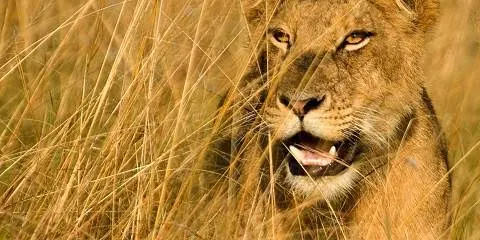
Similarly, Queen Elizabeth National Park provides rewarding game drives and boat cruises along the Kazinga Channel. The Ishasha sector is particularly well known for its tree-climbing lions, although sightings are never guaranteed.
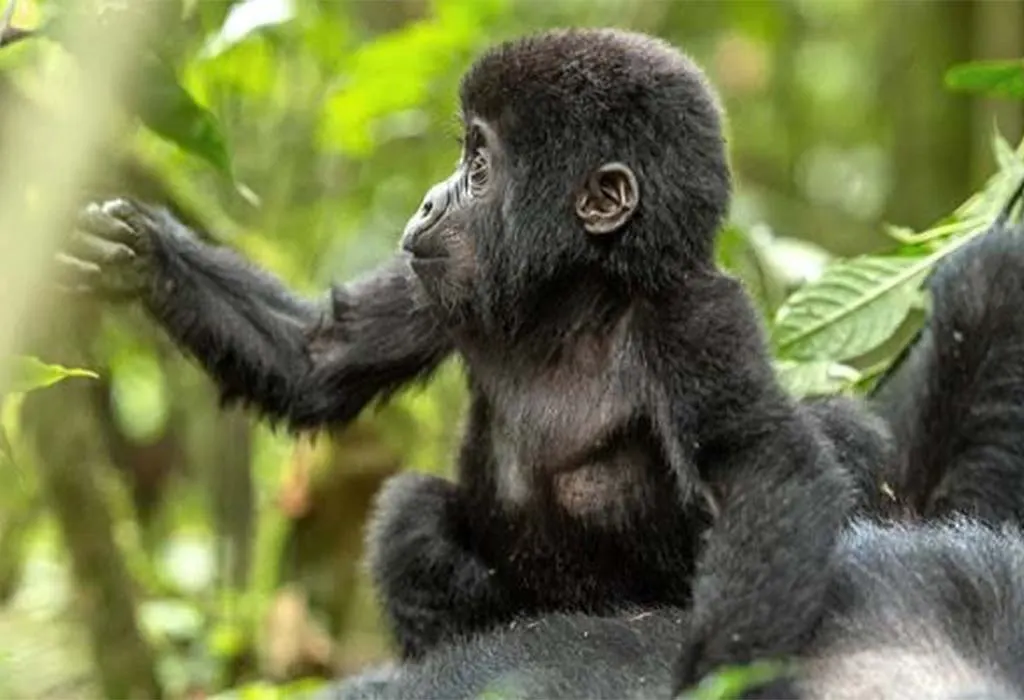
For gorilla trekking in Bwindi Impenetrable National Park and Mgahinga Gorilla National Park, the drier months generally provide easier hiking conditions. Nevertheless, rain can fall at any time because these parks contain tropical forests. Travellers visiting during wetter months may enjoy lush scenery and fewer crowds, provided they prepare for muddy trails.
The Best Time to Visit Kenya for Wildlife
Kenya is famous for its open savannahs, abundant wildlife, and the spectacular Great Migration. The country offers excellent safari opportunities in destinations such as Maasai Mara National Reserve, Amboseli National Park, and Tsavo National Parks.
June to October is generally one of the best periods for wildlife viewing in Kenya. During these months, the weather is often drier, vegetation becomes less dense, and animals are easier to observe in many parks.
One of the main attractions is the Great Migration, when millions of wildebeest and large numbers of zebras and gazelles move through the Serengeti–Maasai Mara ecosystem in search of fresh grazing. Herds commonly enter the Maasai Mara around July to October, although the timing depends on rainfall and grazing conditions.
River crossings can be dramatic, especially when crocodiles wait in the water. However, these crossings are unpredictable, and visitors should not expect them on a particular day.
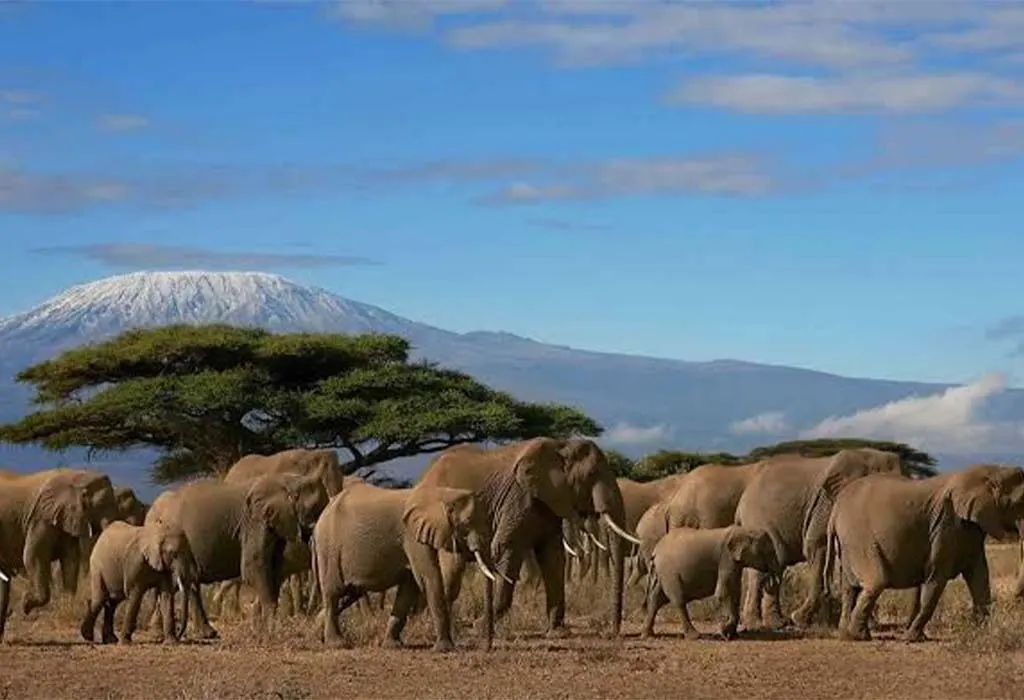
Amboseli National Park is another excellent destination, especially for travellers hoping to photograph elephants against the backdrop of Mount Kilimanjaro. Clearer skies during dry periods can provide beautiful views of the mountain.
The Best Time to Visit Tanzania for Wildlife
Tanzania offers outstanding wildlife experiences in Serengeti National Park, Ngorongoro Conservation Area, Tarangire National Park, and other protected areas. The best time to visit depends partly on the animals and experiences you hope to see.
June to October is generally an excellent period for wildlife viewing because the drier conditions encourage animals to concentrate around available water sources. This season is particularly rewarding for game drives in the Serengeti and Tarangire.
However, the Great Migration follows a seasonal cycle rather than remaining in one place. From approximately January to March, many wildebeest gather in the southern Serengeti and surrounding plains, where calving takes place. During this period, visitors may witness newborn animals and predators taking advantage of the abundance of young wildlife.
As the year progresses, the herds move towards different grazing areas, with their movements influenced by rainfall. By the middle and later parts of the year, many travel northwards, and some eventually approach the Maasai Mara in Kenya.
Consequently, travellers should choose their destination according to the expected migration location rather than assuming that every part of the Serengeti offers the same experience throughout the year.
The Best Time to Visit Rwanda for Wildlife
Rwanda is particularly popular for mountain gorilla trekking, golden monkey tracking, chimpanzee experiences, and savannah wildlife safaris. Although the country is smaller than Kenya and Tanzania, it offers impressive biodiversity and convenient opportunities to combine different activities.
The drier periods, generally from June to September and December to February, are often preferred for gorilla trekking in Volcanoes National Park. Trails can be less muddy, making hikes more comfortable. Nevertheless, trekking conditions depend on recent rainfall, altitude, and the location of the gorilla family.
Nyungwe National Park is a rewarding destination for chimpanzee tracking, forest walks, and birdwatching. Akagera National Park, on the other hand, offers savannah wildlife experiences, including opportunities to see lions, elephants, giraffes, rhinos, and buffaloes.
The wetter months can also be worthwhile, especially for birdwatchers and visitors who appreciate green landscapes. However, forest trails may become slippery, so appropriate hiking boots and waterproof clothing are essential.
The Best Time to See the Big Five in East Africa
The Big Five consists of lions, leopards, elephants, rhinos, and buffaloes. Kenya and Tanzania are especially popular for traditional Big Five safaris, while Uganda and Rwanda also provide opportunities to see several of these species in selected parks.
In many savannah destinations, June to October offers favourable viewing conditions because vegetation is thinner and wildlife may gather around water sources. Nevertheless, the likelihood of seeing particular animals depends on the park, habitat, and duration of the safari.
For example, travellers visiting Tanzania can explore the Serengeti and Ngorongoro Conservation Area, while those travelling to Kenya may choose the Maasai Mara. In Uganda, Queen Elizabeth and Murchison Falls national parks provide excellent opportunities for game drives.
Rhino sightings require careful destination planning. Ziwa Rhino Sanctuary in Uganda provides a dedicated opportunity to track rhinos on foot with trained guides, while Kenya’s and Tanzania’s protected areas offer additional possibilities depending on the specific reserve.
The Best Time for Birdwatching in East Africa
East Africa is a remarkable region for birdwatching, with habitats ranging from wetlands and forests to mountains and open grasslands. Birdwatchers can observe resident species throughout the year, while migratory birds add to the diversity during particular months.
In many locations, November to April is especially rewarding for observing migratory birds from Europe and Asia. The presence of these species can make wetlands, forests, and lakeshores particularly attractive to bird enthusiasts.
Uganda’s Mabamba Wetland is well known for shoebill sightings, while Queen Elizabeth National Park, Lake Victoria, and Bwindi provide additional birdwatching opportunities. In Kenya and Tanzania, wetlands, lakes, and savannah habitats also support diverse bird populations.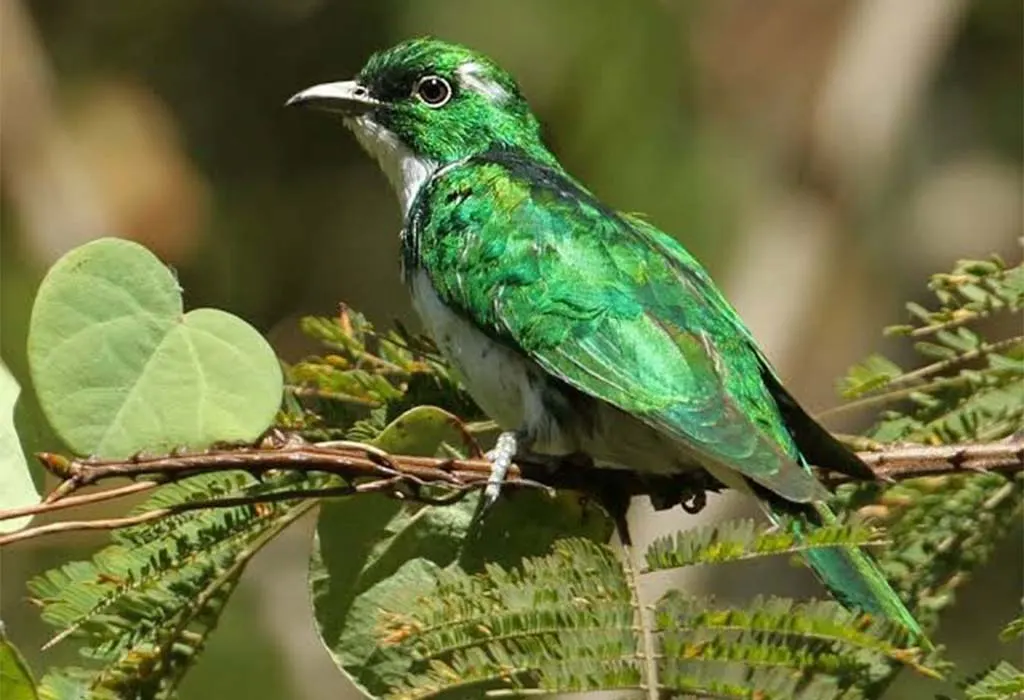
Although the rainy season can make some roads difficult to navigate, it often brings abundant food and breeding opportunities for birds. Therefore, birdwatchers may prefer different travel dates from visitors whose main priority is spotting large mammals.
Weather and Preparation for an East African Safari
Weather conditions vary considerably across East Africa. Coastal areas can be warm and humid, while highland regions may experience cool mornings and evenings. Mountain forests are often wet, even during periods that are generally considered dry.
Travellers should pack lightweight clothing, comfortable walking shoes, sunscreen, insect repellent, and a hat. For gorilla trekking and forest excursions, waterproof jackets, long trousers, and sturdy hiking boots are particularly useful.
It is also important to book accommodation and permits in advance, especially for gorilla trekking and popular migration periods. Working with an experienced safari operator such as Experiya Tour Company can help travellers coordinate park visits, transport, accommodation, and activities according to their preferred travel dates.
Responsible Tourism and Wildlife Conservation
Responsible tourism helps protect East Africa’s wildlife and supports communities living near national parks. Visitors should follow their guides’ instructions, maintain safe distances from animals, avoid littering, and respect park regulations.
During gorilla and chimpanzee encounters, travellers must follow the applicable wildlife authority’s rules, including restrictions on visitor numbers and contact with animals. These measures help reduce disturbance and protect wildlife from disease transmission.
Choosing responsible accommodation and tour operators can also contribute to conservation initiatives and community livelihoods. In this way, a safari becomes more than a wildlife holiday; it also supports the protection of natural habitats for future generations.
Conclusion
The best time to visit East Africa for a wildlife safari depends on your destination and interests. June to September is generally excellent for traditional game viewing in many parks, while December to February also offers favourable conditions in several locations. Meanwhile, January to March can be especially rewarding for witnessing wildebeest calving in the southern Serengeti, and November to April often provides excellent opportunities for migratory birdwatching.
Ultimately, every season offers something special. With careful planning, travellers can enjoy wildlife encounters, beautiful landscapes, cultural experiences, and unforgettable adventures across Uganda, Kenya, Tanzania, and Rwanda. Experiya Tour Company can help organise a safari that matches your travel dates.