
Imagine walking across Uganda’s open savannah before descending into a lush, green gorge where chimpanzees call from the forest canopy. Within minutes, the landscape changes dramatically, replacing sunlit grasslands with shaded woodland, tangled vines, and the sounds of wildlife. This remarkable contrast makes Kyambura Gorge chimpanzee tracking one of the most distinctive primate experiences in Uganda.
Located on the eastern side of Queen Elizabeth National Park, Kyambura Gorge offers visitors the opportunity to search for wild chimpanzees in an isolated forest surrounded by savannah. Often called the Valley of Apes, the gorge combines dramatic scenery, fascinating wildlife, and an important conservation story.
Unlike Kibale National Park, which is renowned for its larger chimpanzee population, Kyambura offers a more unpredictable tracking experience. Nevertheless, the possibility of encountering chimpanzees in this remarkable setting makes the adventure worthwhile. Moreover, its location within Queen Elizabeth National Park allows travelers to combine chimpanzee tracking with game drives, boat cruises, and other exciting safari activities.
What Makes Kyambura Gorge Unique?
Kyambura Gorge is a striking natural feature where the Kyambura River has carved a deep valley into the surrounding landscape. The gorge extends for approximately one kilometre and reaches depths of around 100 metres in places. Dense vegetation covers its slopes and floor, creating a forest habitat that contrasts sharply with the surrounding grasslands.
However, the gorge’s appeal goes beyond its scenery. Its chimpanzee community has become isolated from neighbouring forest populations following the loss of natural forest connections. Consequently, these primates face challenges associated with living in a relatively small habitat surrounded by open savannah.
This isolation makes Kyambura an important conservation area. Efforts to restore forest corridors and protect the remaining habitat can help improve the long-term prospects of the chimpanzees living here.
For visitors, the experience therefore offers more than wildlife photography. It provides an opportunity to appreciate the delicate relationship between wildlife, habitat protection, and responsible tourism.
The Chimpanzee Community in Kyambura Gorge
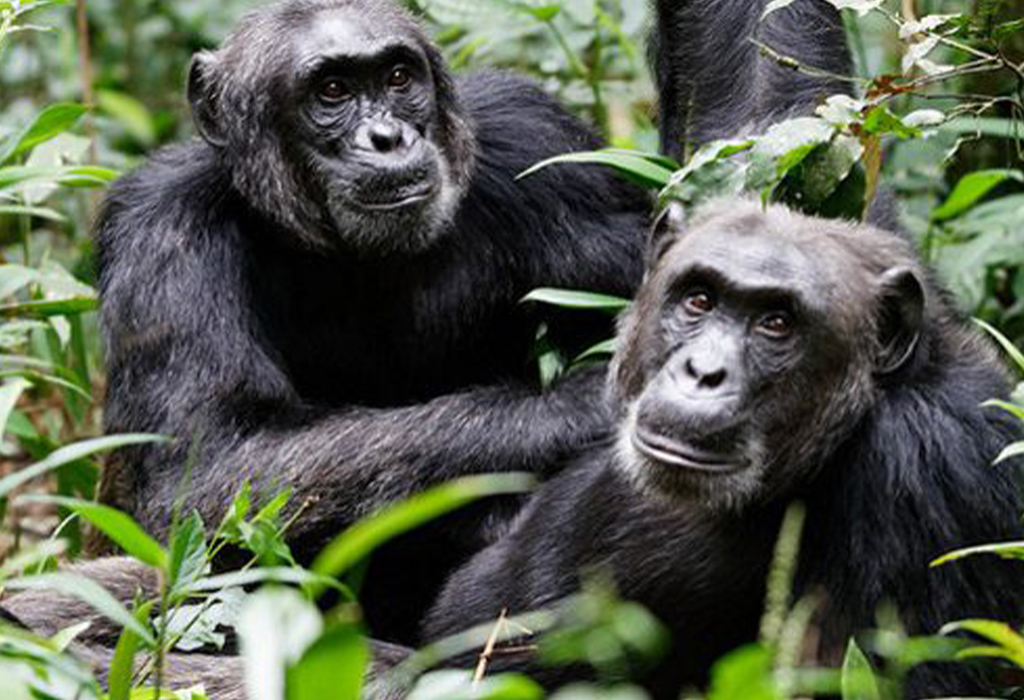
Chimpanzees are among our closest living relatives, and observing their behaviour in the wild can be an unforgettable experience. During Kyambura Gorge chimpanzee tracking, visitors may see them feeding on fruit, grooming one another, moving through the trees, or communicating through loud calls.
The community is relatively small compared with those found in major chimpanzee habitats such as Kibale National Park. Its size can change over time, so visitors should avoid relying on fixed population estimates without current information.
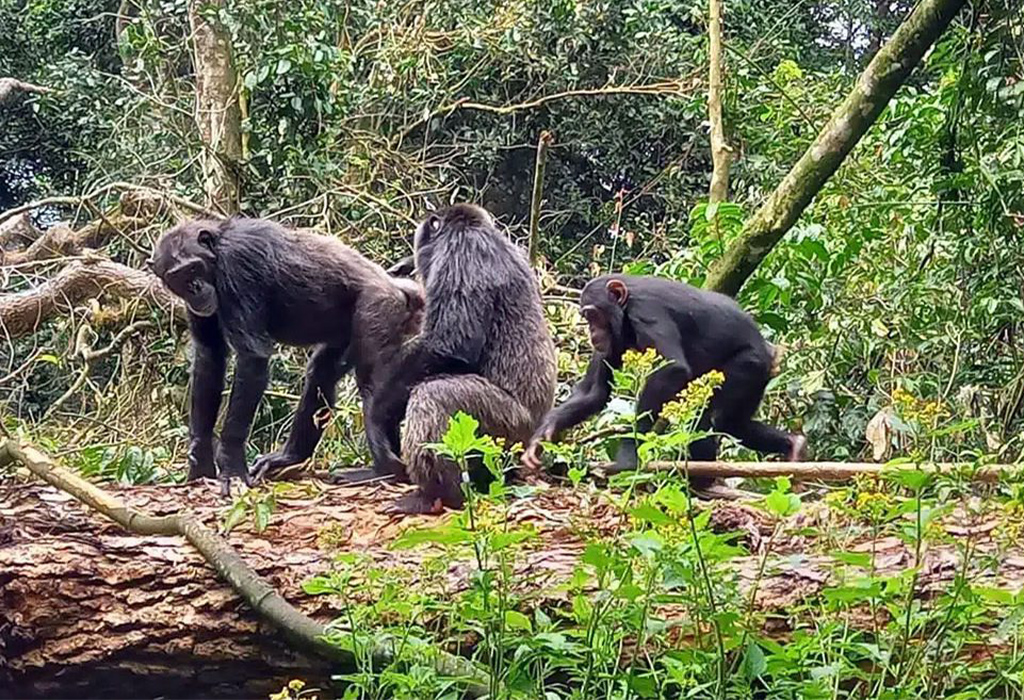 Furthermore, the surrounding savannah limits the chimpanzees’ ability to move safely between forest habitats. Conservation initiatives, including habitat restoration, aim to improve ecological connections and support the community’s future.
By choosing a responsible safari operator and following the guidance of park rangers, visitors can contribute to tourism that values wildlife protection. Although seeing the chimpanzees is the main attraction, learning about their habitat and conservation challenges adds another meaningful dimension to the trek.
How Does Kyambura Gorge Chimpanzee Tracking Work?
Your adventure typically begins with a briefing from trained park staff, who explain the tracking procedures, forest rules, and safety precautions. Depending on the arrangements for your visit, the briefing and trek begin at the designated tracking point near the gorge.
After the briefing, you descend into the forest with an experienced ranger or guide. The descent is one of the most memorable parts of the experience because you move from the open savannah into a cooler, greener environment.
The trail can be steep, uneven, and slippery, particularly after rainfall. Therefore, you should be prepared for a physically demanding walk rather than an easy nature stroll.
Once inside the gorge, your guide listens for chimpanzee calls, looks for signs of movement, and follows information about the animals’ recent location. Finding the group can take time, and the duration of the trek depends on where the chimpanzees are moving.
When the chimpanzees are located, visitors generally receive up to one hour to observe them, subject to current park regulations. During this time, you may watch their social interactions, feeding habits, and movement through the forest.
Finally, you climb back towards the gorge rim. Although the return ascent can be tiring, the opportunity to explore this unusual ecosystem makes the effort worthwhile.
What Are the Chances of Seeing Chimpanzees in Kyambura Gorge?
One of the most important things to understand before booking a Kyambura Gorge chimpanzee tracking excursion is that sightings are not guaranteed.
The community is relatively small and may move through areas where vegetation makes observation difficult. As a result, visitors sometimes need patience and flexibility while guides search for the animals.
Kibale National Park generally offers more reliable chimpanzee-tracking opportunities because of its larger, well-studied population and established tracking programmes. Kyambura, by comparison, appeals particularly to travelers who appreciate dramatic scenery and the opportunity to explore a distinctive forest habitat.
Nevertheless, a successful sighting can be highly rewarding. Watching chimpanzees communicate, forage, and interact in their natural environment offers a fascinating glimpse into their lives.
To make the most of your visit, keep your expectations realistic, listen carefully to your guide, and appreciate the other wildlife and natural features along the trail. Even when sightings prove difficult, the gorge itself remains an impressive part of the Queen Elizabeth National Park experience.
Other Wildlife to See in Kyambura Gorge
Chimpanzees may be the main attraction, but the gorge also supports a variety of other wildlife. As you walk through the forest, you may encounter black-and-white colobus monkeys, red-tailed monkeys, olive baboons, and vervet monkeys.
Birdwatchers can also enjoy searching for species that inhabit the forest and its surrounding landscape. Depending on the season and local conditions, these may include hornbills, bee-eaters, raptors, and the elusive African finfoot.
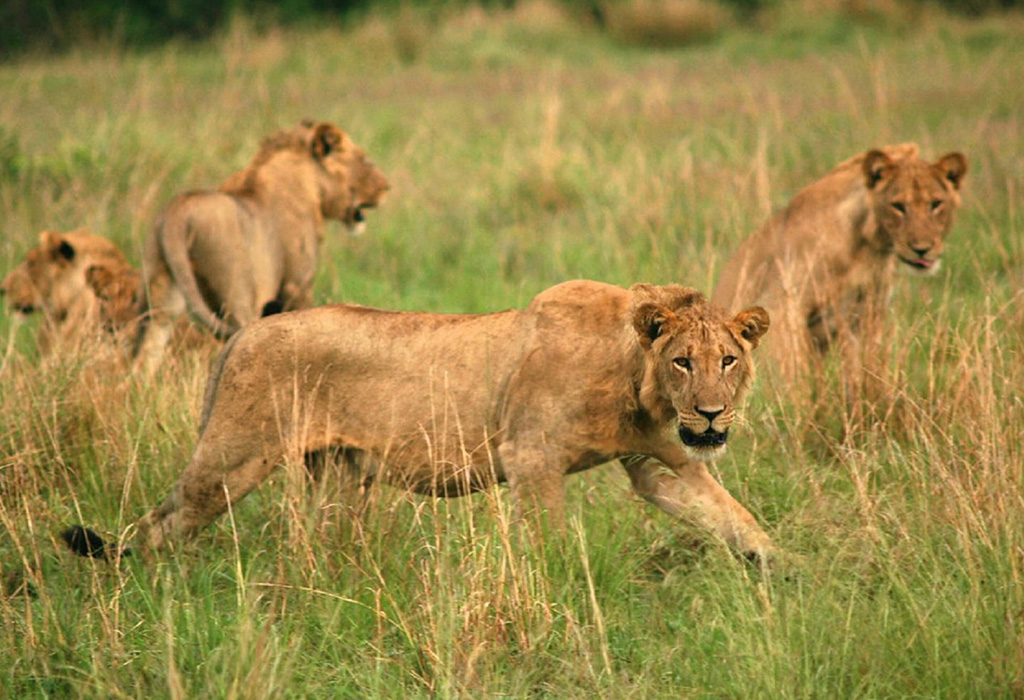
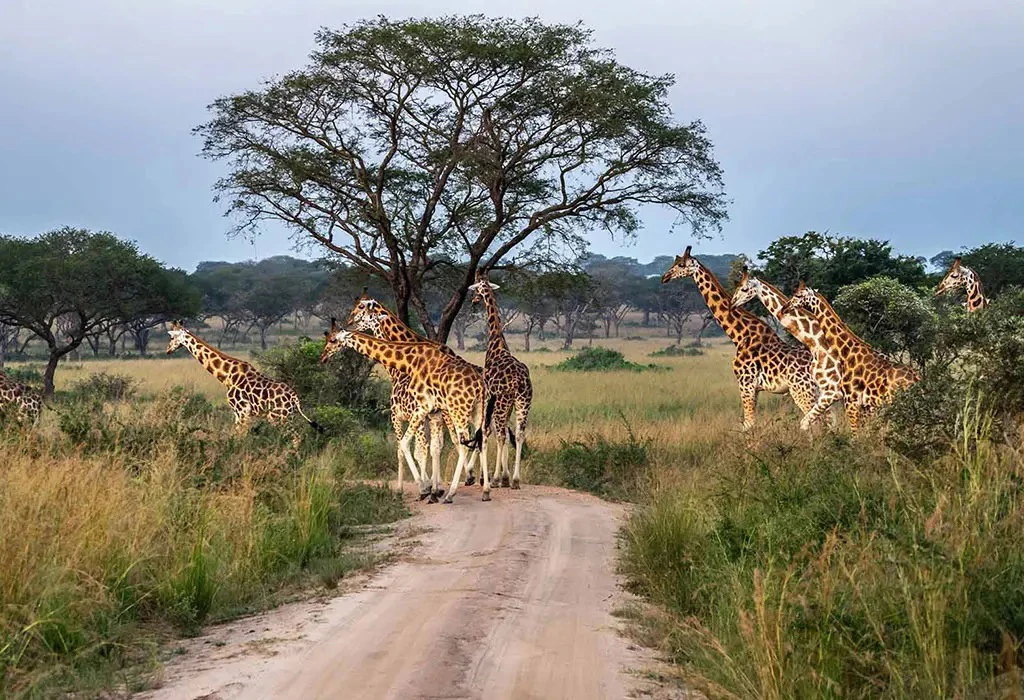
Beyond the gorge, Queen Elizabeth National Park supports a remarkable diversity of larger mammals. Elephants, buffaloes, antelopes, and other wildlife may be seen during game drives, while lions and leopards inhabit parts of the wider park.
This variety makes Kyambura particularly appealing to travelers who want to combine primate tracking with a traditional African safari. Rather than dedicating an entire trip to one wildlife activity, you can explore several habitats and enjoy different encounters throughout your stay.
Combining Kyambura Gorge with Other Queen Elizabeth Safari Activities
One of the biggest advantages of Kyambura Gorge is its location within Queen Elizabeth National Park. This makes it easier to combine chimpanzee tracking with other activities when planning your Uganda safari itinerary.
A popular addition is a boat cruise along the Kazinga Channel, which connects Lake Edward and Lake George. The channel is famous for its hippos, Nile crocodiles, and abundant birdlife. You may also see elephants and buffaloes approaching the water to drink.
Alternatively, a morning or afternoon game drive across the Kasenyi Plains offers opportunities to search for lions, Uganda kob, elephants, and other savannah wildlife. Travelers with more time can also explore the Ishasha sector, which is known for its occasional sightings of tree-climbing lions.
You can arrange an itinerary that combines Kyambura Gorge chimpanzee tracking with game drives, boat cruises, and accommodation suited to your budget. You can also extend your journey to include gorilla trekking in Bwindi Impenetrable National Park for a broader primate adventure.
Kyambura Gorge Chimpanzee Tracking Permits and Costs
A chimpanzee tracking permit is required to participate in the authorized tracking experience. The cost depends on the applicable Uganda Wildlife Authority rates, visitor category, and any changes to park regulations.
Although Kyambura has often been less expensive than Kibale, you should confirm the current permit price before making travel arrangements rather than relying on older online figures.
Permits are limited, and availability may vary between tracking sessions. Therefore, booking in advance is advisable, particularly if you plan to visit during Uganda’s popular dry-season travel periods.
When planning your budget, remember to consider more than the permit itself. Your total safari cost may include transport, accommodation, park entry fees, meals, guiding arrangements, and other activities.
Make sure you confirm current permit requirements and organize a practical itinerary around your travel dates.
What to Pack for a Kyambura Gorge Chimpanzee Trek
Preparing properly makes your trek more comfortable and helps you navigate the gorge safely. Because the trail includes steep slopes and potentially muddy sections, sturdy hiking boots with good traction are essential.
Pack long trousers and a lightweight, long-sleeved shirt to protect your skin from insects and vegetation. A light rain jacket is also useful because rainfall can occur even when the surrounding savannah appears dry.
In addition, carry drinking water, insect repellent, and a camera with a suitable zoom lens. A walking stick may help with balance on uneven ground; ask your guide whether one is available.
Keep your belongings lightweight, follow the ranger’s instructions, and avoid wearing anything that restricts your movement. Most importantly, maintain a respectful distance from the chimpanzees and never attempt to feed or touch them.
Best Time for Kyambura Gorge Chimpanzee Tracking
Kyambura Gorge can be visited throughout the year, although weather conditions influence the trekking experience.
The relatively drier periods, generally from June to September and December to February, often provide firmer trails and more comfortable hiking conditions. These months can also work well for combining chimpanzee tracking with game drives and boat cruises across Queen Elizabeth National Park.
During the wetter periods, the forest becomes especially lush, but muddy trails can make the descent and return climb more challenging. Rainfall patterns vary, so conditions cannot be guaranteed for any particular month.
Ultimately, the best time to visit depends on your travel schedule, preferred activities, and tolerance for changing weather. Regardless of when you travel, allow enough time to enjoy the experience without rushing between activities.
Plan Your Kyambura Gorge Chimpanzee Tracking Safari
Kyambura Gorge offers a distinctive way to explore Uganda’s remarkable primate diversity. From the steep descent into its forested valley to the search for wild chimpanzees, every stage of the trek reveals another aspect of this unusual ecosystem.
Although sightings are less predictable than in some larger chimpanzee habitats, the gorge rewards visitors with dramatic scenery, diverse wildlife, and an opportunity to learn about ongoing conservation challenges.
For the best experience, prepare for the physical demands, confirm your permit arrangements, and consider combining the trek with Queen Elizabeth National Park’s game drives and Kazinga Channel boat cruise.
Whether you are a wildlife enthusiast, a first-time safari traveler, or an experienced explorer, Kyambura Gorge offers a memorable opportunity to discover Uganda’s forests, wildlife, and conservation heritage.