
Age Restrictions for Gorilla Trekking in Uganda
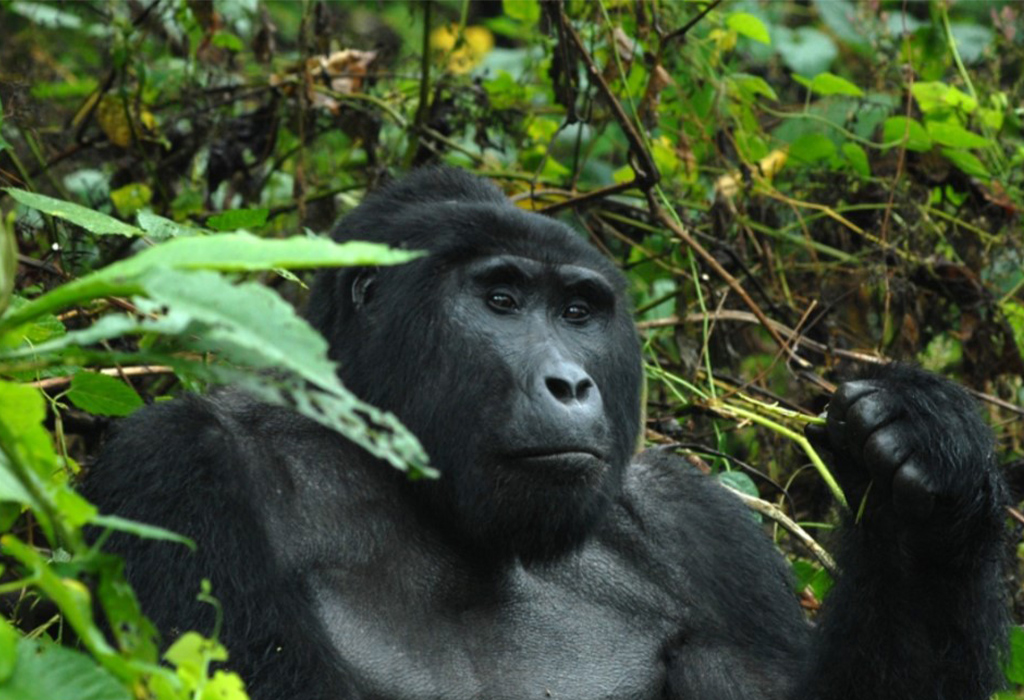
Imagine hiking through a misty rainforest, following the calls of wild birds and the rustling of leaves until you come face-to-face with a family of endangered mountain gorillas. For many travelers, gorilla trekking in Uganda is a once-in-a-lifetime wildlife experience. However, before planning this extraordinary adventure, families need to understand the age restrictions that determine who can participate.
Uganda welcomes visitors from around the world to explore its remarkable gorilla habitats, particularly Bwindi Impenetrable National Park and Mgahinga Gorilla National Park. Nevertheless, not everyone can join a gorilla trekking excursion. The Uganda Wildlife Authority (UWA) sets a minimum age of 15 years for gorilla trekking, helping protect visitors and the endangered primates they come to see.
Whether you are planning a family safari, traveling with teenagers, or organizing your first African wildlife adventure, understanding the age restrictions for gorilla trekking in Uganda will help you prepare a safe, enjoyable, and memorable trip.
What Is the Minimum Age for Gorilla Trekking in Uganda?
The minimum age for gorilla trekking in Uganda is 15 years. Visitors must meet this requirement to participate in a guided trek to see mountain gorillas in their natural habitat.
This rule applies to gorilla trekking experiences in both Bwindi Impenetrable National Park and Mgahinga Gorilla National Park. Rangers and tourism authorities use the age requirement as part of the measures designed to maintain visitor safety and protect the gorillas.
If you are traveling with children younger than 15, you should plan alternative activities for them while eligible family members participate in the trek. This arrangement allows everyone to enjoy Uganda without compromising conservation regulations.
It is also important to confirm the current requirements when booking your gorilla trekking permit, especially if your child will turn 15 shortly before your planned visit. Do not assume that a birthday during the safari automatically makes a child eligible for an earlier scheduled trek.
For a closer look at the experience itself, explore this Uganda gorilla trekking safari.
Why Does Uganda Have an Age Limit for Gorilla Trekking?
The age limit serves several practical purposes. Although seeing mountain gorillas may appear peaceful and straightforward, reaching them often requires considerable physical effort, patience, and responsible behavior.
1. Physical Fitness and Trekking Conditions
Mountain gorillas live in forested, mountainous environments where the terrain can change dramatically within a short distance. Depending on the gorilla family’s location, visitors may hike for several hours through thick vegetation, climb steep slopes, cross muddy ground, and navigate slippery trails.
These conditions can challenge even experienced hikers. Younger children may struggle with the distance, elevation changes, or unpredictable weather, making the journey uncomfortable or unsafe.
By establishing a minimum age, Uganda helps ensure that participants have a greater likelihood of managing the physical demands of the experience. However, age alone does not determine fitness. Teenagers and adults should also prepare for uneven terrain and varying trekking durations.
2. Behavioral Maturity and Visitor Safety
A gorilla encounter requires visitors to follow instructions from trained guides and park rangers. Once the group locates a gorilla family, everyone must remain calm, avoid sudden movements, maintain the required distance, and follow the guides’ directions.
Although mountain gorillas generally display peaceful behavior when left undisturbed, they remain powerful wild animals. Their reactions can be unpredictable, particularly when they feel threatened or stressed.
Children may find it difficult to remain quiet or control their movements throughout an unfamiliar wildlife encounter. The age restriction therefore supports responsible visitor behavior and helps rangers manage trekking groups more effectively.
3. Protecting Gorillas From Human Diseases
Another major reason for the age restriction is disease prevention. Mountain gorillas share a high proportion of their genetic material with humans, making them vulnerable to several human respiratory infections and other communicable diseases.
Even a seemingly mild illness in a person can pose a serious threat to a gorilla. For this reason, visitors must follow strict health precautions, including staying away from gorillas when sick and observing the rules communicated during the pre-trek briefing.
The minimum age requirement forms part of a broader conservation approach. It does not eliminate disease risks on its own, but it works alongside hygiene measures, distance requirements, and ranger supervision to reduce the chances of harmful transmission.
Can Children Under 15 Get an Exception to the Gorilla Trekking Age Limit?
Families sometimes travel to Uganda with children who are 13 or 14 years old and hope to include gorilla trekking in their itinerary. In certain circumstances, they may ask whether a child who is close to the minimum age can receive special permission.
However, do not assume that an exception will be granted. The standard minimum age is 15, and any request for an exception must be confirmed directly with the Uganda Wildlife Authority before making arrangements.
If your child is approaching their 15th birthday, contact the relevant authorities or a licensed safari operator well in advance. Provide the child’s date of birth and intended trekking date, and request written confirmation of eligibility before purchasing permits or finalizing travel plans.
Most importantly, never rely on informal assurances that a child will be allowed to participate. Planning around the official requirements helps prevent disappointment and costly last-minute changes.
What Can Children Under 15 Do During a Uganda Gorilla Safari?
Although children under 15 cannot normally participate in gorilla trekking, Uganda offers plenty of rewarding experiences for families. With thoughtful planning, younger travelers can discover the country’s wildlife, landscapes, and cultural heritage while older family members enjoy their gorilla encounter.
1. Enjoy Family-Friendly Wildlife Safaris
Uganda’s national parks offer opportunities to observe elephants, buffaloes, antelopes, giraffes, and numerous bird species. In suitable locations, families can enjoy guided game drives and boat excursions that introduce children to African wildlife without requiring a demanding forest trek.
Queen Elizabeth National Park is particularly appealing for wildlife viewing, while Murchison Falls National Park combines game drives with impressive river scenery.
Parents should check age policies for individual activities, as some excursions have their own safety requirements.
2. Explore Chimpanzee Tracking Alternatives
Chimpanzee tracking is another exciting primate experience, but families must check its age restrictions carefully. Kibale National Park generally sets a minimum age of 12 years for chimpanzee tracking, so this activity may suit some younger teenagers but not every child under 15.
Children below the applicable minimum age can instead enjoy suitable forest walks, birdwatching, nature activities, or other family-friendly experiences where permitted.
For more ideas, explore chimpanzee tracking tours and learn about Kibale Forest National Park.
3. Discover Local Culture and Community Experiences
Cultural visits provide another meaningful way for children to learn about Uganda. Depending on the destination and the activities available, families can visit local craft markets, experience traditional music and dance, learn about regional customs, or participate in community-led experiences.
Near Bwindi, visitors may also learn about Batwa heritage through organized cultural experiences led by community members. Choose respectful, locally guided activities that recognize the knowledge, history, and contributions of the people involved.
These experiences help children understand that a safari involves more than observing wildlife. It also offers opportunities to appreciate local communities and the conservation work connected to their surrounding landscapes.
How Should Families Prepare for Gorilla Trekking in Uganda?
Once every participant meets the age requirement, careful preparation can make the trek more comfortable and enjoyable.
Choose suitable accommodation. Lodges near Bwindi Impenetrable National Park and Mgahinga Gorilla National Park can reduce early-morning travel and make it easier to reach the designated trekking briefing point. Consider the location of your assigned trekking sector when selecting accommodation.
Pack the right clothing. Sturdy hiking boots, long trousers, long-sleeved shirts, a waterproof jacket, gardening-style gloves, and a small backpack can help you manage muddy trails and thick vegetation. Carry drinking water and any personal essentials recommended by your guide.
Build your fitness gradually. Regular walking, gentle hill climbs, and other moderate exercise can improve your stamina before the trip. You do not need to be an elite athlete, but you should be prepared for a hike whose length and difficulty may vary considerably.
Book your permit in advance. Gorilla trekking permits are limited, and availability can be particularly competitive during popular travel periods. Confirm permit availability, the applicable fees, and the requirements for every participant before committing to flights and accommodation.
Follow all ranger instructions. During the briefing, guides explain the rules that protect both visitors and gorillas. Listen carefully, maintain the required distance, avoid loud noises, and follow instructions throughout the encounter.
When Is the Best Time for Gorilla Trekking in Uganda?
Uganda offers gorilla trekking throughout the year, although weather conditions can influence the difficulty of the hike.
The drier periods, generally June to September and December to February, are popular with visitors because trails may be easier to navigate. However, rainfall can occur at any time, and forest conditions can remain wet even during relatively dry months.
The wetter periods can bring muddier trails and more challenging walking conditions, but they may also appeal to travelers who prefer quieter travel periods or have greater flexibility with their itineraries.
Rather than choosing dates based on weather alone, consider permit availability, your family’s schedule, accommodation options, and the physical demands of the trek.
Final Thoughts: Plan Your Uganda Gorilla Safari Around the Age Requirements
Understanding the age restrictions for gorilla trekking in Uganda is an essential first step when organizing a wildlife safari. The minimum age of 15 helps authorities manage visitor safety, responsible wildlife encounters, and conservation priorities in the country’s mountain gorilla habitats.
Families traveling with younger children do not need to abandon their safari plans. Instead, they can combine wildlife viewing, suitable primate experiences, nature activities, and cultural visits to create an itinerary that works for everyone.
Before booking, verify the latest age requirements and permit conditions with the Uganda Wildlife Authority. With realistic expectations and thoughtful planning, you can experience Uganda’s remarkable natural heritage while helping protect the mountain gorillas that make this destination so special.