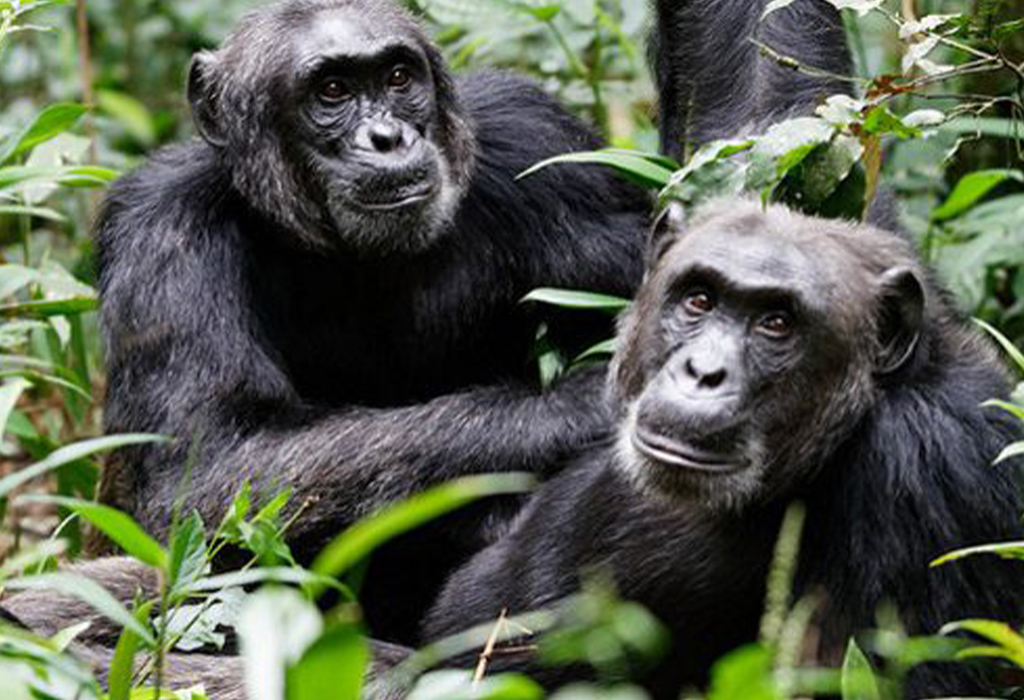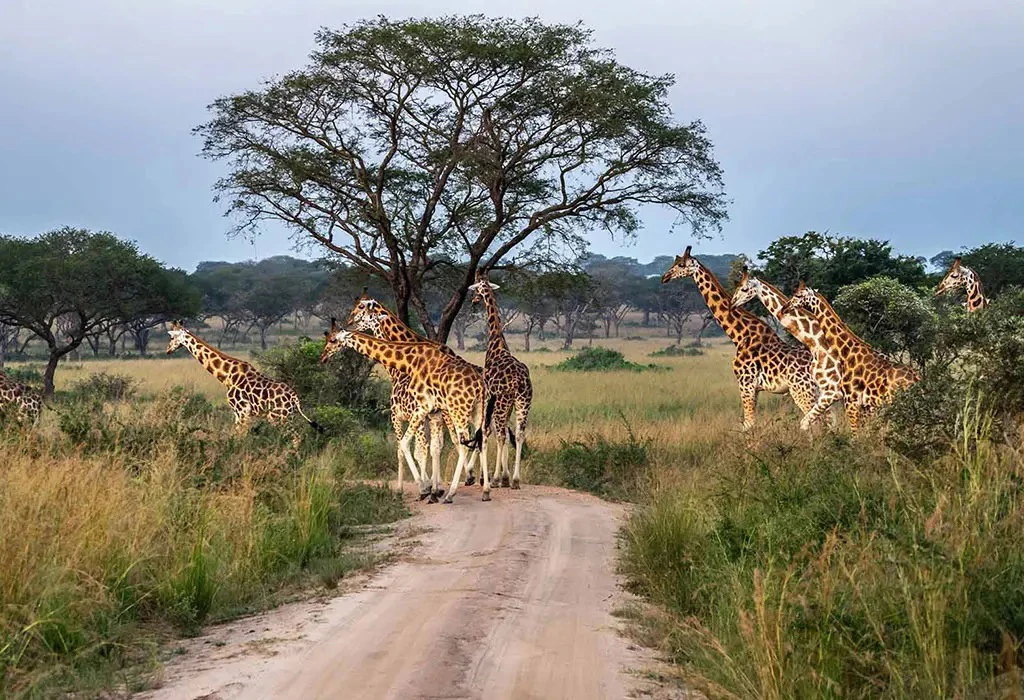
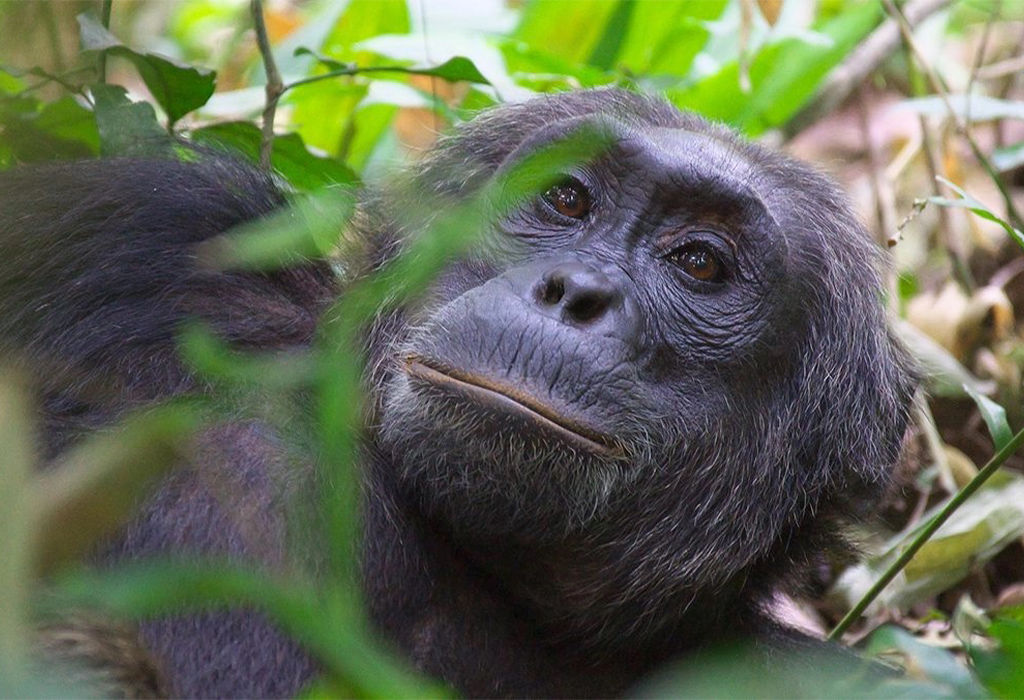

Uganda is one of Africa’s most rewarding destinations for chimpanzee trekking, offering visitors the opportunity to observe these intelligent primates in their natural forest habitats. From the lush tropical rainforest of Kibale National Park to the dramatic landscapes of Kyambura Gorge, travelers can choose from several destinations depending on their budget, travel plans, and wildlife interests.
Understanding the cost of chimpanzee permits in Uganda is an essential part of planning your safari. Permit prices vary according to the trekking destination and the visitor’s residency status. In addition, travellers should consider accommodation, transport, park entry fees where applicable, and other safari expenses when preparing their budgets.
This guide explains the cost of chimpanzee trekking permits in Uganda, where to obtain them, how to book, and what to expect during your forest adventure. With the right preparation, you can choose a suitable destination and enjoy an unforgettable encounter with Uganda’s remarkable chimpanzees.
What Is a Chimpanzee Trekking Permit?
A chimpanzee trekking permit is an official authorization that allows a visitor to participate in a guided trek to observe a habituated chimpanzee community in a designated forest. The permit helps wildlife authorities regulate visitor numbers, protect chimpanzees from unnecessary disturbance, and support conservation activities.
In Uganda, the Uganda Wildlife Authority (UWA) manages permits for chimpanzee trekking in protected areas under its jurisdiction. Other destinations may operate under different management arrangements, so travellers should confirm the relevant booking authority before making payments.
A permit generally covers the authorized trekking experience and the services specified by the relevant operator or authority. However, it does not automatically include accommodation, meals, airport transfers, private transport, or other safari activities.
Your permit details should match your passport information and confirmed trekking date. Therefore, provide accurate personal details during booking and keep your confirmation available when you arrive for the activity.
Beyond granting access to the forest, permit revenue supports wildlife management and conservation initiatives. Responsible tourism can also benefit communities living near protected areas by contributing to local employment and nature-based tourism.
Cost of Chimpanzee Permits in Uganda by Destination
The cost of chimpanzee permits in Uganda depends primarily on where you plan to trek and your visitor category. Kibale National Park is a popular choice because of its established chimpanzee trekking experiences, while Kyambura Gorge, Budongo Forest, and Kalinzu Forest offer alternative settings.
The following prices reflect the figures provided for this guide. Confirm the applicable rates with the relevant authority before booking, as tariffs and eligibility requirements may change.
1. Kibale National Park Chimpanzee Permit Prices
Kibale National Park is one of Uganda’s best-known destinations for chimpanzee trekking. Its tropical rainforest supports diverse wildlife and numerous primate species, making it an excellent choice for visitors interested in primate encounters.
Guided treks take visitors through forest trails in search of habituated chimpanzee communities. Although sightings are not guaranteed, experienced ranger guides use their knowledge of chimpanzee movements and behaviour to help visitors locate them.
The indicative chimpanzee permit prices supplied for Kibale National Park are:
- Foreign non-residents: USD 250 per person.
- Foreign residents: USD 200 per person.
- East African citizens: UGX 180,000 per person.
Kibale is particularly suitable for travelers who want to make chimpanzee trekking the main activity of their safari. Furthermore, its location makes it possible to combine the experience with other wildlife and nature activities in western Uganda.
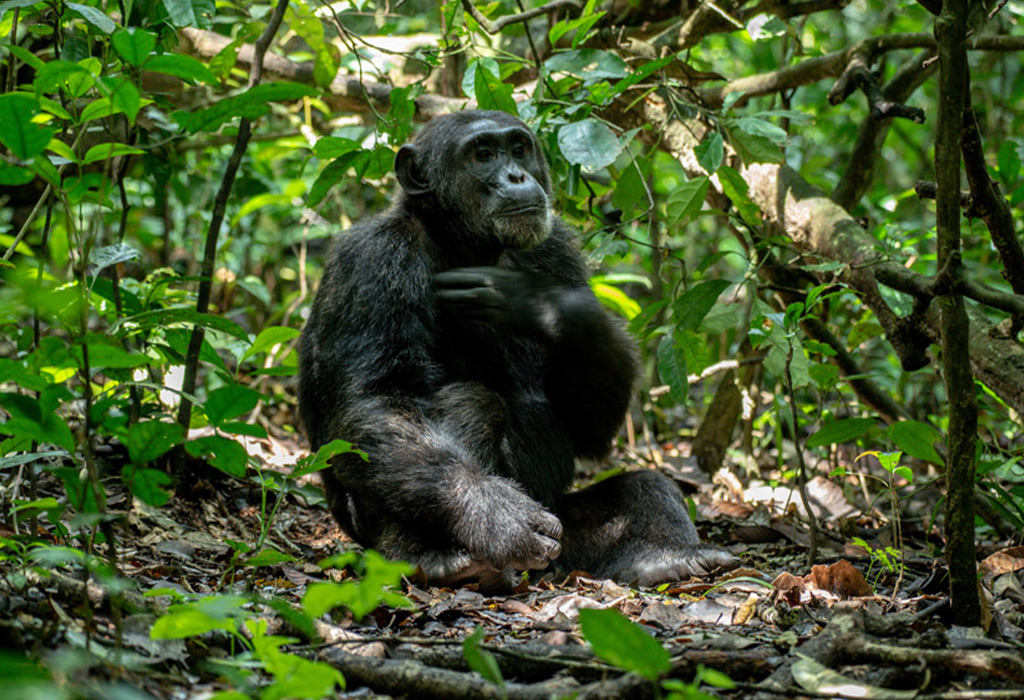 2. Kyambura Gorge Chimpanzee Permit Prices
Kyambura Gorge lies within Queen Elizabeth National Park and provides a striking contrast to the surrounding savannah. A forested gorge cuts through the landscape, creating a distinctive habitat where visitors can search for chimpanzees beneath a canopy of vegetation.
Unlike Kibale’s extensive rainforest, Kyambura offers a more enclosed trekking environment. The steep terrain can make the walk physically demanding, so visitors should prepare for uneven trails and changing weather conditions.
The indicative permit prices provided are:
- Foreign non-residents: USD 100 per person.
- Foreign residents: USD 80 per person.
- East African citizens: UGX 50,000 per person.
Kyambura Gorge is an appealing option for travelers already visiting Queen Elizabeth National Park. As a result, you can combine chimpanzee trekking with game drives, boat safaris along the Kazinga Channel, and other wildlife-viewing activities, subject to your itinerary and available services.
3. Budongo Forest Chimpanzee Permit Prices
Budongo Forest, located in northwestern Uganda near Murchison Falls National Park, is another important destination for chimpanzee trekking. Its extensive woodland and forest habitat support diverse birdlife, other wildlife, and habituated chimpanzee communities.
The Kaniyo Pabidi area is known for chimpanzee tracking experiences, while access to other forest areas depends on management arrangements and authorised activities. Visitors should therefore confirm their precise trekking location before travelling.
The indicative permit prices supplied for Budongo Forest are:
- Foreign non-residents: USD 130 per person.
- Foreign residents: USD 120 per person.
- East African citizens: USD 85 per person.
Budongo works well for travelers exploring Murchison Falls and the surrounding region. In addition to chimpanzee tracking, visitors can enjoy forest walks and birdwatching, depending on the activities available at their chosen site.
4. Kalinzu Forest Chimpanzee Permit Prices
Kalinzu Forest Reserve offers another opportunity to encounter chimpanzees in southwestern Uganda. The reserve features a rich forest ecosystem, scenic walking trails, and diverse birdlife.
Because Kalinzu is relatively accessible from the Queen Elizabeth National Park area, it can be a practical alternative for travelers seeking a chimpanzee trekking experience while exploring western Uganda.
The indicative permit prices provided are:
- Foreign non-residents: USD 130 per person.
- Foreign residents: USD 65 per person.
- East African citizens: USD 65 per person.
Kalinzu may appeal to budget-conscious travelers, particularly those comparing different trekking locations. Nevertheless, always confirm the current rates, payment currency, and booking arrangements with the responsible forest management authority before finalising your itinerary.
How to Book a Chimpanzee Trekking Permit in Uganda
Booking your permit early helps you secure your preferred destination and trekking date, especially during busy travel periods. The process is straightforward when you have the necessary information and understand which authority manages your chosen location.
Follow these steps to arrange your chimpanzee trekking permit:
- Choose your destination. Compare Kibale National Park, Kyambura Gorge, Budongo Forest, and Kalinzu Forest according to your budget, itinerary, and preferred trekking environment.
- Select your trekking date. Decide when you want to visit and whether a morning or afternoon session best suits your travel plans.
- Confirm availability and pricing. Contact UWA or the relevant authorised management office to establish whether permits are available and which tariff applies to you.
- Provide accurate personal details. Submit the passport information requested for your reservation and check that all details are correct.
- Complete the required payment. Follow the official payment instructions and confirm the applicable deposit, balance, and payment deadlines before transferring money.
- Keep your booking confirmation. Save your receipt and permit details, and carry the identification documents required on the day of your trek.
Travelers who prefer assistance can also arrange permits through a reputable safari operator. However, confirm who issues the permit, request clear payment documentation, and establish exactly what the quoted price includes.
Can You Get Last-Minute Chimpanzee Permits in Uganda?
Yes, last-minute chimpanzee permits may be available when spaces remain open for a particular trekking session. However, availability depends on the destination, date, visitor demand, and applicable visitor limits.
Demand often increases during the main travel seasons, particularly from June to September and December to February. Consequently, travelers who wait until the final days may have fewer options or may need to adjust their itineraries.
If you are planning a spontaneous safari, contact the relevant booking office as soon as possible. Ask about available dates, payment deadlines, and the possibility of trekking at an alternative destination.
Although flexibility can help you find an available permit, it is best not to assume that every location will have space. Booking in advance remains the more reliable approach, especially when chimpanzee trekking forms part of a longer Uganda safari.
Chimpanzee Permit Cancellation and Rescheduling Policy
Travel plans sometimes change because of illness, transport problems, or unexpected circumstances. Before paying for a chimpanzee trekking permit, make sure you understand the cancellation, refund, and rescheduling conditions that apply to your reservation.
The refund schedule in the supplied information is as follows, subject to confirmation against the current official policy:
- More than 91 days before trekking: 75% refund.
- Between 46 and 90 days before trekking: 50% refund.
- Between 9 and 45 days before trekking: 25% refund.
- Eight days or fewer before trekking: no refund.
The supplied information also states that these refunds apply to fully paid bookings and that deposits alone may not qualify. However, the applicable terms can depend on the booking conditions and the authority managing the activity. Always request written confirmation before making assumptions about your refund entitlement.
Rescheduling rules also require careful attention. The information provided indicates that one rescheduling may be permitted without charge, while a subsequent change may attract an additional fee. Confirm the required notice period, any surcharge, and the deadline for using a rescheduled permit before changing your plans.
If a ranger or authorized official determines that you cannot participate because of illness, special provisions may apply. Never trek while unwell, particularly if you have symptoms of a respiratory infection, because chimpanzees are vulnerable to human-borne diseases.
Important Chimpanzee Permit Booking Guidelines
Before securing your permit, review the payment conditions and booking requirements carefully. These details help prevent misunderstandings and ensure that your reservation remains valid.
Keep the following points in mind:
- Payment deadlines: Confirm whether you must pay the full amount immediately or whether an authorized deposit arrangement is available.
- Permit validity: Check that the permit covers the correct destination, date, and trekking session.
- Personal details: Ensure that the name and identification information on the reservation match your travel documents.
- Non-transferability: Do not assume you can transfer a permit to another person or exchange it for a different activity.
- Booking changes: Ask about the rules for cancellations, rescheduling, and changes to visitor details.
- Official receipts: Keep proof of payment and all correspondence relating to your reservation.
These precautions are especially important when booking several activities across different national parks. A clear record of each reservation makes it easier to coordinate transport, accommodation, and trekking schedules.
Best Time for Chimpanzee Trekking in Uganda
Uganda offers chimpanzee trekking throughout much of the year, although weather conditions can influence the experience. The drier periods, generally from June to September and December to February, often provide more manageable trail conditions.
During these months, forest paths may be less muddy, making some sections easier to navigate. However, dry weather does not guarantee easy trekking, because chimpanzees move through large areas in search of food.
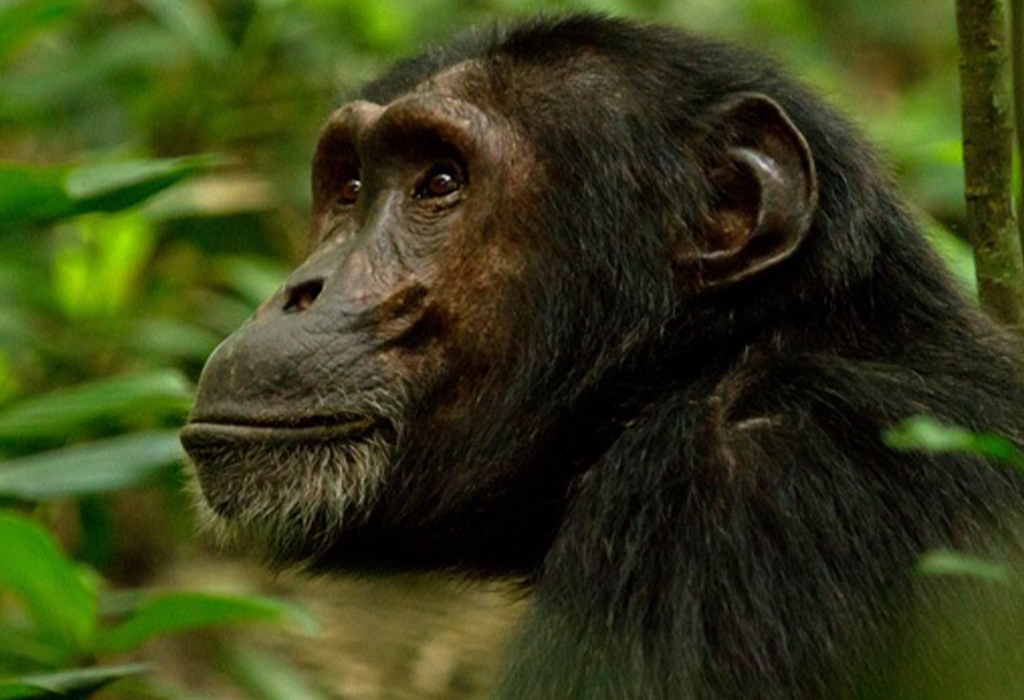 The wetter months, particularly April, May, October, and November, can bring heavier rainfall and slippery trails. On the other hand, the forest becomes lush, and visitors may enjoy quieter conditions depending on demand and destination.
When choosing your trekking date, consider more than the weather alone. Your budget, accommodation availability, transport arrangements, and overall safari itinerary also matter. Morning treks may suit travellers who want to begin early, but the best session depends on the destination and available permits.
Essential Rules for Chimpanzee Trekking
Following the ranger guide’s instructions protects both visitors and chimpanzees. Before entering the forest, attend the briefing and familiarise yourself with the rules for responsible wildlife viewing.
During the trek:
- Maintain the minimum distance specified by your ranger and current park regulations.
- Keep your voice low and avoid sudden movements.
- Never feed, touch, chase, or attempt to attract chimpanzees.
- Do not use flash photography.
- Avoid trekking if you feel unwell, particularly if you have flu-like or respiratory symptoms.
- Stay with your group and follow your guide’s instructions.
- Avoid littering and take all waste out of the forest.
Responsible behaviour reduces disturbance and helps protect chimpanzees from diseases that humans can transmit. It also creates a safer, more respectful experience for everyone in the group.
What to Pack for Chimpanzee Trekking in Uganda
Good preparation makes a significant difference when walking through a tropical forest. Even during the drier months, rainfall can occur, and trails may be uneven, muddy, or steep.
Pack the following essentials:
- Waterproof hiking boots with a reliable grip.
- Long-sleeved shirts and long trousers.
- A lightweight rain jacket.
- Insect repellent.
- Drinking water and suitable snacks, where permitted.
- Binoculars for observing wildlife and birds.
- A camera with a zoom lens and its flash disabled.
- A small backpack for your essentials.
- Sunscreen and any personal items you may need.
Choose comfortable clothing that protects your arms and legs from vegetation and insects. In addition, eat breakfast before your trek and use the available facilities before entering the forest, as access to facilities may be limited during the walk.
Final Thoughts on the Cost of Chimpanzee Permits in Uganda
Understanding the cost of chimpanzee permits in Uganda helps you plan a realistic safari budget and choose a destination that suits your interests. Kibale National Park offers a popular rainforest experience, while Kyambura Gorge, Budongo Forest, and Kalinzu Forest provide alternative opportunities to explore Uganda’s rich primate habitats.
Before booking, confirm the latest permit prices, availability, payment arrangements, and cancellation rules with the relevant authority. Remember to budget separately for transport, accommodation, meals, and any additional activities that are not included in your permit.
With early planning, suitable equipment, and respect for wildlife regulations, chimpanzee trekking can become one of the most memorable highlights of your Uganda safari. Whether you choose a renowned rainforest or a quieter forest reserve, the experience offers a valuable opportunity to appreciate wild chimpanzees while supporting responsible conservation tourism.