
Crater Lakes in Kibale National Park
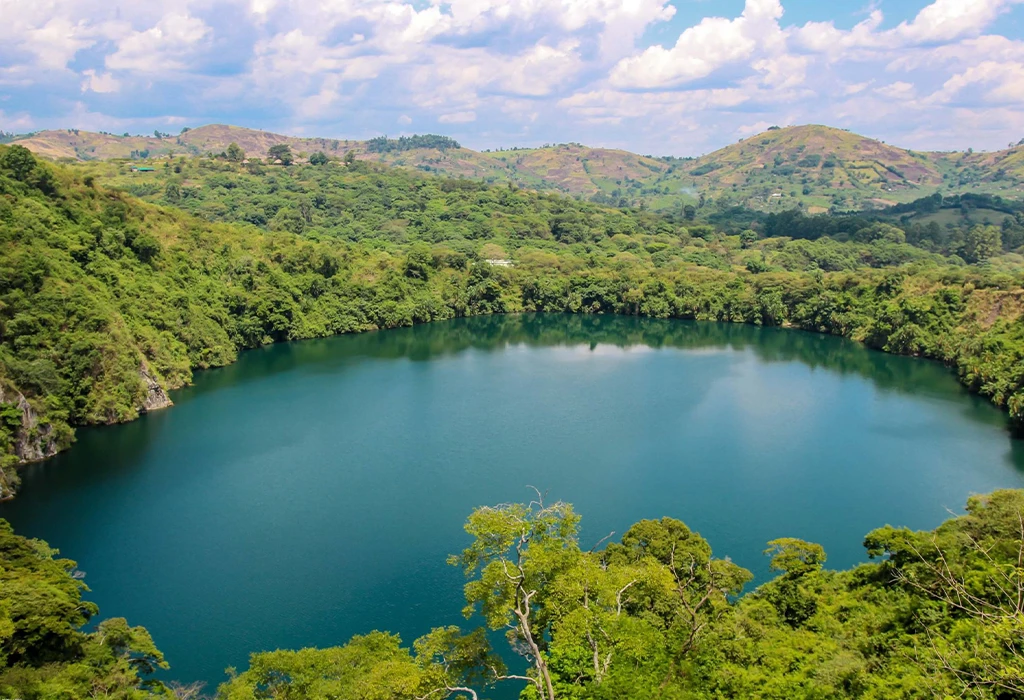
The crater lakes in Kibale National Park are among the most beautiful natural attractions in Uganda. Formed by ancient volcanic activity, these scenic lakes are scattered across the famous Ndali–Kasenda Crater Field, creating a spectacular landscape of forested hills, sparkling waters, and panoramic viewpoints. While Kibale National Park is best known for its remarkable chimpanzee trekking experiences, the nearby crater lakes add another dimension to any safari by offering breathtaking scenery, nature walks, birdwatching, cultural encounters, and peaceful relaxation.
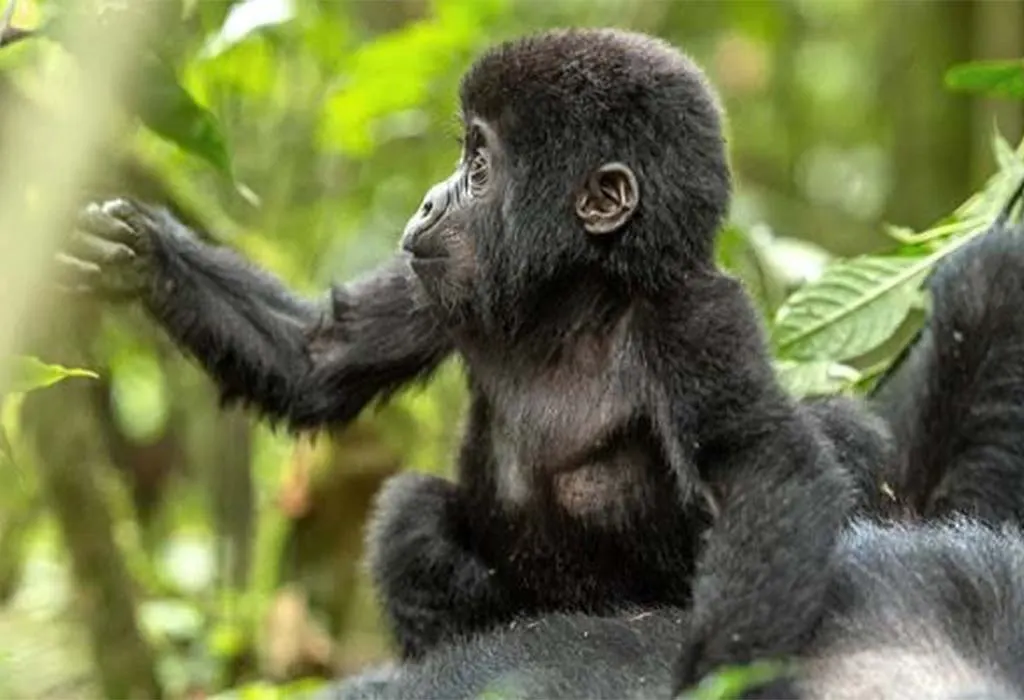
Located in western Uganda, Kibale National Park lies approximately 350 kilometres from Kampala, a journey of about six hours by road. The park protects one of East Africa’s largest tropical rainforests and is renowned for its incredible biodiversity. It is home to 13 primate species, including chimpanzees, black-and-white colobus monkeys, red-tailed monkeys, vervet monkeys, L’Hoest’s monkeys, and olive baboons. Other wildlife found within the park includes forest elephants, bush pigs, giant forest hogs, bushbucks, duikers, pangolins, warthogs, and more than 375 recorded bird species.
Just south of the park lies the Ndali–Kasenda Crater Field, a remarkable region containing dozens of volcanic crater lakes. Together, these lakes create one of Uganda’s most picturesque landscapes and provide visitors with endless opportunities for exploration and photography.
The Ndali–Kasenda Crater Lakes
The Ndali–Kasenda Crater Lakes are located approximately 25 kilometres south of Fort Portal, between Kibale National Park and Queen Elizabeth National Park. The region contains more than 50 crater lakes of varying sizes and depths, each with its own distinctive character.
Some lakes contain crystal-clear freshwater suitable for swimming, while others contain mineral-rich waters that appear green because of volcanic minerals beneath the surface. A few lakes emit a sulphur smell and are unsuitable for swimming due to their chemical composition. Together, these lakes create an extraordinary volcanic landscape surrounded by rolling hills, lush forests, tea plantations, and small farming communities.
One of the most popular viewpoints in the region is known as the Top of the World. This elevated viewpoint offers sweeping views across the crater lakes, Kibale Forest, the majestic Rwenzori Mountains, Lake George, tea plantations, and the Kichwamba Escarpment of the Albertine Rift Valley. It is one of the finest viewpoints in western Uganda and a favourite stop for photographers.
In addition, the fertile volcanic soils surrounding the crater lakes support productive agriculture. Local communities grow crops such as bananas, maize, beans, and especially Arabica coffee, making coffee tours an increasingly popular activity for visitors interested in agro-tourism.
Formation of the Crater Lakes
The Ndali–Kasenda crater lakes were formed thousands of years ago through powerful volcanic explosions. During these eruptions, underground magma came into contact with groundwater, causing violent explosions that blasted out large depressions in the landscape. Ash, lava, and volcanic debris accumulated around the edges, creating circular crater rims.
Over time, rainfall filled many of these craters with water, forming the beautiful lakes that visitors see today. Some depressions remained dry, while others developed into wetlands. The result is a unique volcanic landscape that has become one of Uganda’s most scenic destinations.
Lake Nkuruba
Lake Nkuruba is one of the best-known crater lakes near Kibale National Park. Located about 25 kilometres south of Fort Portal, the lake is surrounded by dense indigenous forest that has remained largely untouched by deforestation.
The lake forms part of a community-managed nature reserve that supports conservation while generating income for local education projects. Visitors can enjoy guided forest walks, canoe rides, birdwatching, swimming, and hikes to nearby crater lakes. Nature trails also lead to Mahoma Falls and several scenic viewpoints overlooking the surrounding countryside.
 The forests around Lake Nkuruba support numerous primates, including red colobus monkeys, black-and-white colobus monkeys, red-tailed monkeys, vervet monkeys, and, on occasion, chimpanzees. Other wildlife includes squirrels, banded mongooses, butterflies, reptiles, and many colourful bird species.
Camping beside the lake is another memorable experience, allowing visitors to enjoy peaceful evenings surrounded by forest sounds.
Lake Nyabikere
Lake Nyabikere, whose name translates as “Lake of Frogs,” lies about 18 kilometres from Kibale National Park. It is among the closest crater lakes to Fort Portal and serves as an excellent starting point for exploring the surrounding crater region.
Visitors can hike between Lake Nyabikere, Lake Nkuruba, and several neighbouring crater lakes while enjoying spectacular scenery along the way. Local canoe rides also provide a relaxing way to experience the lake from the water.
Furthermore, visitors can participate in guided village walks, where they learn about local traditions, sample traditional foods, visit farms, and interact with nearby communities. The peaceful setting also makes the lake an excellent place for birdwatching and photography.
Lake Nyinambuga
Lake Nyinambuga is widely regarded as one of Uganda’s most photogenic crater lakes. Its striking blue and green waters are surrounded by forest-covered crater walls that create unforgettable scenery.
The lake is especially famous because its image appears on Uganda’s 20,000-shilling banknote, making it one of the country’s most recognisable natural landmarks.
The surrounding forests support numerous bird species, butterflies, primates, and small mammals. Visitors often stop here to admire the stunning views and capture some of the best landscape photographs in western Uganda.
Lake Lyantonde
Lake Lyantonde lies west of Lake Nyinambuga and offers excellent hiking opportunities through the crater landscape. The surrounding trails provide beautiful views of forests, farmland, and neighbouring crater lakes.
Many visitors combine hikes around Lake Lyantonde with chimpanzee trekking in Kibale National Park, creating a rewarding combination of wildlife encounters and scenic exploration.
Lake Kifuruka
Lake Kifuruka is another attractive crater lake located about 24 kilometres from Fort Portal. The lake is known for its peaceful atmosphere and beautiful natural surroundings.
Visitors can enjoy guided nature walks, canoeing, birdwatching, and sport fishing on selected sections of the lake. Community tourism initiatives also allow travellers to learn about local culture while supporting sustainable conservation efforts.
Other Crater Lakes in the Region
Besides the more popular lakes, the Ndali–Kasenda Crater Field contains numerous other scenic lakes, including Lake Nyamasagari, Lake Ntambi, Lake Mubiro, Lake Nyanswiga, and Lake Nyinabulitwa. Each lake has unique landscapes and contributes to the remarkable beauty of this volcanic region.
Activities Around the Crater Lakes
The crater lakes offer a wide range of activities that perfectly complement chimpanzee trekking in Kibale National Park.
Birdwatching is one of the most rewarding experiences, as the forests and wetlands surrounding the lakes attract hundreds of bird species. Visitors may spot the Great Blue Turaco, Black-and-white Casqued Hornbill, Olive Long-tailed Cuckoo, Western Tinkerbird, Papyrus Gonolek, White-winged Warbler, Grey Parrot, and many colourful forest birds.
Primate viewing is equally rewarding. Forest trails around several crater lakes provide opportunities to observe black-and-white colobus monkeys, red colobus monkeys, red-tailed monkeys, vervet monkeys, olive baboons, and occasionally chimpanzees. Forest elephants, bushbucks, warthogs, and numerous smaller mammals may also be encountered.
Nature walks and hiking are among the highlights of the crater region. Guided walks lead visitors through forests, tea plantations, coffee farms, community villages, and scenic viewpoints. The famous Top of the World viewpoint rewards hikers with magnificent views of Kibale Forest, the Rwenzori Mountains, Lake George, and the surrounding crater lakes.
Swimming is possible in selected freshwater crater lakes that are considered safe. However, visitors should always seek guidance before entering any lake, as some contain mineral-rich or sulphuric waters that are unsuitable for swimming.
Cycling has also become increasingly popular. Guided cycling tours follow quiet village roads and forest trails, allowing visitors to explore several crater lakes while enjoying spectacular scenery and observing wildlife along the route.
Finally, canoeing provides a peaceful way to experience the tranquil waters of some crater lakes. Traditional wooden canoes allow visitors to appreciate the surrounding volcanic landscapes from a unique perspective, while sport fishing is available on selected lakes where conditions permit.
Conclusion
The crater lakes of Kibale National Park and the surrounding Ndali–Kasenda Crater Field offer one of Uganda’s most scenic and rewarding destinations. Their volcanic origins, stunning landscapes, rich biodiversity, and welcoming local communities combine to create an unforgettable travel experience. Whether you are interested in hiking, birdwatching, photography, canoeing, cultural encounters, or simply relaxing amidst breathtaking scenery, the crater lakes provide the perfect complement to chimpanzee trekking and wildlife safaris in western Uganda. Together, they showcase another remarkable side of the Pearl of Africa that continues to captivate visitors from around the world.