
Cultural Tourism in Uganda
Cultural tourism in Uganda offers visitors an opportunity to discover the country’s rich traditions, customs, history, and way of life while interacting with local communities. Unlike wildlife tourism, which focuses on animals and landscapes, cultural tourism introduces travelers to Uganda’s diverse ethnic heritage, traditional ceremonies, music, dance, cuisine, crafts, and historical sites. It enables visitors to gain meaningful knowledge, appreciate different lifestyles, and create memorable experiences through direct participation in cultural activities.
As one of Africa’s most culturally diverse nations, Uganda provides countless opportunities for travelers seeking authentic cultural encounters. Cultural tourism is community-based and encourages local participation, ensuring that tourism benefits the people who preserve these traditions. Revenue generated through cultural tourism supports local livelihoods, promotes cultural preservation, and contributes to sustainable community development.
Uganda’s Rich Cultural Diversity
Uganda is widely known for its spectacular wildlife, breathtaking scenery, numerous bird species, and remarkable cultural heritage. The country’s cultural diversity is one of its greatest attractions, with more than 56 recognized ethnic groups, each possessing unique customs, languages, beliefs, music, dances, dress codes, and traditional lifestyles.
Several well-established traditional kingdoms continue to play an important role in preserving Uganda’s cultural identity. These include the kingdoms of Buganda, Bunyoro, Toro, and Busoga, which have maintained their royal institutions, ceremonies, and historical traditions for generations. Besides these kingdoms, Uganda is home to numerous chiefdoms and indigenous communities that contribute to the nation’s cultural richness.
Among the many ethnic groups are the Banyankole of western Uganda, famous for rearing the iconic long-horned Ankole cattle, the Karamojong of northeastern Uganda, renowned for their pastoral lifestyle and colorful traditions, the Bakiga of southwestern Uganda, the Basoga of eastern Uganda, the Iteso, Acholi, Alur, Bagisu, Banyoro, and the Batwa people who traditionally lived within the forests surrounding Bwindi Impenetrable National Park. Each community has maintained distinctive customs that continue to attract both local and international visitors.
According to Uganda’s national population statistics, Christianity is practiced by the majority of the population, while Islam is the second-largest religion. Traditional African beliefs also remain influential in many communities, particularly during ceremonies involving ancestral worship, healing rituals, marriage, and birth celebrations. This religious diversity blends harmoniously with Uganda’s cultural traditions, creating unique experiences for visitors.
Uganda is also linguistically diverse. English serves as the official language, while Swahili is widely spoken across the country. In addition, numerous indigenous languages belonging mainly to the Bantu and Nilotic language families are spoken throughout different regions, reflecting the country’s multicultural identity.
Traditional Dress in Uganda
Traditional clothing remains an important symbol of identity, pride, and heritage in Uganda. Different communities wear distinctive attire during ceremonies, weddings, festivals, royal events, and other important cultural occasions.
The kanzu is recognized as Uganda’s traditional men’s attire. This long white robe is commonly worn during formal occasions, especially among the Baganda and several other ethnic communities. Men often complement the kanzu with jackets during weddings and official ceremonies.
Women in central and eastern Uganda traditionally wear the gomesi, a colorful floor-length dress with wide sleeves and a sash tied around the waist. The gomesi is widely regarded as one of Uganda’s most recognizable traditional garments and is commonly worn during marriage ceremonies, cultural festivals, and family celebrations.
In western and northwestern Uganda, women traditionally wrap themselves in a long cloth known as the suuka, draping it gracefully around the waist and shoulders. In southwestern Uganda, women also wear long flowing skirts paired with matching shoulder cloths. These traditional outfits continue to reflect cultural identity while preserving customs that have existed for centuries.
Traditional Music and Dance
Music, dance, and drama are central to Uganda’s cultural heritage. They serve not only as entertainment but also as important tools for education, storytelling, communication, and preserving history. Through songs and performances, communities pass cultural values, historical events, moral lessons, and social traditions from one generation to another.
Every ethnic group in Uganda has unique dances performed during celebrations, ceremonies, and community gatherings. The Bagisu perform the famous Imbalu dance during their traditional male circumcision ceremonies. The Banyankole are known for the energetic Kitagururo dance, while the Alur perform the graceful Agwal dance. Among the Acholi, the Bwola and Otole dances are performed during important communal celebrations, whereas the Banyoro celebrate with the lively Runyege dance. These performances showcase colorful costumes, rhythmic drumming, and coordinated movements that captivate audiences.
Traditional musical instruments also play an essential role in Ugandan culture. Common instruments include drums, xylophones, harps, flutes, lyres, and thumb pianos. Among them, the drum holds special cultural significance. Traditionally made from carefully prepared animal skins stretched over wooden frames, drums accompany dances, royal ceremonies, religious rituals, weddings, funerals, initiation ceremonies, and cultural festivals. In many communities, drum rhythms also communicate specific messages, signaling important events or gatherings.
Traditional Cuisine
Uganda’s traditional cuisine offers visitors another fascinating way to experience the country’s cultural diversity. Every region has signature dishes prepared using locally available ingredients and traditional cooking techniques that have been preserved for generations.
One of the most celebrated dishes is Luwombo, a delicacy traditionally associated with the Baganda. This flavorful meal is steamed in banana leaves, allowing meat, chicken, or groundnut sauce to absorb rich natural flavors.
Among the Banyankole, Eshabwe is a unique sauce prepared from ghee and other natural ingredients without direct cooking over fire. The Iteso are well known for Atapa, a millet-based staple food commonly served with vegetables or meat. In northern Uganda, the Acholi prepare Malakwang, a nutritious sour vegetable dish often served with millet bread or sweet potatoes.
Exploring Uganda’s traditional foods provides visitors with an authentic taste of local culture while highlighting the country’s agricultural diversity and culinary heritage.
 Uganda is home to numerous cultural and historical sites that preserve centuries of tradition and history. These destinations allow visitors to learn about ancient kingdoms, religious beliefs, royal institutions, and indigenous communities.
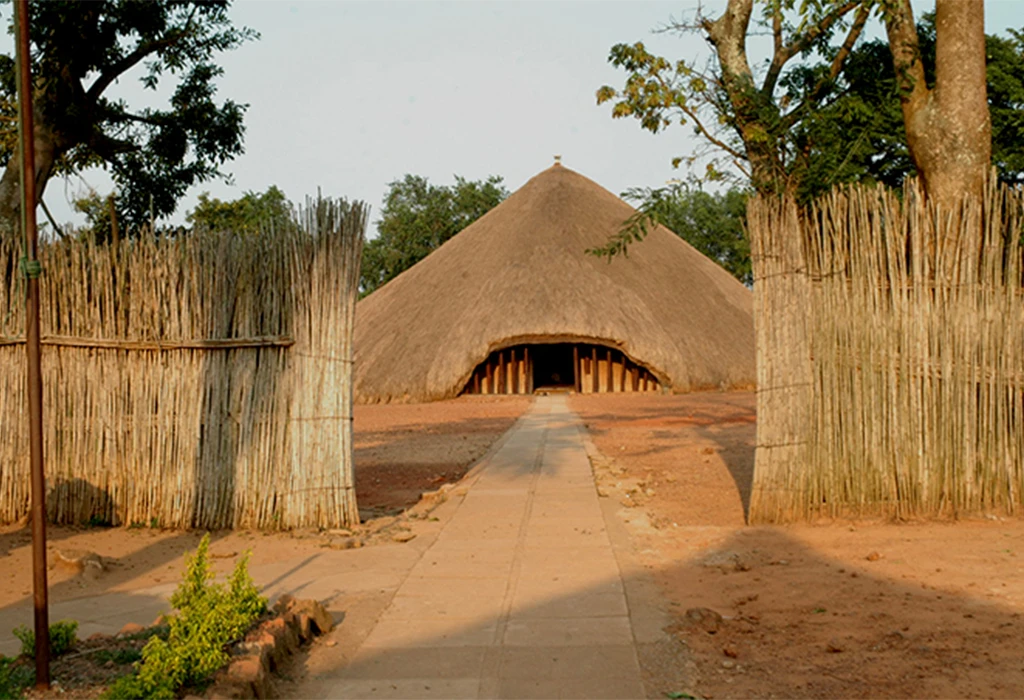
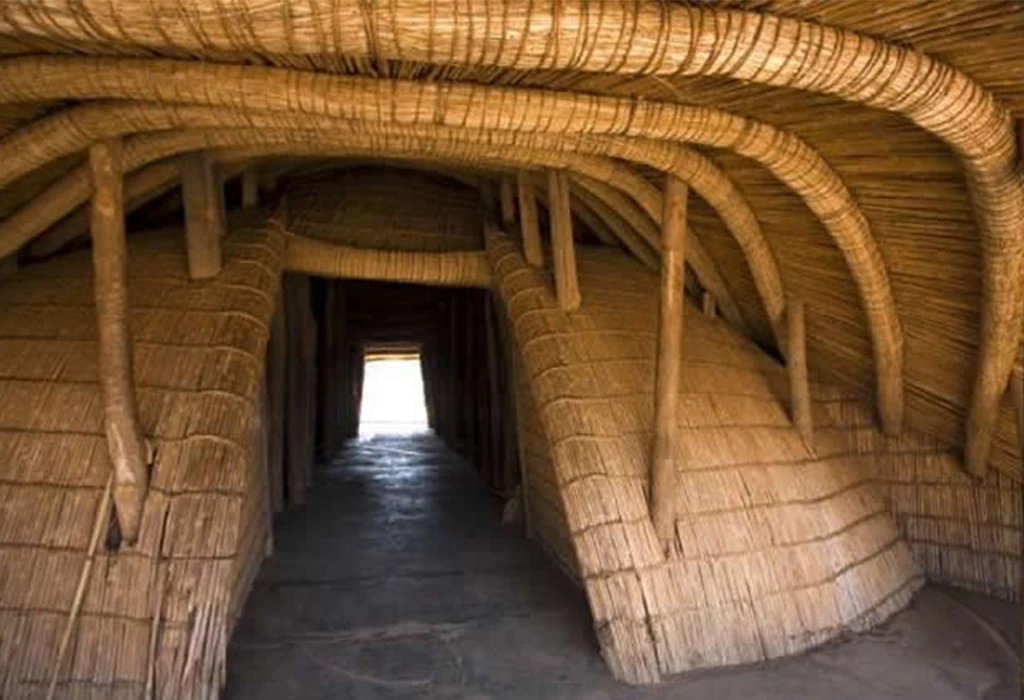
Among the most significant cultural attractions are the Kasubi Tombs, located approximately five kilometers from Kampala on Kasubi Hill. Recognized as a UNESCO World Heritage Site, the tombs serve as the royal burial grounds for the kings of the Buganda Kingdom, known as Kabakas. The site remains an active spiritual and cultural center where traditional Buganda rituals continue to be observed with great respect.
Another important destination is the Igongo Cultural Centre near Mbarara. The center features a well-curated museum showcasing the history, traditions, and lifestyle of the Banyankole people. Visitors can explore historical artifacts, traditional architecture, local cuisine, and cultural performances while gaining a deeper understanding of Ankole heritage.
The Kabale Arts Centre, located in southwestern Uganda, highlights the history and traditions of the Bakiga community. Its museum presents historical exhibits explaining cultural practices, resistance to colonial rule, and the evolution of local customs over time.
Other notable cultural attractions include Ssezibwa Falls, the Namugongo Martyrs Shrine, the Nakayima Tree in Mubende District, the Nyero Rock Paintings, Kabaka’s Lake, the Nkokonjeru Tombs in Kakiika, the Uganda Museum, the Wamala Tombs, and the Katereke Prison Ditch. These sites preserve Uganda’s cultural history and offer visitors valuable insights into the country’s rich heritage.
Why Cultural Tourism Matters
Cultural tourism plays a vital role in preserving Uganda’s traditions while creating sustainable economic opportunities for local communities. It encourages the protection of historical sites, traditional knowledge, languages, crafts, music, and indigenous practices that might otherwise disappear over time.
For travelers, cultural tourism provides meaningful interactions that go beyond sightseeing. Visitors can participate in traditional dances, enjoy authentic local cuisine, learn traditional crafts, attend cultural festivals, and engage directly with local communities. These experiences foster mutual understanding, promote cultural appreciation, and create lasting memories.
As Uganda continues to develop its tourism sector, cultural tourism remains one of the country’s greatest strengths. Combined with its remarkable wildlife, stunning landscapes, and warm hospitality, Uganda offers an unforgettable destination where visitors can experience both natural beauty and one of Africa’s richest cultural heritages.