
How Difficult Is Chimpanzee Trekking in Nyungwe Forest National Park?
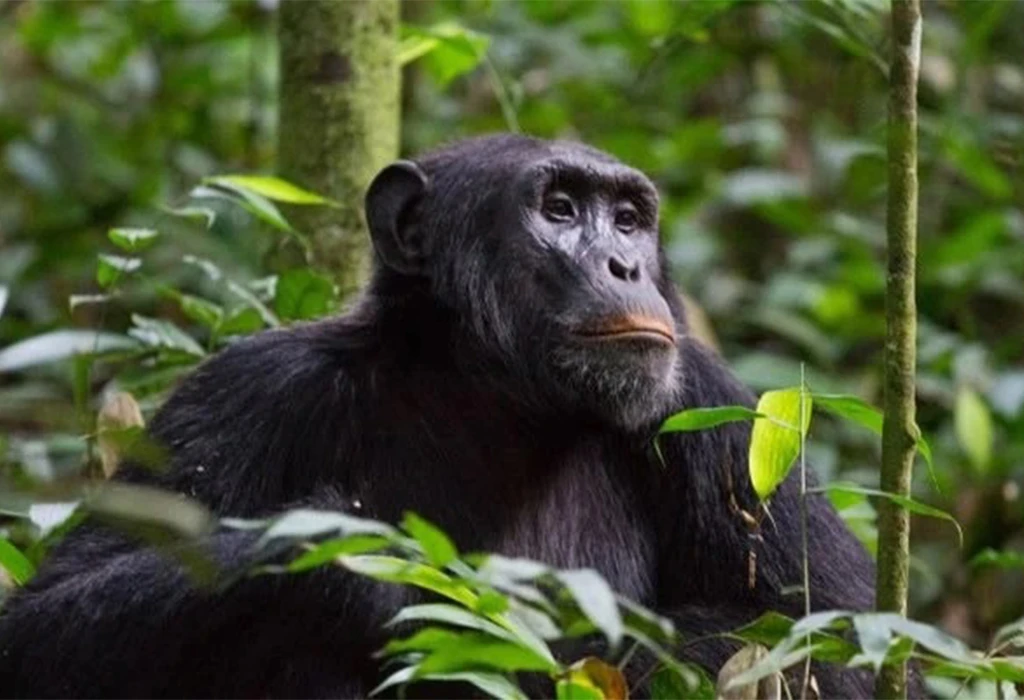
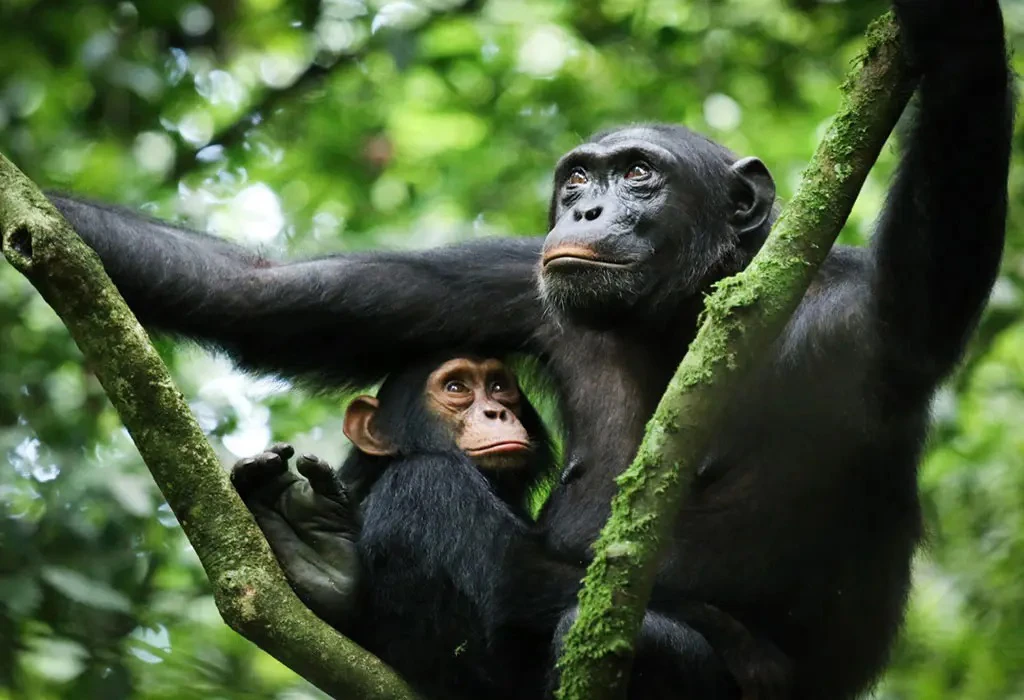
Chimpanzee trekking in Nyungwe Forest National Park is one of Rwanda’s most exciting wildlife experiences. It offers visitors the rare opportunity to observe wild chimpanzees in their natural rainforest habitat while exploring one of Africa’s oldest and most biologically diverse montane forests. Although the trek can be physically demanding, the experience is incredibly rewarding for travelers who enjoy nature, wildlife, and adventure.
How Difficult Is Chimpanzee Trekking in Nyungwe Forest?
The level of difficulty varies from one trek to another because chimpanzees move freely through the forest in search of food. Some visitors locate them within an hour, while others spend several hours hiking before reaching the troop. On average, a chimpanzee trek lasts between two and six hours, including the hike to and from the chimpanzees. Once the animals are located, visitors are allowed to spend one unforgettable hour observing and photographing them.
Understanding the Terrain in Nyungwe Forest National Park
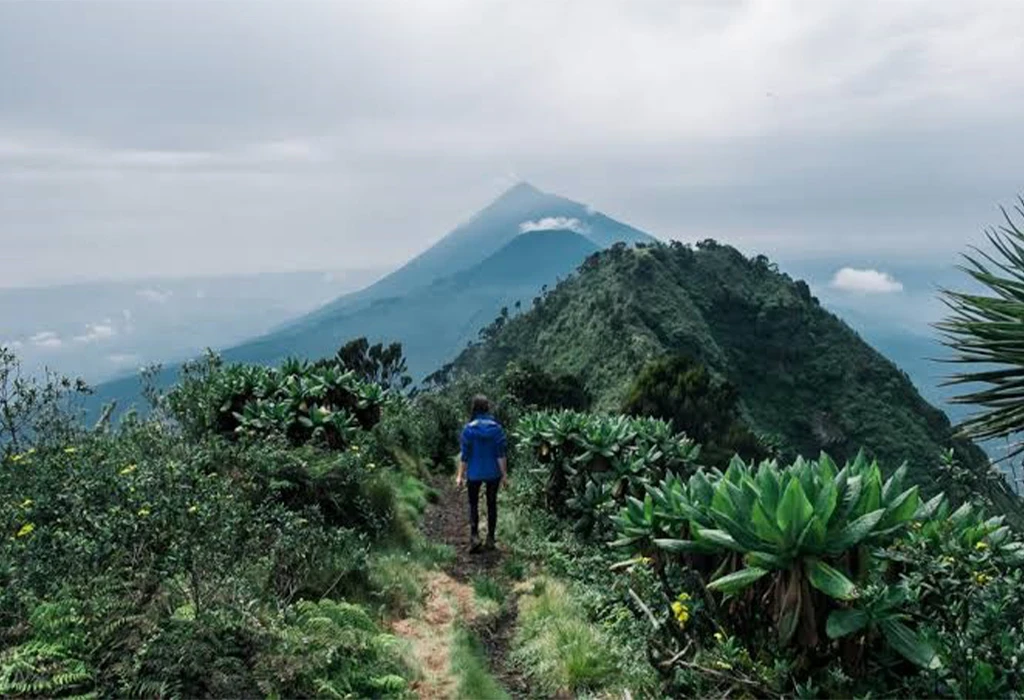
The terrain in Nyungwe Forest National Park is one of the main factors that determine how challenging the trek will be. The park features thick rainforest vegetation, winding trails, rolling hills, steep slopes, and occasional muddy sections, especially after rainfall. Walking through this untouched forest requires balance, patience, and a moderate level of physical fitness. However, experienced park guides carefully lead every group and adjust the pace whenever necessary, making the activity suitable for most healthy travelers.
Trekking Through Dense Rainforest Vegetation
Nyungwe’s dense vegetation adds to both the challenge and the beauty of the experience. Towering trees, hanging vines, ferns, and thick undergrowth create a spectacular rainforest environment that feels completely untouched. At times, trekkers must carefully navigate narrow paths while listening for the calls of chimpanzees echoing through the forest canopy. Although visibility may be limited because of the thick vegetation, this natural setting makes every wildlife encounter feel even more authentic.
Climbing the Steep Slopes of Nyungwe Forest
The steep hills found throughout the park also contribute to the trek’s physical demands. Some sections involve climbing uphill or descending slippery trails, particularly during the rainy seasons. Good hiking boots with excellent grip are highly recommended because the forest floor can become muddy and uneven. Despite these challenges, every climb is rewarded with breathtaking views of the forest canopy, colorful birdlife, and the excitement of tracking one of humanity’s closest relatives.
Physical Fitness Required for Chimpanzee Trekking
Chimpanzee trekking is best suited for visitors with a moderate level of fitness. While professional athletes are not required, participants should be comfortable walking for several hours across uneven terrain. Preparing with regular walks, light hiking, or simple cardio exercises before your safari can make the experience much more enjoyable. Guides frequently allow short breaks whenever needed, ensuring that everyone has enough time to rest and appreciate the surrounding scenery.
What to Expect During the Trek
One of the most exciting aspects of chimpanzee trekking is its unpredictability. Unlike animals that remain in one location, chimpanzees travel continuously through the forest searching for fruits, leaves, and other food sources. Rangers begin tracking them early each morning before visitors arrive, increasing the chances of successful sightings. Even so, every trek is different, making each experience unique and memorable.
Treks normally begin early in the morning with a briefing at the park headquarters. During the briefing, park rangers explain the trekking guidelines, safety procedures, and conservation rules before leading visitors into the forest. Along the way, guides share fascinating information about Nyungwe’s ecosystem, medicinal plants, birdlife, butterflies, and the many primates that inhabit the park. Besides chimpanzees, visitors may also encounter black-and-white colobus monkeys, L’Hoest’s monkeys, blue monkeys, grey-cheeked mangabeys, and several other primate species.
Weather Conditions in Nyungwe Forest
Weather conditions in Nyungwe Forest can change quickly throughout the day. Sunshine may suddenly give way to mist or light rainfall, even during the dry season. For this reason, visitors should always carry a lightweight waterproof jacket. The cool mountain climate makes long-sleeved clothing ideal for staying comfortable while protecting against insects and scratches from vegetation.
Nyungwe Chimpanzee Trekking Permit
Obtaining a chimpanzee trekking permit is essential before visiting the park. The permit allows visitors to participate in a guided trek and supports wildlife conservation efforts within the protected area. Current permit fees are USD 250 for foreign non-residents, USD 75 for foreign residents, and USD 25 for East African citizens. Because permits are limited each day, advance booking is strongly recommended, particularly during the peak tourism seasons between June and September and from December to February.
 Other Activities in Nyungwe Forest National Park
Chimpanzee trekking is only one of the many activities available in Nyungwe Forest National Park. The famous canopy walkway provides spectacular views high above the rainforest floor as visitors cross a suspended bridge approximately 60 meters above the ground. The experience offers excellent opportunities to spot birds, monkeys, and the endless green canopy stretching across the mountains.
Birdwatching is another highlight of the park. With more than 300 recorded bird species, including numerous Albertine Rift endemics, Nyungwe is considered one of Africa’s finest birding destinations. Whether walking through the forest trails or exploring the canopy walkway, bird enthusiasts have excellent opportunities to observe colorful and rare species throughout the year.
Nature walks offer another rewarding way to explore the park’s remarkable biodiversity. Guided hiking trails pass through beautiful valleys, waterfalls, bamboo forests, and scenic viewpoints while providing opportunities to discover orchids, giant ferns, butterflies, reptiles, and countless plant species. One of the most popular hikes leads to the magnificent Isumo Waterfall, where cascading water flows dramatically through a narrow rocky gorge surrounded by dense rainforest.
Visitors can also explore nearby tea plantations that surround the national park. These plantations provide insight into Rwanda’s tea industry while offering beautiful panoramic views of the rolling hills covered with neatly arranged tea bushes. Some guided visits even allow guests to learn about tea cultivation, harvesting, processing, and tasting freshly prepared Rwandan tea.
For travelers seeking a more demanding adventure, hiking Mount Bigugu offers exceptional panoramic views across Nyungwe Forest and, on clear days, distant views of Rwanda’s volcanic mountains.
What to Pack for Chimpanzee Trekking
Packing appropriately plays a major role in ensuring a comfortable trekking experience. Waterproof hiking boots, long trousers, long-sleeved shirts, gardening gloves, gaiters, insect repellent, sunscreen, drinking water, snacks, binoculars, and a camera are all highly recommended. Neutral-colored clothing blends better with the forest environment while avoiding unnecessary attention from wildlife.
Chimpanzee Trekking Rules and Guidelines
Strict conservation rules help protect both chimpanzees and their habitat. Visitors must avoid feeding wildlife, littering, smoking, or making excessive noise during the trek. Anyone feeling unwell with contagious illnesses such as flu should postpone their visit to help protect the chimpanzees, which are highly susceptible to human diseases. Maintaining a respectful distance and following the guide’s instructions ensures a safe experience for both visitors and wildlife.
Age Limit for Chimpanzee Trekking in Nyungwe
The minimum age for chimpanzee trekking in Nyungwe Forest National Park is 15 years. The age restriction reflects the physical demands of the activity and the importance of ensuring that all participants can safely complete the trek while following conservation guidelines.
Conclusion
Chimpanzee trekking in Nyungwe Forest National Park is undoubtedly challenging, but the rewards far outweigh the effort. Walking through one of Africa’s oldest rainforests, listening to the sounds of the forest, and finally observing wild chimpanzees in their natural environment creates an unforgettable wildlife experience. With proper preparation, suitable equipment, and a reasonable level of fitness, most visitors successfully complete the trek and leave with lasting memories of one of Rwanda’s greatest natural attractions.