
East African Safari
East Africa is one of the world’s most remarkable safari destinations, offering travellers the opportunity to encounter an incredible variety of wildlife in natural habitats. From the wide-open savannahs of Kenya and Tanzania to the forests of Uganda and Rwanda, the region provides unforgettable experiences for wildlife lovers, photographers, families, and adventure travellers.
An East African safari is especially famous for the Big Five, the Great Wildebeest Migration, and unique primate experiences such as mountain gorilla and chimpanzee trekking. Therefore, travellers visiting East Africa can combine traditional game drives with forest adventures, cultural experiences, bird watching, and scenic journeys.
The Big Five Wildlife of East Africa
When people think about an African safari, the first animals that often come to mind are the Big Five. These include the lion, leopard, elephant, buffalo, and rhinoceros. Although the term originally referred to animals that were considered challenging to hunt on foot, today it is mainly associated with wildlife viewing and photography.
Kenya and Tanzania are particularly well known for Big Five safaris. Uganda also provides opportunities to see several of these animals in its national parks, making it an important part of a wider East African safari.
Lions: The Kings of the African Savannah
The lion is one of the most famous animals found on an East African safari. Known as the king of the African savannah, lions usually live in prides and can often be seen resting under trees, watching over their territory, or hunting during the cooler hours of the day.
Kenya’s Maasai Mara and Tanzania’s Serengeti are among the best-known destinations for observing lions. Uganda also offers excellent opportunities to see lions, particularly in Queen Elizabeth National Park and Murchison Falls National Park.
Furthermore, seeing a pride of lions interacting in the wild can be one of the most memorable moments of a safari. Early morning and late afternoon game drives often provide good opportunities to observe their behaviour.
Leopards: The Elusive Big Cats
The leopard is another highly sought-after animal in East Africa. Unlike lions, leopards are generally solitary and are masters of camouflage. Their spotted coats allow them to blend into vegetation, making them more difficult to locate.
Leopards are commonly associated with the Serengeti and Maasai Mara, where experienced safari guides carefully search trees, bushes, and rocky areas for these elusive cats.
When a leopard is spotted resting on a tree branch or moving quietly through the grass, the experience can be particularly rewarding. Patience is often important because these beautiful predators may remain hidden for long periods.
Elephants: Gentle Giants of the Savannah
Elephants are among the largest land mammals on Earth and are an important attraction on East African safaris. They are highly intelligent, social animals that usually move in family groups.
Kenya’s Amboseli National Park is famous for its large elephant populations and spectacular views of Mount Kilimanjaro. Tanzania also offers excellent elephant viewing, particularly in areas such as Tarangire National Park and the Serengeti ecosystem.
In Uganda, elephants can be encountered in several protected areas, including Queen Elizabeth National Park and Murchison Falls National Park. Watching a family of elephants feeding, bathing, or walking across the savannah offers travellers an excellent opportunity to appreciate their natural behaviour.
African Buffalo: Powerful Herd Animals
The African buffalo is another member of the Big Five and is widely distributed across East Africa. Buffaloes are powerful animals that often move in large herds.
During a game drive, travellers may find large groups grazing in open grasslands or gathering near water sources. Their dark appearance and strong build make them easy to recognise.
Buffaloes can be seen in many of East Africa’s major wildlife destinations, including the Serengeti, Maasai Mara, Queen Elizabeth National Park, and Murchison Falls National Park.
Rhinoceros: A Special Wildlife Encounter
Rhinoceroses are among the most remarkable animals to encounter during an African safari. Their numbers have declined significantly because of historical poaching and habitat pressures, which makes seeing one in the wild a special experience.
Both black and white rhinoceroses are found in selected protected areas across East Africa. In Uganda, Ziwa Rhino Sanctuary provides an important conservation and wildlife experience, while Kenya is well known for several important rhino conservation areas.
Because rhinos are not found throughout every safari destination, travellers interested in seeing them should plan their itinerary carefully.
The Great Wildebeest Migration in East Africa
Beyond the Big Five, the Great Wildebeest Migration is one of the most famous wildlife spectacles in East Africa. Every year, enormous herds of wildebeest move through the Serengeti ecosystem in Tanzania and the Maasai Mara ecosystem in Kenya.
The migration is not simply a single event occurring on one particular day. Instead, it is a continuous movement influenced by rainfall, grazing conditions, and the availability of water.
Wildebeest are accompanied by large numbers of zebras and other herbivores. Predators such as lions, cheetahs, leopards, and crocodiles also form an important part of this dramatic ecosystem.
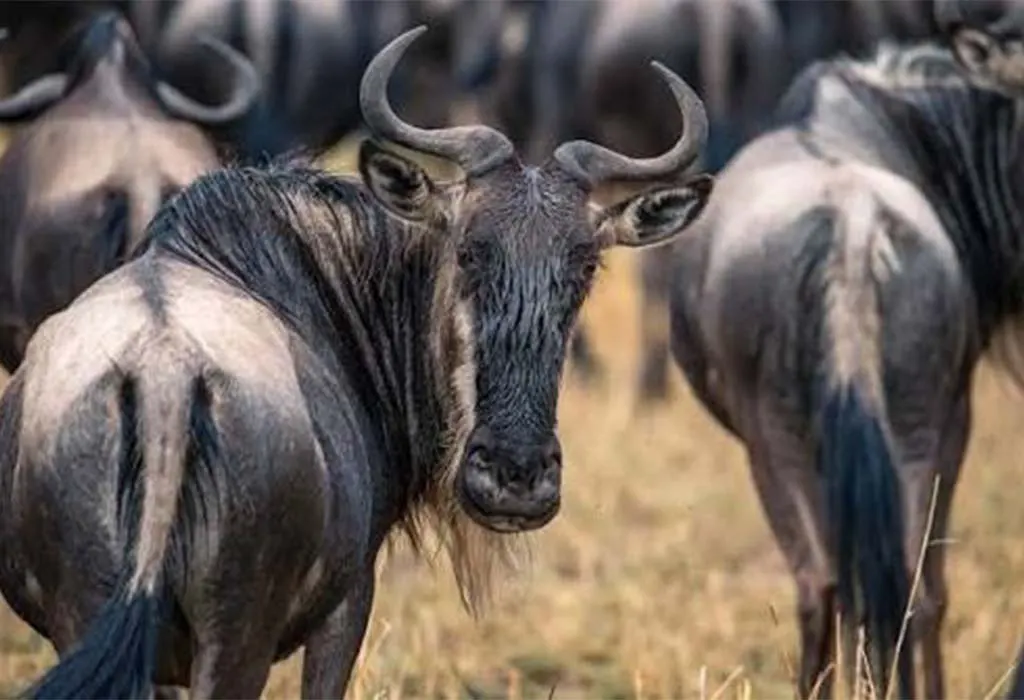 For travellers visiting Tanzania and Kenya, witnessing large herds moving across the plains can be one of the highlights of an East African safari.
Cheetahs: Fastest Hunters of the Savannah
Cheetahs are famous for their speed and elegant appearance. They are particularly associated with open grassland environments where they can use their remarkable speed to pursue prey.
The Maasai Mara and Serengeti are among the destinations where travellers may encounter cheetahs during game drives. Unlike lions, cheetahs generally hunt alone or in small family groups.
Seeing a cheetah scanning the plains or preparing to chase prey can provide an unforgettable wildlife encounter. However, sightings are never guaranteed because wildlife moves freely throughout protected areas.
Giraffes: Iconic East African Wildlife
Giraffes are among the most recognisable animals in Africa. Their long necks, distinctive patterned coats, and graceful movements make them a favourite among safari visitors.
They are commonly seen browsing on leaves from acacia trees and moving across open woodland and grassland. Kenya, Tanzania, and Uganda all provide opportunities to see giraffes in their natural habitats.
Their calm behaviour also makes them excellent subjects for wildlife photography, especially during the soft morning and evening light.
Zebras: Striped Wildlife of the Savannah
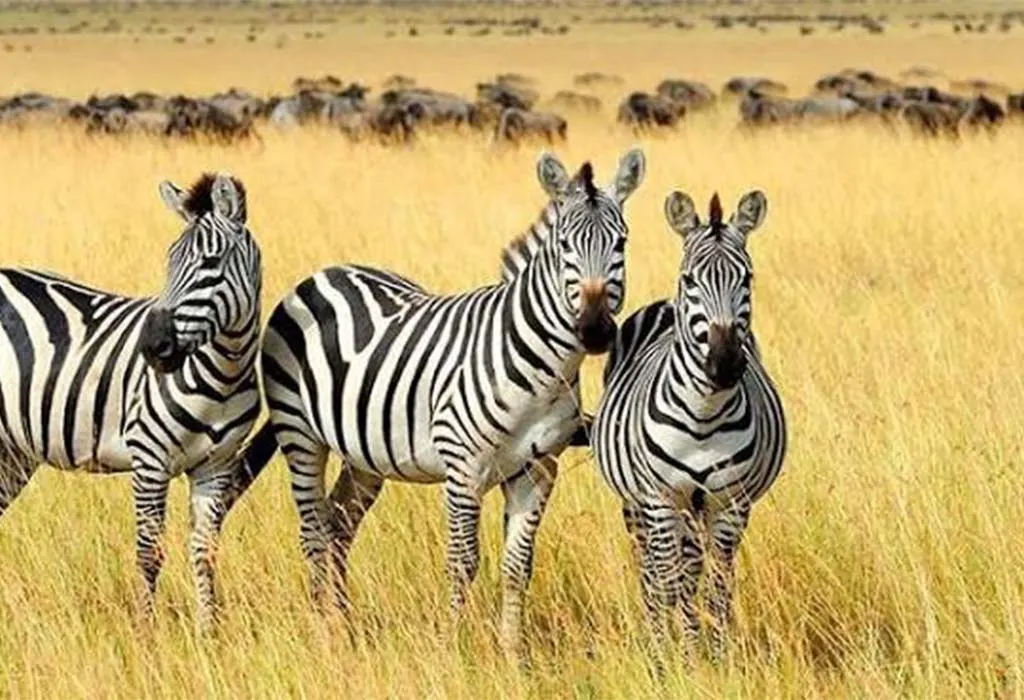
Zebras are another iconic East African species. Their black-and-white striped coats make them easy to identify, and they are frequently seen in large groups across the savannah.
They play an important role in the Great Migration, travelling alongside wildebeest across the Serengeti and Maasai Mara ecosystems. Outside the migration season, zebras can still be encountered in several national parks throughout East Africa.
Watching a large herd moving across the open plains creates an impressive view and provides excellent opportunities for photography.
Hippos and Crocodiles: Wildlife Around Water
East African safaris are not limited to land animals. Rivers and lakes support some of the region’s most fascinating wildlife, including hippos and Nile crocodiles.
Hippos spend much of their day in water, particularly during the hotter hours, while crocodiles can often be seen resting along riverbanks. Boat safaris provide an excellent way to observe these animals from a different perspective.
In Uganda, for example, boat cruises on the Kazinga Channel in Queen Elizabeth National Park and the Nile in Murchison Falls National Park offer opportunities to see hippos, crocodiles, elephants, buffaloes, and numerous bird species.
Mountain Gorillas: A Unique Forest Experience
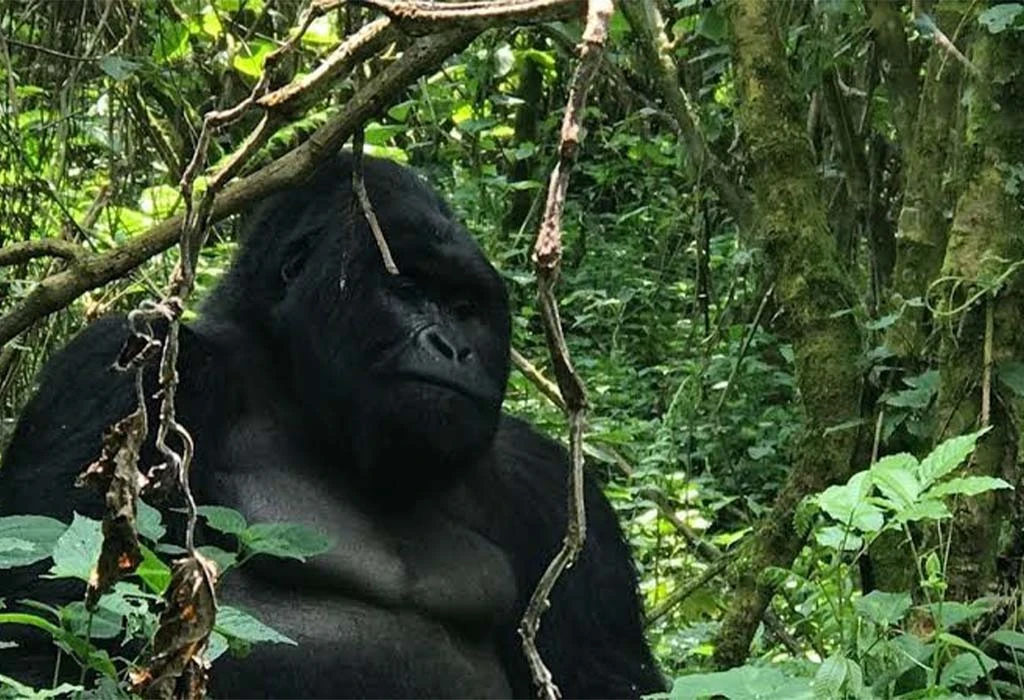
East Africa also offers wildlife experiences that go beyond the traditional savannah safari. Mountain gorillas are among the region’s most extraordinary attractions and can be encountered in the forests of Uganda and Rwanda.
In Uganda, gorilla trekking takes place in Bwindi Impenetrable National Park and Mgahinga Gorilla National Park. Visitors walk through the forest with trained guides and trackers in search of habituated gorilla families.
Spending time observing these gentle primates in their natural forest environment provides a completely different experience from a conventional game drive.
Chimpanzees: Exploring Uganda’s Tropical Forests
Chimpanzee trekking is another major wildlife experience in East Africa, particularly in Uganda. Kibale National Park is widely recognised for its rich population of chimpanzees and diverse primate species.
The experience involves walking through tropical forest with guides and trackers while searching for chimpanzees. Along the way, visitors may encounter other primates, birds, butterflies, and forest vegetation.
Consequently, combining chimpanzee trekking with a savannah safari allows travellers to experience two very different sides of East African wildlife.
Combining Wildlife Experiences Across East Africa
An East African safari can be designed to include a variety of wildlife experiences depending on the traveller’s interests, available time, and preferred destinations.
A Uganda, Kenya, and Tanzania safari, for example, can combine gorilla and chimpanzee trekking in Uganda with classic game drives in Kenya and Tanzania. Travellers may explore the Maasai Mara, experience the Serengeti ecosystem, and encounter iconic wildlife such as lions, elephants, leopards, buffaloes, cheetahs, giraffes, zebras, hippos, and crocodiles.
At the same time, travellers can include cultural encounters, boat cruises, bird watching, nature walks, and scenic experiences along the journey.
Experiya Tour Company can help organise an East African safari that brings together these different experiences while allowing travellers to explore the region at a comfortable pace.
Why Choose an East African Wildlife Safari?
The greatest attraction of an East African safari is the variety of wildlife experiences available within the region. Visitors can move from open savannahs filled with elephants, lions, giraffes, zebras, and wildebeest to tropical forests where gorillas and chimpanzees live.
Moreover, the landscapes themselves add to the experience. Vast grasslands, forests, rivers, lakes, mountains, and volcanic scenery create a diverse backdrop for wildlife viewing.
For this reason, East Africa remains a popular destination for travellers seeking both classic African game drives and unique wildlife adventures.
Conclusion: Discover East Africa’s Famous Wildlife
East Africa is famous for its extraordinary wildlife diversity and breathtaking landscapes. The Big Five remain among the region’s most celebrated attractions, while the Great Wildebeest Migration provides one of the world’s most spectacular wildlife experiences.
At the same time, Uganda and Rwanda offer remarkable opportunities to encounter mountain gorillas and chimpanzees in their natural forest environments. Therefore, an East African safari can offer much more than traditional game viewing.
Whether your interest is in predators, elephants, large herds, primates, or aquatic wildlife, East Africa provides a remarkable setting for an unforgettable safari adventure with Experiya Tour Company.